REVIEW · VIAREGGIO
Lucca: Self-Guided Bike Tour to the Wine Roads
Book on GetYourGuide →Operated by Tourist Center Lucca · Bookable on GetYourGuide
A hills-and-vineyards day beats a bus tour. This self-guided bike ride takes you from Lucca out through villa country, then up to Montecarlo along the wine roads with an app that keeps you on track. I especially love the mix of classic villa stops and the freedom to set your own pace. One drawback to plan for: you’ll rely heavily on your phone for navigation, so battery life matters.
The route isn’t flat fun. Expect 2 real climbs and a total ride roughly in the 50–55 km range (about 30 km out and 25 km back), with a tougher feel when you’re heading up toward Montecarlo. The upside is the return gets easier, with downhill and then flatter riding back toward Lucca.
In This Review
- Quick highlights
- Getting started outside Lucca’s train station: bike, briefing, and the app
- Past Villa Oliva, Grabau, Reale, and Torrigiani: the opening “wow” stretch
- Lucca hills to Montecarlo: vineyards, farms, and two climbs
- Montecarlo: your halfway break for lunch, wine, and a town walk
- Where to stop for food and wine without losing your day
- The return ride: downhill relief, then flatter secondary roads
- Bike choice and fitness reality: e-bikes, trekking bikes, and limits
- Price and value: what $34 gets you for a full day on your own
- Who should book this Lucca to Montecarlo wine road ride
- Should you book it?
- FAQ
- Where do I meet for the Lucca to Montecarlo bike tour?
- How much does the tour cost?
- What’s included in the price?
- Is food and wine included?
- How challenging is the ride?
- How long does the cycling take?
- Are e-bikes available?
- Can I cancel if plans change?
Quick highlights
- App-guided freedom so you’re not stuck in a rigid group schedule
- Villa roll call along the way: Villa Oliva, Villa Grabau, Villa Reale, and Villa Torrigiani
- Montecarlo as a midpoint reset for lunch and browsing before the ride back
- Wine roads between vineyards and olive country, with frequent places to stop
- Phone assistance available if you get turned around
Getting started outside Lucca’s train station: bike, briefing, and the app
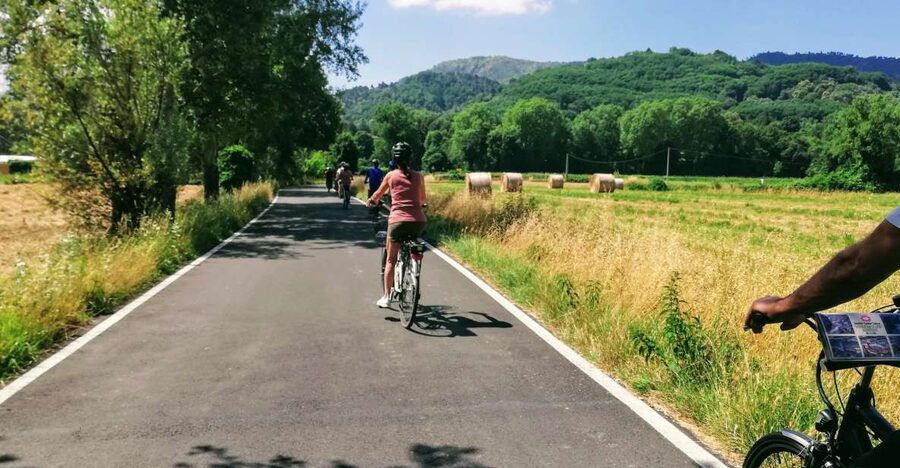
Your day starts just outside the Lucca train station, on the left side of the square. That’s convenient because you’re already in the right part of town for an easy morning launch, whether you came in by train or you’re starting from central Lucca.
At the shop, you’ll get a briefing and then everything you need to ride: the bicycle, helmet, bike lock, a phone holder, and an app that provides a customized itinerary. You also get phone assistance if you hit a snag. In practice, this is a nice safety net for a self-guided day—because even if you’re comfortable riding independently, this route has enough climbs that you don’t want to waste time figuring out directions.
The biggest practical note here is that the tour runs on your phone for guidance. You’re not just occasionally checking the screen—you’ll likely keep it on while you follow the turn-by-turn style route. So I treat this like a mini expedition: be ready with a plan to keep your phone powered and easy to read.
Past Villa Oliva, Grabau, Reale, and Torrigiani: the opening “wow” stretch
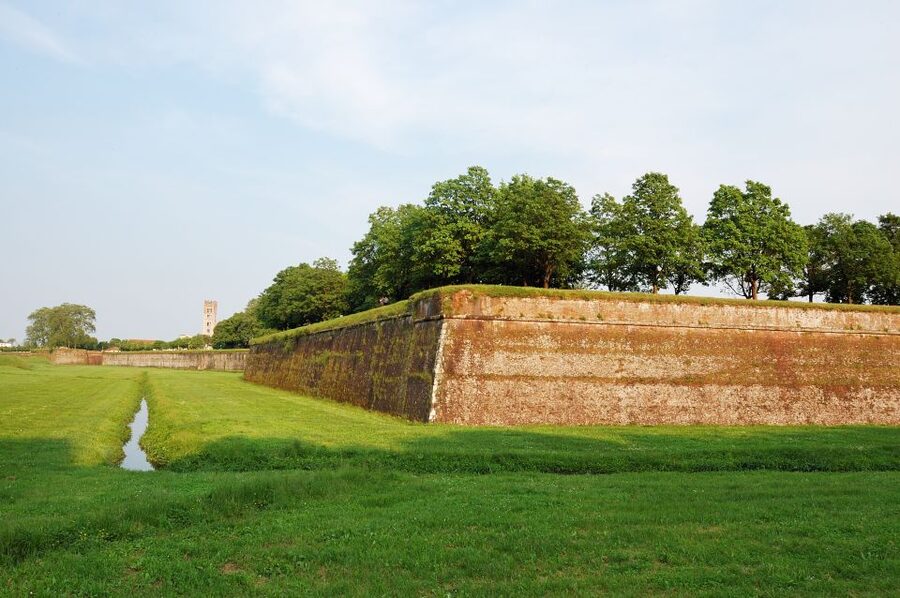
The first part of the ride is designed to ease you in visually, even if the hills are already hinting at what’s coming. You’ll cycle through the famous historical villa area, passing some of the most recognizable names tied to the Lucca countryside.
Here’s why I like this segment for first-timers: the villas give you clear, concrete landmarks, so your brain isn’t just tracking random turns. You’re also riding through countryside that feels tied to everyday farm life, not just scenic viewpoints for tourists to photograph and leave.
You’ll ride past:
- Villa Oliva
- Villa Grabau
- Villa Reale
- Villa Torrigiani
This doesn’t mean you’ll be doing a formal tour of each property. Instead, the value is in the route itself—staying on local roads with these villa sites around you as reference points. If you enjoy roadside details (stone, walls, farm lanes, and the way the countryside folds), this opening stretch sets the tone well.
One thing to keep in mind: even on the “pretty” section, you’ll still be cycling. So if you’re the type who stops every few minutes, factor in that you’re spending energy on the way up. My advice is to pick two or three moments for longer pauses, then keep moving.
Lucca hills to Montecarlo: vineyards, farms, and two climbs
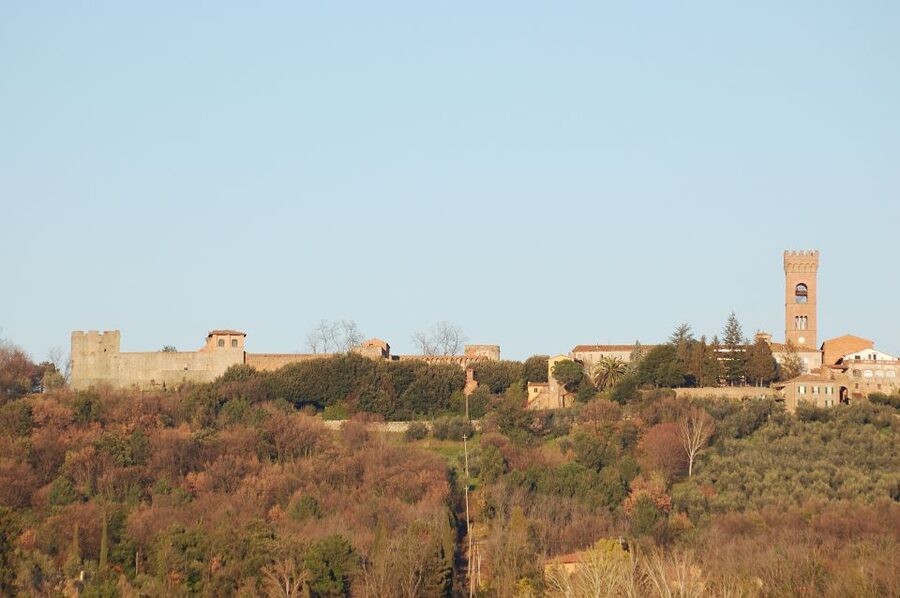
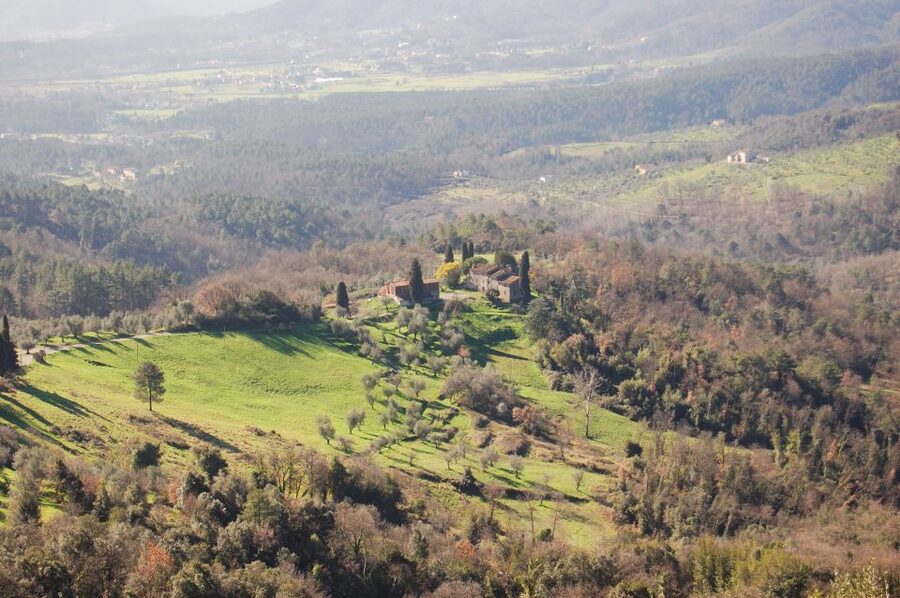
Once you transition to the wine roads, the feel changes. You’re no longer just riding past villa country—you’re riding through the working landscape: wineries, small farms, olive groves, and views that open up as you climb.
The route is marked as intermediate/challenging, with 2 climbs. That matters because it changes how you should time the day. You don’t want to “save everything” for the last hour and then realize you’re tired when the road tilts.
You’ll travel from Lucca up toward Montecarlo on local roads. Along the way, the app provides recommendations on where to stop for the best Tuscan lunch or for wine tasting. The point isn’t to force you into a specific schedule. It’s to give you good options so you don’t arrive hungry with nothing lined up.
What to watch for:
- Some stretches may have uneven or rougher paths, so keep your expectations realistic and be ready to slow down when the road surface changes.
- If you’re using your phone for navigation, the screen stays important during climbs. I’d rather you notice a turn early than brake late with your attention half on the road and half on the map.
Montecarlo: your halfway break for lunch, wine, and a town walk
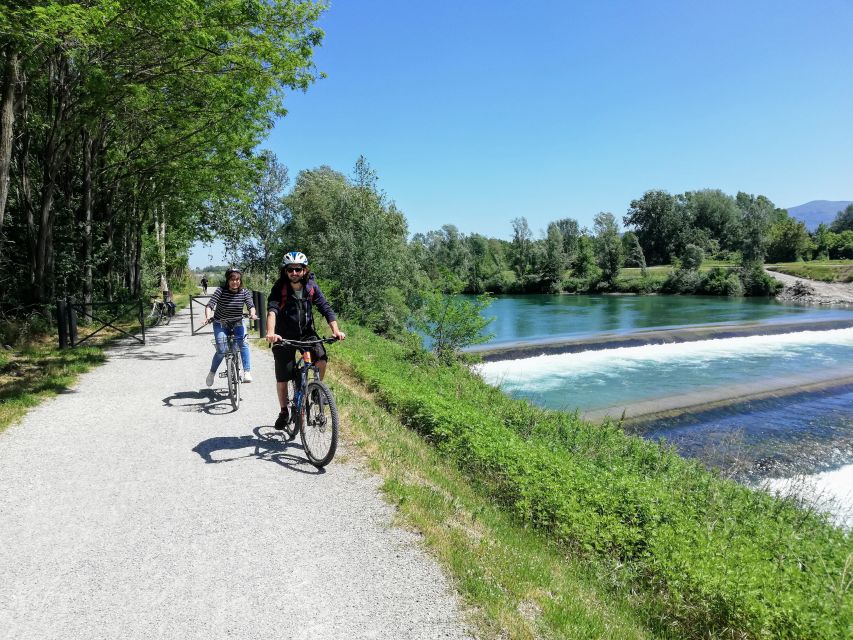
Montecarlo is the main payoff town on this ride. It works well as a midpoint break because it gives you a chance to reset—food, shade, and a little time off the bike.
This part is where the day becomes more than exercise. You can follow the app’s suggestions to find a lunch stop or wine tasting. Montecarlo also has a local vibe that’s perfect for short wandering between glasses and plates. Even if you only have an hour or two, it helps the ride feel like a full day outing rather than a single long commute.
One consideration that’s worth taking seriously: the recommended wine-tasting restaurant or tasting spot isn’t guaranteed to be open. I’d treat the itinerary suggestions as strong ideas, not iron rules. If you roll in and something’s closed, don’t panic. Use the time to locate another nearby option and keep your day moving.
If you want to avoid decision fatigue, I suggest you decide on one priority when you arrive:
- lunch first, then shops
- wine tasting first, then browsing
Either way, don’t try to do everything in a tight window, especially if you still have the ride back waiting.
Where to stop for food and wine without losing your day
The tour is explicit that food and wine are not included, which actually helps the value. You’re free to choose what fits your appetite and your budget once you reach your stopping points.
The app is your main tool here. It provides recommendations for where to stop for Tuscan lunch and where to taste local wines. That’s useful because Tuscan country roads don’t always feel obvious if you’re hungry and looking for the right sign.
That said, self-guided rides reward smart planning. Here’s how I’d approach it:
- Build in time for at least one real break in Montecarlo.
- Keep your phone accessible, because you’ll likely want to confirm which road comes next and whether your stop is exactly on the route.
- If you’re hoping to taste wine, remember it can slow you down on the bike later. Keep your pacing honest.
And yes, phone power matters. If your phone battery runs low, the navigation becomes stressful fast. I recommend bringing a backup battery pack and, if you can, a second way to access directions. The difference between a smooth day and a stressful one is often just power.
The return ride: downhill relief, then flatter secondary roads
On the way back, the effort feels different. The route is set up so you start with easier riding: first downhill, then flat, using secondary roads up to Lucca.
That return design is more than comfort—it changes the whole day experience. By the time you’re heading back, you’ve already climbed toward Montecarlo, so the downhill and flat sections let you recover without turning the day into an ordeal. It’s also a nice rhythm break: your legs work, then your legs get a chance to spin instead of grind.
Even with a simpler return, stay alert. Secondary roads can still have turns and changes in road condition, and downhill sections encourage speed. Keep it calm enough that you can read signs and handle any rough patches smoothly.
Bike choice and fitness reality: e-bikes, trekking bikes, and limits
This tour offers flexibility in bike types. E-bikes are available for people over 155 cm and over 14 years old. Trekking bikes are available for people over 150 cm.
That’s important for two reasons:
- The ride has climbs, so bike choice affects how much you enjoy the day.
- The provider needs correct bike sizing. You’ll need to provide participant heights and gender so you get the right frame.
There are also limits that affect planning. No seat attachments, trailers, or tag-alongs can be connected to e-bikes and trekking bikes. And it’s not suitable for children under 12 or for people with mobility impairments.
If you’re debating between a regular feeling bike and an e-bike, I’d base it on how you handle hills. The ride is labeled intermediate/challenging, and there are two climbs. If you want the day to feel scenic instead of punishing, choosing help is a totally valid strategy.
Price and value: what $34 gets you for a full day on your own
At $34 per person for a 1-day experience, this is one of the more budget-friendly ways to do the wine roads by bicycle in this area. The key is what’s included.
You’re not just renting wheels. You get:
- the bicycle
- helmet
- bike lock
- app with the tour itinerary
- phone holder
- a briefing before you go
- assistance by phone
Food and wine are not included, so you’re still responsible for lunch and tastings. But that’s part of the value: you can pick what you actually want in Montecarlo rather than being locked into one meal plan.
Think of the price as paying for route design, equipment, and support. That’s what makes a self-guided day work smoothly instead of turning into a navigation-only challenge.
Who should book this Lucca to Montecarlo wine road ride
I think this tour fits best if you want Tuscan countryside plus structure, without committing to a big guided group.
Book it if:
- you like cycling at a steady pace and don’t mind hills
- you want to pass famous villa names on local roads
- you enjoy a midway town stop for food, wine, and a short wander
- you’re comfortable using an app for turn-by-turn style guidance
Skip it if:
- you’re looking for an easy, mostly flat ride
- you don’t want to rely on your phone for navigation
- you need step-free or mobility-friendly options
It’s also a great match for solo riders or couples who want the freedom to stop when something catches their eye—just with the route logic already handled for you.
Should you book it?
Yes, if you want an authentic Tuscan bike day with real countryside variety and a strong midpoint in Montecarlo. The value is solid because the essentials (bike, safety gear, app navigation, and phone support) are included at a low price point, and you get that villa-to-vineyard storyline in one outing.
I’d book it with a little caution around effort and phone power. Bring comfortable shoes, plan for a challenging feel with two climbs, and treat your phone like part of your gear—charge it fully and consider a backup power plan.
If that sounds like your kind of day, this is a smart way to spend one day out of Lucca and taste the region the way cyclists do: slowly enough to enjoy it, and steadily enough to get there.
FAQ
Where do I meet for the Lucca to Montecarlo bike tour?
You meet just outside the Lucca train station, on the left side of the square.
How much does the tour cost?
The price is $34 per person for the 1-day experience.
What’s included in the price?
You get the bicycle, helmet, bike lock, app with the tour itinerary, phone holder, a briefing before the tour, and phone assistance.
Is food and wine included?
No. Food and wine are not included.
How challenging is the ride?
It’s listed as intermediate/challenging with 2 climbs. The tour is about 30 km from Lucca to Montecarlo and about 25 km for the return.
How long does the cycling take?
It’s usually about 3 hours for the Lucca to Montecarlo portion and about 2 hours for the return by bike, depending on your pace.
Are e-bikes available?
Yes. E-bikes are available for people over 155 cm and over 14 years old.
Can I cancel if plans change?
You can cancel up to 24 hours in advance for a full refund.