REVIEW · AVILA
Avila: Cathedral Entry Ticket with Audio Guide
Book on GetYourGuide →Operated by Catedral de Ávila · Bookable on GetYourGuide
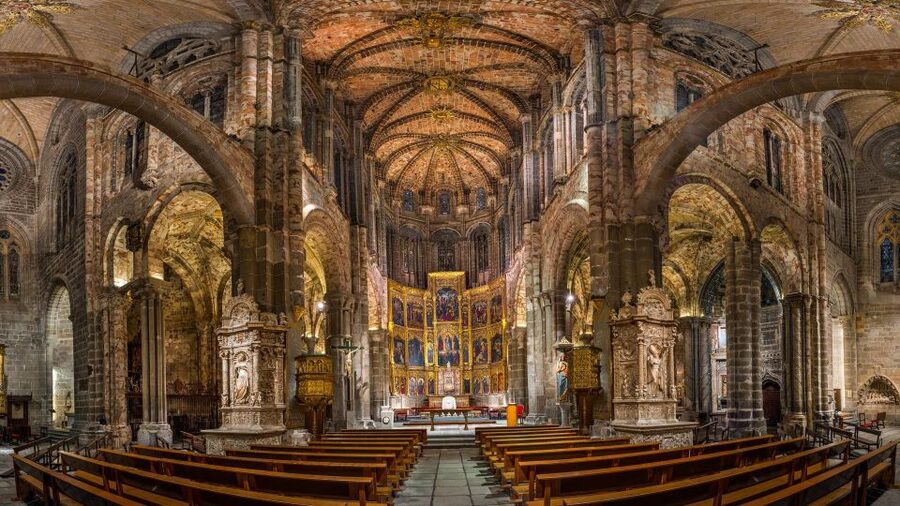
Gothic stone with Romanesque muscle. This Ávila Cathedral entry with an audio guide lets you wander Spain’s oldest Gothic cathedral at your pace, spotting the red-and-white Romanesque work and later white Gothic additions. I love the star-shaped cupola above the 13th-century sacristy and treasury, and I also really like the chance to slow down with the altarpiece and paintings by Pedro Berruguete and Juan de Borgoña.
One catch: the on-site route isn’t always easy to follow, and in at least some moments the English audio can be harder to catch clearly if there’s other sound in the cathedral.
In This Review
- Key takeaways before you go
- Ávila Cathedral’s “oldest Gothic” factor (and why it’s more than a label)
- Finding your way inside the cathedral (and making the audio guide work for you)
- The nave and the chapels of piety and conception
- Romanesque red-and-white vs later white Gothic stone
- Chapel time: Saint Ildefonso and Saint Teresa
- Star-shaped cupola over the 13th-century sacristy and treasury
- The altarpiece plus paintings by Pedro Berruguete and Juan de Borgoña
- The peaceful cloister: ribbed vaults and large Gothic-style windows
- Practical rules that affect how you enjoy it
- Time, pacing, and the reality of liturgical changes
- Skip-the-line value: is it worth about $11?
- Who this audio-guided cathedral entry suits best
- Final decision: should you book this Cathedral of Ávila entry with audio?
- FAQ
- How much does the Ávila Cathedral entry ticket with audio guide cost?
- How long is the ticket valid?
- What languages are available for the audio guide?
- Is the cathedral visit wheelchair accessible?
- Are pets or food allowed inside?
- Is an on-site guide required even though there’s an audio guide?
Key takeaways before you go
- At your own pace: an audio guide in Spanish, English, French, and Italian keeps the visit moving without you waiting on a group.
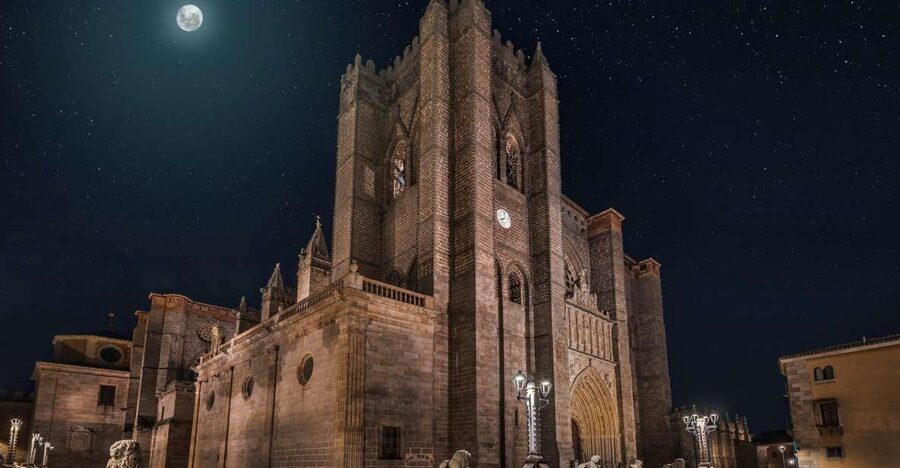
- You’ll notice the stone: Romanesque red-and-white masonry shifts into white Gothic features as you walk through the building.
- Don’t miss the star-shaped cupola: it sits over the 13th-century sacristy and treasury and is a standout architectural detail.
- Art lovers have a payoff: paintings by Pedro Berruguete and Juan de Borgoña are built into the experience, not an afterthought.
- End in quiet: the cloister’s ribbed vaults and large Gothic-style windows give you a calmer finish.
- Plan for last access: you’ll need to be finished no later than 30 minutes before closing, so keep an eye on the clock.
Ávila Cathedral’s “oldest Gothic” factor (and why it’s more than a label)
Ávila’s cathedral is famous as the oldest Spanish Gothic cathedral, but what makes the visit satisfying is how you can actually see the building’s change over time. As you move through, the look of the architecture shifts—so you’re not just reading history. You’re watching it happen in stone.
The entry ticket plus audio guide format is a smart way to experience that evolution. You can spend extra time where your eyes catch something (a doorway detail, a change in color, a chapel plan), and you can skip what doesn’t hold you. In a place like this, that freedom is the whole point.
Finding your way inside the cathedral (and making the audio guide work for you)
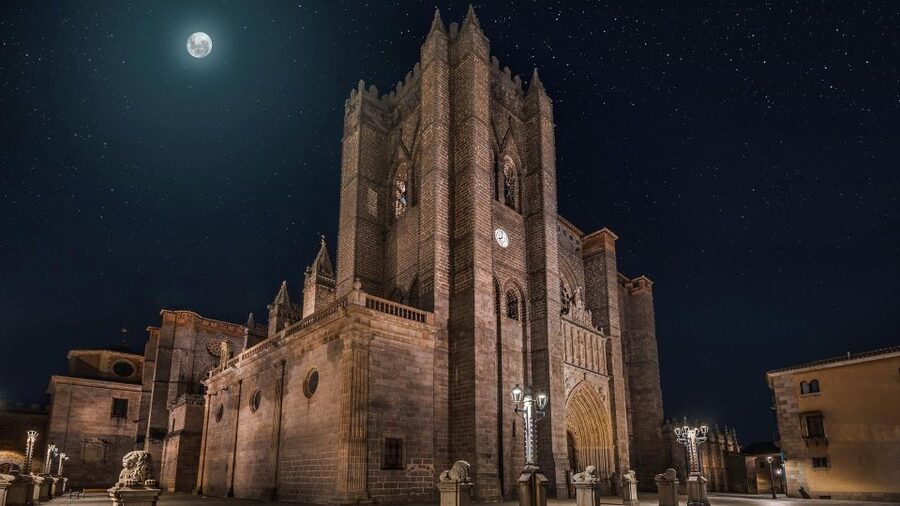
You start at the cathedral itself, which was originally tied to the city walls. That matters because the building doesn’t feel like a standalone monument; it feels like part of Ávila’s shape and defense history.
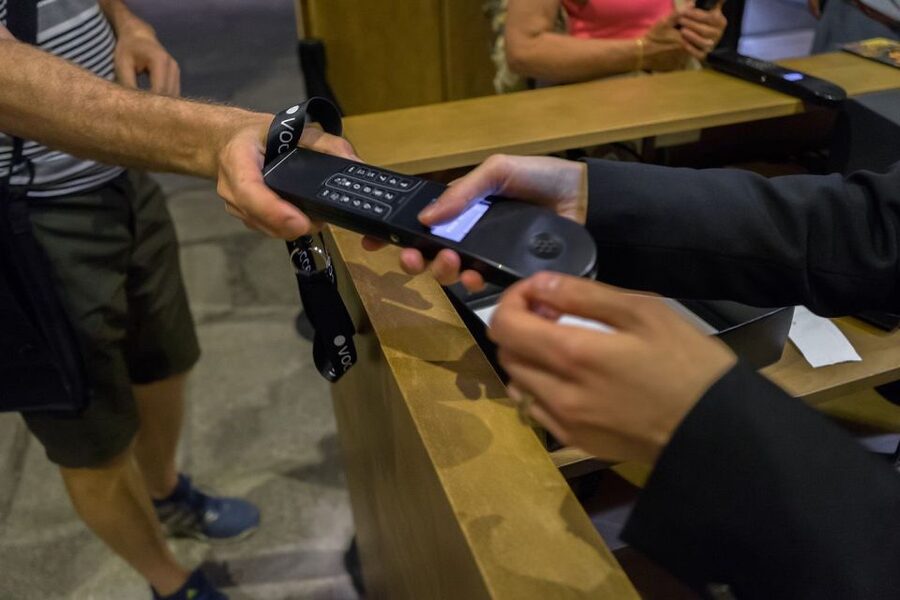
Once you’re inside, put the audio guide to work right away. The route is designed to take you through the nave and chapels, then toward the cloister, but you’ll get more from it if you actively look for the architectural “markers” the guide points out. Think of it like this: instead of letting the cathedral wash over you, you’re training your attention.
Tip: when you enter a new area (nave, chapel, sacristy area, cloister), pause for a few seconds and let the audio explanation catch up. That small rhythm makes the details click instead of becoming background noise.
The nave and the chapels of piety and conception
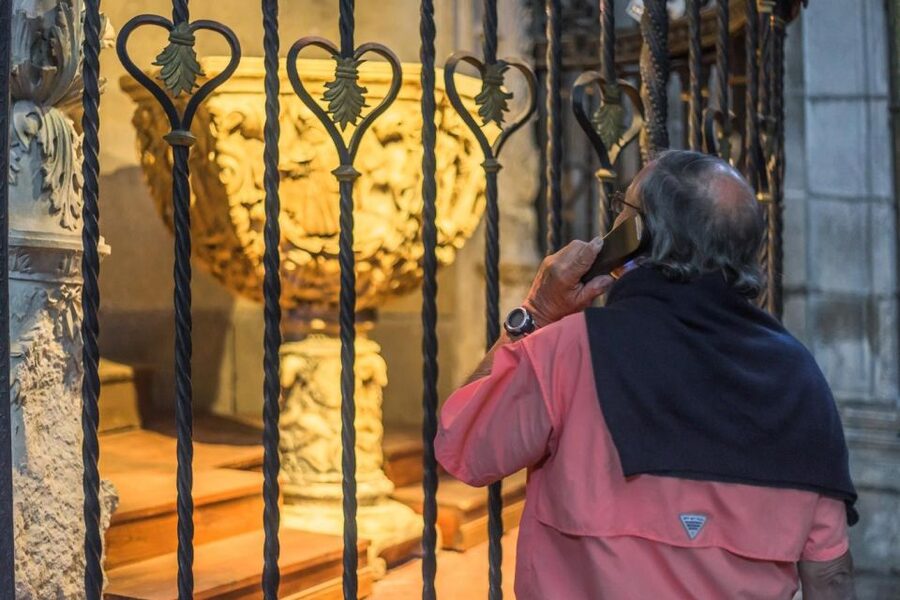
Walking through the nave is where you really start to feel the cathedral as a living space, not just a photo stop. You’ll move through a sequence of areas that are meant to slow you down—especially the chapels.
The chapels of piety and conception help you understand the cathedral’s spiritual layout, and they also set you up for the standout chapels you’ll reach later. If you’re the type who likes architecture, you’ll notice how the lighting and stone surfaces change as you turn from open nave space into chapel interiors.
One practical note: no flash photography is allowed, and video recording isn’t permitted. So plan to remember what you see with your eyes first, and treat photos as secondary.
Romanesque red-and-white vs later white Gothic stone
This is the moment where you’ll start “reading” the building. You’ll see Romanesque traits in red and white stone, and then you’ll also spot the cleaner, brighter look of white Gothic stone as the cathedral’s style develops.
That contrast is valuable because it turns a big-name monument into something tangible. You’re not just hearing that Gothic replaced Romanesque—you’re seeing the materials and visual language shift while you’re walking.
If you’re short on time in Ávila, this is also your best strategy: spend your energy on what you can literally observe. Look for the transitions in stone color and workmanship. Let those guide you as much as the audio does.
Chapel time: Saint Ildefonso and Saint Teresa
The chapels of Saint Ildefonso and Saint Teresa are a key highlight because they feel both specific and integrated into the cathedral’s overall design. This is where you can slow down, focus on ornament and layout, and let the audio guide explain why certain elements are placed where they are.
If you want the visit to feel personal, this is where you do it. Instead of rushing to the “big” architectural feature next, spend a bit more time in these chapel spaces. You’ll usually come away with a clearer sense of the cathedral’s purpose and atmosphere, not just its style.
Star-shaped cupola over the 13th-century sacristy and treasury
The star-shaped cupola is the kind of detail you’ll remember even after you leave the building. It sits above the 13th-century sacristy and treasury area, and it adds an extra layer of visual drama to an already complex interior.
Why it’s so worth your attention: cupolas aren’t just decorative. In many older churches, they signal importance—both for the room below and for what the building wants you to feel as you approach it. Here, the star shape becomes a way to separate “ordinary movement” from “this part matters.”
If you’re going at a calm pace, take a moment to orient yourself before the audio segment explains it. Find the exact ceiling focus point first, then listen. That order tends to make the explanation land harder.
The altarpiece plus paintings by Pedro Berruguete and Juan de Borgoña
This experience isn’t only about architecture. You’ll also spend time with major art, including an altarpiece and paintings by Pedro Berruguete and Juan de Borgoña.
For you, that matters because it changes how you experience the cathedral. Instead of only thinking in lines, arches, and stone types, you also get the story told through religious art. And because the audio guide is there, you’re less likely to miss the “why should I care?” part—at least in broad strokes.
One smart approach: when you reach the art areas, keep your eyes steady for a few seconds before pressing play again. Let your brain map the space, then let the audio guide connect the dots.
The peaceful cloister: ribbed vaults and large Gothic-style windows
The cloister is where the visit naturally cools down. After moving through nave and chapels, the cloister’s layout and light make everything feel quieter and more open.
You’ll see ribbed vaults and large Gothic-style windows, and these details are a great way to end the tour. Even if you don’t know much about Gothic architecture, you can still “feel” the structure: the ribs guide your sight lines, and the windows bring in soft illumination.
This is also a good place to slow your pace for the last stretch. Since last access is 30 minutes before closing, finishing here gives you a more relaxed ending than squeezing in one last rushed stop.
Practical rules that affect how you enjoy it
A few on-site limits shape what “comfortable” looks like:
- No pets, smoking, food, or drinks inside.
- Flash photography isn’t allowed.
- Alcohol and drugs aren’t allowed.
- Video recording isn’t permitted.
None of this is unusual for historic churches, but it does affect your planning. If you’re bringing a snack day habit, skip it. If you’re photo-minded, remember you’ll be shooting with restraint—so slow down and compose with available light instead of relying on flash.
Time, pacing, and the reality of liturgical changes
This ticket is valid for 1 day, and the audio format is meant for self-guided pacing. Still, the cathedral’s schedule can shift because of liturgical events, so don’t lock in a perfect minute-by-minute plan.
Also watch timing closely. Last access is 30 minutes before closing, which means you should avoid the mistake of starting your final audio segment when you’re already short on time. Give yourself buffer time to enjoy the cloister properly.
Skip-the-line value: is it worth about $11?
At around $11 per person, this is strong value for a cathedral visit in a major historical city. You’re not just buying entry—you’re buying a structured way to understand what you’re seeing, in multiple languages, without needing to “keep up” with a group.
Here’s the real value equation I’d use: you get the most out of this ticket if you’ll listen to the audio guide and if you enjoy architecture and art enough to linger in chapels. If you’re the type who wants a super fast walk-through with minimal interpretation, the price might feel like “more than you need.” But if you want to understand why the building looks the way it does, the audio guide makes the ticket feel priced like an explanation, not just access.
The skip-the-ticket-line feature is also a plus. In a busy setting, saving that friction can turn a rushed visit into a calm one.
Who this audio-guided cathedral entry suits best
This is ideal if you:
- like architecture and want to spot Romanesque vs Gothic transitions
- enjoy religious art and want context for what you’re viewing
- want flexibility to pause, look, and move at your own speed
It also works well for visitors who don’t want the pressure of a constant live narration. You can still take in the essential highlights—without spending the whole visit waiting your turn.
There’s also a practical access note: it’s wheelchair accessible, and it’s offered as a private group format. If you’re traveling with someone who benefits from quiet, predictable pacing, this setup can feel calmer than a large tour.
Final decision: should you book this Cathedral of Ávila entry with audio?
Yes, you should book it if you want a cathedral visit that’s structured but not rigid. The mix of architecture transitions you can see for yourself and the art by Pedro Berruguete and Juan de Borgoña gives you two different kinds of payoff—stone and story.
Hold off if you hate audio guides or if you’re likely to walk fast without stopping to listen. Also, if you’re very sensitive to sound clarity, be aware that the audio—especially English—may be harder to follow in spots with other noise.
For most people, though, this is a smart way to get a lot of meaning out of one cathedral stop in Ávila. You’ll leave with images you understand, not just images you’ve captured.
FAQ
How much does the Ávila Cathedral entry ticket with audio guide cost?
It costs $11 per person.
How long is the ticket valid?
The ticket is valid for 1 day. Starting times depend on availability.
What languages are available for the audio guide?
The audio guide is available in Spanish, English, French, and Italian.
Is the cathedral visit wheelchair accessible?
Yes, the experience is wheelchair accessible.
Are pets or food allowed inside?
No. Pets, smoking, food, and drinks are not allowed, and flash photography isn’t allowed either.
Is an on-site guide required even though there’s an audio guide?
Yes. Tourist visits to the Cathedral of Ávila require the obligatory use of a guide.