REVIEW · ISTANBUL
Turkish and Islamic Arts Museum: Entry Ticket & Audio Guide
Book on GetYourGuide →Operated by Istanbul Tourist Pass® · Bookable on GetYourGuide
Islamic art and architecture, in one focused visit. I especially enjoy the carpets and rugs, with patterns that make you slow down, and the audio guide that helps you read the museum without guessing. One thing to plan around: the museum is inside a busy area and you still must pass security lines, plus downloading the guide on the spot can be tricky.
This museum sits in the historic Ibrahim Pasha Palace near Sultanahmet and the Blue Mosque, so you can connect it to a day of landmarks without wasting time. The collection spans centuries, and it mixes big-ticket visual arts like textiles with smaller objects like manuscripts and carved wood.
For $28 per person, you are paying for a self-paced experience plus a multi-language audio guide, not a live guide. If you want someone to explain every room in person, this may feel a bit more do-it-yourself than you expect.
In This Review
- Key things to know before you go
- Ibrahim Pasha Palace: a museum you reach fast, not one you hunt down
- The carpet rooms: where you’ll naturally slow down
- Manuscripts, calligraphy, and carved objects: the detail you feel more than you notice at first
- Ceramics, glass, and metalwork: art of trade and technique
- Religious relics: meaningful objects, handle with respect
- The 25-language audio guide: use it before you enter
- Getting there from Sultanahmet Square and the Blue Mosque area
- Skip-the-line QR entry: what it saves you and what it doesn’t
- Price and value: when $28 is a smart buy
- Who should book this audio-guided museum day
- Should you book the Turkish and Islamic Arts Museum ticket + audio guide?
- FAQ
- Where is the Turkish and Islamic Arts Museum located?
- What does the ticket include?
- Is a guided tour included?
- Can I skip security lines?
- How long is the ticket valid?
- How do I get the QR entry ticket and audio guide link?
- What language options are available for the audio guide?
Key things to know before you go
- Skip-the-line QR entry so you can spend more time inside and less time queuing for tickets
- Audio guide in 25 languages to match your comfort level across art types and time periods
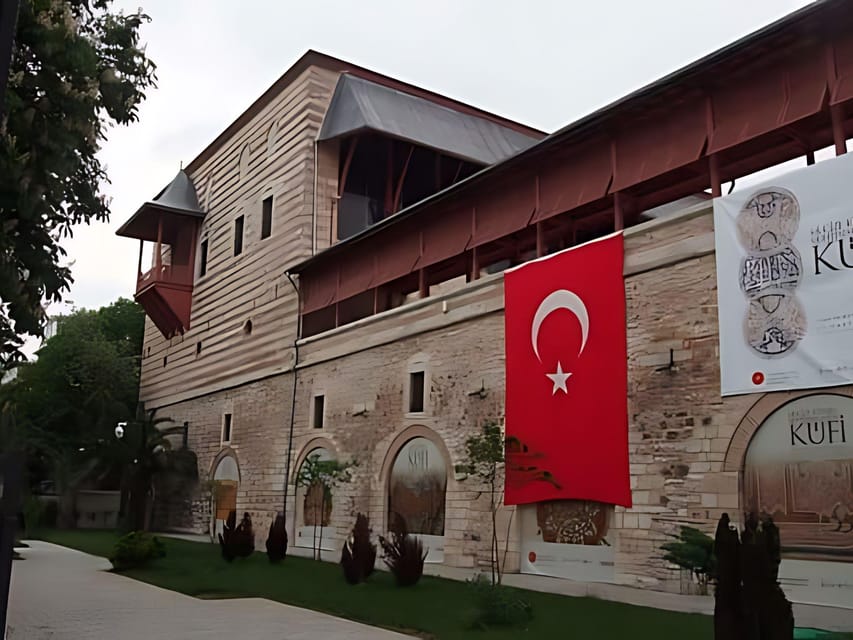
- Ibrahim Pasha Palace setting so the building itself adds context as you move through rooms
- Carpets and rugs collection where you can trace designs from older Seljuk patterns to Ottoman work
- Relics with real religious significance including fragments tied to the Prophet Muhammad and a footprint
- Security lines still required even though the ticket line can be skipped
Ibrahim Pasha Palace: a museum you reach fast, not one you hunt down
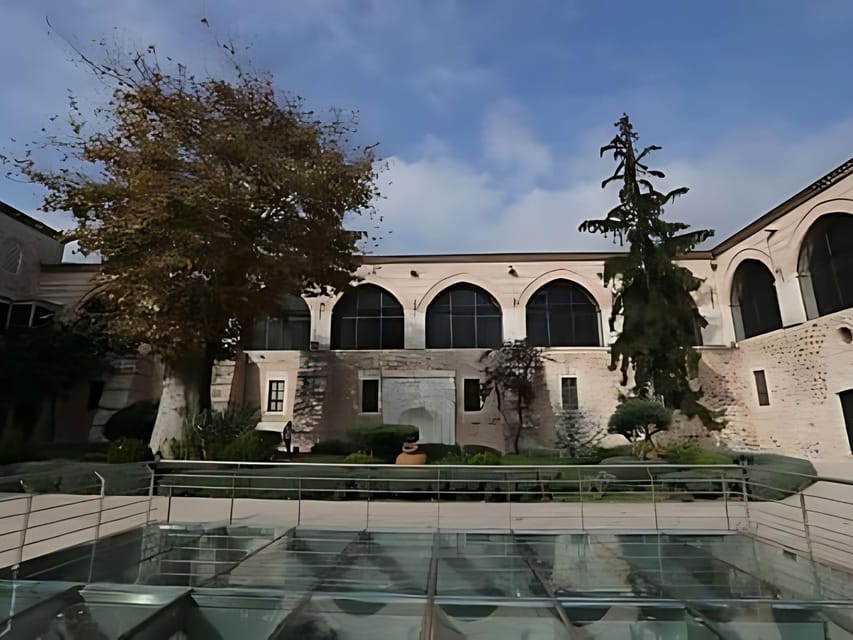
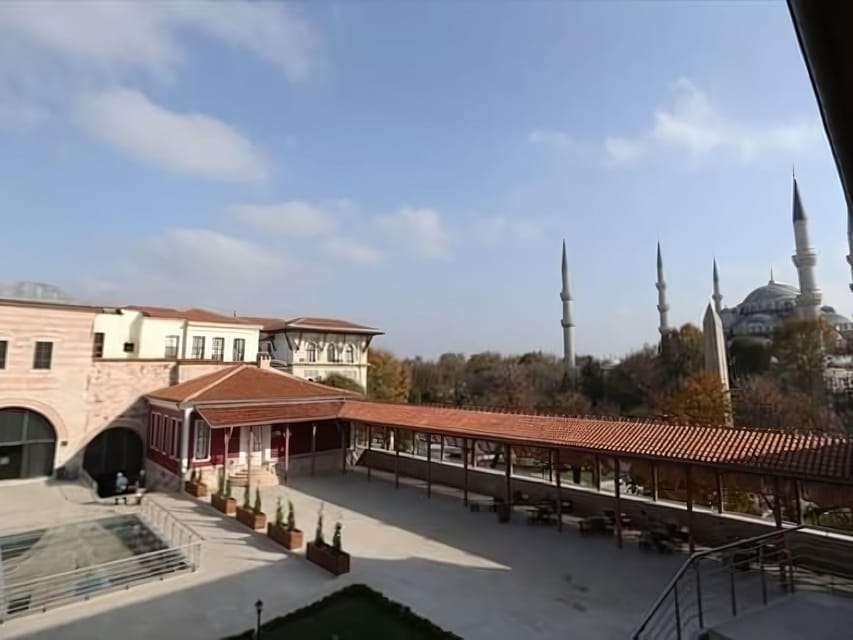
The Turkish and Islamic Arts Museum is built around a very Istanbul kind of experience: art housed in historic walls. You’ll find it in Sultanahmet Square, close to the Blue Mosque in the Fatih district, which makes it easy to pair with other sights in the same neighborhood.
The palace location matters because it shapes how you read the exhibits. You’re not just looking at objects in glass; you’re walking through spaces that feel connected to the Ottoman-era world that produced and collected many of these works. Even if you only have about a day, this setting makes the visit feel more “real” and less like a warehouse.
You can also read our reviews of more tours and experiences in Istanbul.



The carpet rooms: where you’ll naturally slow down
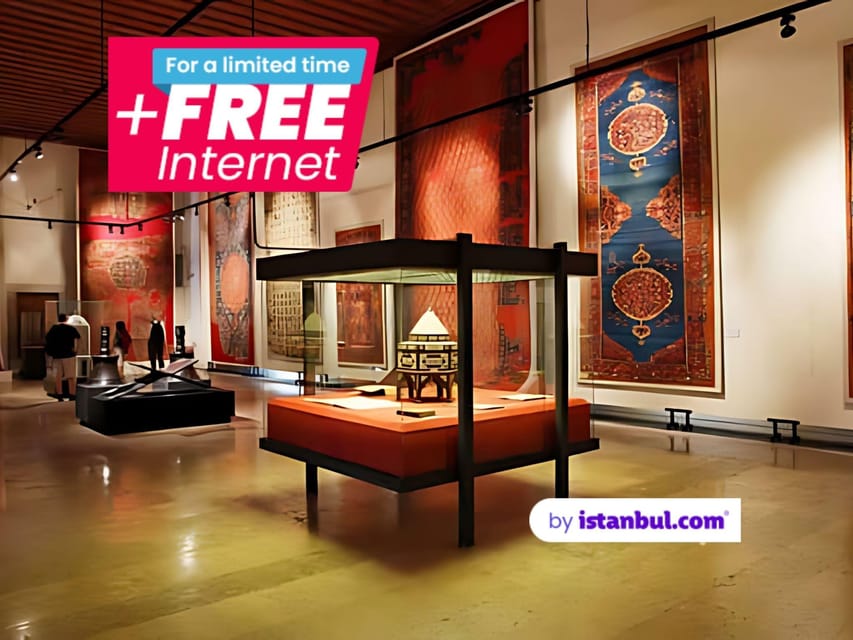
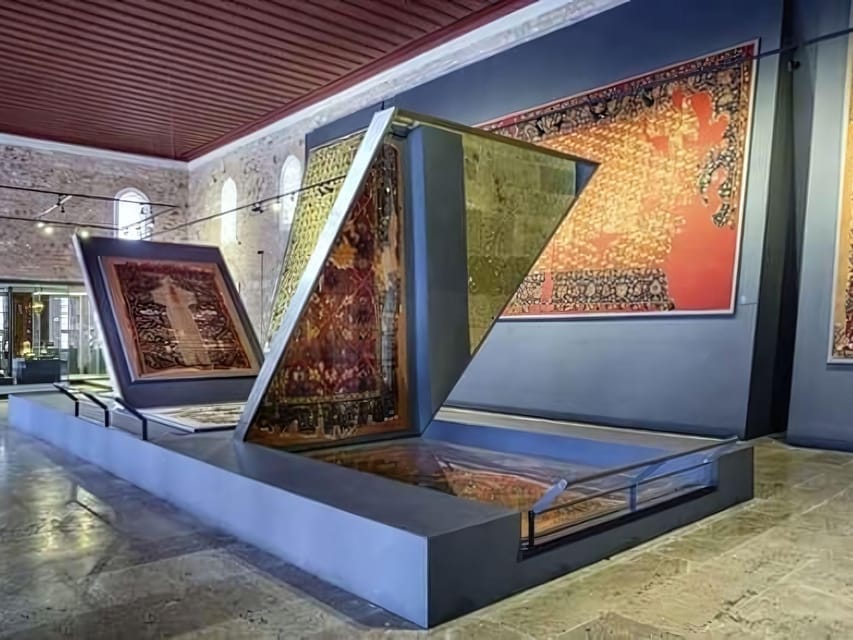
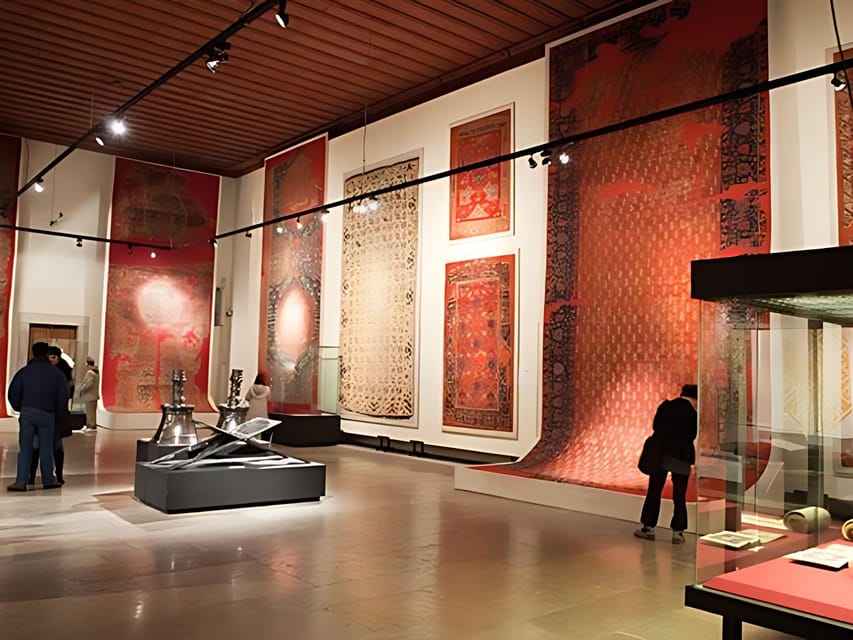
If you like textile design, you’ll probably spend more time than you planned. The museum’s carpets and rugs collection is one of the strongest draws, and it’s not just about pretty colors. You get the chance to compare style and pattern logic across periods.
What to look for as you go:
- Pattern layout: geometric order versus more flowing motifs
- Borders and medallions: how framing changes from piece to piece
- Color choices: how some rugs use contrast to make shapes pop even from a distance
You’ll often see designs linked to older Seljuk traditions alongside ornate Ottoman craftsmanship. That contrast is exactly why carpets work so well in a museum like this: they’re art you can read like design history without needing a background degree.
Practical tip: if you’re short on time, don’t rush the carpet rooms. Stand for a few minutes in front of just one or two big pieces and let your eye learn the pattern. That’s when the museum becomes more than a checklist.
Manuscripts, calligraphy, and carved objects: the detail you feel more than you notice at first

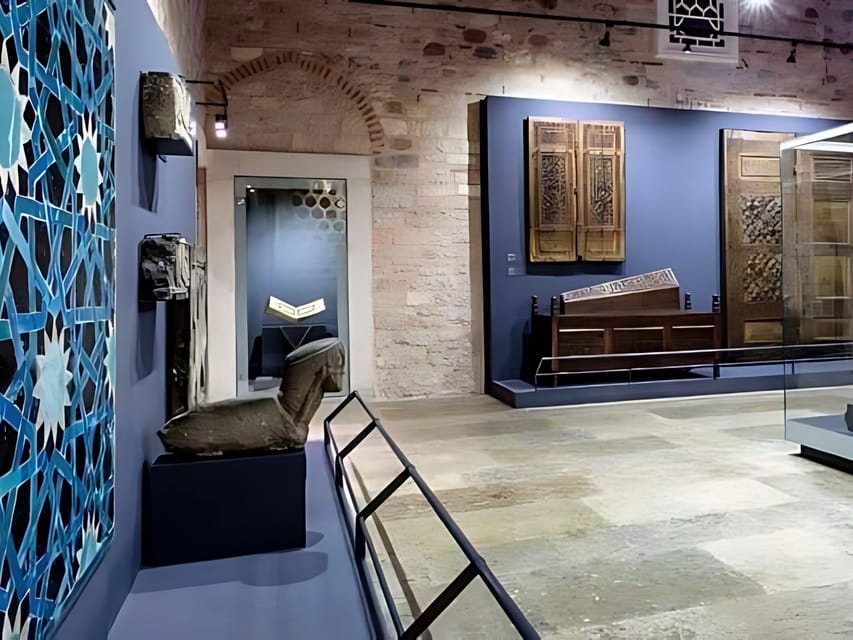
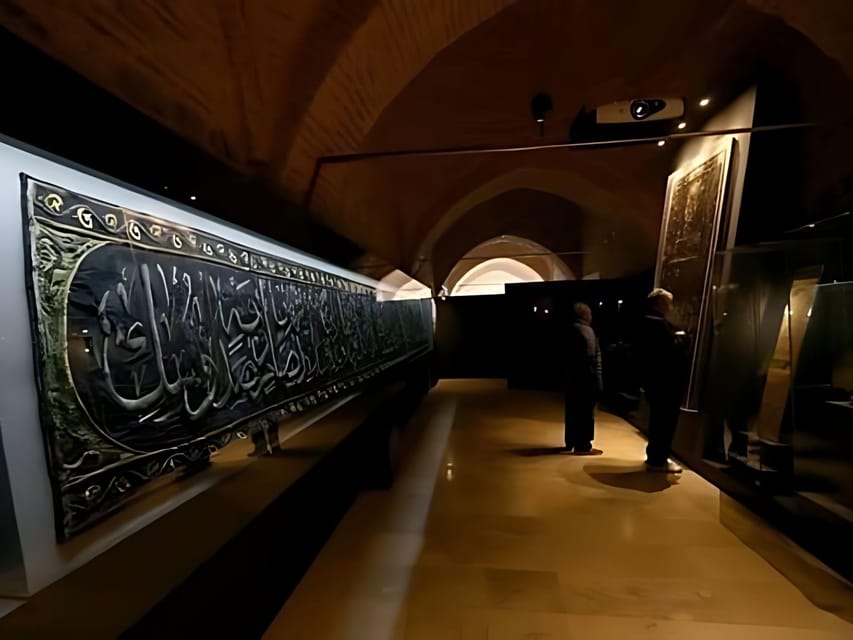
Beyond textiles, the museum covers the arts of writing and craft. You’ll see sections devoted to ancient manuscripts, calligraphy, and smaller artifacts that include wooden relics. These pieces can be easy to overlook if you’re just walking quickly, but they reward patience.
Here’s why the manuscripts and calligraphy matter for your visit: Islamic art often expresses meaning through refined lettering and careful composition. Even when you can’t read every word, you can still notice how the form carries balance, rhythm, and status.
How to get value fast:
- Use the audio guide to connect what you see to what it represents
- Look at the layout, not only the text style
- Compare how different objects treat spacing and ornament
This part of the museum works well as a reset after carpet rooms. Carpets are big and bold; manuscripts are quieter. Switching between those styles keeps you from burning out.
Ceramics, glass, and metalwork: art of trade and technique
One of the best parts of this museum is that it doesn’t just repeat one type of object. You’ll also find exhibits linked to ceramics, glasswork, and metalwork. These categories are more than labels. They tell you how Islamic craftsmanship moved across materials and technologies.
What you’re really seeing is technique expressed in different forms. Metalwork can show precision and heat-handling skill. Glasswork shows how light interacts with design. Ceramics often reveal how surface decoration becomes its own kind of storytelling.
If you like “how it was made” questions, keep an eye out for:
- Surface decoration patterns that repeat across object types
- Ornament style that changes with time and region
- How objects use line, shape, and symmetry
Even without a guided tour, the audio guide can help you connect these categories into a single story: different crafts, shared design principles.
Religious relics: meaningful objects, handle with respect
The museum includes religious relics and items with strong spiritual and historical weight. Among the highlights are fragments associated with the Prophet Muhammad’s beard and a footprint.
This is one of those museum moments where your behavior matters. Keep your voice low, don’t treat sacred artifacts like photo props, and give yourself a moment before you move on. These are not “just objects”; they carry deep significance for many visitors.
If you’re visiting with kids, this section can be a good teachable moment about respect and context. If you’re not sure what to feel, that’s normal too. Just plan on a slower pace here than in the carpet rooms.



The 25-language audio guide: use it before you enter
The included audio guide is available in 25 different languages, including English, German, Russian, Persian, Arabic, French, Italian, Chinese, Dutch, Spanish, Hindi, Romanian, Ukrainian, Korean, Turkish, Bulgarian, Polish, Swedish, Japanese, Indonesian, Greek, Hungarian, Portuguese, Urdu, and Croatian.
What makes this practical is that it turns the museum into something you can navigate confidently. You’re not stuck interpreting labels only. Instead, you can listen at your own speed and choose what you care about most.
A key detail to plan around: you receive both the Entry Ticket QR codes and the audio guide link via separate email from Istanbul Tourist Pass. The museum says it isn’t possible to skip security lines, and there could be a line at the entrance.
Tech reality check: one important consideration is phone download trouble. If your ticket or audio guide download depends on your device settings, plan to have everything ready before you reach the museum. Don’t count on Wi-Fi working perfectly once you’re standing at the entrance. If you can, download and test the guide on your phone earlier in the day.
Quick workflow I recommend:
- When you get the email link, open it and confirm the audio guide works
- Save it so you can access it without stress
- Go to the museum with your phone charged
This saves you from that awkward moment where you’re staring at a guide that won’t load.
Getting there from Sultanahmet Square and the Blue Mosque area
Location is a big part of the value here. The museum is in Sultanahmet Square and very close to the Blue Mosque, so you can build your route easily.
From the European side, the common approach is:
- Take the Kabatas–Bagcilar tramway
- Get off at Sultanahmet station
- Walk about 5 minutes
From the Asian side, you can use ferries to Eminonu from Kadikoy or Uskudar, then connect onward on foot or by short local transit.
Because this area is used by both tourists and locals, you won’t feel stranded. Still, plan for pedestrian crowds around Sultanahmet, especially at peak sightseeing times.
Skip-the-line QR entry: what it saves you and what it doesn’t
You do get skip-the-line ticket entry using the QR codes, which is helpful in a high-traffic area. But the museum also notes you cannot skip security lines. Those are mandatory for all visitors.
So the real expectation is: you may reduce time spent at the ticket counter, but you still need patience at security. That’s normal for major sites in central Istanbul.
If you’re combining this with other sights, treat the museum like a “same-day” visit, not a guaranteed quick pass. Give yourself breathing room so you’re not rushing through carpet rooms just to make it to your next stop.
Price and value: when $28 is a smart buy
At $28 per person for an experience that lasts up to 1 day, the value depends on what you want.
You’re paying for:
- Entry with skip-the-line QR
- An included audio guide in 25 languages
- A self-paced visit inside Ibrahim Pasha Palace
You are not paying for:
- A guided tour (not included)
- Transportation fees
So the math works best if you:
- Prefer independent exploring
- Want multilingual context without hiring a separate guide
- Plan to spend time actually looking at textiles, manuscripts, and crafts
If you’re the type who needs a live explanation to stay interested, this might not feel like the best deal. In that case, you’d likely want to pair it with another guided experience elsewhere—or choose a tour format that includes a person speaking in real time.
Who should book this audio-guided museum day
I think this fits best if you:
- Love design details, especially carpets and rug patterns
- Want Islamic art explained clearly through audio, not only labels
- Are visiting Sultanahmet and want a high-quality indoor stop that doesn’t require a separate planning day
It’s also a good option for mixed interests. Some people in a group can focus on textiles, while others spend more time with calligraphy, ceramics, glass, or metalwork. The museum supports those different pacing styles because it’s self-guided.
If you’re short on time, the audio guide helps you prioritize. If you’re not rushed, you can keep circling rooms until you feel like you’ve learned the museum’s “visual language.”
Should you book the Turkish and Islamic Arts Museum ticket + audio guide?
Book it if you want an art-focused day with minimal hassle, and you’ll use the 25-language audio guide to make the objects click. The palace setting and the carpet collection are strong reasons by themselves, and the religious relic section adds seriousness and context you won’t get from a standard craft shop.
Skip booking (or consider a different format) if you know you’ll only enjoy museums with a live guide doing room-by-room storytelling, or if you’re likely to lose time dealing with phone downloads once you arrive.
If you can set up your audio guide link ahead of time, this is one of those Istanbul museum visits that feels efficient and satisfying.
FAQ
Where is the Turkish and Islamic Arts Museum located?
It’s in Sultanahmet Square, very close to the Blue Mosque in the Fatih district of Istanbul.
What does the ticket include?
The entry ticket is paired with an included audio guide in 25 different languages.
Is a guided tour included?
No. A guided tour is not included with this ticket and audio guide package.
Can I skip security lines?
No. The ticket can skip the ticket line, but security lines are still mandatory for all visitors.
How long is the ticket valid?
The ticket is valid for 1 day. You check availability to see starting times.
How do I get the QR entry ticket and audio guide link?
Both the entry ticket QR codes and the audio guide link are sent via separate email from Istanbul Tourist Pass.
What language options are available for the audio guide?
The audio guide is available in 25 languages, including English, German, Russian, Persian, Arabic, French, Italian, Chinese, Dutch, Spanish, Hindi, Romanian, Ukrainian, Korean, Turkish, Bulgarian, Polish, Swedish, Japanese, Indonesian, Greek, Hungarian, Portuguese, Urdu, and Croatian.