REVIEW · ISTANBUL
Istanbul: Chora Church (Kariye Camii) & Digital Audio Guide
Book on GetYourGuide →Operated by Herms · Bookable on GetYourGuide
Stare at Byzantine art—then watch history change form. This self-guided visit to Istanbul’s Kariye Camii (Chora Church) is one of those places where Christian scenes were preserved in painstaking detail, then later framed by Ottoman-era change. I especially love seeing the Byzantine mosaics and frescoes in person, because the stories feel oddly close up, even when they’re centuries old.
I also like that the included multilingual digital audio guide app helps you understand what you’re looking at without turning your visit into a lecture. One possible drawback: this isn’t a live tour, so if you want someone to answer your questions on the spot, you’ll need to do it yourself with the app.
In This Review
- Key Things You’ll Notice at Chora Church (Kariye Camii)
- Getting Oriented at Kariye Camii: Hours, Dress Rules, and Entry
- Kariye Camii’s Design: Why the Greek Cross and Dome Matter
- The Main Event: Byzantine Mosaics and Frescoes You Can Actually Read
- The Digital Audio Guide App: Helpful, Not Pushy
- Respecting a Space That Still Has Prayer Time
- Price and Value: What $34 Buys (and What It Doesn’t)
- What Your Actual Visit Feels Like (No Meeting Point, Self-Paced Viewing)
- Who Should Book Kariye Camii With the Audio Guide?
- Should You Book This Entry With the Digital Audio Guide?
- FAQ
- What is included with the Chora Church (Kariye Camii) ticket?
- Do I need a live guide for this experience?
- Where is Kariye Camii located?
- What are the opening hours for the church area?
- When does the mosque close for prayer times?
- What should I bring?
- What are the main restrictions during the visit?
- How and when will I get the audio guide and tickets?
Key Things You’ll Notice at Chora Church (Kariye Camii)
- Greek cross + domed layout makes your walk feel like part of the story, not just a hallway stop
- Byzantine mosaics and frescoes that cover biblical themes, including scenes from the life of Christ and the Virgin Mary
- The art is still here in exceptional preservation, which changes how you experience the building
- It’s a museum now, after starting as a Byzantine church and later becoming a mosque
- Your ticket includes a multilingual digital audio guide app, but you visit on your own
Getting Oriented at Kariye Camii: Hours, Dress Rules, and Entry
Kariye Camii sits in Fatih, at Derviş Ali, Kariye Cami Sk. No:18, 34087 Fatih/İstanbul. There’s no meeting point—you simply show up and enter at the attraction on your own. That works well if you like a flexible schedule, because this is really a “slow looking” kind of stop.
Plan around the opening rhythm. The church area is open every day from 09:00 to 18:00, except Fridays. Even when things are open, the mosque portion follows prayer timing: it closes 15 minutes before and during prayer times between 09:00 and 18:00. So if you arrive at a time close to prayer, you might find sections temporarily shut while you’re there. It doesn’t ruin the visit, but it does mean you may need to adjust how you move through the space.
Dress matters here, and it’s not optional. Women are required to cover their heads and shoulders, and both men and women must cover their knees before entering. If you show up in shorts or a tank top, you’ll need to solve that quickly on the spot or your entry may be delayed. You’ll also want to avoid flash and distractions: flash photography is not allowed, and you should silence your phone during your visit, using it only in designated informational areas.
You’ll want a practical travel tool: bring a charged smartphone. The audio guide is accessed through a downloadable app, so leaving home without a phone battery is the fastest way to make this ticket feel more expensive than it is.
You can also read our reviews of more tours and experiences in Istanbul.



Kariye Camii’s Design: Why the Greek Cross and Dome Matter
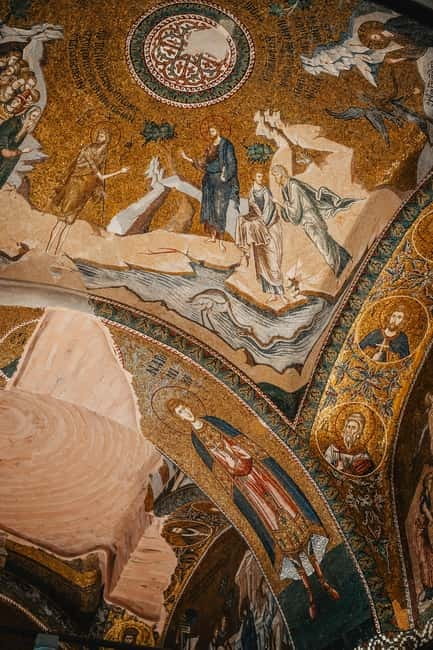
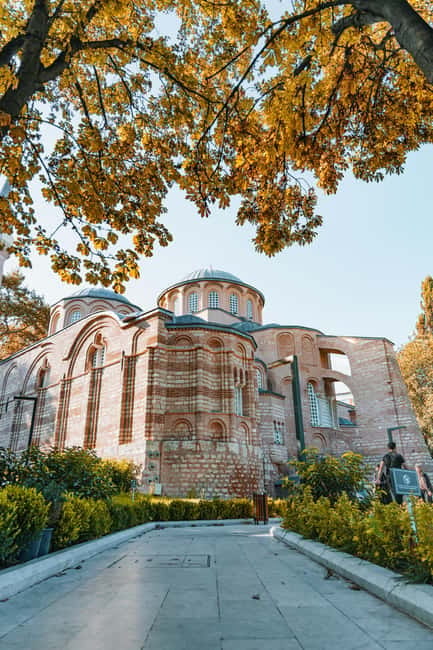
One reason Kariye Camii feels more than “a church with art” is the way the building is shaped. It uses a layout that blends a Greek cross design with a domed layout. Translation: you’re not just drifting past rooms; the architecture helps direct your attention toward what’s inside.
This matters because the mosaics and frescoes weren’t created to be background decoration. They’re meant to be read and seen as you move through the structure. A dome draws your eyes upward. Cross-shaped planning tends to create focal points at key spots. When you walk in with that in mind, you’ll notice how the artwork often seems to “aim” your gaze, even if you’re not sure exactly what story is being shown.
There’s also a deeper reason this layout works so well for modern visitors. Kariye Camii started as a Byzantine church in the 4th century, later became a mosque, and is now a museum. That layered identity shows up not only in the art and setting, but in the way the building operates today: part worship space (with prayer closures) and part museum space (focused on viewing the artwork). The architecture becomes a quiet translator between eras.
And because the site was once part of the monastery of St. Saviour in Chora—a place connected to both religious worship and theological study—you’re walking into a space designed for contemplation. You might not need theological context to enjoy it, but having it makes the building feel less random and more intentional. That’s where the audio guide helps.
The Main Event: Byzantine Mosaics and Frescoes You Can Actually Read
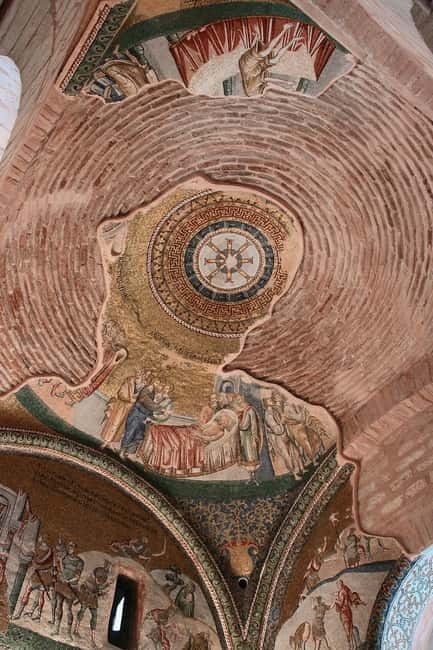
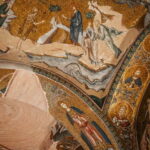
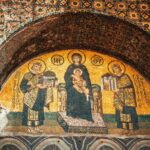
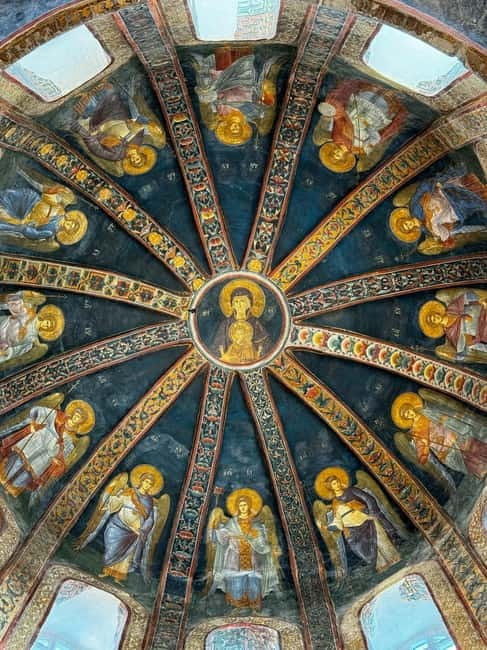
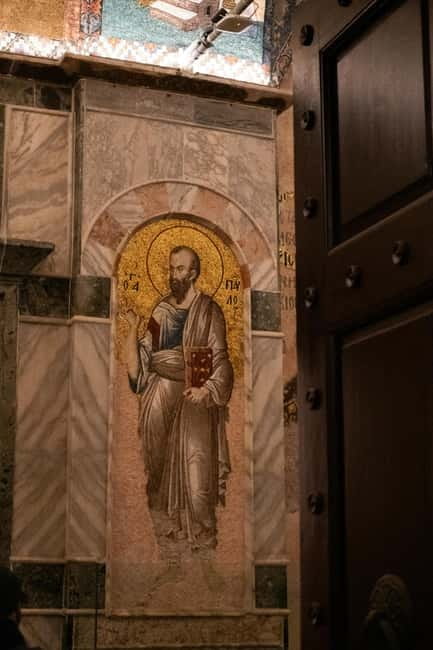
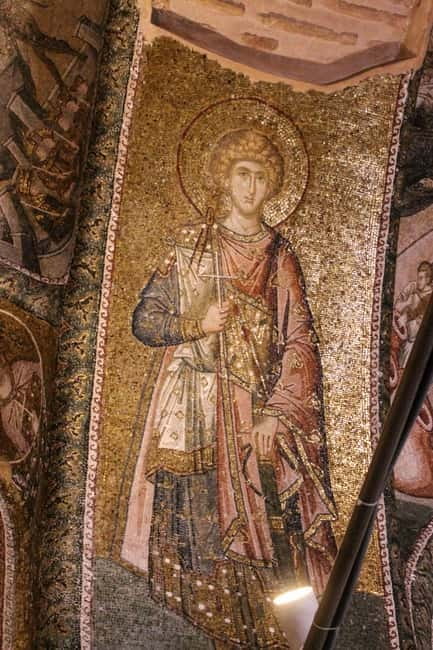
The real reason people plan time for Chora Church is the interior decoration: Byzantine mosaics and frescoes that depict biblical scenes with intricate detail and strong color. The big themes include the life of Christ and scenes tied to the Virgin Mary. Even if you don’t know every figure or symbol, you can still follow the sense of narrative because the artwork is preserved well enough to study.
What I love about these works is the kind of clarity you don’t always get from medieval art behind glass. Here, the art is part of the room. You can move your head, step closer, and see how faces, gestures, and backgrounds work together. The guide helps you connect what you’re seeing to the story being shown.
A key advantage for your experience is preservation. The mosaics and frescoes are considered among the finest examples of Byzantine art, and they’re still readable in a way that gives you that rare feeling of proximity to the original message. That preservation turns this from a quick photo stop into an actual looking experience.
Practical tip: go slow even if you’re tempted to speed through. If you try to capture everything at once, you’ll miss the small storytelling details that make the whole thing worth the ticket. Also, you should plan for the rules: food and drinks are not allowed, and luggage or large bags are not allowed. If you’re carrying a big daypack, it may be a problem—so travel light.
The Digital Audio Guide App: Helpful, Not Pushy
This ticket includes a multilingual digital audio guide app, and you use it on your own time. You’ll get a link to download it one day before your tour date, and that same link should also appear on your voucher. That’s great for two reasons: first, you can load it ahead of time. Second, you avoid the stress of trying to download on unreliable Wi‑Fi inside the building.
Because there’s no live guide, you’re basically choosing your pace. If you’re the type who likes to read captions and then move on, this can be a good match. If you’re the type who needs explanations constantly, you may spend a little extra time pausing the app to line up with what you see.
The audio guide also pairs with an important on-site behavior note: you should silence your phone during your visit and use it only in designated informational areas. That might feel strict, but it keeps the room quieter and helps you focus. It’s also a helpful reminder that you’re in an active cultural site, not a theme park.
What you should do before you arrive:
- Download the audio app using the link from your voucher
- Charge your phone fully
- Bring headphones only if the app’s instructions make it clear you can use them (the key instruction you must follow is silence your phone and use it in the allowed areas)
This guide won’t replace a human storyteller. But it can help you get your bearings fast and stop you from guessing what you’re staring at.
Respecting a Space That Still Has Prayer Time
Kariye Camii isn’t only an art museum. It’s also a mosque area when prayer is underway, and that affects your timing. The mosque is closed 15 minutes before and during prayer times between 09:00 and 18:00. So you can’t count on every corner being open at all times during the day.
You’ll feel that in the flow. If a section is closed, don’t fight the layout. Just follow what’s accessible and let the open parts lead you. In practice, art museums and worship spaces share the same building. You adapt.
Then there are the basic site rules that shape how comfortable your visit will be. You can’t bring weapons or sharp objects, and there’s no food or drinks. Umbrellas are not allowed. Pets are not allowed, though assistance dogs are allowed. Flash photography is also prohibited. These rules mean your experience stays focused on viewing rather than distractions.
It also means you should plan your belongings. Large bags and luggage aren’t allowed, so consider packing light the way you would for an airport-like security check. If you’re coming from somewhere else in Istanbul, that’s the moment to think about what you can leave at your hotel.


Price and Value: What $34 Buys (and What It Doesn’t)
The price is $34 per person, and your ticket includes entry to Kariye Camii (Chora Church) plus the multilingual digital audio guide app. That’s a solid value setup because you’re paying for two things that directly shape your experience: access to the artwork and context for understanding it.
What you’re not getting is a live guided tour. That’s not automatically a bad thing. For this kind of site, art often rewards self-paced looking. But it does change who gets the best value. If you love wandering at your own speed and using prompts when you want them, this pricing makes sense. If you want someone to explain everything without you touching an app, you may feel like a live guide would be better.
Also, transportation is not included. Your ticket covers entry and the app, but getting there is on you. And because the church is open from 09:00 to 18:00 (with the Friday exception) and mosque prayer times cause closures, timing matters. If you’re paying attention, you can fit this into a longer Istanbul day without it becoming the bottleneck.
Two more value signals worth noting:
- You’ll receive your tickets from the provider a day before your tour date, so plan ahead
- Your ticket is valid for the purchase date, and the info states there are no refunds or exchanges for the ticket itself
If you’re comparing options, the question isn’t just the cost. It’s whether you’re the kind of traveler who wants to look closely and read along. For that style, $34 can feel like a fair deal.
What Your Actual Visit Feels Like (No Meeting Point, Self-Paced Viewing)
Since there’s no meeting point, your experience starts when you arrive. You’ll enter and move through the museum and/or mosque areas based on what’s open, following the rules in place. This flexibility is part of the appeal. You don’t have to match a group’s pace or wait around for a tour start time.
You should also know that the activity is valid for 1 day, with starting times subject to availability. That usually means you can choose when to enter rather than committing to a single hard time window. Still, don’t show up at the very end and assume you’ll have time to read everything. The most meaningful looking happens when you’re not rushing.
For your route, think about it in layers:
- First pass: orient yourself and get the biggest scenes in view
- Second pass: slow down for specific mosaics/frescoes tied to key biblical themes
- Use the audio guide as you go, instead of trying to absorb everything before you enter
And keep in mind the site behavior: silence your phone and use it only where allowed. That pushes you toward being present rather than livestreaming your trip.
If you’re traveling as a couple or solo, this format often shines. If you’re traveling with young kids, there’s at least one relevant rule: children under 8 are free but must be accompanied by an adult and present a valid passport or ID. That could make this a good option for families who want a quieter, art-centered outing.
Who Should Book Kariye Camii With the Audio Guide?
This is a great fit if you:
- Want a close-up art experience with Byzantine mosaics and frescoes
- Prefer a self-guided approach over a scripted group tour
- Like having multilingual context delivered through your own phone
- Are curious about Istanbul’s religious and cultural layers—Byzantine church, Ottoman mosque, museum today
It may be less ideal if you:
- Need a live guide to answer questions immediately
- Want to carry lots of gear, because large bags and luggage are not allowed
- Are arriving right at prayer closures, because parts can be shut while you’re there
If you’re planning a broader Istanbul day, Kariye Camii works well as a “thinking stop” rather than a fast checklist item. The art rewards time, and the building’s architecture supports that slower pace.
Should You Book This Entry With the Digital Audio Guide?
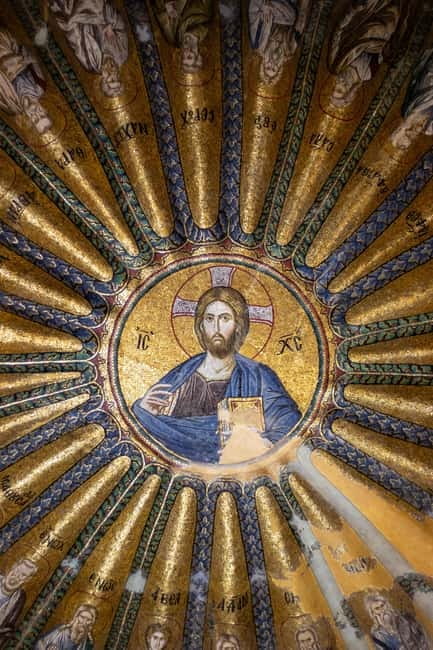
Yes, if you care about art and you’re comfortable doing the experience at your own speed. The ticket price includes the core value—entry plus a multilingual audio guide—and the site’s main appeal is the mosaics and frescoes, which are best enjoyed when you can pause and look.
I’d book it if your style matches the format: charged smartphone, quiet attention, and a willingness to follow dress and phone rules. I’d skip it (or at least reconsider) if you strongly prefer a live guide for interpretation. Here, the guide is helpful—but you’re the one setting the pace.
FAQ
What is included with the Chora Church (Kariye Camii) ticket?
Your ticket includes entry to Kariye Camii (Chora Church) and a multilingual digital audio guide app.
Do I need a live guide for this experience?
No. This is not a guided tour. You enter and explore on your own.
Where is Kariye Camii located?
The address is Derviş Ali, Kariye Cami Sk. No:18, 34087 Fatih/İstanbul.
What are the opening hours for the church area?
The church is open every day from 09:00 to 18:00 except Fridays.
When does the mosque close for prayer times?
The mosque closes 15 minutes before and during prayer times between 09:00 and 18:00.
What should I bring?
You should bring a charged smartphone.
What are the main restrictions during the visit?
Food and drinks are not allowed, large bags or luggage are not allowed, pets are not allowed (assistance dogs allowed), flash photography is not allowed, and umbrellas are not allowed.
How and when will I get the audio guide and tickets?
A link to download the digital audio guide app is sent one day before your tour date and is also visible on your voucher. You receive your tickets from your activity provider a day before the tour date. Cancellation is free up to 24 hours in advance for a full refund.