REVIEW · ZURICH
The Dark Side of Zurich: Self-Guided Audio City Tour
Book on GetYourGuide →Operated by myFive · Bookable on GetYourGuide
Death sentences had a street address in Zurich. This self-guided audio tour turns Medieval punishment into a step-by-step walk you can do at your pace, and I like that the audio is professionally delivered with clear directions. One thing to consider: it’s heavy material, and it’s not set up for kids under 16 or wheelchair users.
You’ll start at Paradeplatz with your headphones on and your phone ready, then move from church steps to memorial plates to the points where people were processed for executions. The tour covers real people and grim practices—witchcraft accusations, torture, beheadings, drowning, burning, and hanged sentences—so you should be mentally ready for dark themes rather than expecting a light sightseeing loop.
In This Review
- Key Things That Make This Tour Worth Your Time
- Getting Started at Paradeplatz: plug in and follow the route
- Why Zurich’s execution sites feel different on foot
- Witch-hunt stories: torture, accusation, and legal revenge
- Fraumünster and Marc Chagall: a religious counterpoint in your route
- Hans Waldmann’s monument and the Grossmünster anchor
- Water Church beheading story, drowning memorial, and the processing of condemned people
- Execution-era details you’ll notice: salary, wine, pillory, and city gates
- How the audio guide keeps you on track with photos and directions
- Price and value for $13 in Zurich
- Who this tour suits best (and who should skip it)
- Should you book this tour or skip it?
- FAQ
- FAQ
- Where does the self-guided audio tour start?
- How long does the audio tour take?
- Is there a live guide on this tour?
- What do I need to bring?
- Which languages are available?
- Are there entrance fees included for the Fraumünster church?
- Is the tour suitable for children?
- Is it wheelchair accessible?
- How does booking work with cancellation and payment?
Key Things That Make This Tour Worth Your Time
- Paradeplatz start with a straightforward route you can follow without guessing streets
- Professional English or Russian narration that keeps the story easy to follow
- Specific real-life cases, including a woman reportedly tortured 15 times over 26 days
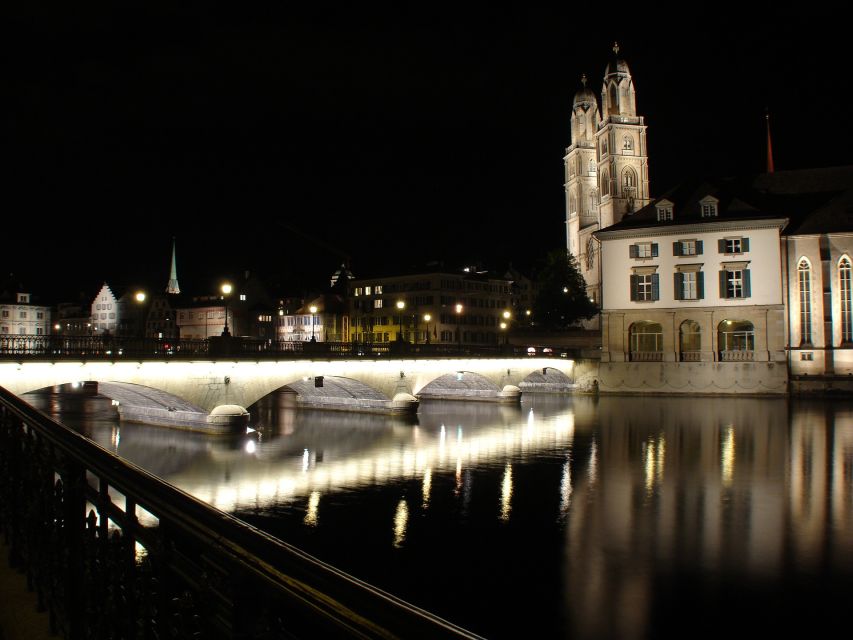
- Major landmarks mixed in, like Fraumünster and the Grossmünster, not just “grim stops”
- Clear route guidance with photos, so you don’t spend your walk hunting addresses
Getting Started at Paradeplatz: plug in and follow the route
Plan for about 1.5 to 2 hours on foot. You begin at Paradeplatz in Zurich, right in the city’s most practical starting zone, so it’s easy to get there by transit or by walking if you’re already downtown.
This is a self-guided audio tour, which means there’s no live guide waiting for you. Instead, after booking, you get a link to use during your walk. You’ll want internet access on your phone, plus charged battery and headphones. If your phone battery is shaky, charge it before you leave your hotel—this kind of tour is only as smooth as your signal and screen time.
The audio is offered in English or Russian, and you’ll be taken from stop to stop with an explanation of what you’re seeing. The route is designed with photos and detailed directions, which matters in Zurich because streets can look similar if you’re not used to the center.
One small practical point: the Fraumünster church is part of the story, but entrance fees aren’t included. So you can still do the audio stops outside and around it, but if you want to go in, budget extra time and money.
You can also read our reviews of more tours and experiences in Zurich.

Why Zurich’s execution sites feel different on foot
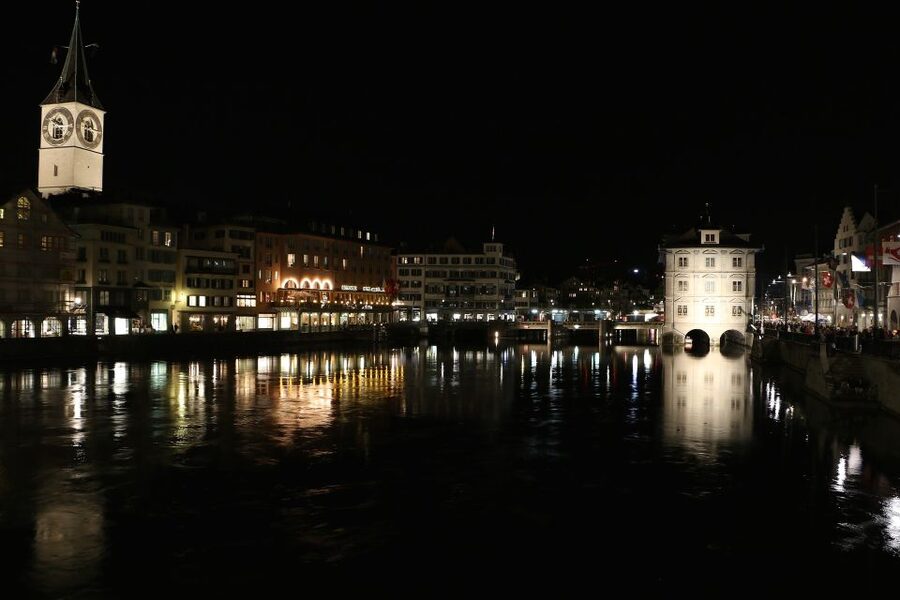
Most cities teach you their past by pointing at monuments. This tour does something tougher: it points at places connected to how punishments were carried out. As you walk, the story keeps coming back to the same question—how do normal city streets turn into a system of fear?
You’ll hear about medieval executions and witchcraft accusations, plus how the legal process worked for people accused of crimes that were treated as dangerous to the community. The tour isn’t only about the end result. It also explains the steps that happened before punishment: where accusations were handled, where people were taken, and how authority made fear feel routine.
That “routine” part is what can hit hardest. When the audio explains sites like the square where death sentences were announced, or the points tied to drowning, burning, and hanging, you start to understand that this wasn’t random violence. It was organized, public, and designed to send a message.
If you prefer your history in museums only, you might find this emotionally heavy. But if you like stories that connect places to lived reality—without pretending the past was pleasant—this is the kind of tour that gives you a Zurich you won’t forget.
Witch-hunt stories: torture, accusation, and legal revenge
The heart of the tour is the witch-hunt narrative, and it gets specific. You’ll be guided to locations tied to torture and prosecution, including the place where guidance on how to recognize and torture a witch was available. That’s a chilling detail because it shifts the story from rumor into procedure—this was treated like something the system could follow.
One of the most striking cases you’ll hear about involves a woman reportedly tortured 15 times during 26 days. The audio also points you toward the house of a wealthy Zurich woman executed for witchcraft, so you’re not only tracking poor or anonymous victims. You get a sense that accusations could touch people across social standing.
The tour also includes a stop at a former pillory site, which helps explain how punishment was staged publicly. Even when the crimes were framed through superstition and fear, punishment still used familiar tools: public humiliation, confinement, coercion, and then the sentence.
And you’ll walk to a judge’s house—the story ties him to the period of the witch-hunts at their peak, then shifts into a note about revenge. You’ll be hearing about medieval prosecutions and how personal motives could tangle with official power. That angle makes the story more than just a list of deaths; it becomes a portrait of how authority worked on human grudges.
If you take this tour, I recommend mentally switching from “tour mode” to “reading mode.” Pause when you need to. Don’t force it if you start feeling overwhelmed. The audio gives you control, since it’s self-guided.
Fraumünster and Marc Chagall: a religious counterpoint in your route
After the darker stops, the tour brings you to the Fraumünster area. You’ll listen about stained glass windows by Marc Chagall, with depictions related to the crucifixion of Jesus Christ.
This isn’t random sightseeing inserted between grim stories. It gives you a contrasting layer: faith and art in the same city where fear-based prosecutions unfolded. Standing near a church landmark while the audio switches to Chagall’s crucifixion imagery can feel like whiplash, but that tension is part of Zurich’s real story.
A heads-up: entrance fees are not included. The audio includes the church context, but you may need to decide on the spot whether you want to pay to go in. If you’re short on time, you can still enjoy the route and narration without turning every church stop into a ticket line.
Hans Waldmann’s monument and the Grossmünster anchor
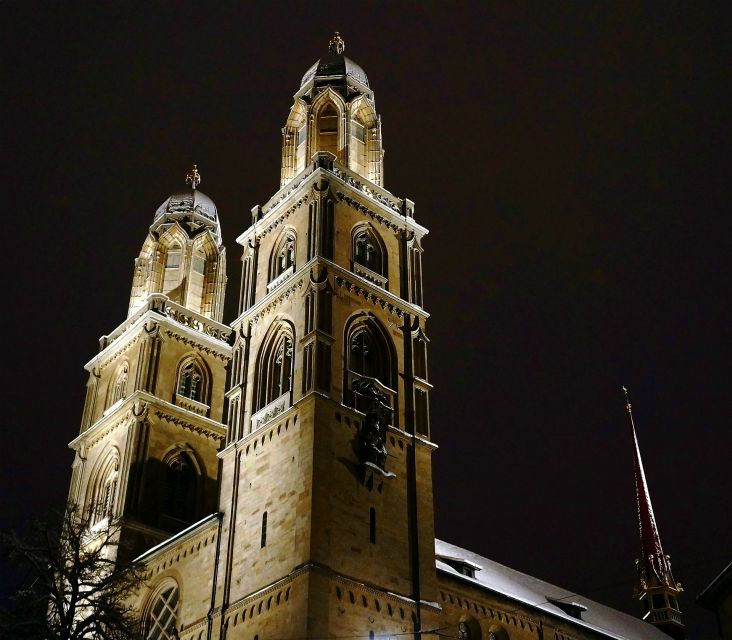
The tour includes a monument to Hans Waldmann, executed in 1489. Hearing his name and timeline while you stand at the monument makes the story feel concrete. Instead of vague “this happened in medieval times,” you’re tracking an actual person and the place where his fate became part of Zurich’s memory.
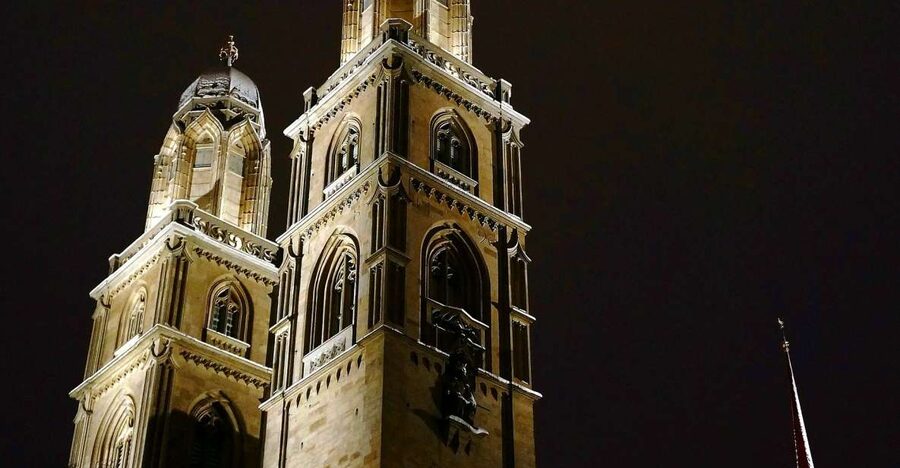
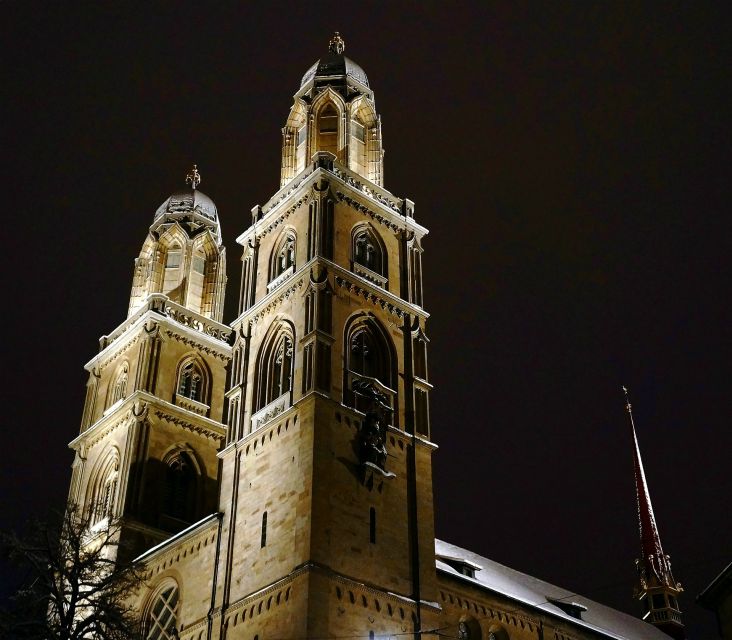
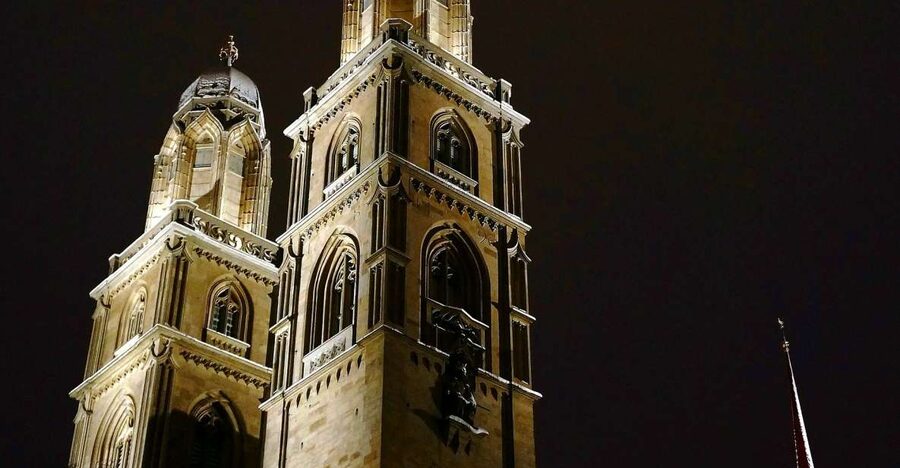
Right after that, you’ll visit the Grossmünster, another major Zurich landmark that many people recognize on sight. Why does it matter here? Because it acts as an anchor. When the tour includes a famous landmark, you get a rhythm break: story-heavy stops, then a place that’s visually iconic and helps you orient yourself mentally in the city center.
The Grossmünster also reminds you that Zurich’s identity didn’t freeze in the past. The city kept building, kept worshiping, kept turning its streets into the everyday you see today. Hearing the witch-hunt and execution material while surrounded by classic landmark architecture can create a powerful contrast.
Water Church beheading story, drowning memorial, and the processing of condemned people
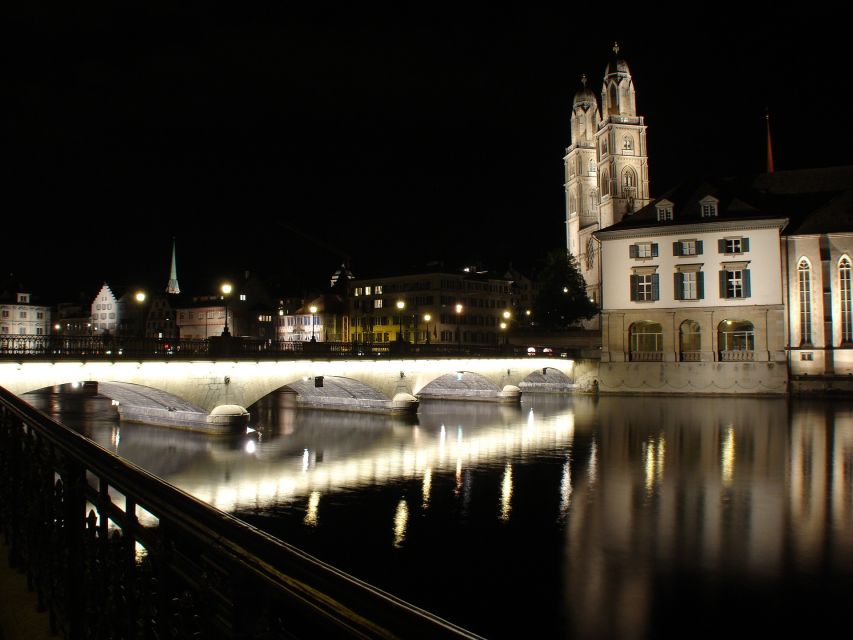
Later in the walk, you’ll reach the Water Church and hear about a brother and sister who were beheaded for their faith. This is another layer of persecution that sits near the witchcraft stories but isn’t the same thing. It widens the view from one accusation type to broader punishment tied to belief.
Then comes a sequence of stops that feel like the tour is guiding you through the final stages of the system. You’ll learn about the square where death sentences were announced, plus places tied to the mechanics of punishment.
One especially specific moment: you’ll find a memorial plate at the site where people were executed by drowning. That kind of marker matters because it tells you where memory was placed in physical form. When you stand there after hearing the narration, you’re not only imagining what happened—you’re seeing how the city chose to remember.
The tour also covers the point where people accused of witchcraft and other condemned residents exited the city, helping you understand where they were burned and hanged. That exit-city detail is practical in a historical way: it explains why the condemned weren’t processed entirely inside the urban center. The story connects geography to procedure.
Execution-era details you’ll notice: salary, wine, pillory, and city gates

A good audio tour doesn’t just scare you with stories. It gives you enough detail that the past feels lived in.
As you follow the route, you’ll learn about places where executioners lived—and even the salary they received. That particular detail is uncomfortable, but it’s useful. It turns executions from abstract tragedy into a system of labor and pay, which helps explain why punishment was sustained.
You’ll also hear about a house of a baker where people were given their last glass of wine. That’s a moment that can feel almost ordinary, like a human routine beside a death sentence. It doesn’t make the violence better. It makes it harder to ignore how close daily life sat to the machinery of punishment.
In addition, the tour includes the former pillory location. That stop helps you understand how Zurich handled certain punishments with public exposure even before the most final outcome.
And the audio’s attention to where people went—where sentences were announced, where they were processed, where executions were carried out—helps you build a mental map of the city’s legal landscape.
How the audio guide keeps you on track with photos and directions
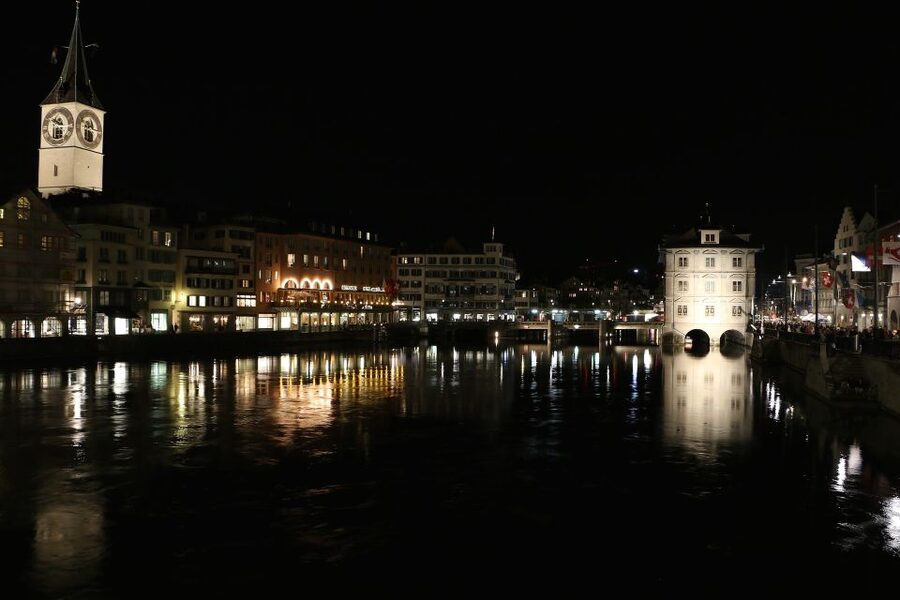
The tour’s structure is a big part of its value. You’re not just getting random history clips. The audio guide is paired with photos and detailed directions to help you find each location.
That’s important because you’re walking through central Zurich where street names and buildings can blend together. If you’ve ever done an audio tour that turns into map-checking every five minutes, you’ll appreciate this one’s focus on keeping the route clear.
You’ll hear the narration with the professional delivery, and you’ll be guided through stops in a way that feels like following a script while still having freedom to pause. Since there’s no live guide, you won’t feel rushed by a group schedule.
My practical advice: keep your phone brightness up, download any possible content before you start if your connection is spotty, and take short breaks if the story gets intense.
Price and value for $13 in Zurich

At $13 per person, this audio tour is priced like an efficient add-on rather than a full-day paid excursion. For Zurich, that’s not small money, but it can be good value because you get:
- A full route you can reuse over time since it’s valid 365 days
- Professional English/Russian narration with route guidance
- A story-focused walk that hits many locations in 1.5 to 2 hours
The main cost you might add is Fraumünster entrance, since church entry fees aren’t included. If you plan to go inside, factor that into the true total. Also, you’ll need to bring your own headphones and rely on your own internet and phone battery.
If you’re staying in the center and want a story-rich experience without paying for a guided group, this is a smart way to spend a couple hours. If you prefer light, family-friendly sightseeing, the subject matter is too dark for that goal.
Who this tour suits best (and who should skip it)
You’ll enjoy this most if you like the kind of travel where the city’s streets explain the past. This fits well for:
- Adults and teens 16+ who can handle intense topics
- People who prefer independent walking with audio guidance
- History-minded travelers who want specific locations, not just general facts
It’s not suitable for children under 16 and it’s not set up for wheelchair users, based on the tour’s stated constraints.
If you’re sensitive to graphic or distressing historical content, consider whether you want to read about these events rather than hear them tied to real sites.
Should you book this tour or skip it?
Book it if you want Zurich beyond postcard charm. The value is in the structure: audio, photos, clear directions, and a route that ties well-known landmarks like Grossmünster and Fraumünster to the darker legal and religious story around them. At $13 for 1.5–2 hours, it’s a strong deal if you like walking and you can handle heavy themes.
Skip it if you want a gentle overview, something kid-friendly, or a relaxed “just wander” city loop. This tour is purposely built around execution-era stories, witchcraft accusations, and punishment sites. If that sounds like your kind of history, you’ll likely leave with a Zurich that feels real.
FAQ
FAQ
Where does the self-guided audio tour start?
The tour begins at Paradeplatz in Zurich.
How long does the audio tour take?
Plan for about 1.5 to 2 hours.
Is there a live guide on this tour?
No. There is no live guide. You’ll use the link provided after booking to access the audio.
What do I need to bring?
You should bring headphones, a charged smartphone, and make sure you have internet access.
Which languages are available?
The audio guide is available in English or Russian.
Are there entrance fees included for the Fraumünster church?
No. Entrance fees to the Fraumünster church are not included.
Is the tour suitable for children?
The tour is not suitable for children under 16.
Is it wheelchair accessible?
It is not suitable for wheelchair users.
How does booking work with cancellation and payment?
You get free cancellation up to 24 hours in advance for a full refund, and you can reserve now and pay later.