REVIEW · ZURICH
Zurich in the Mirror of the Past: Self-Guided Audio Tour
Book on GetYourGuide →Operated by myFive · Bookable on GetYourGuide
Old streets, real stories, zero waiting. This self-guided audio tour turns Zurich into a walking timeline, with a professional English narration and a route you can follow at your pace. It connects famous landmarks and major names with stories of former inhabitants, including moments of courage and cruelty, plus the choices that changed lives.
I especially like the high-quality audio recorded by a professional speaker, and I love that the directions come with photos and detailed guidance so you don’t feel lost in the middle of town. The best part for me is the freedom: you can linger where the story grabs you and move on when it doesn’t.
One thing to consider: there is no live guide. If your phone battery dies or your internet connection falters, you’ll feel it, and the tour is marked as not suitable for wheelchair users.
In This Review
- Key things to know before you go
- Zurich’s Mirror of the Past: What This Audio Tour Actually Delivers
- Price and value for $13: How to decide fast
- The route start at Bahnhofplatz: Your first 10 minutes set the tone
- Paradeplatz and Bahnhofstrasse: Where Zurich feels like a modern city
- City Hall and the Lindenhof viewpoint area: Old civic energy
- Zurich’s iconic churches: Grossmünster, Fraumünster, St. Peter’s, and Water Church
- Roman Baths and Water Church area: When the past feels physical
- Cabaret Voltaire and Lenin’s House: Ideas, provocation, and controversy
- Monuments and names you’ll recognize: Escher, Pestalozzi, Zwingli, Waldmann
- Guild houses and the Masonic Lodge: Power in the middle layers
- Art and viewpoints: Ganymed, Pavilion, and Urania Observatory
- What works best if you like structure (and what might annoy you)
- Timing: how to pace 2 to 2.5 hours without rushing
- Who this audio tour suits best
- Practical tips before you buy
- Should you book this Zurich in the Mirror of the Past tour?
- FAQ
- Where does the tour start?
- How long is the Zurich in the Mirror of the Past audio tour?
- Is there a live guide with this experience?
- What do I need to bring?
- What language is the audio guide in?
- Is the tour suitable for wheelchair users?
- How much does it cost and for how long can I use it?
Key things to know before you go

- Professional English narration that keeps the pace steady and the explanations clear
- Photo-based route directions to help you find each stop without guesswork
- Major Zurich sights in one loop, including Grossmünster, Fraumünster, Paradeplatz, and Bahnhofstrasse
- People and power themes, with monuments tied to figures like Alfred Escher, Johann Heinrich Pestalozzi, Ulrich Zwingli, and Hans Waldmann
- Thought-provoking subject matter, including sensitive stories about good, evil, intrigue, and consequences
- No live guide: you rely on the link you get after booking
Zurich’s Mirror of the Past: What This Audio Tour Actually Delivers
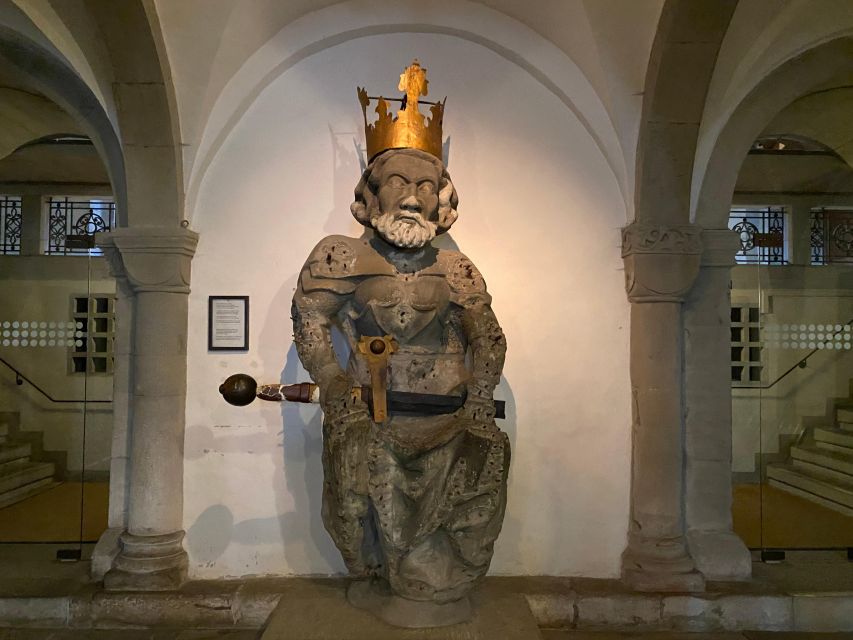
Zurich can feel polished. This tour makes it feel human. Instead of just pointing at sights, the audio guide links key places to the kinds of decisions that shape a city: ambitious leaders, ordinary people with stakes, and moments where power and morality collide.
You’ll spend about 2 to 2.5 hours moving through central Zurich and hitting the city’s headline locations. The tour is designed as a loop around famous landmarks and big public spaces, then threaded together with stories about the former inhabitants of this place. The tone is not purely celebratory. It’s more like a city lecture with a conscience.
The audio quality is a big deal here. The guide is recorded by a professional speaker, and a couple of things stand out from real-world feedback: the English is easy to follow, and the explanations land clearly. That matters because a self-guided audio tour lives or dies by whether you can understand it while you’re outside, walking from stop to stop, and glancing at street scenes.
And yes, it’s self-guided in the classic “your phone is your tour map” sense. You get the route through a link after booking, and you’ll need headphones and internet.
You can also read our reviews of more tours and experiences in Zurich.


Price and value for $13: How to decide fast
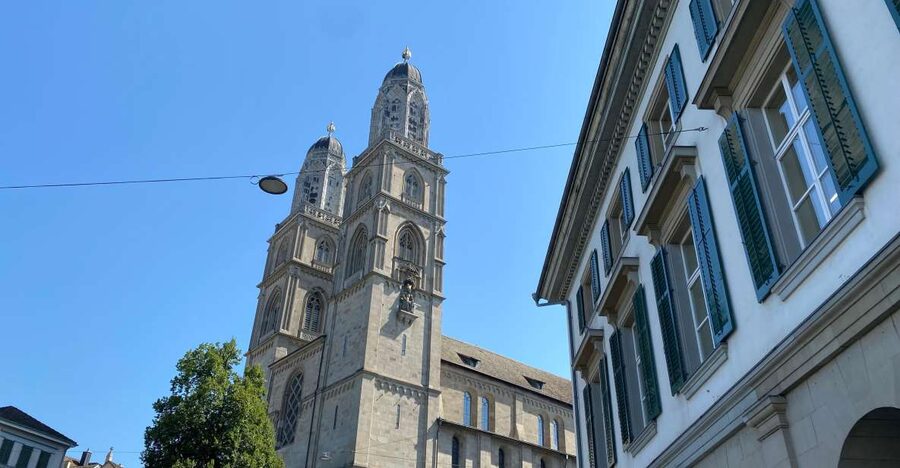
At $13 per person, you’re paying for a full run of guided storytelling across multiple central Zurich landmarks, packaged as a ready-to-use audio experience. That price only feels “cheap” if it actually saves you time and stress compared with figuring things out on your own. In this case, the tour is built to do that.
Here’s what you’re getting for the money:
- A high-quality English audio guide
- A route that includes photos and detailed directions
- Coverage of a long list of major sights, not just one neighborhood
The practical value is that you’re not bouncing between apps and web searches mid-walk. Even if you like exploring freely (and you should), having one coherent route helps you keep the day moving.
The only value risk is the format: if you expect a staff member to meet you and help you start, you may be disappointed. There’s no live guide. So if you’re the type who wants an in-person concierge, this one may frustrate you.
The route start at Bahnhofplatz: Your first 10 minutes set the tone
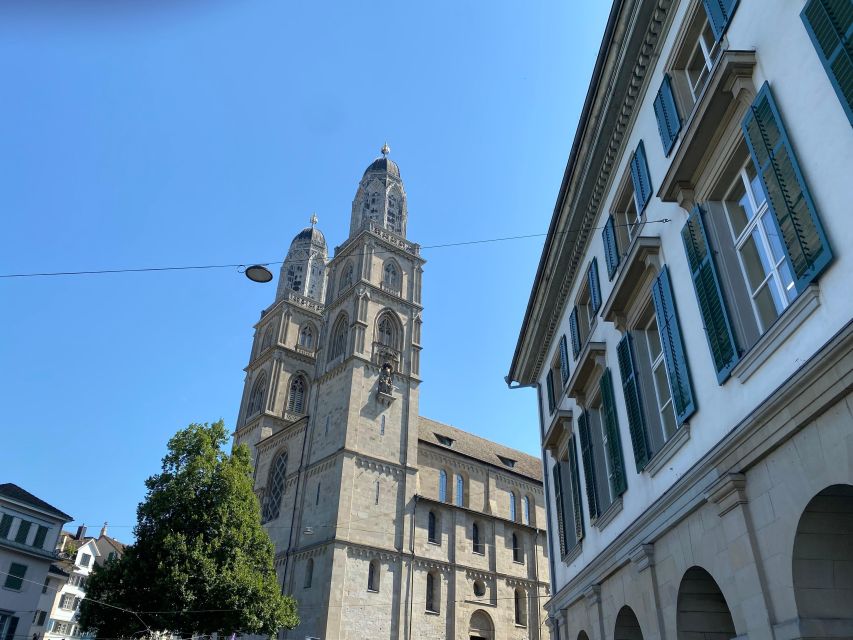
The tour begins at Bahnhofplatz in Zurich. That’s a smart starting point if you’re arriving by train and want to start immediately in the city center.
But because there’s no live guide, your first step matters. Before you begin, make sure:
- Your smartphone has enough battery for a 2 to 2.5 hour walk
- You’re using a working headset
- Your internet connection is ready
From a planning point of view, this is the moment where people can accidentally ruin a good experience. If you show up thinking there will be an office open or a person waiting, you’ll waste time. If you arrive ready to pull up the guide link, you’ll get going quickly.
Once you’re rolling, the audio guide does what you need: it tells you where to go next with clear, step-by-step direction and photos. That photo support is exactly what you want in an old European city where street names can look similar and alleys love to confuse.
Paradeplatz and Bahnhofstrasse: Where Zurich feels like a modern city
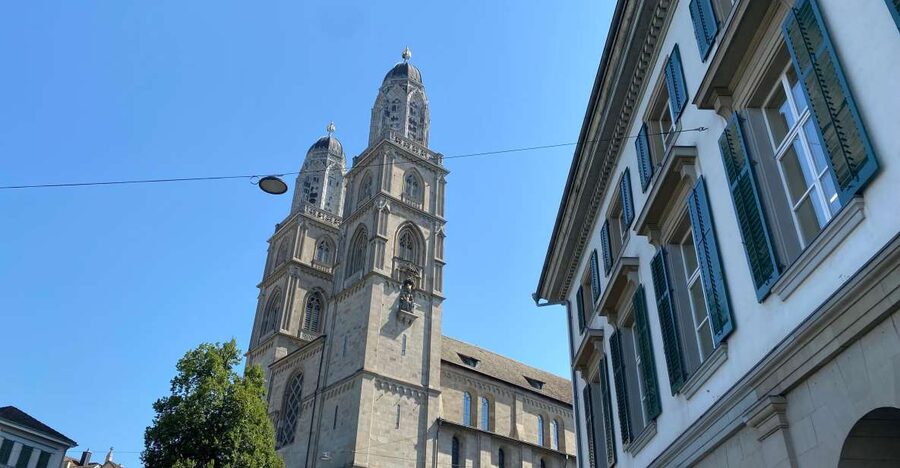
Early in the experience, you’ll be guided through Zurich’s major public and commercial spaces, including Paradeplatz and Bahnhofstrasse. These are not just “pretty streets.” They’re the places where Zurich’s public life is visible.
In a self-guided tour, it’s useful when the stops are easy to identify. Paradeplatz and Bahnhofstrasse are exactly that kind of anchor: you can spot them without needing detective skills. That makes the audio tour feel smoother because you spend less time searching and more time listening.
This is also where the tour’s theme starts to work. The narration doesn’t treat landmarks like isolated postcards. Instead, the guide connects places to stories about people and power, including good decisions, harmful ones, and the intrigue that sometimes sits just under the surface of a city’s polished look.
If you like your city tours organized, this section gives you an immediate sense of direction: you’re walking through recognizable “center stage” areas while the guide explains what to notice next.
City Hall and the Lindenhof viewpoint area: Old civic energy
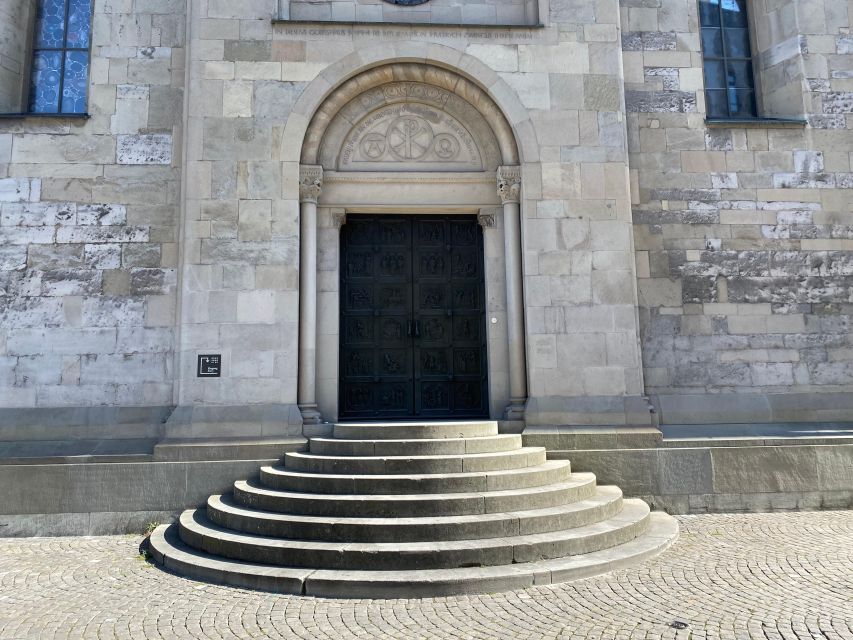
As you move along the route, you’ll come across City Hall and Lindenhof. These kinds of stops are valuable because they’re about civic identity, not just architecture.
Even if you don’t know Zurich’s details going in, you can still follow the logic of the stories. City Hall represents governance and public decisions. Lindenhof represents perspective and place in the city. When the audio guide ties human stories to these spaces, you start to understand Zurich as a series of choices made by real people.
One perk of having “main stops” like this is that you get breaks from constant navigation. You can look up, orient yourself, and then keep going. That makes a big difference during a 2 to 2.5 hour experience where you want your mind to stay engaged rather than split between listening and hunting for directions.
Zurich’s iconic churches: Grossmünster, Fraumünster, St. Peter’s, and Water Church

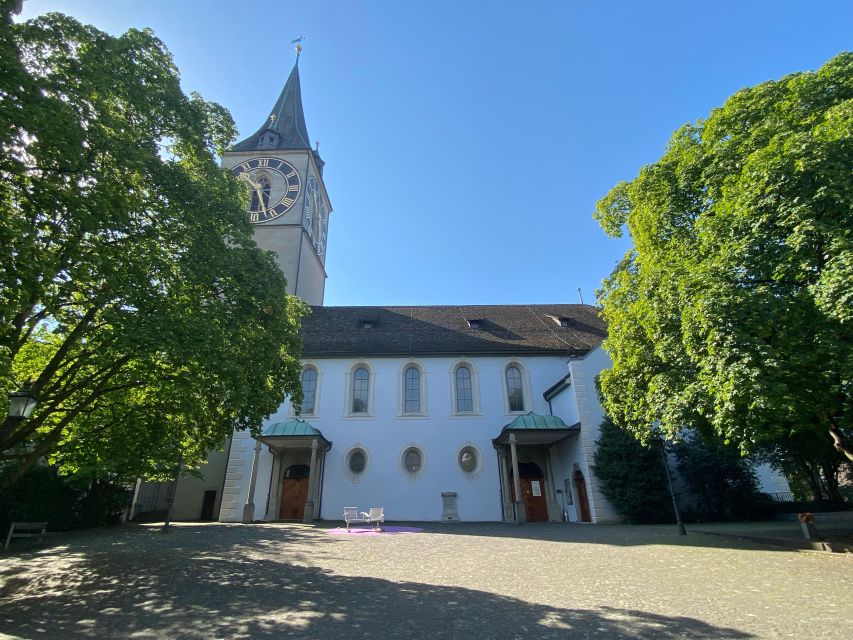
You’ll visit iconic landmarks including Grossmünster, Fraumünster, St. Peter’s Church, and Water Church. Churches like these tend to function as city symbols, and this tour uses them that way.
Instead of turning this into a purely architectural walkthrough, the audio guide focuses on people and themes—how individuals lived, what they believed, and what happened when ideas collided with reality. The tour even signals that some topics are sensitive and thought-provoking, not just cheerful “fact-of-the-day” content.
That’s a good match for the churches because they’re often treated as timeless. The guide flips that idea by placing past inhabitants into the foreground, including stories of those who did good and evil, fought for power, prevented bloodshed, and—at times—ended up with tragic outcomes.
If you want a tour where the story has emotional weight, this church cluster is a strong section.
Roman Baths and Water Church area: When the past feels physical
The route also includes Roman Baths. This stop is a nice contrast because it adds a different layer to Zurich’s timeline. It’s the kind of place that reminds you a city is never new; it’s rebuilt on earlier foundations.
What makes this work in a self-guided format is the way the audio tour uses each stop to anchor a specific set of stories. You’re not just learning that “this is old.” You’re getting a narrative reason to care—because the audio treats these places as settings where people made real decisions.
The practical upside: stops like this tend to be memorable visually. If you’ve got photo directions and you’re following an ordered plan, you’re more likely to connect what you see with what you hear.
Cabaret Voltaire and Lenin’s House: Ideas, provocation, and controversy
Then come the stops that feel less like postcard Zurich. You’ll pass Cabaret Voltaire and Lenin’s House. Even if you don’t walk in with context, these locations are set up to trigger the tour’s “mirror” theme: the city’s past includes radicals, debates, and high-stakes ideas.
The audio guide frames these stories as more than dates and names. You’ll hear about people who engaged in intrigue, took bold stands, and lived through eras where ideology and power could get dangerous.
This is also where the tour’s “sensitive and thought-provoking topics” approach becomes more than a marketing line. The narration doesn’t just celebrate historic figures. It weighs consequences—who benefitted, who suffered, and why some endings were inevitable while others were might-have-been.
If you like tours that respect nuance, you’ll enjoy this part. If you want a strictly light, breezy experience, you might want to take breaks and save some sections for a later time when you’re in the mood for heavier themes.
Monuments and names you’ll recognize: Escher, Pestalozzi, Zwingli, Waldmann
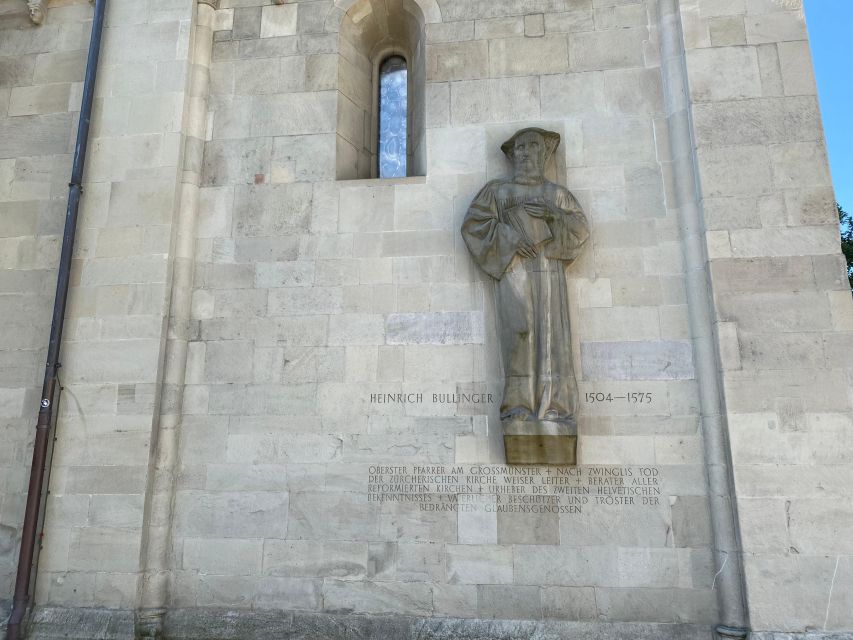
One of the strongest concepts of the tour is how it uses public monuments to attach stories to real people. You’ll see tributes to Alfred Escher, Johann Heinrich Pestalozzi, Ulrich Zwingli, and Hans Waldmann.
This approach is valuable because monuments can otherwise feel like decoration. Here, they become story anchors. Instead of passing by statues with no context, the audio gives you a reason to look closer and connect names with what the city did and didn’t choose to do in the past.
It also supports a balanced understanding. The tour doesn’t frame every figure as a hero. It includes accounts of courage and humanity, but also darker threads like executions and tragedy. That’s the “mirror” idea made practical: Zurich isn’t only a place of achievement. It’s a place where human flaws were part of the outcome.
Guild houses and the Masonic Lodge: Power in the middle layers
Another thread you’ll experience is the role of organized groups and institutions. The route includes buildings representing the Guilds of Millers, Bakers, Salt and Spice Merchants, and the Masonic Lodge.
This section matters if you want more than the big-tourist story. Guilds and lodges represent the middle layer of influence—social and economic networks that shape everyday life and long-term policy. You may not know what each group did historically before you start, but the audio guide’s storytelling approach helps you see how they fit into Zurich’s broader narrative.
It also helps the tour feel complete. By the time you reach guild and lodge stops, you’ve already visited civic buildings, churches, and famous urban landmarks. Now you get a fuller picture of how a city’s identity is built not only by government and famous figures, but by groups with their own interests.
Art and viewpoints: Ganymed, Pavilion, and Urania Observatory
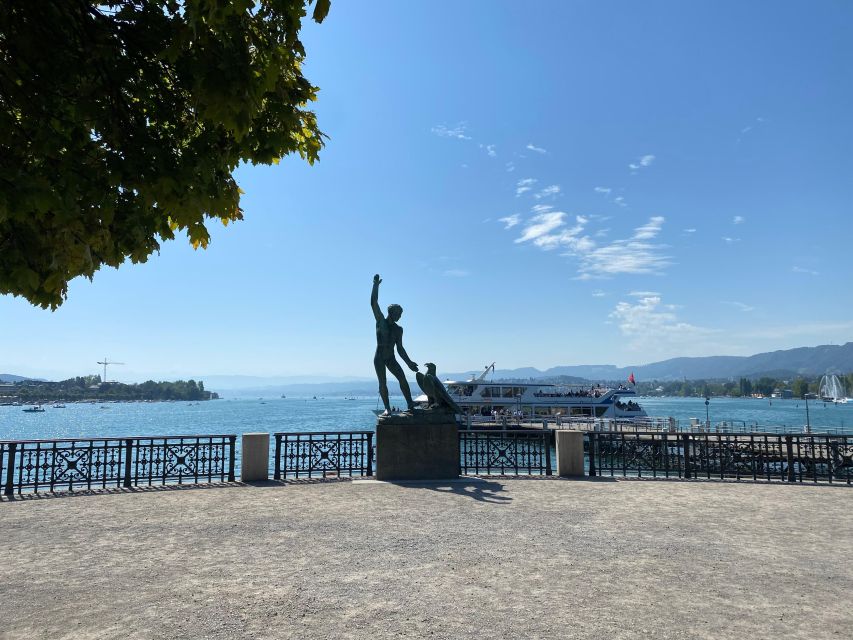
You’ll also encounter Ganymed and Pavilion sculptures and end up at Urania Observatory. Art and viewpoint stops are a smart pairing because they give your brain somewhere to rest.
Even when the stories get serious, a sculpture or observatory pause lets you reset. You’re not just listening; you’re looking. You can check your bearings, absorb the setting, and then continue with the narration.
Urania Observatory also adds a “you’re in Zurich” payoff. It’s one of those stops that gives the city scale. When the audio guide brings you to places like this, it’s basically telling you: don’t just read the past, also look at where it sits now.
What works best if you like structure (and what might annoy you)
The best aspect of this tour is that it respects your time and attention. The audio is clear, the English is easy to follow, and the directions are supported with photos and detailed guidance.
It also works well if you want control. You’re not stuck in a group schedule. You can slow down when a story hits, or speed up if a stop doesn’t catch your attention.
A potential drawback is how dependent it is on your phone. One low-rated experience points out that the photo and direction material can feel improvable, and another highlights the danger of expecting help from an info center at the station. My advice is simple: treat the tour as a phone-based product, not a meet-and-assist tour. Keep your connection stable, and have a map app available just in case you want extra confirmation while you walk.
Timing: how to pace 2 to 2.5 hours without rushing
A 2 to 2.5 hour tour is a good length for central Zurich. It’s enough time to cover lots of headline stops without it feeling like a full-day mission.
Here’s how I’d pace it:
- Start promptly from Bahnhofplatz so you don’t bleed time into delays
- Plan to spend extra time at the church and viewpoint-type stops
- Don’t try to speed through every stop. If the narration is clear, let it land
If you keep a calm pace, you’ll finish feeling like you learned more than what a quick walk-by would have given you.
Who this audio tour suits best
This is a strong choice if you:
- Want a self-guided Zurich route that hits the main sights
- Prefer English narration that stays understandable
- Like history stories that include uncomfortable parts, not only polished highlights
- Enjoy exploring at your own speed with a guided structure
It may not suit you as well if you need a live guide, rely heavily on in-person help for navigation, or you need wheelchair-friendly routing.
Practical tips before you buy
A few small things make a big difference:
- Bring headphones you know work
- Charge your smartphone fully and carry a power buffer if you have one
- Make sure you can access the link right at the start at Bahnhofplatz
- Use the photo directions, but feel free to cross-check with your preferred map app if you like extra confidence
That’s the difference between a tour that feels like a smooth city walk and one that feels like constant troubleshooting.
Should you book this Zurich in the Mirror of the Past tour?
I’d book it if you want Zurich’s famous landmarks plus a story-driven approach that treats the city like a real place shaped by real people, including complicated ones. At $13, the value is strongest when you use the audio guide as intended: on a charged phone with headphones, following the photo-supported route.
Don’t book it if you want a live guide experience or if you’re likely to rely on an information desk being open and staffed. This tour is meant to run on your device.
If you match the format—phone-ready, curious about people and power, and happy to walk between recognizable center-city sights—you’ll likely leave Zurich feeling like you saw more than buildings. You’ll understand how the past still talks back from the streets.
FAQ
Where does the tour start?
The tour starts at Bahnhofplatz in Zurich.
How long is the Zurich in the Mirror of the Past audio tour?
It takes about 2 to 2.5 hours.
Is there a live guide with this experience?
No. It is self-guided. You use a link provided after booking.
What do I need to bring?
You should bring headphones, a charged smartphone, and internet access.
What language is the audio guide in?
The audio guide is in English.
Is the tour suitable for wheelchair users?
No, it is listed as not suitable for wheelchair users.
How much does it cost and for how long can I use it?
The price is $13 per person, and it’s valid for 365 days.