REVIEW · SIENA
Siena Medieval Power Quest: Self-Guided Family Feud Game
Book on Viator →Operated by Questo · Bookable on Viator
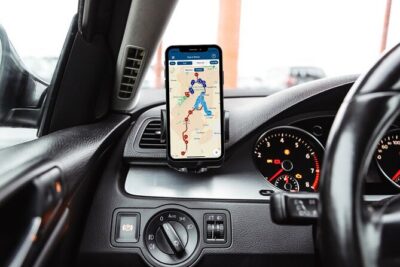
Siena turns into a game board. I love the offline-friendly app that lets you keep going even when your connection is unreliable, and I also like the self-paced route that stitches together major sights into one walk. One caution: the whole experience depends on the app working, so make sure your account setup matches your booking email before you start.
What makes this feel practical in Siena is that the story gives you next steps, but it does not trap you in a tight schedule. The quest is built to pause and resume, so you can take breaks in the shade, stop for a drink, or linger at a viewpoint without falling behind. The experience is offered in English, and it’s priced at $7.20 per person, which is a big part of the appeal if you want structure without paying for a guide.
In This Review
- Key things I’d plan around before you start
- Why this Siena game feels different from a normal walk
- Price and value: $7.20 per person for a guided route without a guide
- Start at Piazza del Duomo: your first clue and the fastest way to stay on track
- Duomo di Siena and Santa Maria della Scala: solving in the cathedral area, then switching gears
- Palazzo Chigi-Saracini, Piazza del Campo, and Fonte Gaia: the route’s most fun momentum
- Palazzo Tolomei and the finish near Banca Monte dei Paschi di Siena: how it wraps up
- Best use cases: who this works for (and who should tweak expectations)
- Practical tips to avoid the common app headaches
- How long should you plan for?
- Should you book the Siena Medieval Power Quest?
Key things I’d plan around before you start

- Offline play means you can rely on the quest even if data is spotty.
- A 9-challenge story arc keeps the route moving from start to finish.
- Pause/resume at any time helps when the heat hits or kids need a reset.
- 24-hour customer support can save you if a clue doesn’t make sense.
- Hints are built in, so you’re not forced to grind on one puzzle forever.
- English is provided, but if translation quality matters to you, be ready to use context clues.
Why this Siena game feels different from a normal walk
This is not a “look at this building” tour. It’s a scavenger hunt wrapped in a medieval family feud theme, where each solved puzzle hands you the next piece of story and the next set of directions.
That format does two things really well for you. First, it turns your attention outward. Instead of just trying to cover ground, you’re scanning for clues, noticing textures and details along the route. Second, it controls the pace without controlling you. You can stop for as long as you like, then pick back up when you’re ready.
The best part is how well it fits Siena’s rhythm. The center is walkable, but it can still feel tiring when you’re doing back-to-back viewpoints. This game breaks that monotony: your phone becomes a guide in the moments you’d otherwise wander with no plan, then it fades back as you slow down and enjoy.
My main concern is technical. When people are frustrated with this kind of app experience, it usually comes down to the app not loading or not showing the quest for the account you’re using. If you keep your phone charged and double-check your sign-in email setup, you’ll be in much better shape.
You can also read our reviews of more tours and experiences in Siena.
Price and value: $7.20 per person for a guided route without a guide
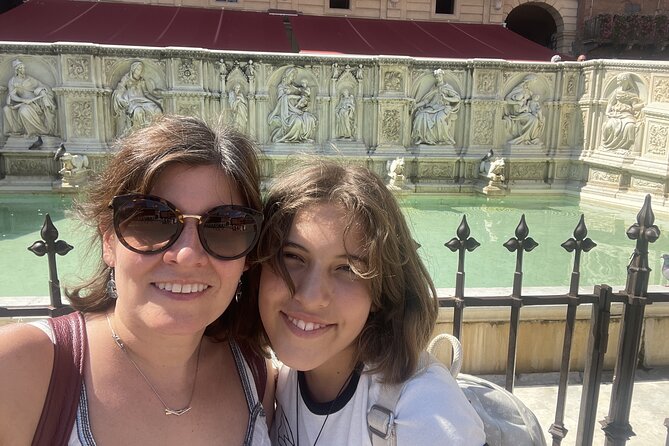
At $7.20 per person, the math is simple. You’re paying for a self-guided structure: mobile access, a story, and 9 puzzle-based challenges that map your walk through Siena’s big landmarks.
You’re not paying for a human guide, and that’s a feature here. You get flexibility, but you also miss out on live explanations. If you like having a person translate the city into clear context, you’ll still enjoy the walk, but you may want to pair it with a little extra reading from signage or a guidebook at your own stops.
On the value side, it’s also a good match if you’re traveling with teens. One of the strongest themes in the positive feedback is that kids who were starting to lose interest suddenly got their energy back when the phone became the “mission control.” If your group includes a mix of ages, this kind of quest can help everyone stay engaged without turning it into a lecture.
Start at Piazza del Duomo: your first clue and the fastest way to stay on track
You begin in Piazza del Duomo (53100 Siena). That matters because it puts you right at the emotional center of Siena: the cathedral complex area, where the game’s story kicks off and the first challenge appears.
Practical tip: before you step away from your hotel, download the app and check that the quest is visible under the correct account. If the quest doesn’t show up, it’s not the city’s fault. It’s usually an account mismatch. Getting that fixed early saves you from losing time while you’re already in the sun.
The early phase is also where you learn how to move through the experience. The pattern is straightforward:
- You receive a clue.
- You solve it.
- Solving reveals directions for the next stop.
- You can pause while you explore, then continue when you’re ready.
If you’re the type who gets antsy when instructions are vague, you’ll likely be fine. The quest keeps your direction clear. If you’re the type who loves wandering without any structure, you might feel the game is a little “hands-on.” Either way, it’s built to keep you moving.
Duomo di Siena and Santa Maria della Scala: solving in the cathedral area, then switching gears

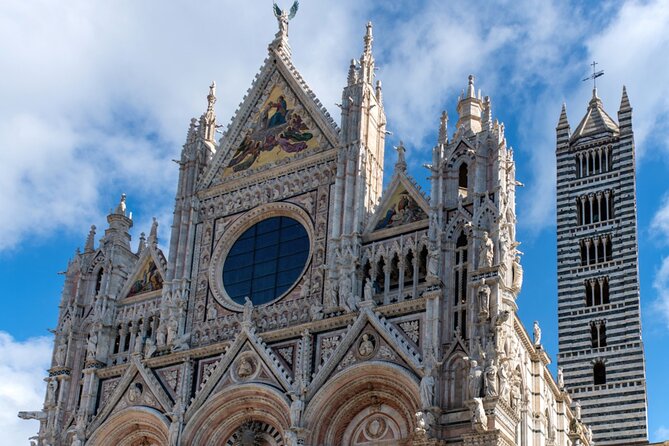
After your first clue, the story leads you into the Duomo di Siena area with a new challenge. This is a key stretch because it blends sightseeing with puzzle-solving right where you would normally just look around.
One detail that pops up in the feedback: at the cathedral area, people enjoyed word-style clues, including deciphering elements connected to the Duomo floor. That kind of task makes you slow down and look more carefully at what’s in front of you, not just what you’ve read in a postcard.
Then the next stop takes you to Santa Maria della Scala. Even without a live guide explaining everything, this shift is useful. It keeps the walk from becoming repetitive. You move from the most famous cathedral focus into a different atmosphere, which gives you a breather and a new set of puzzle directions.
Here’s the consideration I’d keep in mind: this is not designed to be a deep academic history experience. If you want extra context, treat the game as your “engagement layer,” then add your own reading afterward.
Palazzo Chigi-Saracini, Piazza del Campo, and Fonte Gaia: the route’s most fun momentum
The quest continues with stops that match Siena’s biggest “wow” spaces: Palazzo Chigi-Saracini, Piazza del Campo, and Fonte Gaia.
This part of the walk tends to be where the game really pays off. You’ve already established how the app works, so now your effort goes into solving rather than figuring out the mechanics. Also, these are places where people naturally want photos and pauses. The quest’s pause/resume style fits that perfectly. You can solve, walk a bit, then step back to enjoy the view without racing.
For Piazza del Campo, the game gives you another clue-based challenge that keeps you engaged while you’re in one of the city’s most iconic squares. For Fonte Gaia, you’ll get a new clue before continuing. In other words: you don’t just “pass through” these landmarks. You have a reason to focus your attention there.
If you hit a tricky puzzle in this middle stretch, don’t panic. Hints are part of the experience. That’s important because the people who liked the game most often said that when challenges felt difficult, the hints helped them get back into the flow. You’re aiming for steady progress, not stubbornly brute-forcing one clue for an hour.
Palazzo Tolomei and the finish near Banca Monte dei Paschi di Siena: how it wraps up
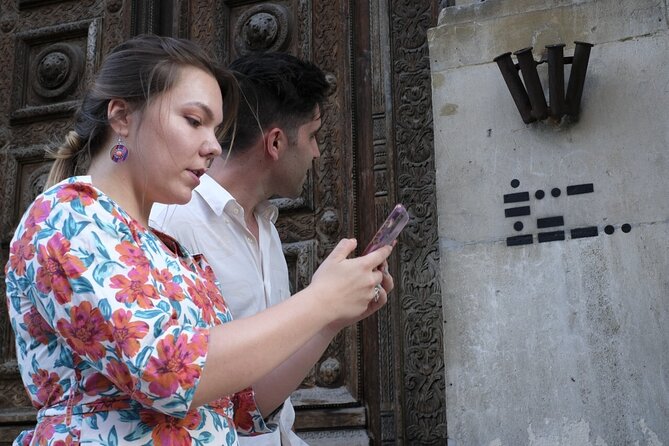
The last phase brings you to Palazzo Tolomei and the quest finish near Banca Monte dei Paschi di Siena.
One logistical note: the end location is listed as Palazzo Tolomei (Piazza Tolomei 12), and the final stop is described as ending at Banca Monte dei Paschi di Siena. In practice, these are both within the same central area, so you should be able to close out the game and then keep your day going without a big geographic re-plan.
What I like about ending at a major, easy-to-find point is that it reduces stress. You know where you started, you know where you’re finishing, and the walk has a clear arc.
Best use cases: who this works for (and who should tweak expectations)
This style of self-guided family feud game shines when your group wants:
- A fun structure for walking Siena independently.
- A reason to pay attention to details instead of just checking boxes.
- Something that works well for mixed ages, especially when kids are getting tired of nonstop sightseeing.
It’s also a solid choice if your plan includes heat. The pause/resume flexibility helps you step out of the sun, regroup, and come back when you’re ready. One of the most practical benefits mentioned in the feedback is that the quest can restart the energy level of younger travelers when they’re ready to slow down.
The main “not for everyone” scenario is when you strongly prefer deep explanations. If you want a guided narrative from a person, the quest won’t replace that. It’s a game that leads you through stops and gives you puzzles, not a full commentary tour.
And if you’re sensitive to app friction, keep expectations realistic. Some people experienced issues with the app not loading or challenges with accessing the quest. If that happens, the experience still has support available, but you may lose a chunk of time while troubleshooting.
Practical tips to avoid the common app headaches
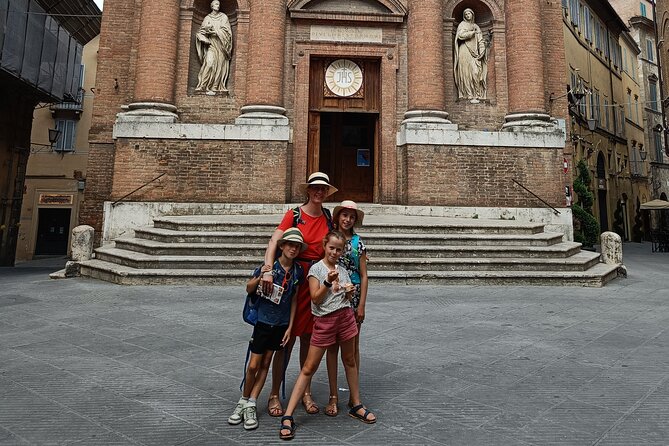
Based on the issues people reported and the help guidance you’ll likely need, here are the smartest prep steps:
- Charge your phone. You’ll be using the app continuously for clues and directions.
- Check the account email. If your quest doesn’t show, verify you created or logged in with the same email used for booking.
- Start early enough to troubleshoot. If something goes wrong, you’ll want daylight and time to sort it out.
- Use the built-in hints. They’re there for a reason, and they keep the game from turning into frustration.
- Know how to reach support. There’s 24/7 customer support, including help through the app/website chat function and via email at [email protected].
If you do all of the above, you’ll turn this into a smooth self-guided afternoon instead of an hour-long fight with a screen.
How long should you plan for?
The duration is listed at about 1 hour to 1 hour 30 minutes. In real terms, that’s a good target if you:
- solve at a normal pace,
- pause a bit for photos,
- and don’t linger too long at every single stop.
If your group likes to take breaks, you can stretch it. The app is built for pause/resume, so longer stops are fine as long as everyone stays comfortable with the overall timeline.
Also keep in mind this is a private activity for your group only. That can be great for families because you’re not dealing with a big queue of strangers, but it also means you’re the group’s decision-makers—so decide early who holds the phone.
Should you book the Siena Medieval Power Quest?
Yes, if you want an affordable, self-guided way to cover major Siena landmarks while keeping your group entertained. I’d especially recommend it for families with teens or for anyone who gets tired of walking in circles with no plan.
Skip it or adjust expectations if you’re looking for a guided, in-depth historical explanation from a person. This is a puzzle-and-story route first. Also, if you know you’ll be stressed by tech glitches, plan your start time carefully and keep your phone charged.
If you want the best odds of a smooth experience, start with the app fully ready, sign in correctly, then enjoy the game as your structured excuse to see Siena’s big spaces up close.