REVIEW · SIENA
Tuscany: Self-Guided Video Tour with World’s Top Experts
Book on GetYourGuide →Operated by AppyGuide · Bookable on GetYourGuide
Tuscany, in headphones and bite-size stories. AppyGuide turns the region’s art and history into 70+ English video stops you can mix and match across Florence and towns like Siena and Lucca, without a group schedule. The key idea is simple: you stream expert-led stories as you walk, then you keep going at your own pace.
What I like most is the format. Instead of long lectures, you get short video chapters built to help you get your bearings fast—so a cathedral façade, a museum room, or a quiet street corner makes sense while you’re there. I also really like the range, from big-name places to smaller towns such as Montepulciano and Volterra, plus Florence coverage that includes everything from major museums to secret alleys.
One consideration: because the audio is streamed in real time, you need a stable 5G or LTE connection. If your signal is spotty, the experience will slow down.
In This Review
- Key highlights you should care about
- How the 70+ video stories actually guide you (without a group plan)
- Florence all-day value: museums, streets, and quick context
- Siena and Pisa: when you want big names with better meaning
- Lucca: the city that rewards slow listening
- Arezzo, Cortona, and Volterra: learning works better in smaller cities
- Montepulciano and Pienza: use the winemaking stories with the landscape in mind
- Montalcino, Pistoia, Carmignano, and the hill-country rhythm
- Monteriggioni, Sovana, Pitigliano, and other smaller stops
- Practical prep: headphones, power bank, and the 5G/LTE reality
- Price and value: $45 for 70+ experts, but only if you’ll use it
- Accessibility and who should skip this format
- Should you book this Tuscany self-guided video tour?
- FAQ
- How much does the Tuscany self-guided video tour cost?
- What do I need to use the video stories?
- Does this tour work with any mobile data speed?
- Is it a guided group tour with a set route?
- What’s included with the purchase?
- How long can I replay the content?
- Are museum or attraction entry fees included?
- Can I cancel and get a refund?
- Is it wheelchair accessible, and is it suitable for kids or hearing-impaired visitors?
Key highlights you should care about
- 70+ English narrated video stories that you can use across both Tuscany and Florence
- Real-time streaming via AppyGuide’s website, so you’ll want solid mobile data
- Unlimited replays for three months after purchase, which is great for repeat days (or a future trip)
- A mix of iconic cities and smaller towns, including Siena, Pisa, Lucca, Arezzo, Montepulciano, Pienza, Montalcino, Volterra, and Cortona
- Includes video content for all of Florence, from major museums to smaller street finds
- Wheelchair accessible, but it isn’t suitable for hearing-impaired visitors and it’s not aimed at kids under 13
How the 70+ video stories actually guide you (without a group plan)
This is a self-guided video tour, which changes how you should think about Tuscany. You’re not marching to a fixed route. Instead, you choose a string of places from their list, press play when you arrive, and let the videos explain what you’re seeing.
The big win here is pacing. You can stay longer where something grabs you, then move on when you’re ready. That matters in Tuscany, where one afternoon might be all stone streets and church façades, and the next might be a slow stretch of hill views and local food stops. With video stories, you can match the explanation to the exact moment you’re standing in front of something.
Another practical point: the content is delivered in English and narrated by expert historians and presenters. The tour is designed for learning on the move, not for reading a book in your hotel room. If you like understanding art and context while you’re looking at it, this format fits.
You’ll need one more ingredient for it to work smoothly: headphones and a charged phone. The tour streams through a device rather than offline playback, so plan on being ready to listen for a while.
You can also read our reviews of more tours and experiences in Siena.


Florence all-day value: museums, streets, and quick context
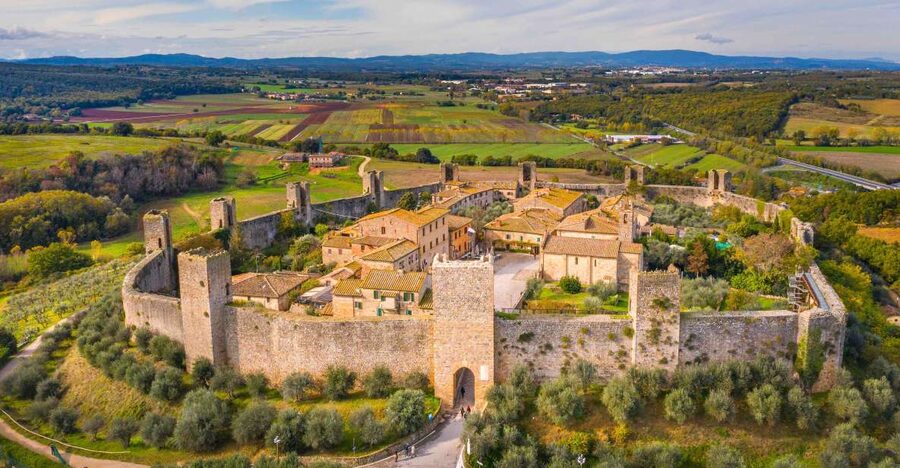
Florence is where a “smart listening” approach really pays off. The tour includes video content for the entire city of Florence, covering both world-known museums and smaller, quieter alleys. That’s useful because Florence can feel endless if you’re trying to learn from scratch.
Here’s how I’d use it: pick one museum or major site as your anchor, then build a short loop around it using the street stories. For example, if you’re spending time in the area of big church interiors and art-heavy sights, the videos can help you understand the why behind what you see—so you’re not just ticking boxes.
The app’s usefulness shows in how it helps you spot specific places you might otherwise miss. In one account, the person mentioned finding Cappella Brancacci and the Last Supper through the app while in Florence. Even if those aren’t your exact choices, that’s the kind of benefit you can expect: not just explaining famous landmarks, but helping you locate and prioritize what matters.
A quick tip: don’t try to “audio cram” Florence. Use the videos in the rooms or streets where you’re looking at something detailed, then save your walking time for enjoying the city.
Siena and Pisa: when you want big names with better meaning
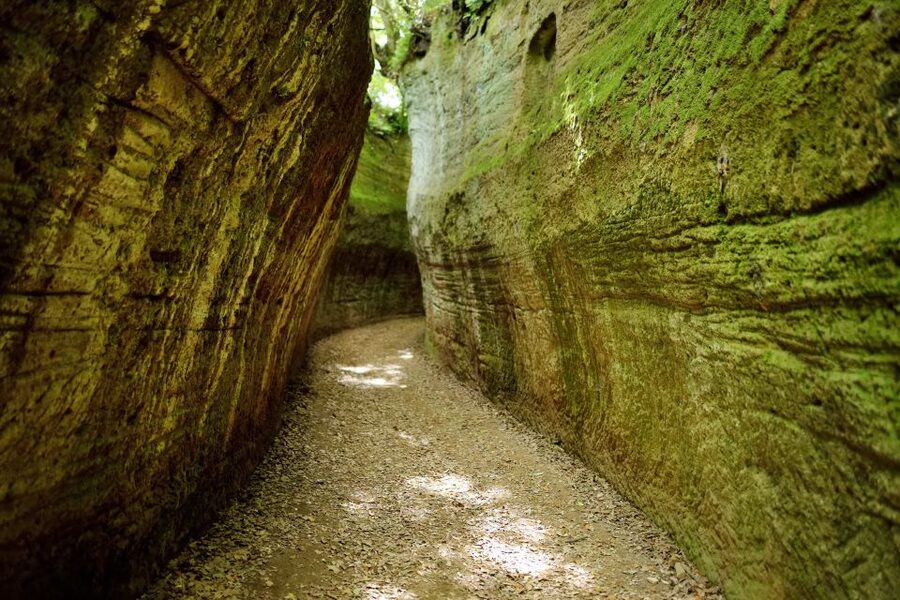
Siena and Pisa are classic Tuscany stops for a reason. They’re the kind of places where your eyes land on stone details, artwork, and architecture almost immediately. The tour’s bite-sized structure helps you avoid the common problem: wandering past highlights without understanding what makes them important.
With Siena, you’ll get video stories aimed at art, history, and local culture. That’s exactly what you need because Siena’s character isn’t only in one famous viewpoint—it’s in how the city feels and how its landmarks connect to broader art and historical themes.
With Pisa, the same strategy works well. Look, listen, then look again. The videos give you background so that when you notice something specific—a design detail, a building style, a historical reference—you’ll know what you’re seeing and why it matters.
One practical drawback to keep in mind: if you’re traveling with limited mobile data, these cities can involve a lot of walking in mixed-signal areas. Since the tour requires real-time streaming, it’s worth checking your connectivity before you commit to a longer session.
Lucca: the city that rewards slow listening
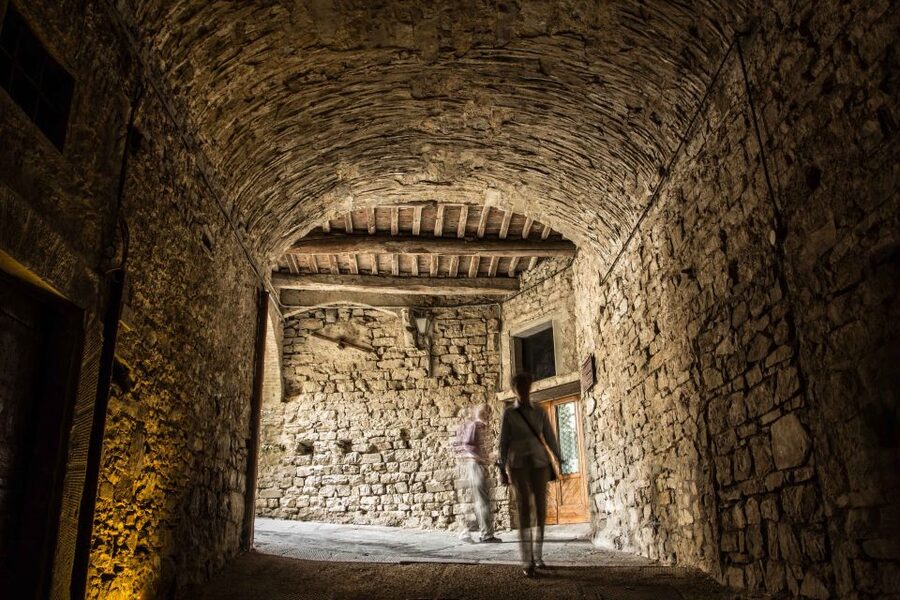
Lucca often works best when you let it unfold. The tour includes it as part of the Tuscany route, and you’ll get expert-led video stories that tie art and history to the everyday feel of the place.
My advice for Lucca is to use the videos as “chapters” rather than a constant soundtrack. Start one story when you arrive at a landmark, then pause the phone audio as you take a quieter stretch of time to just watch the streets and people flow. Lucca tends to feel more enjoyable when you don’t treat it like a checklist.
If your travel style is the type that wants context but still values walking and lingering, Lucca is an ideal match for this kind of guided-by-video approach.
Arezzo, Cortona, and Volterra: learning works better in smaller cities
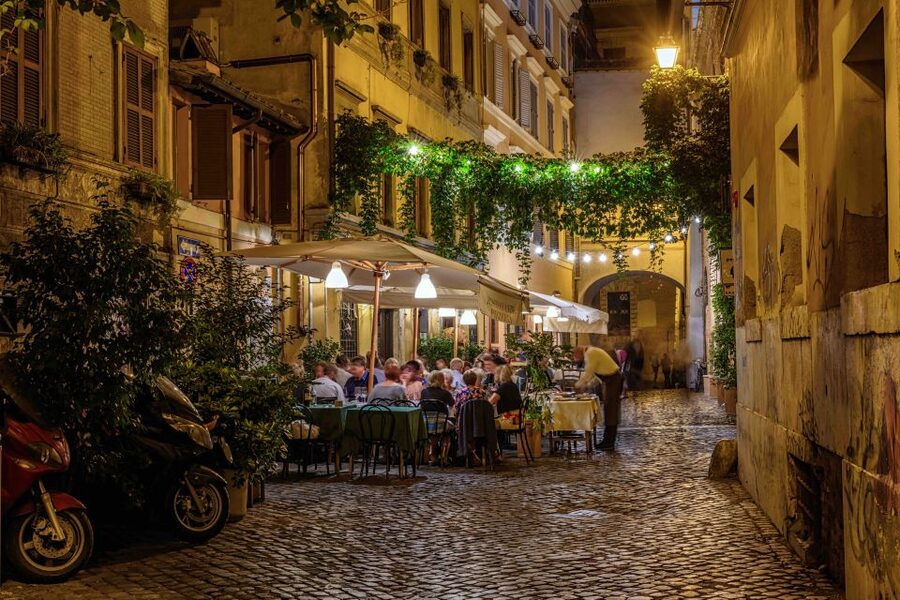
The tour also covers towns like Arezzo, Cortona, and Volterra. These can be a great choice if you want Tuscany without the constant crowd pressure that shows up in the biggest hotspots.
In these towns, the value of the video stories is how they help you interpret what you’re looking at. When there’s less “tourist explanation” built into the surroundings, your own understanding fills the gap. The videos focus on art and history, plus local culture, which helps you make sense of landmarks even if you’re not staring at a single mega-attraction all day.
This is where the self-guided nature shines. You can spend half a day if that’s all you want, or take it slow for longer, depending on how the town feels to you. The tour format supports both styles.
Montepulciano and Pienza: use the winemaking stories with the landscape in mind

The tour includes content on local culinary and winemaking tales, and that fits perfectly with the towns of Montepulciano and Pienza (and nearby stops in the same area of Tuscany).
Here’s the key idea for value: food and wine stories aren’t just “fun facts.” They help you connect what you’re eating to local history and culture. So if you’re tasting a regional product (even casually), the video context makes it feel more meaningful.
I’d plan it like this:
- Use a story before your meal to understand what you’re about to taste.
- Reuse another story afterward when you’re thinking back on flavors and traditions.
That replay option matters. You might want to revisit a section once you’ve learned more, or once you’ve tasted something and your brain can match it to the explanation.
Montalcino, Pistoia, Carmignano, and the hill-country rhythm

The tour includes additional Tuscany towns such as Montalcino, Pistoia, and Carmignano. Even without a fixed schedule, these stops tend to create a natural rhythm: you travel between places, then you spend time listening while you’re surrounded by stone, sightlines, and small-town energy.
Because the content covers art, history, local culture, and also food-and-wine themes, you can keep the learning thread going as you move from one hill town to the next. It’s the kind of structure that makes a road trip feel more intentional.
One practical note: streaming in rural stretches can be unpredictable. If you’re moving around by car, plan a quick “data refresh” before you go dark between towns. Having a reliable 5G/LTE signal will keep your videos flowing.
Monteriggioni, Sovana, Pitigliano, and other smaller stops

The tour list also includes towns like Monteriggioni, Sovana, and Pitigliano, plus places such as Pistoia and Carmignano. These smaller stops are especially good for people who enjoy discovering Tuscany in layers, not just in headline landmarks.
The videos help you do that by providing context around art and history in a setting where you might otherwise feel like you need a guide to know what you’re seeing. With bite-size video chapters, it’s easier to keep learning even when your day is mostly walking, café breaks, and photo stops.
If you’re the type who likes to detour—this is your friend. Choose one or two small towns to pair with one larger anchor day (like Florence or Siena), and you’ll end up with a balanced trip.
Practical prep: headphones, power bank, and the 5G/LTE reality
Let’s talk about what can make or break your experience: internet speed and device readiness.
AppyGuide audio tours are accessed through their website and streamed in real time. The tour notes that stable 5G or LTE is required, and that 2G/3G speeds are not sufficient for the content delivery. Translation: if you’re relying on slow networks, expect buffering or failed playback.
Before you start:
- Bring headphones (this is a must for the best experience).
- Use a charged smartphone.
- Consider a power bank if you’ll be out for hours.
- Make sure you have stable 5G/LTE coverage for the parts of the day you’ll use videos.
This also affects how you should schedule your listening. If you can, use your longer story sessions in areas where the signal is strongest. Then keep your walking time flexible when reception drops.
Price and value: $45 for 70+ experts, but only if you’ll use it
At $45 per person for the Tuscany experience, the value depends on your listening style and how many places you actually cover.
Here’s what you’re buying:
- 70+ English narrated video stories
- Coverage across Florence and multiple Tuscany cities/towns
- Unlimited replays for three months from the moment of purchase
- Instant access after purchase (and you can reserve and pay later)
That replay window is quietly important. You’re not limited to one watch-through. If you’re doing Tuscany on a longer trip, you can revisit stories for places you didn’t have time for the first day, or replay a section after you’ve learned more.
The main cost consideration is not money—it’s device and data. Since entry fees aren’t included, you’ll still pay for museums or attractions directly. But for the educational side, $45 can be a solid deal if you’re using the videos across more than a couple of stops.
Accessibility and who should skip this format
The tour is wheelchair accessible, which is good to know. However, it’s not suitable for hearing-impaired people, and it’s not aimed at children under 13.
Also, because it’s streamed on a smartphone or other device and requires real-time internet, it may not work well for people who want offline audio options or who reliably can’t get 5G/LTE while out walking.
Should you book this Tuscany self-guided video tour?
Yes, if you want Tuscany with context and you like learning while you walk. You’ll probably enjoy this most if you plan to hit multiple places—especially Florence plus several cities like Siena, Pisa, Lucca, and at least a couple of smaller towns (Cortona, Volterra, Montepulciano, or similar).
I’d skip it if your mobile signal is usually unreliable, or if you want a tour that works without streaming. Since the videos are delivered in real time, your coverage matters as much as your itinerary.
If you do book, my best advice is to commit to a simple listening habit: use the videos when you arrive at a highlight, then turn them off to actually experience the streets. That mix is where the value shows up.
FAQ
How much does the Tuscany self-guided video tour cost?
It costs $45 per person.
What do I need to use the video stories?
You’ll need a smartphone or another device to access the audio guides, plus headphones, a charged phone, and internet access. A power bank is also recommended for longer outings.
Does this tour work with any mobile data speed?
No. The tour requires a stable 5G or LTE connection. 2G and 3G speeds are not sufficient for the content streaming.
Is it a guided group tour with a set route?
No. It’s self-guided, so you set your own itinerary and can start and finish whenever you want.
What’s included with the purchase?
You get 70+ English narrated video stories, coverage across Florence and Tuscany, and content created with expert input from art, history, and local culture specialists.
How long can I replay the content?
You get instant access with unlimited replays for three months from the moment of purchase.
Are museum or attraction entry fees included?
No. Entry fees to museums or attractions are not included.
Can I cancel and get a refund?
Yes. You can cancel up to 24 hours in advance for a full refund.
Is it wheelchair accessible, and is it suitable for kids or hearing-impaired visitors?
It is wheelchair accessible, but it is not suitable for children under 13 and it’s also not suitable for hearing-impaired people.