REVIEW · ALCALA LA REAL
Fortaleza de la Mota Entrance Ticket with Audio Guide
Book on GetYourGuide →Operated by Ciudades Medias del Centro de Andalucía · Bookable on GetYourGuide
Fortress walls with a soundtrack. At La Fortaleza de la Mota in Alcala la Real, you get a ticket plus a free audio guide that helps you make sense of this fortified border stronghold and its medieval layout. I especially love the way the visit is self-paced but still structured, and I like that the audio comes in multiple languages with a kids version too. The main catch: it is not suitable for people with mobility impairments, so plan accordingly if walking would be an issue.
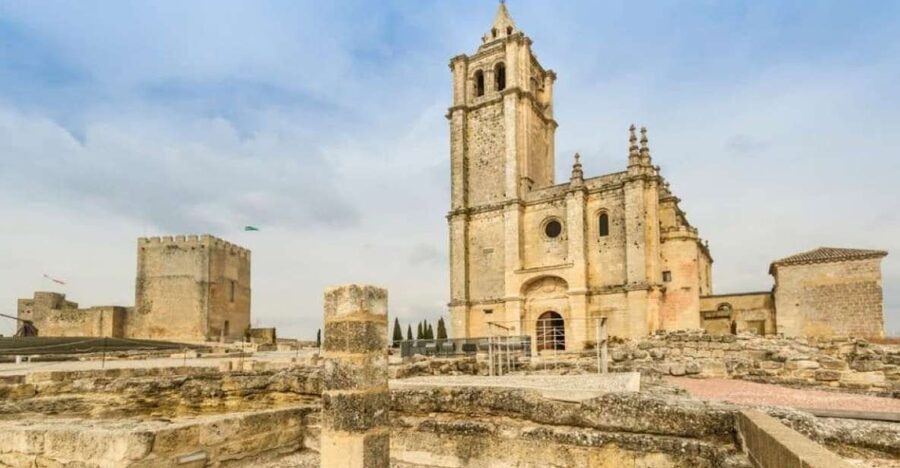
If you’re curious about why this kind of fortress mattered, the monument’s story clicks fast. You’re walking a fortified medieval city built for guarding and defense on Castile’s border character, and the route takes you past major areas like the Alcazaba, the Iglesia Mayor Abacial, wineries, and the Torre de la Cárcel. For about $9 per person and roughly 1.5 hours, it’s a very straightforward way to get real heritage context without eating your whole day.
In This Review
- Key Points at a Glance
- The Ticket Covers More Than Entry
- Entering the Fortified Medieval City at La Fortaleza de la Mota
- Alcazaba and the Feel of a Border Stronghold
- Iglesia Mayor Abacial: The Included Audiovisual Didactic
- Wineries and Torre de la Cárcel: Why Everyday Spaces Matter
- Adarve, Streets, and Houses: Making Sense of the Views and Layout
- Audio Guide Strategy: Use It Like a Tool, Not Background Noise
- Price and Value: Why $9 Works for 1.5 Hours
- Who Should Book This Fortaleza de la Mota Visit?
- Practical Notes That Affect Your Comfort
- Should You Book Fortaleza de la Mota?
- FAQ
- How much is the entrance ticket?
- How long does the visit take?
- Where is this experience located?
- Is an audio guide included?
- What languages are available for the audio guide?
- Is there a map included?
- What is the audiovisual projection, and is it included?
- Are pets allowed?
- Is food allowed inside the monument?
- Is it suitable for people with mobility impairments?
Key Points at a Glance
- Free multi-language audio guide (English, Spanish, French, German, Italian) to follow the route on your own pace
- Monument map included, so you can navigate the fortified “city” layout without guessing
- Iglesia Mayor Abacial audiovisual projection included, shown at set times
- Highlights in one circuit: Alcazaba, Torre de la Cárcel, Adarve, streets, and houses
- A good history stop if you like border fortifications and medieval architecture
The Ticket Covers More Than Entry
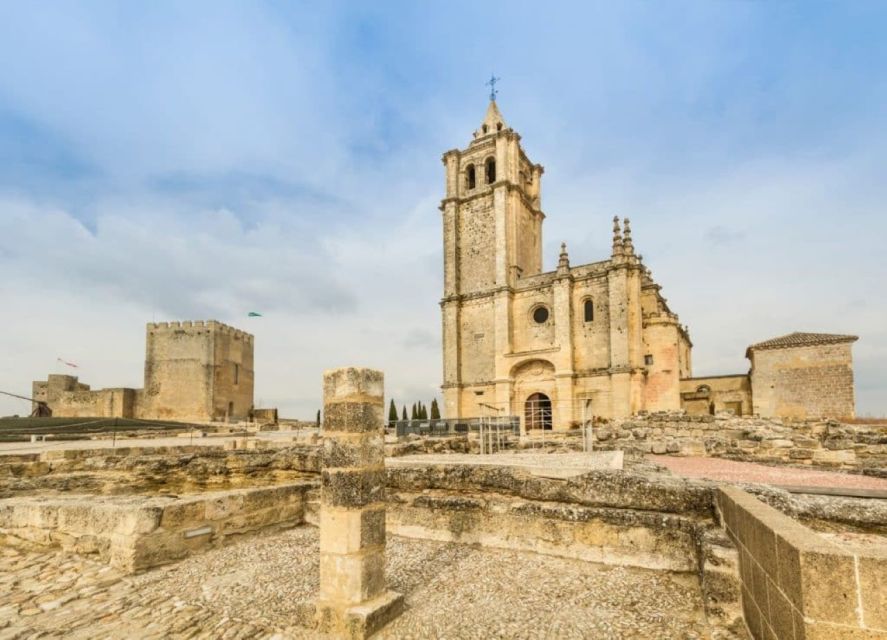
Your Fortaleza de la Mota experience starts with a simple idea: walk the Monumental Complex of the Fortress of La Mota, then let the audio guide translate what you’re seeing into a story. The ticket itself includes everything essential for a smooth visit: admission, a descriptive map, and the audio guide in several languages.
What I like about this setup is that it avoids that common problem where you’re stuck reading plaques from a distance. Here, the audio guide is built for the site, which means you can keep moving and still understand why each section matters. And because you choose the language you need, you’re not forced into a one-size-fits-all explanation.
At about 1.5 hours, this is also a good “slot in the day” activity. You don’t need to build your whole schedule around it, but you do have enough time to actually walk the internal stops and catch the didactic projection when it’s running.
Entering the Fortified Medieval City at La Fortaleza de la Mota
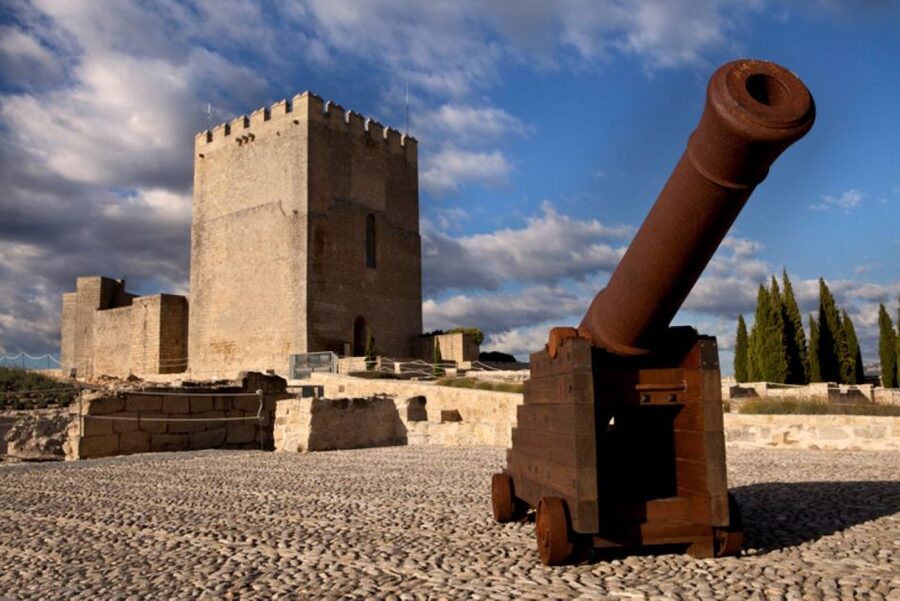
Once you’re inside the fortress complex, you’re not just touring a single building. You’re walking through a fortified medieval city plan, with strategic doors and urban structure built for defense and control.
Expect the route to guide you through a sequence of spaces and viewpoints: dependencies, the urban framework, and then key zones inside the walls. Even without technical background, you’ll start spotting the logic. Fortresses like this were designed so defenders could move, observe, and respond—so the layout often makes you feel the difference between open circulation areas and more controlled spaces.
You’ll also pass through the major areas listed with the ticket:
- Alcazaba
- Iglesia Mayor Abacial
- Wineries
- Torre de la Cárcel
- Adarve
- Streets and houses
I’d treat this as a guided walk where the audio does the teaching. If you listen actively for the first part of the visit, the later sections land better, because you start understanding what you’re actually looking at.
Alcazaba and the Feel of a Border Stronghold
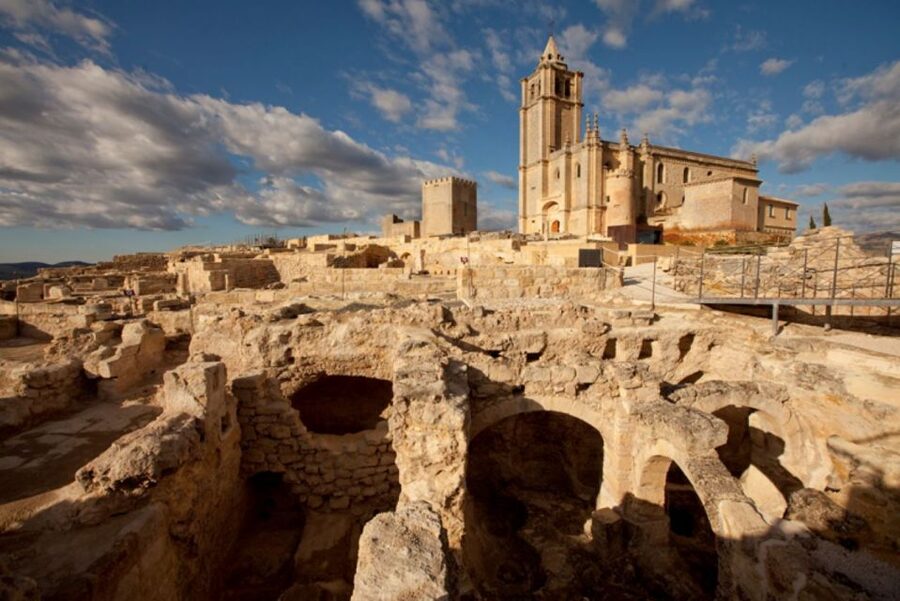
The Alcazaba is one of the big conceptual stops on the circuit, and the audio guide helps you connect it to the fortress’s role as a key guard point for Castile’s border character. That phrasing matters, because it reframes the fortress from a generic medieval castle into something more specific: a hinge location in a defensive landscape.
When you’re inside, look for how the fortress spaces relate to movement and control. Even without getting lost in architectural terms, you’ll get the idea that the walls weren’t built just for aesthetics. They were built for function—security, surveillance, and defense.
This is where the self-paced format really works. You can pause when something catches your eye, then continue when you want to connect the next piece of the story. For me, that flexibility is a big part of why this kind of site tour feels worth it.
Iglesia Mayor Abacial: The Included Audiovisual Didactic
One of the strongest reasons to choose this ticket is that the visit includes a didactic audiovisual projection in the Iglesia Mayor Abacial. It’s not something you have to pay extra for or hunt down separately. The key detail is that it’s projected at different set times.
So here’s your practical approach: plan to be near the Iglesia Mayor Abacial area around when the projection is likely scheduled. The ticket experience is 1.5 hours total, so you don’t want the projection to slip by while you’re still wandering.
What you’ll get from this stop is a structured explanation of the city’s history that complements the walking. It’s ideal if you learn best when you can hear the story and watch it rather than relying only on on-site text. And since this is included, it helps justify the value of the full experience rather than turning it into a simple door-to-door walk.
Wineries and Torre de la Cárcel: Why Everyday Spaces Matter
Not all fortress tours focus on the lived-in parts. Here, you have stops that point to how the complex functioned beyond pure defense. The wineries and the Torre de la Cárcel are both part of the listed circuit, and that balance is useful.
Wineries matter because they connect food and storage realities to the fortress being a functioning place, not just a military shell. You’re getting a sense that life had routines even under defensive pressure.
The Torre de la Cárcel is another helpful contrast. It gives you a direct reminder that fortresses also controlled people and movement. Even if you’re not reading every architectural feature, the audio guide is designed to help you understand why a tower like that fits into the broader defense-and-order system.
If you’re the type who likes sites where the story is practical, these two stops are the kind that make the complex feel more real.
Adarve, Streets, and Houses: Making Sense of the Views and Layout
By the time you reach the Adarve and the internal streets and houses, the visit starts to click as a complete system. The Adarve is a defensive element, but it also changes how you experience space. It’s the kind of area where you understand observation and movement in a more direct way.
Then you move through streets and houses within the fortified environment. This is where you may feel the difference between a museum-style route and something closer to walking a real historic organism. Even if the buildings are old and the details aren’t explained by a guide in person, the audio guide can keep the context steady.
A practical tip: don’t rush this part. Streets and residential areas tend to blur together if you keep moving without listening. If you take short listening breaks, you’ll understand what the audio is trying to connect, and you’ll remember more after you leave.
Audio Guide Strategy: Use It Like a Tool, Not Background Noise
The audio guide is included with your entrance ticket, and it’s available in multiple languages: English, Spanish, French, German, and Italian. There’s also a special version for little ones, which is a nice touch if you’re traveling with kids.
To get the most value, I suggest you use the audio guide actively:
- Start listening early so you understand how the fortress is organized.
- When you reach a major named area in the route, pause your pace a bit and listen to that segment fully.
- Use the included descriptive map to keep your bearings, especially around sections with multiple pathways.
Also note: the experience provider lists host/greeter support in English, Spanish, German, and French. So if something feels unclear at the start, you can usually get help in a language you understand well.
Price and Value: Why $9 Works for 1.5 Hours
At around $9 per person, this is one of those heritage experiences that makes sense for people who want substance without spending big. You’re paying for access to the Monumental Complex plus an audio guide, plus a map and an included audiovisual projection.
That combination matters. Many low-cost tours give you entry but leave you on your own to decode the site. Here, the audio guide and map do that job for you, and the included projection gives you a structured history moment during the 1.5-hour window.
If your day includes a few stops, this one can be the “meaningful one.” It fits well as a focused fortress walk where you come out understanding why this border defense mattered and what you actually saw inside the walls.
Who Should Book This Fortaleza de la Mota Visit?
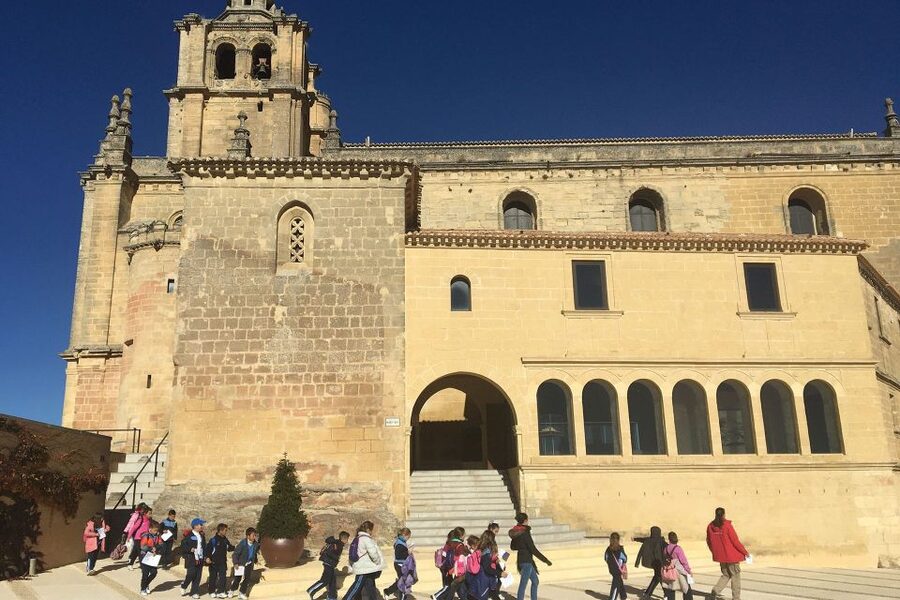
This is a strong match for:
- History and heritage lovers who enjoy medieval fortifications and how they worked
- People who prefer self-paced touring with audio support
- Families with kids who can use the special kid version of the audio guide
- Travelers who like multi-part sites (streets, towers, and the main church area with a projection)
It’s less of a match if:
- You need step-free access or have mobility limitations, since it is not suitable for people with mobility impairments
- You were hoping for a casual snack break inside (food is not allowed)
- You’re traveling with pets (pets are not allowed)
Practical Notes That Affect Your Comfort
Keep your planning simple and you’ll enjoy this more. The monument complex has restrictions: no pets and no food. That’s common in heritage sites, but it does mean you’ll want to eat before or after your visit.
Also, because the audiovisual projection runs at set times, timing within the 1.5-hour visit matters. If you’re choosing between starting times, pick one that gives you a realistic chance to reach the Iglesia Mayor Abacial area when the projection is scheduled.
Finally, since the listed duration is 1.5 hours, don’t overbook your calendar right after. You’ll likely want a short buffer for walking out, checking the map one last time, and cooling down after the climb and walls.
Should You Book Fortaleza de la Mota?
Yes, if you want a focused, value-rich fortress experience in Alcala la Real that actually explains itself. The ticket includes the audio guide, a map, and an included audiovisual projection in the Iglesia Mayor Abacial, which makes it more than just sightseeing.
I’d skip it only if mobility is an issue for you or if you’re hoping for a very casual, low-walking visit. Otherwise, this is exactly the kind of place where audio plus a well-designed route turns stone walls into a clear story of border defense and daily life inside the walls.
FAQ
How much is the entrance ticket?
The price is listed as $9 per person.
How long does the visit take?
The duration is about 1.5 hours.
Where is this experience located?
It takes place in Alcala la Real, in Andalusia, Spain.
Is an audio guide included?
Yes. The ticket includes a free audio guide.
What languages are available for the audio guide?
The audio guide is available in English, Spanish, French, German, and Italian.
Is there a map included?
Yes. A descriptive map of the monument is included with the ticket.
What is the audiovisual projection, and is it included?
There is an audiovisual didactic projection in the Iglesia Mayor Abacial, and it is included with the visit. It is projected at different set times.
Are pets allowed?
No. Pets are not allowed.
Is food allowed inside the monument?
No. Food is not allowed.
Is it suitable for people with mobility impairments?
No. It is not suitable for people with mobility impairments.