REVIEW · POMPEI CAMPANIA
Pompeii: Skip-the-Line Ticket with Audio Guide and Map
Book on GetYourGuide →Operated by Around Vesuvio · Bookable on GetYourGuide
Pompeii hits hardest when you can take your time. This skip-the-line ticket plus an audio guide and map lets you wander at your own speed through streets and buildings frozen in time. I love how the self-paced format helps you slow down for the big scenes and the small details, and I also like that the audio offers multiple languages so you’re not stuck decoding stone. One thing to keep in mind: the audio experience depends on the device you use, and downloads can be flaky if you’re relying on internet.
You can enter any time you want between 9:00 am and 3:00 pm, which is a gift in a place that can feel chaotic if you arrive late. Plan for lots of walking and bring sturdy shoes. Pompeii is wide and spread out, so your “1 day” works best when you show up ready to move.
The core idea here is simple: you get in fast, you get the tools to navigate, and then you decide what to linger on. The ticket covers the main sights you’d expect, including the amphitheater and the dramatic casts of the eruption victims, along with daily-life stops like shops and spas.
In This Review
- Key things to know before you go
- Pompeii, but with your schedule in control
- A practical mindset
- The skip-the-line ticket: why it’s more than convenience
- Audio guide + updated map: the best way to avoid getting lost
- Which languages you can expect
- What I like about audio in Pompeii
- A heads-up from real-world experience
- Entering Pompeii: where to meet and how to start smoothly
- What to bring
- What not to bring
- Pompeii’s top sights you’ll actually want to plan for
- The amphitheater: where Roman public life comes alive
- The casts of the victims: the moment Pompeii turns emotional
- Frescoed houses: color, status, and daily routine
- Spas and temples: body, belief, and social rhythm
- Shops and thermopolis: the city’s economy, served hot
- Theaters and brothels: entertainment and taboo
- How to pace your 1 day in Pompeii
- Morning often works best
- Price and value: is $44 a smart buy here?
- Practical access and comfort realities
- Should you book this Pompeii experience?
- FAQ
- Where do I meet the tour team?
- What time can I enter Pompeii?
- How long is the visit?
- What’s included with the ticket?
- What languages are available on the audio guide?
- Do I need an ID to get the audio guide?
- Is there a problem with internet or downloading audio?
- Is there a place to pick up the audio device if download fails?
- What luggage is allowed?
- Can I cancel and get a full refund?
Key things to know before you go
- Skip-the-line entry saves the hassle when the crowds form
- Audio guide + updated map help you move through Pompeii without guessing
- Flexible entry window (9:00 am to 3:00 pm) lets you choose a calmer start
- Must-see stops include the amphitheater and the cast displays from the eruption
- Daily-life highlights cover frescoed houses, spas, temples, shops, thermopolis, and theaters
- Bring a valid ID if you need to rent the audio equipment on site
Pompeii, but with your schedule in control
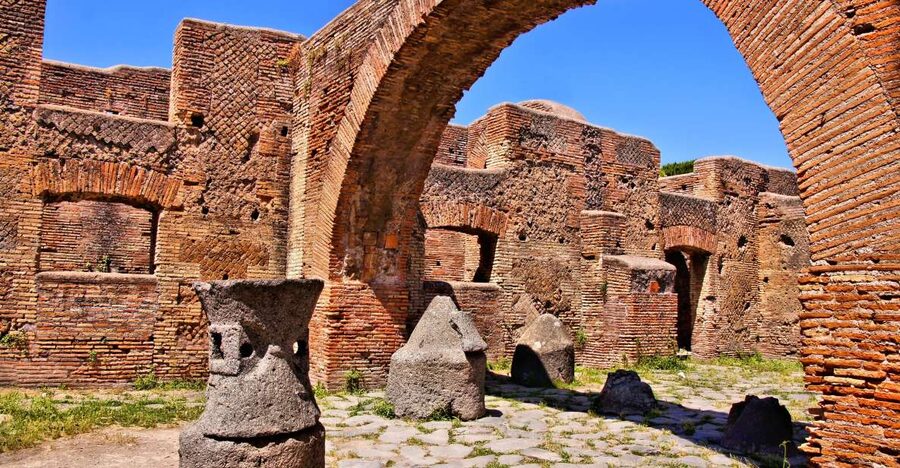
Pompeii is famous for a reason: it’s not a museum case. It’s a whole town—streets, doorways, courtyards, and public spaces—where you can feel how Romans actually lived and worked.
This experience is built around that idea. Your skip-the-line ticket gets you onto the site sooner, and the entry window from 9:00 am until 3:00 pm means you can avoid the worst timing if you want. You’re not trapped in a strict route either. Instead, you use the audio guide and map to shape your visit.
That matters because Pompeii isn’t one “photo stop.” It’s dozens of small moments. The amphitheater pulls you in with scale. The victim casts stop you cold. Then you look at wall after wall of frescoes and you realize the city wasn’t just destroyed—it was full of everyday color and commerce.
You can also read our reviews of more tours and experiences in Pompei Campania.


A practical mindset
Think of your day as a string of short decisions:
- Where do you want to stop longer?
- Which street section looks most interesting to you?
- Do you want public life first (amphitheater, theaters), or daily life (shops, spas) first?
The skip-the-line ticket: why it’s more than convenience

“Skip-the-line” sounds like a buzzword, but at Pompeii it can be worth real money in time and energy. Lines slow you down, and when you’re visiting a large archaeological area, time loss turns into rushed viewing.
With this ticket, you can enter when you’re ready inside the set hours. That flexibility is especially useful if you’re juggling travel logistics for the region or trying to avoid peak bus arrivals.
Also, the ticket is paired with the audio guide and map, which means you’re not just “in the gates.” You’re equipped to start making sense of what you see right away.
Audio guide + updated map: the best way to avoid getting lost
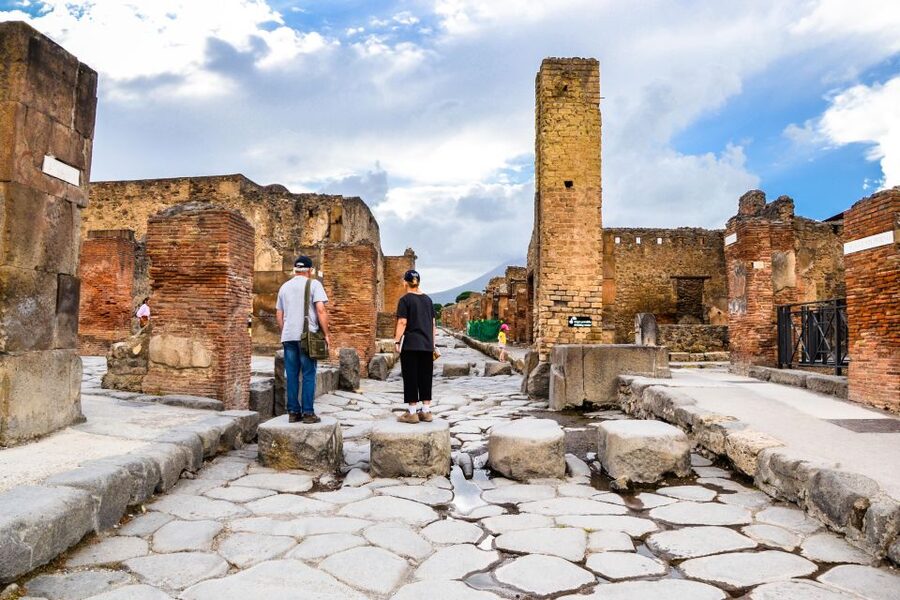
Pompeii rewards attention, but the site can also confuse you if you just follow signage and hope. Here, you get an audio guide plus an updated map designed for navigation across the key areas.
Which languages you can expect
The audio guide is available in a wide set of languages, including English, Italian, French, German, Hebrew, Russian, Chinese, Portuguese, and Spanish. The on-site instructor languages are listed as English, Italian, Spanish, and French, so you’ll have language support if you need it.





What I like about audio in Pompeii
When you’re surrounded by ruins, it’s easy to look at stone and miss the story. Audio helps you connect what you’re seeing to the broader picture—especially the eruption of Mount Vesuvius and what changed afterward.
Audio also works best when you use it like a tool, not like a lecture. I suggest listening while you walk between major points, then turning it off (or down) when you’re standing still and want to take in the building details.
A heads-up from real-world experience
Pompeii’s internet can be unpredictable. If you expect to download audio through your own device, be prepared for connectivity issues. There’s also an option to pick up the audio device, but the pickup point may involve a walk—reported as about 20 minutes from the train station—so plan your timing accordingly.
And one more important note: it’s stressed that you need a valid ID document to rent the audio guide. If you show up without it, your day gets harder fast.
Entering Pompeii: where to meet and how to start smoothly

Before you get inside, you’ll meet the team outside their office next to Pasticceria De Vivo. The team is usually wearing blue and yellow jackets, which makes it easier to spot the right people.
This is one of those simple details that pays off. When you’re standing in an unfamiliar area with your time window running, clear meeting points prevent last-minute confusion.
What to bring
- Comfortable shoes (you’ll walk)
- Comfortable clothes (layers can help, since you’ll be outdoors)
What not to bring
Oversize luggage and large bags aren’t allowed. Keep your packing tight so you don’t spend your morning dealing with restrictions.
Pompeii’s top sights you’ll actually want to plan for
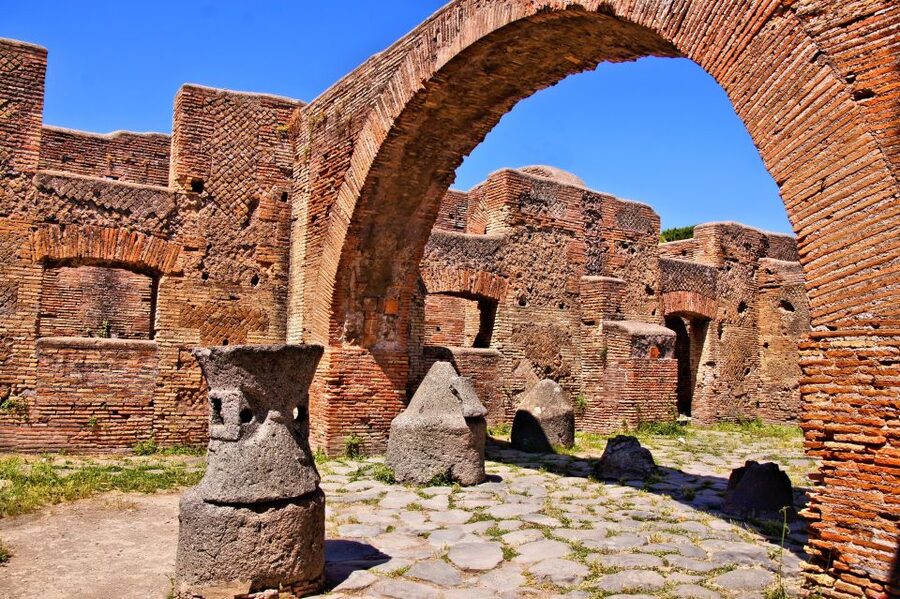
Because this is self-paced, you’ll choose your priorities. If you’re wondering how to focus your time, these are the headline areas included here—and why each one is worth your attention.
The amphitheater: where Roman public life comes alive
Pompeii’s amphitheater is one of the best-preserved Roman venues on site, and you feel that right away when you’re standing there. Even if you’re not a “sports” person, it helps you visualize how public events pulled the community together.
I like the amphitheater as an early stop. It gives you a sense of the city’s scale and social energy before you go exploring the calmer corners like houses and shops.
The casts of the victims: the moment Pompeii turns emotional
The victim casts are included for a reason: they force you to process the eruption as human tragedy, not just geology or disaster headlines. When you see the forms set into the narrative, the city’s timeline becomes personal.
This is the kind of stop where your pace changes. I recommend stepping away from your camera urge and just taking a few slow minutes to absorb what you’re seeing.
Frescoed houses: color, status, and daily routine
Pompeii’s frescoed houses turn ruin-watching into storytelling. The walls show you that people weren’t living in gray stone. They filled their spaces with art and symbols, and those details still matter today.
If you care about everyday life—what people decorated, what spaces felt public versus private—this is a highlight you’ll keep thinking about later.
Spas and temples: body, belief, and social rhythm
The visit includes spas and temples, which is a strong combo because it covers two major Roman themes: how people cared for the body and how they participated in religion.
Spas help you understand leisure and routine. Temples give you a sense of civic identity and worship. Together, they make Pompeii feel like a living city rather than a static display.
Shops and thermopolis: the city’s economy, served hot
The included highlights also cover shops and thermopolis, which were like a fast-food stop in Roman times. Standing near these spaces, you can almost imagine the flow of customers and the steady hum of commerce.
This is a great section for travelers who like practical details. It’s not just “big buildings.” It’s also how people ate, bought things, and passed time.
Theaters and brothels: entertainment and taboo
The theaters are part of Pompeii’s public culture. Brothels reflect the other side of daily life—what people did behind closed doors, and what the city tolerated or ignored.
I appreciate having both in the same visit, because Pompeii wasn’t only solemn. It was human. This pairing helps you see the full range of the city’s social world.
How to pace your 1 day in Pompeii
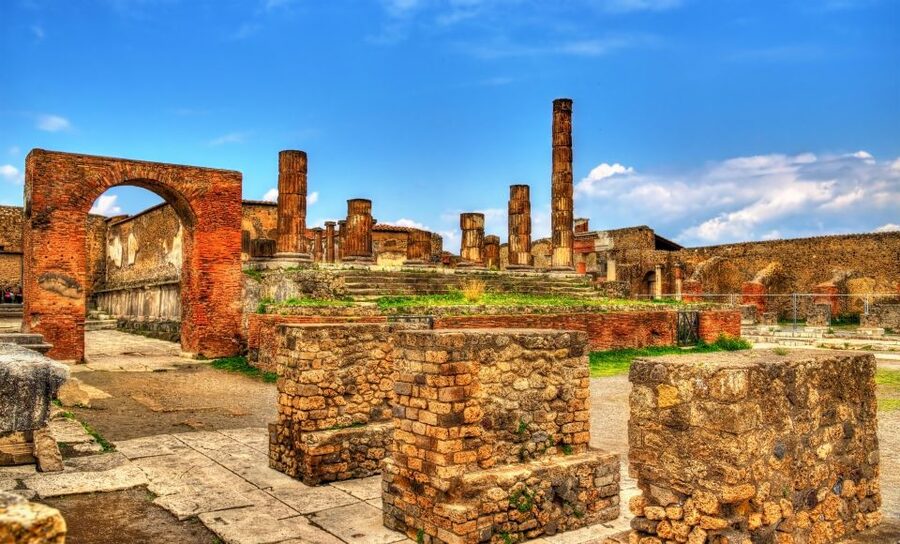
The time window is 1 day, and that’s both perfect and slightly tricky. Pompeii is big. If you try to do everything like a checklist, you’ll rush and miss what makes the ruins compelling.
A smart approach is to pick:
- 1 anchor stop (amphitheater or the cast displays)
- 2 life stops (houses, spas, shops, thermopolis)
- 1 cultural stop (temple or theater)
- plus whatever else you can comfortably absorb
This keeps your visit from becoming a sprint.
Morning often works best
One of the strongest benefits noted is that going earlier meant fewer people around. That changes the entire feel of Pompeii. You can take your time looking at walls and doorways instead of weaving through crowds.
Even if you don’t arrive at opening, aim to start earlier in the entry window if your schedule allows.
Price and value: is $44 a smart buy here?

The price is listed at $44 per person, and the Pompeii skip-the-line ticket included is €20.00, with audio guide support included as well.
In real terms, the value comes from three places:
- Time saved from line pressure, which matters in a spread-out site.
- Audio guide that helps you connect ruins to story, not just shapes.
- Flexibility to enter in the middle of the morning window and explore at your pace.
If you’re the type who likes to wander slowly and build context as you go, you’ll likely feel the price is fair. If you plan to speed-run Pompeii with almost no listening and little patience for navigation help, you might feel less satisfied.
Practical access and comfort realities
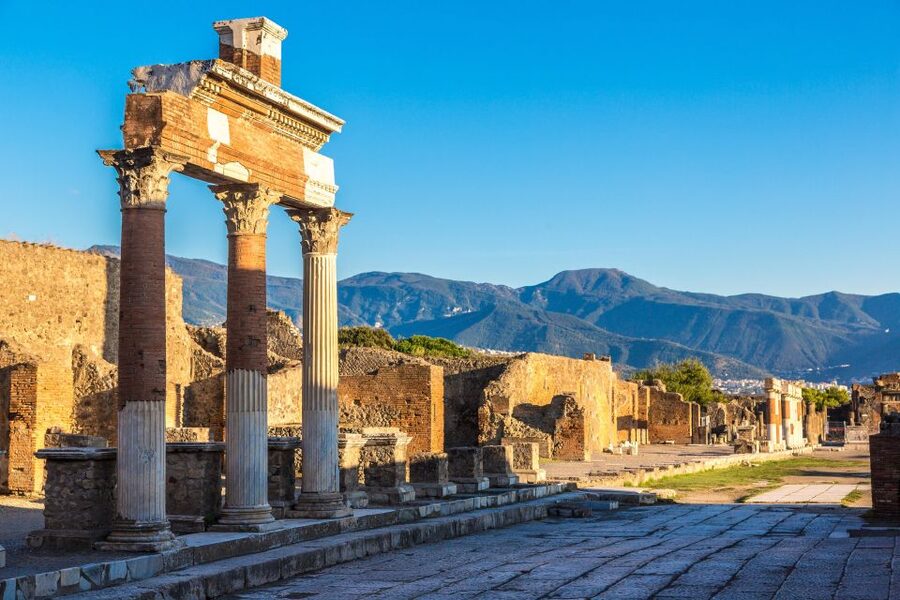
This kind of walking visit doesn’t work for everyone. It’s noted as not suitable for people with mobility impairments. It’s also listed as not ideal for people with heart problems and those with altitude sickness.
Even if those don’t apply to you, assume you’ll be on uneven ground and moving for hours. If you’re sensitive to long walks, plan breaks and keep your day simple.
Should you book this Pompeii experience?
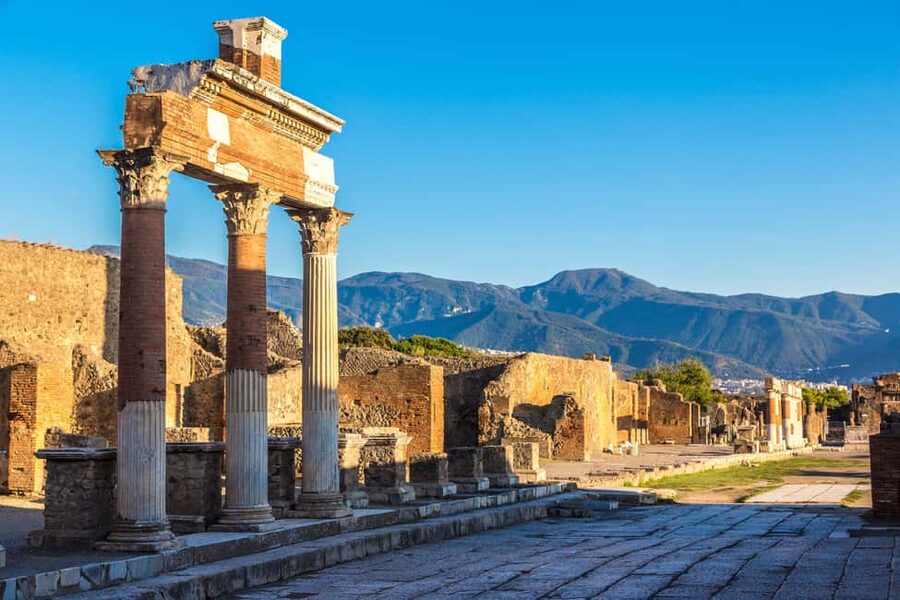
If you want Pompeii with less stress and more meaning, I’d book it. The pairing of skip-the-line entry with an audio guide and map is a strong way to see more without turning your day into a navigation project.
I especially recommend it if:
- You like a self-paced visit
- You want context about the eruption and what you’re looking at
- You can start earlier in the window to enjoy a calmer pace
- You prefer not to fight crowds at the entrance
Skip or reconsider if:
- You won’t use the audio at all
- You rely on internet downloads for audio and you’re not comfortable handling connectivity hiccups
- You need accessibility options that aren’t supported here
- You’re traveling with large luggage
FAQ

Where do I meet the tour team?
Meet outside the office next to Pasticceria De Vivo. The team is usually wearing blue and yellow jackets.
What time can I enter Pompeii?
You can enter any time between 9:00 am and 3:00 pm.
How long is the visit?
This is a 1-day experience.
What’s included with the ticket?
You get a Pompeii skip-the-line ticket and an audio guide.
What languages are available on the audio guide?
The audio guide is listed in English, Italian, French, German, Hebrew, Russian, Chinese, Portuguese, and Spanish.
Do I need an ID to get the audio guide?
Yes. It’s important to bring a valid ID document to rent the Audioguide.
Is there a problem with internet or downloading audio?
Internet connectivity in Pompeii is described as unpredictable. If you’re relying on downloading audio on your device, you may run into issues.
Is there a place to pick up the audio device if download fails?
There is an option to pick up the audio device if needed, but the pickup/drop-off location may be about a 20-minute walk from the train station.
What luggage is allowed?
Oversize luggage and large bags are not allowed. It’s best to travel light.
Can I cancel and get a full refund?
Yes, free cancellation is available up to 24 hours in advance for a full refund.