REVIEW · POMPEI CAMPANIA
Pompeii: Skip-the-Line Entry Ticket with Digital Guide App
Book on GetYourGuide →Operated by inStazione · Bookable on GetYourGuide
Pompeii is big, hot, and easy to get lost in. This skip-the-line ticket uses a digital app guide so you can wander the ruins on your own schedule, without waiting at the ticket office. I especially like the live map idea for navigation and the flexibility to stop for snacks whenever you want. One thing to think about: the app experience depends heavily on your phone battery and downloading the content before you arrive.
In a day, you’ll move through the bones of a Roman city: homes (domus), theaters, the lupanare, bath areas (thermae), shops, and then the scenic forum with casts that bring the eruption tragedy into focus. It’s not a sit-and-listen kind of visit. It’s more like walking through a time capsule at your own pace.
The app approach is a great fit if you don’t want a strict group rhythm. If you prefer a “step-by-step” guide walking you from point to point, you might find the app needs a bit of practice. Still, for many visitors, the trade-off is worth it because you’re buying freedom plus faster entry.
In This Review
- Key highlights before you go
- Skip-the-line entry: what it really changes at Pompeii
- Your smartphone becomes the guide: the app’s biggest upside
- The app’s weak spots: what to expect if things feel off
- Pompeii at your own pace: how to shape the day
- What to look for: domus, theaters, baths, and the lupanare
- Forum and the casts: where the story lands
- Getting in, meeting point, and actually finding the right entrance
- Price and value: is $22 worth it?
- Comfort and practical tips for a better day
- Adding Salerno: what to do after your Pompeii hour count
- Should you book this Pompeii skip-the-line + app ticket?
- FAQ
- Do I need to download the guide content before arriving?
- What’s included with the ticket price?
- Are headphones included?
- How long is the visit?
- What do I need to bring?
- Is pets allowed at Pompeii with this ticket?
- Are there discounts for minors or reduced tickets for young EU citizens?
Key highlights before you go

- Skip-the-line entry so you can spend more daylight inside the park
- Downloaded digital audio guide meant to work without relying on spotty Wi‑Fi
- Hands-on navigation with an interactive map and location marker
- A self-paced Roman route from domus and theaters to the forum area
- Flexible pacing that can stretch from a quick 2-ish hours to a full afternoon
Skip-the-line entry: what it really changes at Pompeii

At Pompeii, time matters. Not because the ruins vanish, but because your energy does. Even when the day is calm, the “ticket office wait” can steal the first part of your visit—the part when you’re fresh and ready to take in details.
This ticket’s value is simple: you get in faster, then you control the rest of the day. Several visitors pointed out that even during off-peak moments there can still be a line for regular tickets. That’s exactly when a skip-the-line plan feels smartest: you don’t end up watching other people handle paperwork while you wait.
You also get a full-day window (valid for 1 day), which pairs well with how Pompeii actually behaves on the ground. One hour you might move briskly. The next hour you’re slowing down for a house that demands attention, or for a moment where you just want to look without reading another sign.
One small note: if you arrive later in the day and regular lines are short, you might wonder if you truly needed the upgrade. But even then, faster entry is still a nice buffer. Pompeii crowds can shift quickly once guided groups start moving.
You can also read our reviews of more tours and experiences in Pompei Campania.



Your smartphone becomes the guide: the app’s biggest upside

This experience is powered by the digital guide app, delivered ahead of time. The key practical detail: you must download the digital guide content to your smartphone before the visit. The ruins and museums don’t offer free Wi‑Fi, and mobile coverage can be unreliable.
That rule is not “nice to know.” It’s the difference between smooth navigation and a frustrating afternoon. Plan for it the same way you’d plan for a train ride: charge first, then download.
Here’s why the app works well when it’s set up right:
- The audio guide helps you understand what you’re looking at, not just what things are called.
- The map feature can put your location on the plan, so you’re less dependent on slow paper maps or guessing your way across a sprawling site.
- Some visitors found the live-location map especially helpful because it reduces the walking-from-one-pin-to-another problem.
In a big park like Pompeii, your brain wants shortcuts. A location-aware map gives you breathing room. You can focus on the ruins instead of constantly asking yourself, Where am I supposed to be next?
The app’s weak spots: what to expect if things feel off

The honest trade-off with an app-based tour: it’s not always friction-free.
A number of practical issues show up in real life:
- You may need to hold your phone upright to make the experience comfortable, and that can get tiring when you’re also trying to take photos.
- Some people found the audio and map to be slightly out of sync—meaning the spoken instructions don’t always match where they think you should be standing.
- If you forget to download the content, you can run into audio problems because Wi‑Fi is not dependable on-site.
Also watch your timing and phone habits. If you exit the app, some visitors reported it can require re-starting and reload time. And if your battery drops too low, the whole system gets shaky fast.
My practical advice is boring—but it works:
- Charge your phone fully the night before.
- Bring a backup battery if you have one.
- Download the guide content early enough that you’re not rushing at the last second.
If you do that, the app tends to feel like a calm co-pilot instead of a complicated tech problem.
Pompeii at your own pace: how to shape the day
Pompeii is not “one stop, done.” You’ll be walking between neighborhoods of a real city—meaning your route changes based on what captures you. The good news: this ticket supports that.
A solid way to think about the day is in layers:
- Homes and daily life first (domus and the surrounding streets)
- Public buildings and entertainment next (theaters, bathing areas, and the spots tied to leisure)
- The forum area and the tragic story near the end, when you’re ready for heavier context
Even if you don’t follow a strict order, you’ll naturally hit a lot of the major categories. Expect to see elegant domus (Roman houses), theaters, the lupanare (linked to sex work), thermae (bath complexes), and shops. Then you’ll arrive at the forum area, where you can admire the famous casts of victims from the eruption.
Time-wise, it depends on your pace:
- Some people complete the experience in about 2 hours on paper, but the visit often turns into a longer wander.
- Many visitors end up closer to 4 to 6 hours, especially when it’s hot, when there are crowds, or when you stop to read signs and compare rooms.
Give yourself extra time if you’re taking photos, using the audio guide constantly, or stopping for breaks. Pompeii looks simple on a map. In reality, it’s a lot of walking on uneven ground.
What to look for: domus, theaters, baths, and the lupanare
The best part of Pompeii is that it wasn’t built for a museum audience. It was built for people living real routines. The ruins give you that sense when you slow down.
Here’s what you’ll likely enjoy most:
- Domus (Roman houses): Watch how spaces connect. Even without furniture, the layout tells you what mattered—privacy, light, and where daily life unfolded.
- Theaters: If you pause here, you can picture crowds gathering for performances. The audio guide context can help you understand how the building fit into civic life.
- Thermae (bathing areas): Bath complexes reflect social habits. These spaces often feel more “alive” once you read what each section was for.
- Lupanare: This is a sensitive stop, but it’s also part of the full story of the city, including how people lived and spent time. The audio guide can help you understand what you’re seeing so you’re not just staring at outlines.
If you’re the kind of person who likes to zoom in—doorways, floor patterns, worn steps—this ticket format is a good match. You’re not forced to keep up with a group timeline.
One small caution: the site has uneven terrain. Wear shoes you trust and watch your footing, especially on stone steps and worn paths.






Forum and the casts: where the story lands
The forum area is the point where Pompeii stops feeling like ruins and starts feeling like a living place interrupted.
The forum is also where you’ll see the casts of some victims. That’s the moment most people remember because it gives the eruption tragedy a body-and-face reality instead of a distant historical concept.
I’d treat this part like a checkpoint. Slow down. Let your mind catch up with what you’ve already walked through—homes, leisure, commerce—and then absorb what the eruption did to that normal rhythm of life.
This is also a good place to take a pause if you’ve been moving constantly. If you’ve been relying on audio cues, it can be useful to let a couple of stops pass without rushing. When you’re ready, restart the audio and connect the forum context to what you saw earlier.
Getting in, meeting point, and actually finding the right entrance

The meeting point can vary depending on the option you booked. That’s common for Pompeii experiences, but it matters because confusion at the park entrance can cost time.
Here’s the practical way to handle it:
- Read the confirmation information you receive ahead of time.
- Plan to arrive with enough daylight to figure out where to check in.
- If you’re arriving on foot or by bus, give yourself extra buffer for walking from the transport drop-off to the correct entrance area.
Some visitors also noted that ticket check-in might be at the park rather than at a specific “linked” pin, so don’t blindly trust a map marker. Use the directions provided, then look for staff helping people get set up.
Price and value: is $22 worth it?
At $22 per person, this ticket sits in the “pay for convenience” category. Whether it’s worth it depends on your travel style and your arrival time.
It usually makes sense if:
- You’re visiting during busier periods, when regular lines are longer.
- You hate waiting, and you’d rather spend that time inside Pompeii.
- You want the skip-the-line entry plus a guide that you can use flexibly.
It might feel less necessary if:
- You arrive when regular lines are short.
- You already plan to wander slowly and would happily lose a bit of time at the ticket office.
But even in slower seasons, the app can still add value. A good audio guide reduces the “random walking” problem at Pompeii. Without it, you’ll miss a lot of the story behind what you’re seeing. With it, you can decide how much detail you want at each stop.
So I’d frame the cost like this: you’re paying to buy back time, plus a guide that’s always ready when you stop.
Comfort and practical tips for a better day

Pompeii is one of those places where comfort turns into experience quality fast.
Here are the things I’d prioritize:
- Bring water. There are stalls near the entrance, but expect higher prices and plan not to rely on last-minute purchases.
- Wear a hat and protect from sun. Some areas have very little shade, and it can feel relentless on warmer days.
- Expect uneven ground. Roman streets and steps are not flat sidewalks. Slow down on corners.
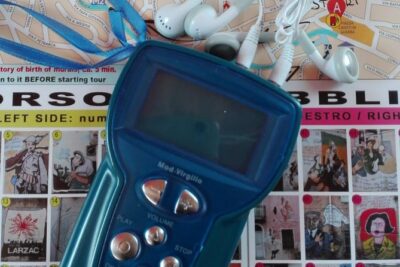
- Use headphones you can live with. Headphones are not included, so bring your own or at least earbuds you’re comfortable wearing for hours.
If you’re sensitive to heat or you’re walking with kids, older relatives, or anyone with limited stamina, the self-paced structure is a big plus. You can pause when you need to and still cover the major highlights.
Adding Salerno: what to do after your Pompeii hour count
Pompeii isn’t an island experience. The highlight suggests grabbing a coffee in Salerno or taking a short stroll in the city.
If you’re basing yourself in the area, this is a smart way to balance the day:
- Use Pompeii for the intense historical walk.
- Use Salerno for reset time: coffee, shade (where you find it), and a slower pace after hours of walking.
Even if you only have time for a quick drink and a short stroll, it helps the memory stick in a healthier way. Pompeii is intense. Pair it with something simple afterward.
Should you book this Pompeii skip-the-line + app ticket?
I’d book it if you want control. If you’re traveling solo, with kids, or with someone who won’t enjoy staying glued to a group, the self-paced app format is a strong match. The skip-the-line part is also a good safety net in busy seasons when waiting can drain your day before it starts.
I’d hesitate if:
- You’re uncomfortable with smartphone navigation or you hate app setups.
- Your phone battery is unreliable and you don’t plan to bring a backup.
- You strongly prefer a human guide steering you from stop to stop, in a fixed order.
If you’re the type who likes to stop, look longer, and keep moving when you feel ready, this is a practical way to see Pompeii without stress.
FAQ
Do I need to download the guide content before arriving?
Yes. You should download all digital guide content onto your smartphone before your visit. The ruins and museums do not offer free Wi‑Fi, and mobile coverage may be limited.
What’s included with the ticket price?
You get a skip-the-line entry ticket and a digital guide app for your smartphone.
Are headphones included?
No. Headphones are not included, so bring your own if you want audio.
How long is the visit?
The ticket is valid for 1 day. The actual time you spend can vary depending on how much you stop and explore, but it’s designed for a full self-paced visit.
What do I need to bring?
Bring a passport or ID card, headphones, and a charged smartphone.
Is pets allowed at Pompeii with this ticket?
No, pets are not allowed.
Are there discounts for minors or reduced tickets for young EU citizens?
The ticket office at the entrance allows minors to get free tickets and European citizens aged 18 to 24 to get reduced tickets. This provider does not offer this category service, and there is no skip-the-line option for those categories.