REVIEW · POMPEI CAMPANIA
Pompeii: Skip-the-Line Entry & Audioguide
Book on GetYourGuide →Operated by TOURISTATION · Bookable on GetYourGuide
Pompeii hits different when you can walk in fast. With skip-the-line entry plus an audioguide, you get right into the ruins without losing your morning to queues.
I love the self-paced setup: you can linger on the central forum and then move on when you feel ready. One thing to watch is that this experience is priced like a packaged tour, yet a few details (like audioguide comfort and timing) depend on how you arrive and how busy it is.
The second thing I like is the range of what you’re meant to see in one pass—forum area, streets, Roman houses and businesses, and major public spaces like the amphitheater and dramatic theater. You also get a paper city map, which helps you avoid that wandering feeling in a place this big.
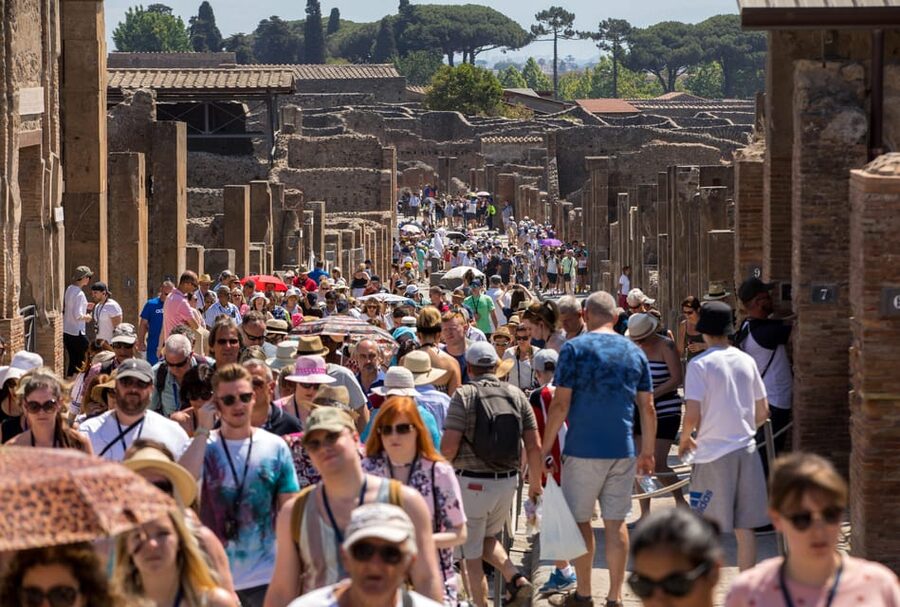
A possible drawback: the skip-the-line benefit won’t erase the fact that you’re still walking for hours in an outdoor archaeological park, and you need ID ready (including a stated requirement for all participants).
In This Review
- Key things to know before you go
- Pompeii skip-the-line entry: why it matters in practice
- Where you meet and how long you should plan
- The audioguide setup: how to get real value from it
- The route through Pompeii: forum first, then the city’s daily rhythm
- The central forum and Mount Vesuvius framing
- Streets, aqueduct and fountains: follow the water
- Public baths and major entertainment spaces
- Roman homes and businesses: doorways and room layouts
- What’s included (and what you’ll need to plan around)
- Price and value: is $53 per person worth it?
- Practical rules that affect your day
- Who this works best for (and who might want something else)
- Common gotchas to avoid
- Should you book this Pompeii skip-the-line entry with audioguide?
Key things to know before you go
- Skip-the-line entry helps you start sooner instead of spending your time in a queue.
- Audioguide in many languages lets you learn as you walk (Italian, English, French, Spanish, German, Portuguese, Chinese, Japanese).
- Forum-to-streets route focuses on how the city worked, not just isolated ruins.
- Mix of public and private spaces includes baths, businesses, fountains/aqueduct remains, and homes.
- Map in hand (paper city map) makes it easier to follow your own pace.
- A couple of key exclusions mean you’ll plan around what isn’t included (like Villa dei Misteri).
Pompeii skip-the-line entry: why it matters in practice
Pompeii is famous, which means it’s also practical to book smart. The main win here is skip-the-line entry to Pompeii Archaeological Park, so you can spend your energy seeing things instead of standing around.
This matters even more if you’re visiting on a tight schedule (or if you’re traveling with anyone who gets impatient in lines). Getting in smoothly also helps you set the tone for the day, because Pompeii is best when you can keep moving at your own rhythm.
And yes, Pompeii is outside. You’re walking through stone streets, through doorways that once led to daily life, and past spaces that still feel like parts of a city. So think of this as a walking day, not a quick photo stop.
You can also read our reviews of more tours and experiences in Pompei Campania.

Where you meet and how long you should plan
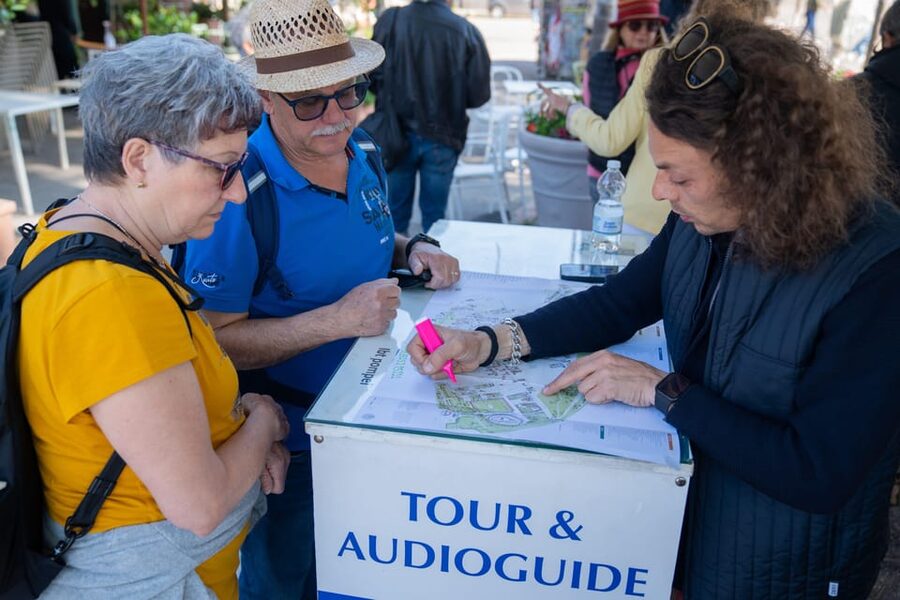
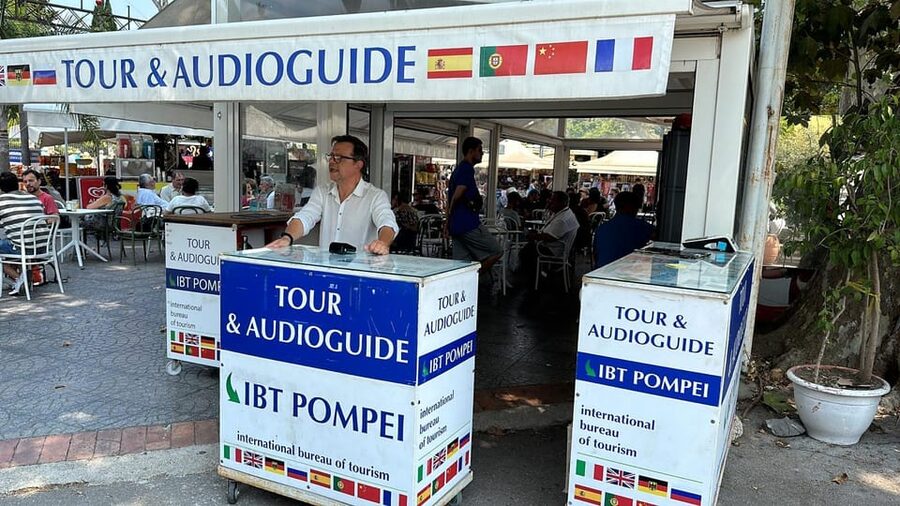
You meet at the IBT Center/Touristation next to Chalet Donna Lucia. That’s not just a trivia detail—getting there on time makes the whole morning smoother, especially with skip-the-line style tickets.
Duration is listed as 2 hours up to 1 day, depending on availability and starting times. For most people, I’d treat this as a flexible visit where the “2 hours” version works if you move fast, and the “up to 1 day” version works if you stop often for fresco fragments, building details, and the big visual moments.
If you’re the type who likes to read and look closely, build more time. The ruins can reward slow walking more than you’d expect.
The audioguide setup: how to get real value from it
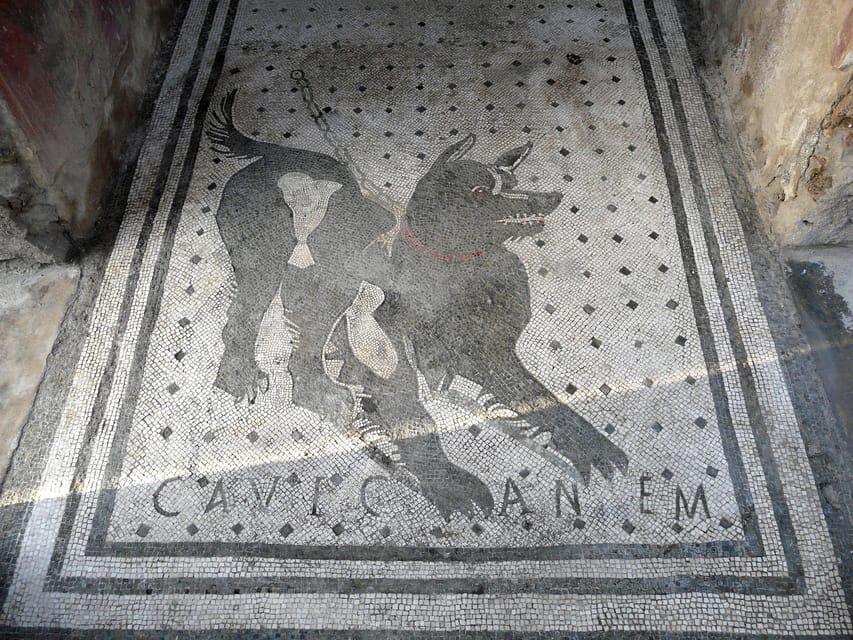
This experience includes an audioguide and a paper city map. The audio is available in Italian, English, French, Spanish, German, Portuguese, Chinese, and Japanese, so you shouldn’t be stuck listening to a language you don’t want.
For best results, don’t just treat the audioguide like background noise. Use it to time your focus. When you’re standing in the forum area, listen to the city-life context. When you move into residential zones, listen for what you’re looking at—doorways, room layouts, and traces of daily functions.
You’ll also want to keep your phone or device habits in mind. The only clear “must” here is bringing a passport or ID card, but practically speaking, having a little strategy for tracking your own stops makes the audioguide land better.
One practical consideration: a few people have raised concerns about paying extra for an audiophone or misunderstanding what’s included. So before you go, check that the plan you buy explicitly covers the audioguide the way you expect—especially if you’re booking through a reseller.
The route through Pompeii: forum first, then the city’s daily rhythm
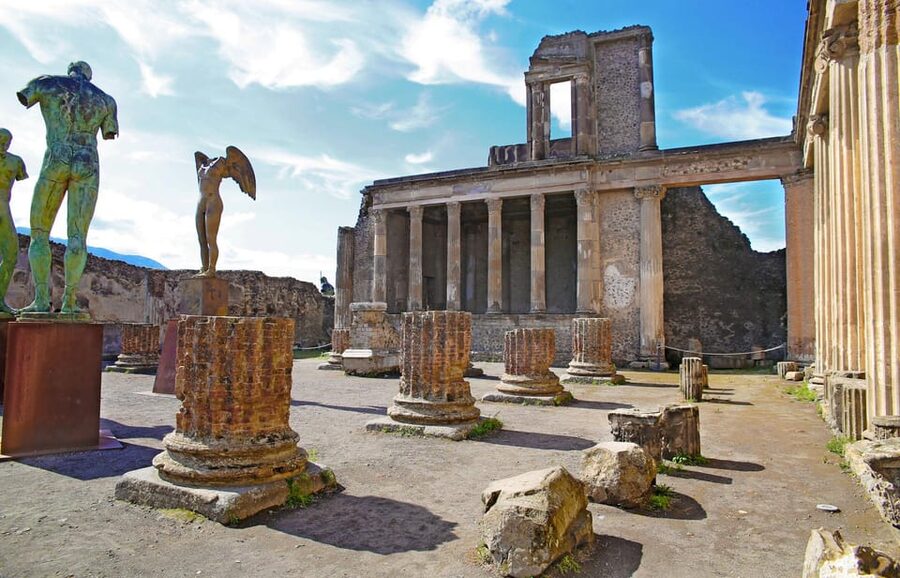
Your visit is built around the heart of Pompeii and the way it functioned day to day. The big first moment is the central forum area.
The central forum and Mount Vesuvius framing
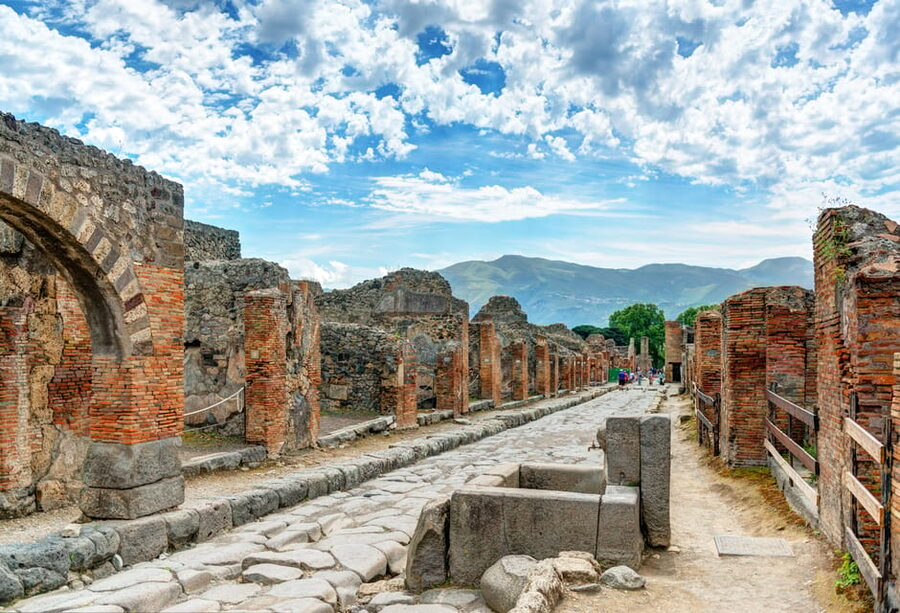
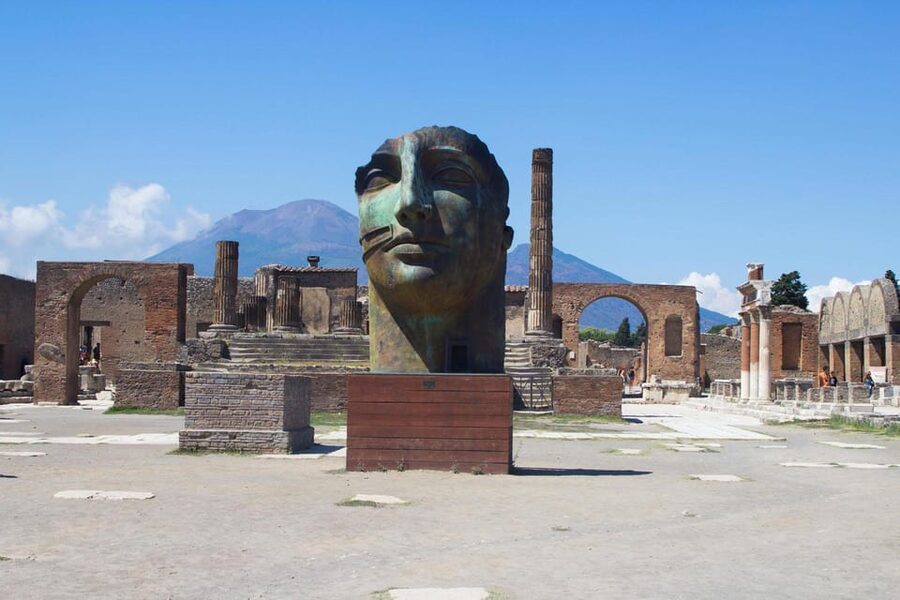
The forum area is where Pompeii feels like a living civic center, not just an archaeological site. You’re meant to stroll among the remnants of columns and doorways, with Mount Vesuvius looming in the background.
That volcano view isn’t just scenery. It’s a constant reminder of the event from 79 AD that stopped life in its tracks. When you combine the forum layout with the landscape, the place makes more sense—power, public life, commerce, and movement all in one zone.
If you like “big picture” history, this is where the audioguide can give you the fastest payoff. If you’re short on time, prioritize this area and then choose a few neighborhoods/stops rather than trying to see everything.




Streets, aqueduct and fountains: follow the water
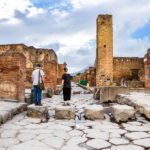
After the forum, you’ll move along streets and into areas where Pompeii’s infrastructure shows up. Expect to see remains tied to the city’s water system, including aqueduct and fountain remains, along with hints of how water shaped daily routines.
This is the part many people skip when they rush for the biggest amphitheater shots. I love it because it teaches you how the city worked: fountains weren’t just decoration; they were part of practical urban life.
When you see stone channels and structural leftovers, pause for a minute and imagine the flow. Even without full reconstruction, the idea of supply lines and public access becomes clear.
Public baths and major entertainment spaces
Pompeii’s public spaces are part of what makes it feel more complete than many ruins. You’ll be able to see public baths and also the amphitheater and dramatic theater.
These places matter because they show social life in action: where people gathered, how crowd energy shaped the city, and how entertainment was built into the Roman day.
If you like architecture, take a moment to observe how the spaces are arranged for viewing and movement. Even if the seats or surfaces are worn down, the logic of design still reads.
The amphitheater and theater also make a strong visual contrast with the quieter residential and commercial sections. When you step between them, the city’s social layers become obvious.
Roman homes and businesses: doorways and room layouts
A major strength of this experience is that it doesn’t treat Pompeii as one big monument. You’ll also spend time on Roman homes and businesses, including the remains of private houses and shop-like areas.
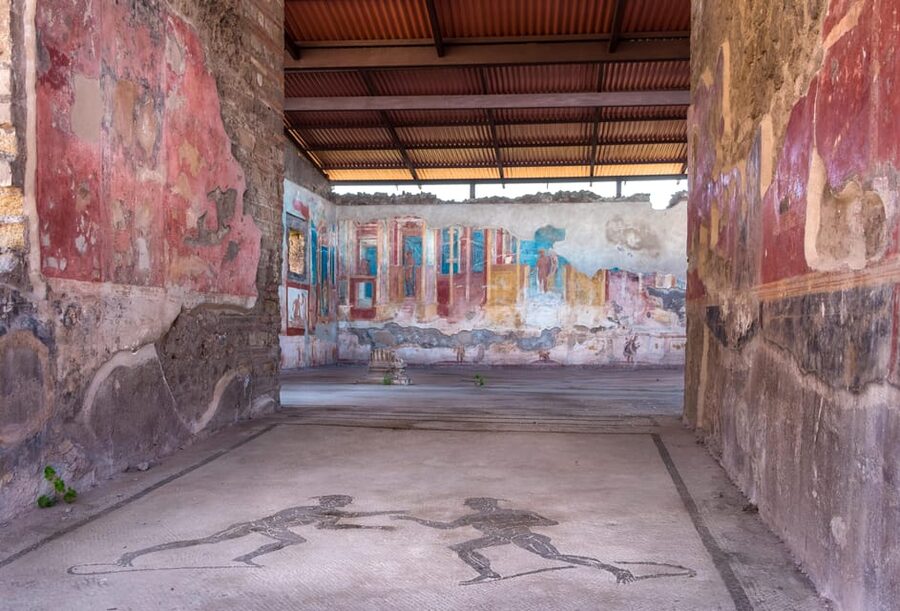
The listing highlights the idea of seeing colorful frescoes of homes and businesses. Even when fresco fragments are incomplete, they help you picture how interiors once felt—bright walls, painted scenes, and a sense of status and personality.
Here’s a smart way to get value: don’t just look at the paintings. Look at the rooms’ layout and the relationship between entrances and interior spaces. Those traces are some of the best clues for how people organized daily life.
If you’re a “photo first” visitor, you’ll still enjoy this, but you’ll get more out of it if you slow down for a few doorways and room corners.
What’s included (and what you’ll need to plan around)
This tour experience includes:
- Skip-the-line entry to Pompeii Archaeological Park
- Audioguide
- Paper city map
- A guided tour only if you select that option
Not included:
- Entrance to Villa dei Misteri
- Hotel pickup and drop-off
- Food and drink
Two practical thoughts here:
- If Villa dei Misteri is a must for you, you’ll need a separate plan since it’s specifically not included.
- Since there’s no pickup, make sure you’re confident in getting yourself to the IBT Center/Touristation next to Chalet Donna Lucia.
Price and value: is $53 per person worth it?
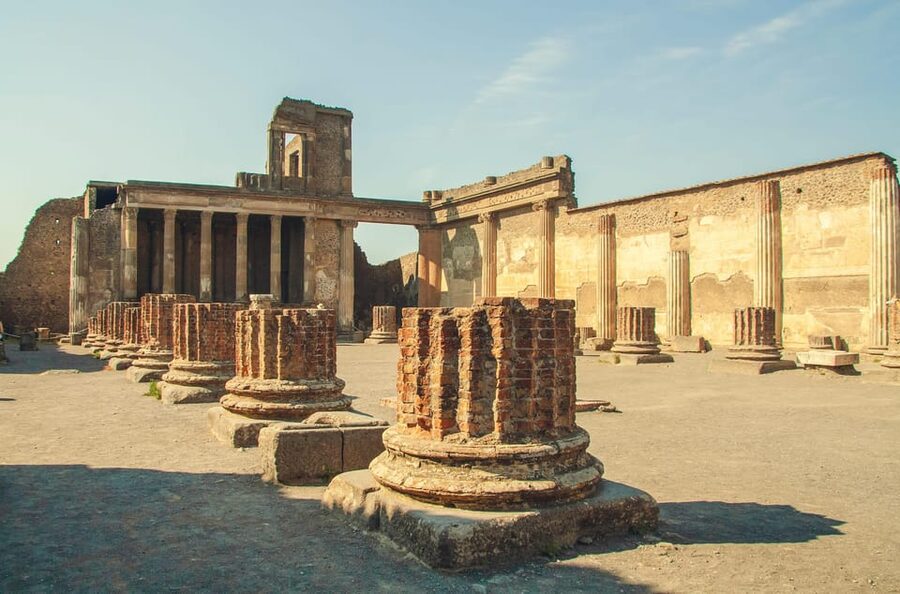
At $53 per person, you’re paying for convenience and structure: a skip-the-line ticket, an audioguide, and a map. In a place like Pompeii, that can be good value because the time cost of waiting is real.
But value depends on how you use it. If you’re arriving at peak time and you hate standing in queues, skip-the-line often justifies the price fast. If you arrive early and lines are manageable, you might feel the price less strongly—especially if you’re trying to stretch your time without needing much “help.”
Also keep in mind what’s included vs. what might be offered separately. I’ve seen enough confusion around audioguide add-ons to recommend a quick check before you finalize anything: confirm your ticket includes the audioguide as described.
Practical rules that affect your day
Pompeii has rules, and they directly affect how comfortable your visit will be.
What to bring:
- Passport or ID card
Not allowed:
- Pets (small dogs are a special case)
- Smoking
- Luggage or large bags
- Alcohol and drugs
Small dogs:
- Allowed inside the archaeological area, but they must be kept on a leash and carried when inside the buildings.
Also note:
- ID required for all participants
If you’re traveling light, you’ll feel the least friction. If you’re bringing a lot of luggage, plan to store it before you head to the park.
Who this works best for (and who might want something else)
This experience fits best if you want:
- Self-paced exploration with an audio layer
- The biggest highlights without committing to a tight guided schedule
- A practical entry method that saves time
It’s especially good for couples, solo travelers, and families who like the option to stop, read, and re-group.
You might want a different format if you want a deep, fully guided narrative the whole time. Here, the audioguide gives you the learning, and the pacing is yours. That can be perfect—or it can feel too loose—depending on how you travel.
Common gotchas to avoid
Even with skip-the-line, Pompeii can feel like a lot because it’s huge. So I’d avoid three mistakes:
- Trying to see everything in one go. Pick priorities: forum, a public space (baths/theater/amphitheater), and at least one residential/commercial cluster.
- Relying only on photos. Use the audioguide to connect what you’re seeing to what the space was for.
- Arriving without ID. The experience clearly requires it for all participants.
Also, double-check the inclusion details around the audioguide if you’re booking through a channel that sometimes lists extras differently. The experience is described as including the audioguide, but misunderstandings do happen.
Should you book this Pompeii skip-the-line entry with audioguide?
Yes—if you want a strong mix of convenience and flexibility. The skip-the-line entry plus audioguide languages make it a smart choice for anyone who wants to manage their own pace while still learning what they’re walking past.
Skip this style of ticket only if you’re looking for a strict, fully guided walkthrough that covers every corner in a set order. Otherwise, this is a practical way to experience Pompeii’s core moments—from the forum and streets to Roman homes, baths, theaters, and amphitheater—without losing your time to lines.
If you can handle a walking day in an outdoor site, you’ll likely feel like you got your money’s worth fast.