REVIEW · CALATAFIMI SEGESTA
Segesta: Archeological Park Entry Ticket and App Audioguide
Book on GetYourGuide →Operated by GetYourGuide Tours & Tickets GmbH · Bookable on GetYourGuide
Segesta feels like a time machine. I love that this ticket delivers skip-the-line entry, and I love the way the Doric Temple anchors your whole visit. One catch: the app audioguide can be mismatched (it may use material from Agrigento’s Valley of the Temples), but you can often solve it by buying the correct on-site audio for €5.
This self-paced visit puts you in charge of a classic route: start at the Doric Temple, walk through a valley dotted with layers of fortifications, then finish at the theater and a wide-open viewpoint on Mount Barbaro. The audioguide focuses on the Elymians and also the site’s disputed origins and age, so you’re not just sightseeing ruins.
There’s no guided tour here. If you like to wander slowly, stop often, and piece together what you’re seeing, you’ll do great. If you want a human guide to explain everything with zero friction, you might feel a little on your own.
In This Review
- Key highlights worth knowing before you go
- Skip-the-Line Entry at the Segesta Ticket Office
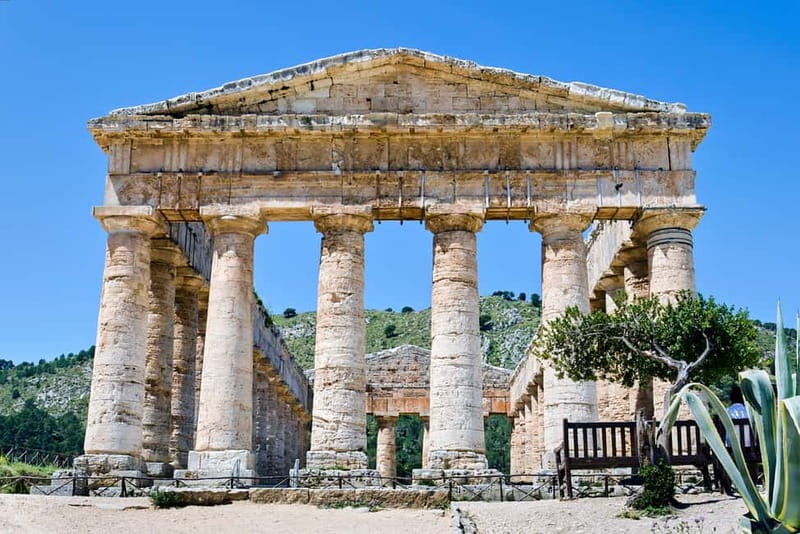
- Start at the Doric Temple: The View-First Moment
- Valley Walk: Fortifications Through Different Centuries
- The Theater of Segesta and What to Watch For
- Mount Barbaro Views: End Your Day with a Sicilian Sweep
- Digital App Audioguide: Useful, With One Common Snag
- Price and Value for a Self-Guided Segesta Day
- Should You Book This Segesta Ticket and App?
- FAQ
- What’s included with the Segesta ticket?
- Where do I exchange my voucher?
- Is there a guided tour included?
- How long is the ticket valid?
- Can I enter the park more than once with the voucher?
- Can I send a Pemcard from the visit?
- What’s the main plan if the app audioguide doesn’t match Segesta?
Key highlights worth knowing before you go
- Skip-the-line entry with a voucher exchange at the park ticket office
- Doric Temple as your starting point, not just another stop
- A valley walk packed with fortifications from different eras
- A perfectly preserved theater that changes how you “read” the site
- Finish with panoramic views from Mount Barbaro
- A digital app audioguide that you should verify before you rely on it
Skip-the-Line Entry at the Segesta Ticket Office
This experience is built around one simple idea: save time at the entrance so you spend it in the park. Your voucher doesn’t become a ticket until you exchange it at the Segesta archaeological park ticket office for an official entry ticket. After that, you use it for single entry into the Archaeological Park of Segesta.
Why this matters in real life: Segesta is a place where your motivation depends on momentum. If you get stuck waiting at the ticket line, you lose daylight and energy fast, especially when you want to do the full route—from temple to theater to the viewpoint on Mount Barbaro.
Also, this is not a “hop-on-hop-off” style visit. The activity ends back where you start, so treat it like a day plan, not a quick drive-by. Expect to move at your own pace, using the app for context rather than having someone shepherd you through.
Start at the Doric Temple: The View-First Moment
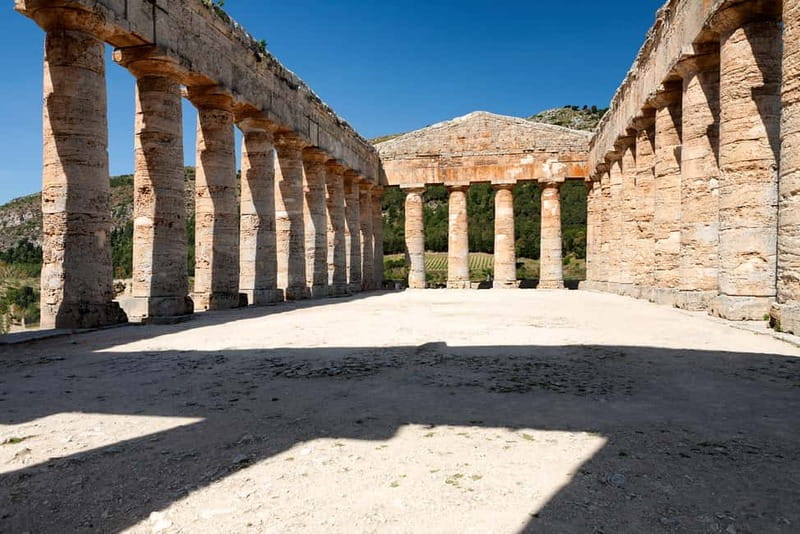
Your day begins at the Doric Temple, and that’s a smart choice. It’s not an afterthought. It’s where you set your bearings, because the temple’s situation helps you understand the park’s layout—hills, sightlines, and the gradual descent toward the rest of the complex.
What I like about starting here is how it changes your expectations. From the start, the site feels planned for watching and for drama, not just for walking. You’ll be thinking about stone design and scale before you move into the valley ruins, so the rest lands harder.
The audioguide then helps you connect what you see to the wider story: Segesta is associated with the Elymians, and the material also touches on disputed origins and the site’s true age. Whether you arrive as a history buff or a casual admirer, that context makes the ruins feel less random and more intentional—like they’re pointing somewhere.
Practical tip: don’t rush the first stop. Take a moment to look for the way the terrain guides your route. Then you’ll walk the valley with more understanding instead of just following arrows.
Valley Walk: Fortifications Through Different Centuries
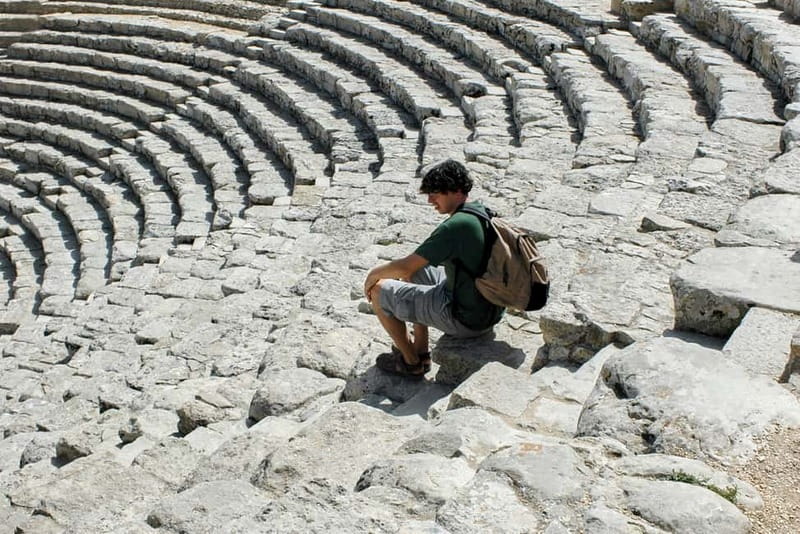
After the Doric Temple, you head into the valley and start moving through what feels like a layered time capsule. This is one of the best parts of Segesta because you’re not seeing one era stamped over everything. Instead, you pass through a chain of structures that reflect shifting control and use.
In the valley walk you’ll see (or at least pass by) several fortifications and religious structures, including a 15th-century church, a medieval fort, a castle, and even a mosque. The point of this stretch isn’t just variety for variety’s sake. It shows you how the same ground can be meaningful for very different reasons over time.
This is also where the audioguide can make or break the experience. When the audio matches the stop you’re at, you’ll enjoy the “connect-the-dots” feeling—how each layer helps explain why certain remains survived and how the landscape was used. If the audio is mismatched, the walk can still be beautiful, but it’s easier to feel like you’re collecting photos without collecting meaning.
If you’re the type who likes to look around and form questions, the valley is ideal. Let your eye do the work: notice angles, walls, and how structures relate to the terrain. Then let the app confirm or correct your guesses.
The Theater of Segesta and What to Watch For
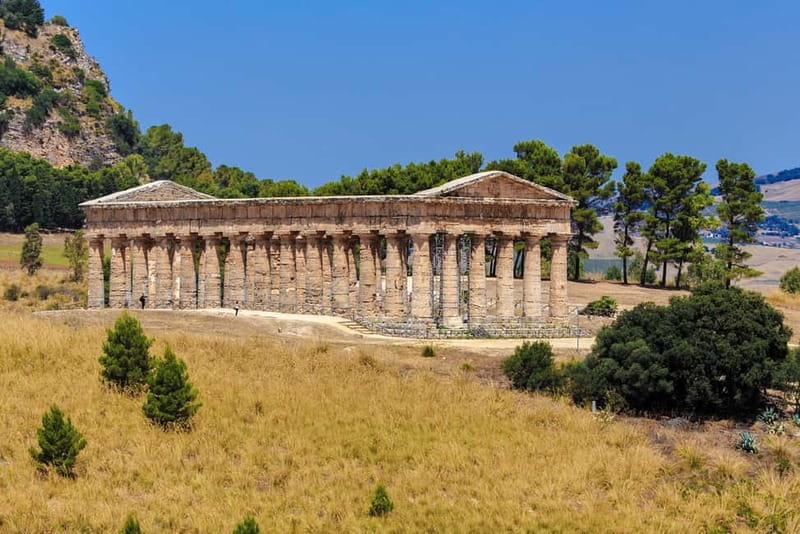
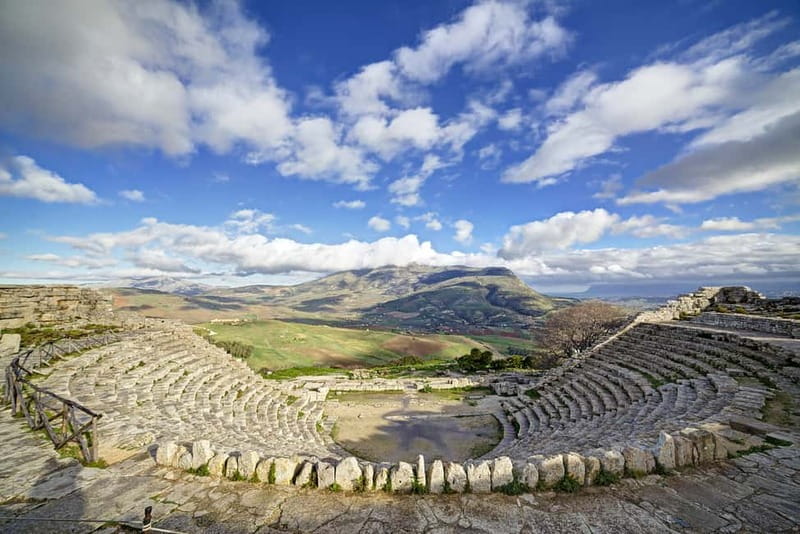
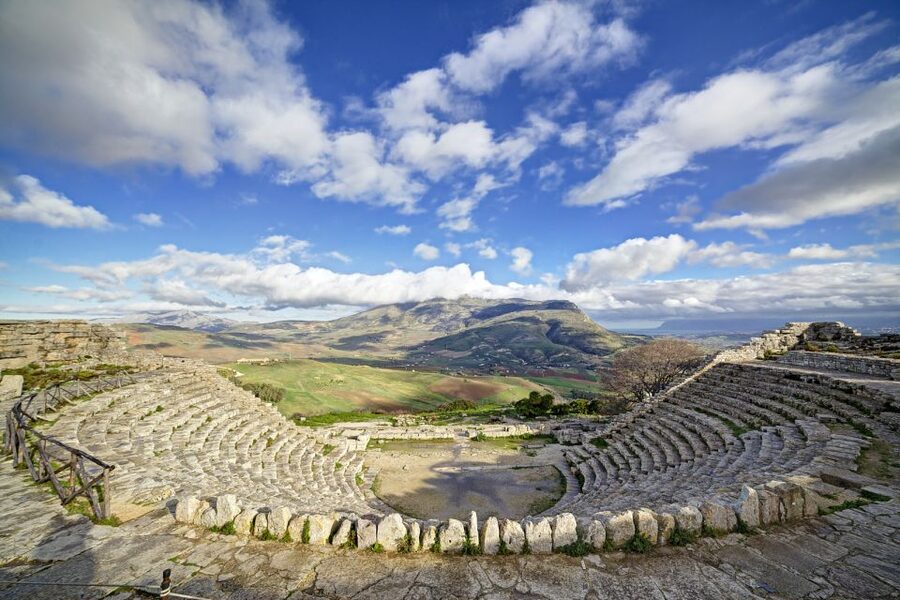
Segesta’s theater is a major moment. The experience is set up so you reach it after the valley portion, which builds anticipation. By then you’ve already seen the way the park sits in the hills, and that makes the theater feel less like a standalone ruin and more like part of a larger performance space in a real setting.
The key detail here is that the theater is described as perfectly preserved. Even without technical knowledge, that phrase tells you what to look for: crisp edges, legible structure, and a layout you can actually make out as a seat-and-stage system rather than a vague heap of stones.
I also love that this stop usually changes how people move through the site. Before the theater, you may have been scanning for landmarks. At the theater, you start thinking about sightlines and acoustics—about what spectators would have seen and where the drama would have landed.
Give yourself time here. Don’t treat it as a photo stop. Stand back, then move to a different angle, and use the app to connect the theater’s role to the larger story you’re hearing about the Elymians and the debated origins of the site.
Mount Barbaro Views: End Your Day with a Sicilian Sweep
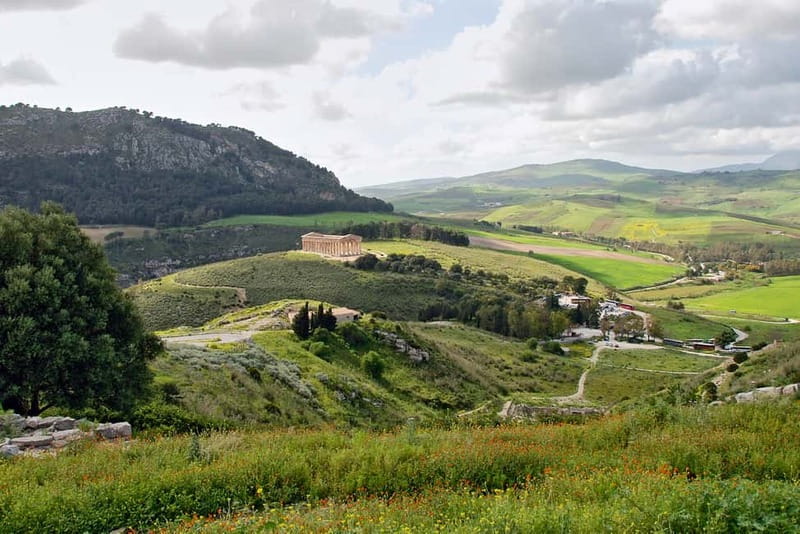
When you finish, you end on the slopes of Mount Barbaro for panoramic views of Sicily. This is the part that turns a ruin visit into a full-sensory day.
Views like this matter because they restore scale. Ruins can feel close-up and compartmentalized when you’re focused on details. A wide viewpoint puts everything in context: the hills, the distance, the way settlements and routes would have mattered historically. It’s the moment where you stop thinking like a collector of monuments and start thinking like someone trying to understand why this location was worth building on in the first place.
The app audioguide is designed to take you to this finish point, but the view is something you should experience directly—camera down for a minute, then back up when you feel ready. If your audio has been mismatched earlier, this is still worth it. The sky and the terrain don’t care what’s on your phone.
Digital App Audioguide: Useful, With One Common Snag
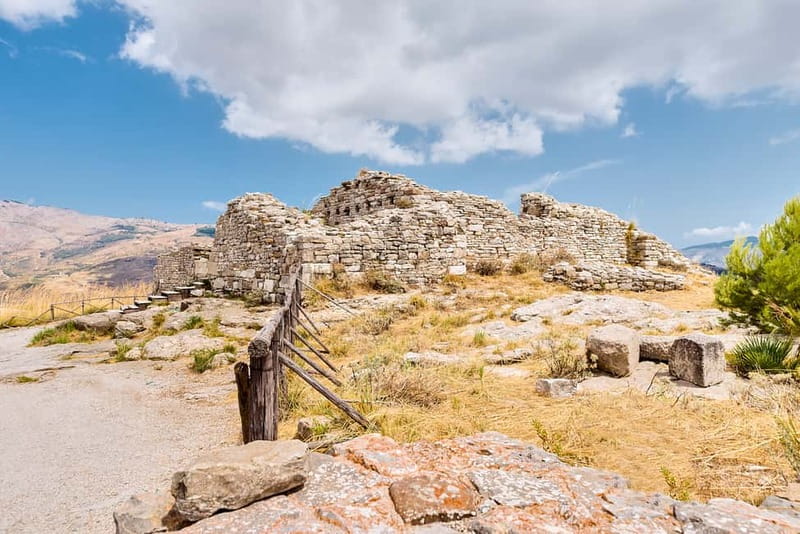
You get a digital app audioguide with the entry ticket. In theory, it’s a smart way to keep the pace flexible and learn at your own speed. The audioguide is also where the visit adds depth—talking about Elymian times and addressing disputed origins and the site’s age.
Here’s the important reality check: one common problem is that the audioguide content may be mismatched for Segesta—specifically, it can be tied to material from Agrigento’s Valley of the Temples. If that happens to you, don’t panic and don’t waste the day trying to force it to fit what you’re seeing.
Based on what’s been reported, there’s a workable backup: you can purchase the correct on-site audio guide for €5. That’s a small cost compared with the price of your time, and it can rescue your understanding of what each major stop is telling you.
My advice: test the app audio at your very first stop (the Doric Temple). If the narration sounds wrong for where you are, switch early instead of waiting until the theater.
Also, since this is a self-guided visit, keep your phone charged. You don’t need constant audio, but you do need it when you want the story to click.
Price and Value for a Self-Guided Segesta Day
At $23 per person, this ticket is priced as an entry deal plus the convenience of skip-the-line entry and a digital audioguide. Is it good value? For the right traveler, yes.
Here’s why:
- You’re paying for time saved at the entrance. That’s the biggest practical value with “skip-the-line.”
- You’re paying for access to top monuments: the Doric Temple, the theater, and the viewpoints around Mount Barbaro.
- You’re getting educational context via the app, including Elymian-focused stories and disputed origins.
The main factor that can affect value is the audioguide reliability. If the app matches properly, it’s a solid bundle. If it doesn’t, you may want the €5 on-site audio to get back on track. Even with that extra cost, you’d still likely feel it was worth it because the park itself is the core product.
Who gets the best value?
- People who like independent pacing
- Visitors comfortable reading ruins visually and using audio for support
- Anyone aiming to cover the full route: temple → valley fortifications → theater → Mount Barbaro views
Should You Book This Segesta Ticket and App?
Book it if you want a flexible, self-paced Segesta day built around the main sights, and you care about minimizing time lost at the entrance. The Doric Temple start and the Mount Barbaro finish are strong structure, not guesswork.
Skip it or adjust expectations if you’re picky about audio accuracy and you hate the idea of troubleshooting your app. The audioguide can be wrong for Segesta, but the €5 on-site option is there as a practical fix.
If you’re deciding this minute: I’d say the ticket is a good deal as long as you test the app right away and you’re ready to pivot if it’s mismatched.
FAQ
What’s included with the Segesta ticket?
You get skip-the-line entry into the Segesta Archaeological Park and a digital app audioguide.
Where do I exchange my voucher?
You exchange your voucher at the Segesta Archaeological Park ticket office for an official entry ticket.
Is there a guided tour included?
No. This is entry plus an app audioguide, not a guided tour.
How long is the ticket valid?
The ticket is valid for 1 day. Starting times depend on availability.
Can I enter the park more than once with the voucher?
No. Your voucher allows a single entry into the Archaeological Park of Segesta.
Can I send a Pemcard from the visit?
The activity description mentions that you can send a Pemcard, a digital photo that can be sent like a real postcard.
What’s the main plan if the app audioguide doesn’t match Segesta?
If the app content doesn’t fit, you can purchase a correct on-site audio guide for €5.