REVIEW · POMPEI CAMPANIA
Pompeii: Skip-the-Line Ticket with Audio Guide and Map
Book on GetYourGuide →Operated by VISITING CAMPANIA S.R.L. · Bookable on GetYourGuide
Pompeii is big enough to feel like a whole city. This experience earns its keep with a skip-the-line ticket plus a multilingual audio guide and updated map, so you spend your time walking the ruins instead of guessing what’s where.
I especially like the self-paced setup. You can take breaks, choose your own order, and move at a speed that fits your interests, whether you want a quick sweep or a longer marathon like the 10h to 17h style day I’ve heard described. One thing to keep in mind: Pompeii signage can be unclear, and the map and audio don’t always line up perfectly—so you may need to pause, double-check, and use the map as your main compass.
In This Review
- Key highlights worth your attention
- A self-guided Pompeii plan that actually fits in one day
- Skip-the-line ticket + audio guide: how to use it without stress
- What you’ll see in Pompeii: domus, frescoes, and everyday Roman life
- Baths, temples, shops, and thermopolia: the stops that reward slow walking
- Theaters, brothels, and the casts: when history stops being abstract
- The Roman amphitheater: the payoff for making it to the end
- Timing, heat, and what to pack for a one-day Pompeii walk
- Price and value: does $44 make sense?
- Small practical realities to plan around
- Should you book this Pompeii skip-the-line audio ticket?
- FAQ
- How long does this Pompeii ticket last?
- What’s included with the ticket?
- Is this really a skip-the-line ticket?
- What languages are available for the audio guide?
- What languages are the host or greeter?
- What should I bring to visit Pompeii?
- Is food and drinks included?
- Is Pompeii accessible for people with mobility impairments?
- Can I cancel and get a refund?
Key highlights worth your attention
- Skip-the-line entry so you can start seeing right away
- Audio guide in many languages including English, Chinese, French, German, Hebrew, Russian, Spanish, Italian, and Portuguese
- Updated map designed to help you plan routes across a 66-hectare site
- Big-site pacing that works for independent exploring with no fixed tour rhythm
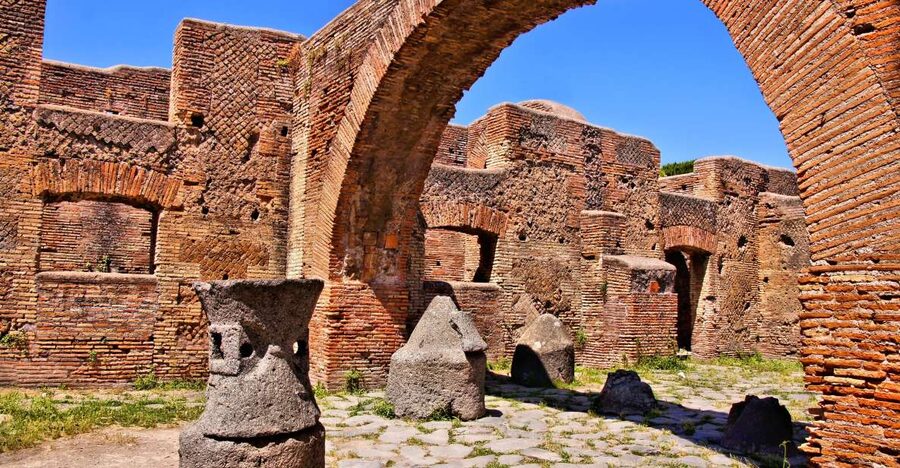
- What you’ll actually walk past: domus, baths, temples, shops, thermopolia, theaters, brothels, casts, and a preserved amphitheater
- Bring essentials because heat is real and food/drink isn’t included
A self-guided Pompeii plan that actually fits in one day
Pompeii covers about 66 hectares, and it draws around 3 million visitors a year. That scale is why I like this format: it doesn’t pretend you’ll see everything on command. Instead, you get a ticket that gets you in fast and tools that help you appreciate what you find.
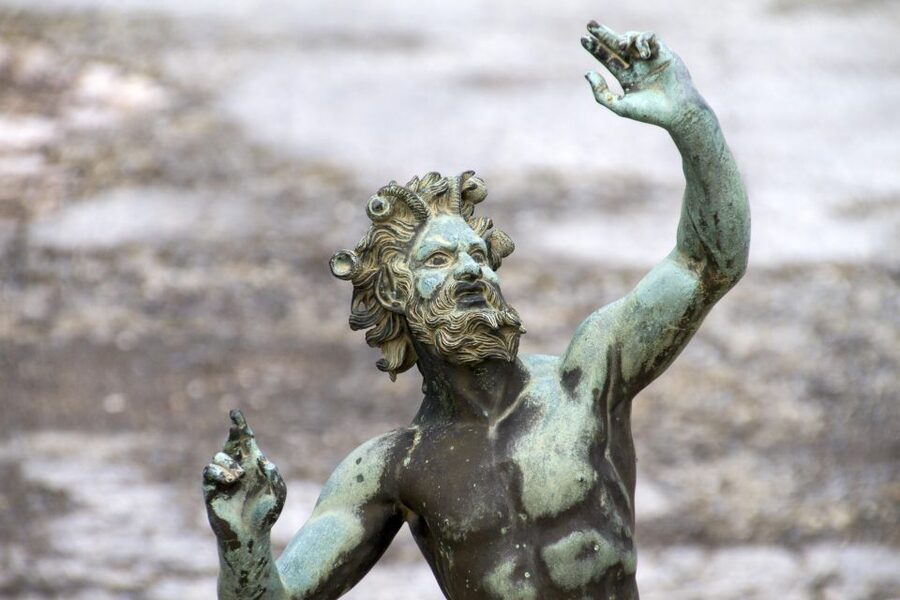
You’ll basically build a “greatest hits” loop yourself. The site features show up like chapters as you walk: frescoed houses (domus), bath areas, temples, street-level shops and thermopolia (the ancient quick-serve equivalent), plus theaters and brothels. Then you’ll hit the part that never feels routine: the casts of eruption victims, followed by one of Pompeii’s best-preserved Roman amphitheaters.
You can also read our reviews of more tours and experiences in Pompei Campania.

Skip-the-line ticket + audio guide: how to use it without stress
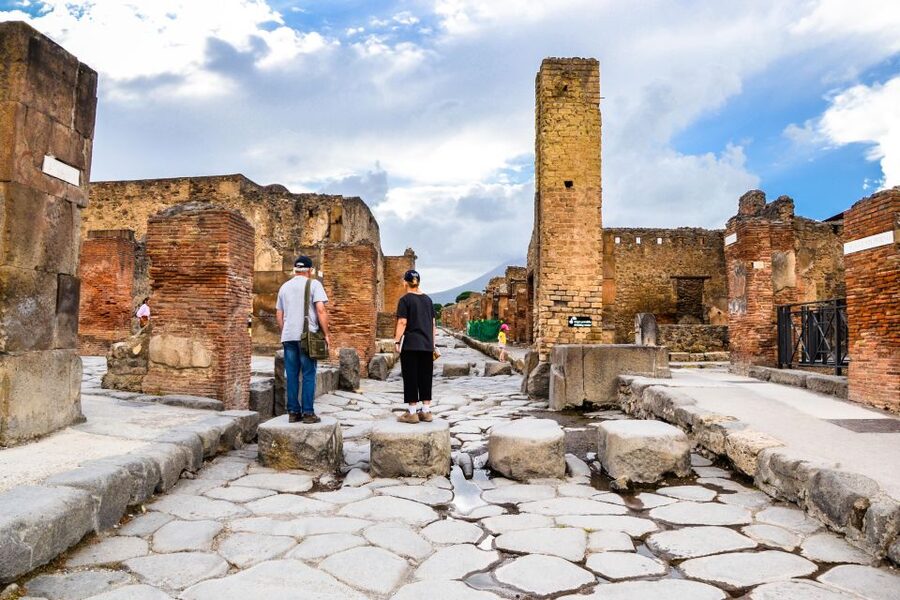
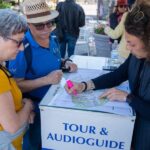
The core value here is simple. You’re buying a Pompeii entrance ticket that helps you avoid the worst waiting, and you’re handed an audio guide and an updated map so you don’t arrive totally blind.
In practice, I’d use the first 30 minutes like this:
- Get oriented with the map before you drift into side streets.
- Pick a few “must-see” categories (for example: domus, baths, casts, amphitheater).
- Start walking, then let the audio guide steer you from there.
One practical detail: the host or greeter is available in English, Spanish, French, and Italian, which makes picking up your materials easier if you don’t speak much Italian. And from what I’ve heard, the handoff can be quick and organized, so you’re not stuck waiting around with your shoes already on.
What you’ll see in Pompeii: domus, frescoes, and everyday Roman life
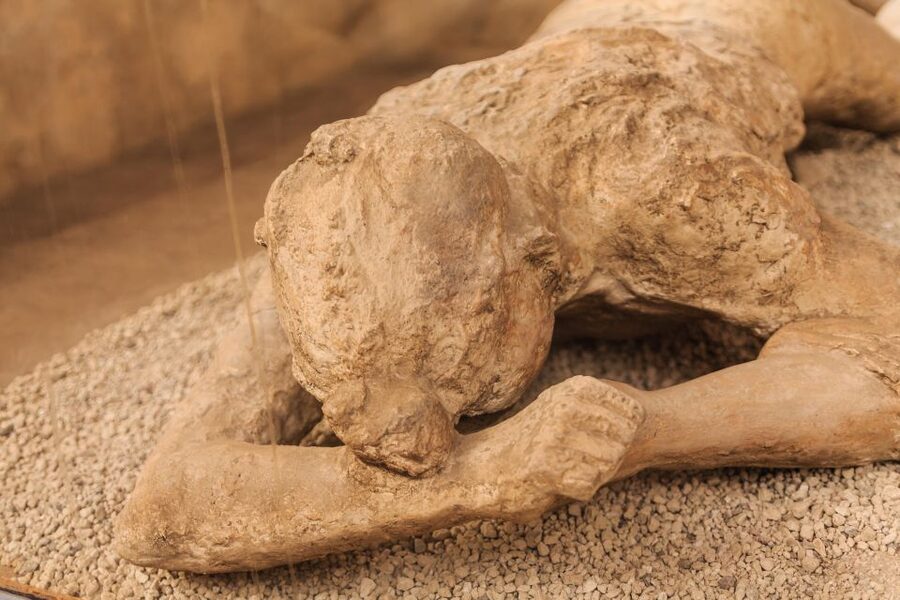
Pompeii isn’t just ruins. It’s a preserved snapshot of how people actually lived—down to the way homes looked and how rooms were decorated.
As you move through the domus (frescoed houses), pay attention to what the audio guide points out: the relationship between public and private spaces, and how decoration helped make daily life feel more than functional. These houses are where Pompeii starts to feel personal. Instead of hearing about Rome in a textbook, you’re walking through a place that shows taste, status, and routine.
A good self-guided strategy:
- Don’t rush every doorway. Pick one house and take your time.
- Let the audio narration help you notice details you’d otherwise skip.
- If you get “fresco fatigue,” step back to the street level and reset with the next stop.
This is also where the updated map matters. With Pompeii’s layout, it’s easy to lose momentum if you’re constantly asking yourself where to go next. The map helps you keep moving in a way that makes sense.
Baths, temples, shops, and thermopolia: the stops that reward slow walking
The route through Pompeii works best when you understand that it isn’t only dramatic architecture. It’s also small everyday spaces that make the city feel real.
Here’s what you’ll likely encounter while following your own rhythm:
- Spas: more than “bathrooms,” they show a communal rhythm to daily life.
- Temples: you’ll see the sacred spaces that structured the culture.
- Shops and street commerce: this is where the city shows its active economy.
- Thermopolia: these are the ancient fast-food counters—busy, practical, and built for people who wanted food without waiting.
If you’re the type who likes to understand how a city worked, thermopolia are a great lever. Even without fancy storytelling, you can look at the layout and imagine the flow: order, serve, eat, move on. Then the audio guide can add context so it’s not just a cool room.
One warning from real-world experience at Pompeii: heat and walking add up fast. A tour that sounds short on paper still becomes a serious leg workout once you’re moving between clusters of ruins. That’s why comfortable shoes and pacing are not optional.
Theaters, brothels, and the casts: when history stops being abstract
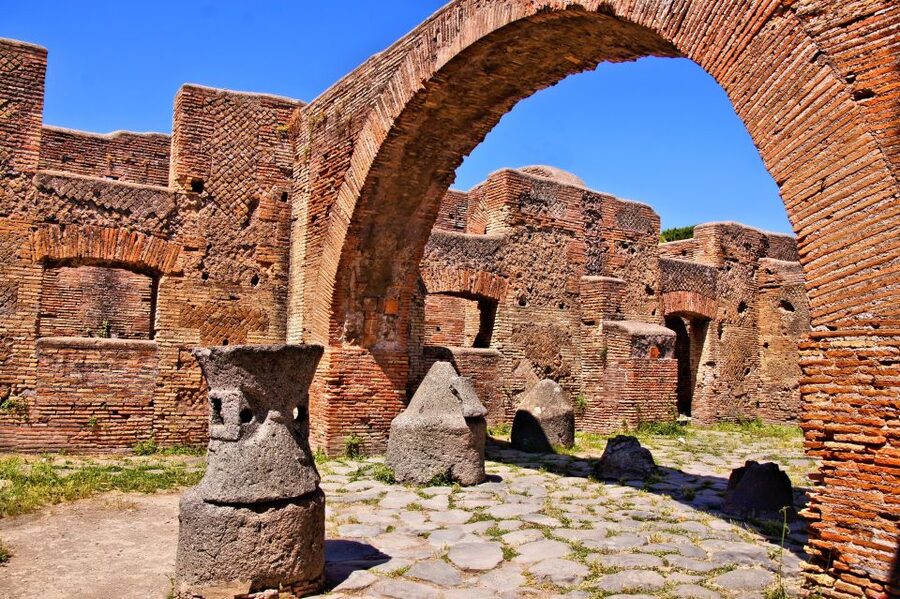
Some stops in Pompeii can feel oddly modern because they deal with human behavior—entertainment, desire, fear. And that’s why the audio guide is especially helpful here, since the site itself doesn’t always offer enough on-the-spot explanation.
You’ll be able to see:
- Theaters, where Romans gathered for performance
- Brothels, showing the reality of commerce and social life
- Casts of victims, which are the emotional center of any Pompeii visit
The casts are not a “photo stop.” I treat them like a pause. Even on a self-guided day, you’ll want a minute to stand there and let it land. This is where Pompeii stops being an architectural highlight and becomes a human story.
Also, consider time for this segment early in your day if possible. People often feel the museum-like heaviness more when they’re not already worn out from heat and crowds.




The Roman amphitheater: the payoff for making it to the end
One of the great reasons to keep going is that Pompeii includes one of the best-preserved Roman amphitheaters. Even if you don’t care about sports or spectacle, you’ll likely appreciate the shape and scale.
For me, amphitheaters work best when you’re not trying to see them like a checklist item. Instead, take advantage of the structure:
- Notice sightlines and how the seating “holds” the space.
- Use the audio guide to connect it to how performances worked.
- Snap photos if you want, but spend more time looking than photographing.
If you’re trying to cover a lot, it’s easy to sprint through the amphitheater and miss why it’s famous. The self-paced format helps here, because you can arrive when you’re ready to slow down.
Timing, heat, and what to pack for a one-day Pompeii walk
This is a one-day experience, but Pompeii can still feel like multiple visits. With no guided pacing, you have to pack the day well.
What to bring:
- Comfortable shoes (seriously)
- Hat
- Sunscreen
- Water
Water is a big deal. One common point I’ve heard: restaurants aren’t always easy to find once you’re in the thick of the ruins, so plan for breaks that don’t depend on finding a place to eat.
What’s not included: food and drinks. So I’d treat Pompeii like an all-day hike with cultural stops. Bring snacks if that works for you, or plan your lunch before you go deeper into the site.
Price and value: does $44 make sense?

At $44 per person, the value is in what you get bundled:
- Pompeii entrance ticket
- Audio guide
- Updated map
- Skip-the-line entry
You’re paying for convenience and context, not for someone leading you by the elbow. For many people, that’s exactly what Pompeii needs. The ruins are spread out; the site is huge; and your interests matter. The audio guide turns scattered stone into a guided narrative you can follow at your own tempo.
If you tried to do Pompeii without this kind of toolset, you’d likely spend more time figuring things out than seeing. And the map helps you avoid that common trap: walking a pretty loop that doesn’t include the parts you actually cared about.
So I think the $44 price is fair when you’ll use the audio guide and map. If you’re the type who hates handheld audio at all and wants constant human guidance, you might decide on a different style of tour.
Small practical realities to plan around
A few details can make the difference between a smooth day and a frustrating one:
- Not allowed: luggage or large bags. Travel light so you aren’t dealing with storage issues.
- Not suitable for people with mobility impairments. The site isn’t set up for easy access.
- Bring your patience for wayfinding. One person described the signing as unclear. That matches what you can expect in a huge archaeological zone.
- Audio-guide vs map gaps can happen. There’s feedback that some items on the map weren’t clearly reflected in the audio guide, so don’t treat either as perfect. Use both as tools.
One helpful mindset: treat this like navigation plus storytelling, not like a guided “tour route.” When you do that, the independence becomes a strength.
Should you book this Pompeii skip-the-line audio ticket?
I’d book it if you want:
- a stress-lower entry with skip-the-line access
- to explore at your own pace without losing the main highlights
- an audio guide that you can listen to while walking through domus, baths, temples, shops/thermopolia, theaters, brothels, casts, and the amphitheater
I’d skip it (or reconsider) if:
- you need step-by-step human escort support, especially for wayfinding
- you hate self-navigation and prefer a strict itinerary
- you’re expecting food to be part of the package (it isn’t)
If you do book, do yourself a favor: start early, wear the right shoes, carry water, and use the map to pick a simple route. Pompeii rewards that kind of smart pacing.
FAQ
How long does this Pompeii ticket last?
This experience is valid for 1 day. You’ll check availability to see starting times.
What’s included with the ticket?
You get the Pompeii entrance ticket, an audio guide, and an updated map.
Is this really a skip-the-line ticket?
Yes. The ticket is described as skipping the line for entry.
What languages are available for the audio guide?
The audio guide is available in English, Chinese, French, Italian, German, Hebrew, Russian, Spanish, and Portuguese.
What languages are the host or greeter?
The host or greeter is listed in English, Spanish, French, and Italian.
What should I bring to visit Pompeii?
Bring comfortable shoes, a hat, sunscreen, and water.
Is food and drinks included?
No. Food and drinks are not included.
Is Pompeii accessible for people with mobility impairments?
No. This activity is listed as not suitable for people with mobility impairments.
Can I cancel and get a refund?
Yes. Free cancellation is available up to 24 hours in advance for a full refund.