REVIEW · MONTEREY AND CARMEL
Monterey State Historic Park and Fisherman’s Wharf: A Self-Guided Audio Tour
Book on Viator →Operated by VoiceMap Audio Tours · Bookable on Viator
Monterey’s wharf has a soundtrack. This self-guided VoiceMap route lets you wander Fisherman’s Wharf and Monterey State Historic Park at your own speed, with offline audio and maps you can start, pause, and restart anytime. I like that the walking loop is anchored by clear places—the MHAA: Salvador Dalí Museum at the start and the Pacific House Museum area at the finish—so you’re not guessing where to be next. The main drawback is simple: you need to bring your own smartphone and headphones, and you must download the app content before you go.
For the price ($8.99) and the time on your feet (about 1 hour 15 minutes to 1 hour 30 minutes), it’s a very practical way to get local context without paying museum-by-museum entrance fees. One small note from a top-rated experience: someone named Tobi was credited as an excellent guide for the day, which hints that the planning and on-the-ground support around the route are taken seriously.
Key Points to Know Before You Download
- Offline-first VoiceMap: audio, maps, and geodata work without cell service once downloaded
- Flexible pacing: start, pause, or restart at any time
- Clear starting anchor: begin at the MHAA: Salvador Dalí Museum
- A smart combo route: wharf area plus sections in Monterey State Historic Park
- Lifetime access in English: you can replay this tour anytime
- Low cost for a full walk: $8.99 for a self-guided route (no guided group required)
In This Review
- Getting Your Bearings: Start at the Salvador Dalí Museum
- Price and Timing: A Short Wharf-to-Park Walk
- What You’ll Do With the VoiceMap App (And Why It Matters)
- Fisherman’s Wharf Audio Stories: The First Stretch
- Monterey State Historic Park: Where the Route Slows Down
- The Portola Hotel Pass-Through: Context Without Detours
- Ending Outside the Pacific House Museum: Finish With the Trail Views
- What’s Included vs. What You Provide Yourself
- Pace and Comfort: Make It Feel Like Your Day
- Who This Tour Suits Best (And Who Should Skip It)
- Practical Tips Before You Press Start
- Should You Book This VoiceMap Audio Tour?
- FAQ
- How much does the Monterey State Historic Park and Fisherman’s Wharf audio tour cost?
- How long is the audio tour?
- Is the tour available in English?
- Do I need to download an app to use the tour?
- Can I use the tour without cell service?
- Where does the tour start and where does it end?
- Is transportation included?
- Are museum tickets included?
- Is this a private experience?
- Is the tour refundable if I cancel?
Getting Your Bearings: Start at the Salvador Dalí Museum
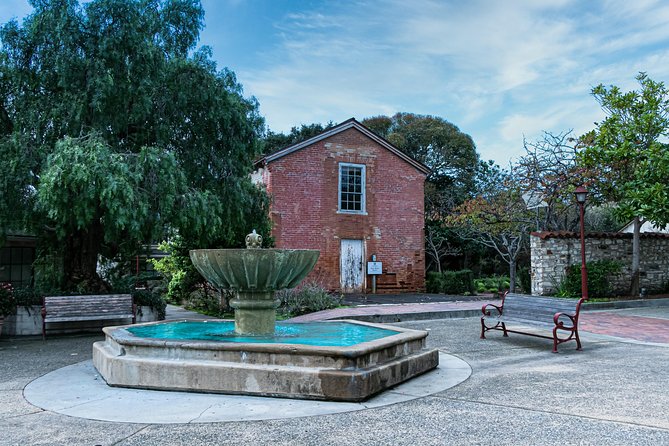
Your tour begins at the MHAA: Salvador Dali Museum, at 5 Custom House Plaza, Monterey, CA 93940. That’s a nice choice because it gives you a recognizable point right at the start—walk into the area, get your phone ready, and press play when you’re set.
Because it’s an audio tour, the real trick is lining up your expectations. You’re not rushing through a checklist of museum stops. Instead, you’ll use the audio prompts as a walking guide, moving from the museum-area streets toward the water and then into historic park space. The route is built to help you understand what you’re seeing, not just pass by it.
Also, the tour ends outside the Pacific House Museum on the Monterey Peninsula Recreational Trail, and the end point is described as across the road from the Salvador Dalí Museum area. Translation: you can think of it as a guided-feeling loop even though it’s self-paced.
If you love Monterey for the mix of waterfront views and historic-feeling streets, this starting point helps you get there quickly and stay oriented.
Price and Timing: A Short Wharf-to-Park Walk
The cost is $8.99 per person, and the duration is about 1 hour 15 minutes to 1 hour 30 minutes. That’s a sweet spot for a coastal town day. You can fit this in before lunch, after a morning activity, or as a low-commitment add-on when you want something meaningful without a full half-day tour.
Where the value really shows up is in what’s included versus what’s not. You’re paying for the audio route itself: lifetime access to the English tour, plus the VoiceMap app. You’re not paying for transport, food, or any entrance fees for museums along the way. So if you want to step inside a museum, you’ll need to handle that separately.
A good way to judge the timing: plan for a slow, real walk. Wharf areas and park paths can move at different speeds, and you’ll likely want pauses for photos or to catch your bearings. The tour is designed for stopping and restarting, so you won’t feel “behind,” but you should still expect to walk.
You can also read our reviews of more tours and experiences in Monterey and Carmel.



What You’ll Do With the VoiceMap App (And Why It Matters)
You’ll need to download the mobile app to access the audio tour. Once it’s set up, the experience includes offline access to audio, maps, and geodata. That matters in coastal California, because cell service can be spotty in pockets.
Here’s how I’d approach it:
- Download the tour before you leave your lodging.
- Bring headphones that work well outside (wind is real, and you’ll want audio you can actually hear).
- Expect that the phone is your compass—so keep the battery topped up.
The tour is offered in English, and it’s labeled as a private activity, meaning only your group participates. Since it’s self-guided, you’re not waiting for anyone, which is a big plus if your group has different walking speeds.
Also, the tour availability is shown as essentially all day (12:00 AM to 11:59 PM) within the listed date range. Practically, that means you can choose a time that matches your energy level and the light you want on the water.
Fisherman’s Wharf Audio Stories: The First Stretch
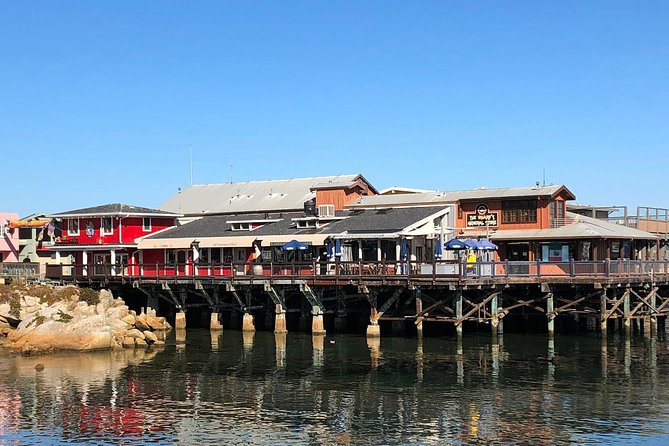
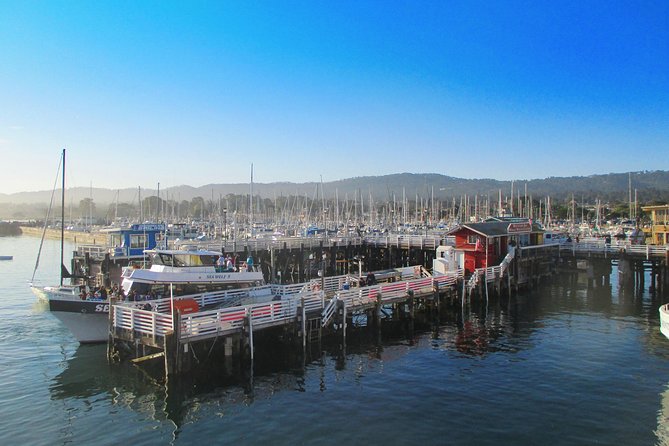
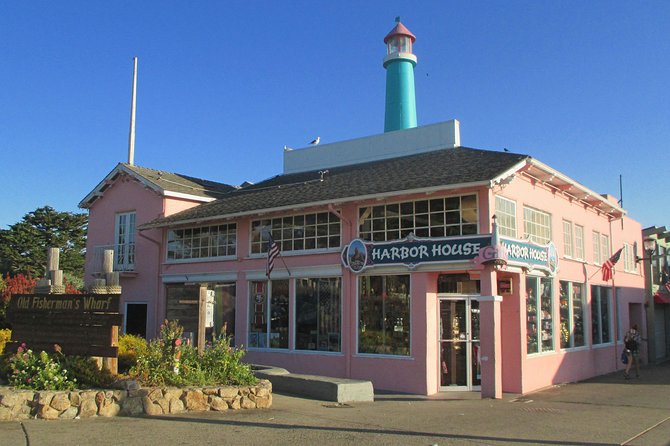
The first section happens on Fisherman’s Wharf. That area can feel like sensory overload—tourists, boats, snack smells, and that constant ocean air—but audio tours can turn that chaos into clarity.
This part of the route is where you’ll likely start building context: what you’re seeing and why it matters. Because the audio is paced for walking, you don’t get trapped reading signs at every corner. Instead, you get prompted to look around as you move, which is exactly what you want on a lively waterfront.
What I like about starting with the wharf: it’s visual. You’ll be able to correlate what you hear with what you can immediately see—boats, shoreline angles, the rhythm of the waterfront. If you’re the kind of person who enjoys learning while moving, this sets the tone fast.
One practical consideration: wharf zones can be crowded. If you’re sensitive to noise and foot traffic, consider doing this early or later in the day, when you can still enjoy the views but with less jostling.
Monterey State Historic Park: Where the Route Slows Down
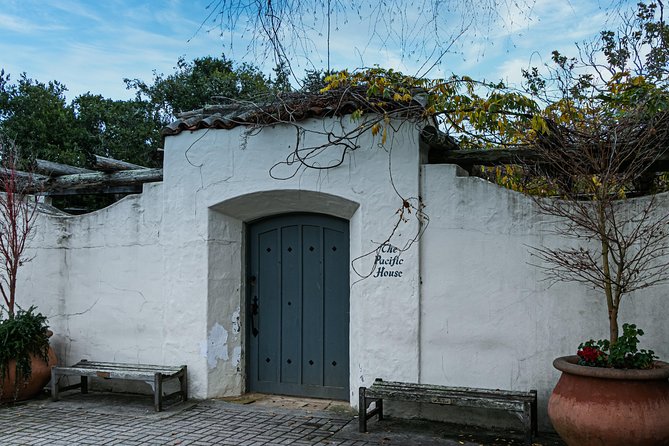
Parts of the tour take place in Monterey State Historic Park. This is where the experience often feels more grounded and less touristy. The historic park sections tend to invite slower walking and more attention to what surrounds you—architecture, street layout, and the “why” behind the area’s identity.
The value of this segment is that it balances the wharf’s energy. You’re not just chasing ocean views. You’re also connecting Monterey’s present to its older setting. Even when you’re not stopping for long, the audio prompts help you notice details you’d otherwise zip past.
A drawback to keep in mind: historic park areas can include uneven sidewalks, curving paths, or spots where you’ll naturally pause. If you’re wearing flimsy shoes, you’ll feel it by the time you reach the park sections. Good walking shoes make this tour feel effortless instead of tiring.
If you like “self-guided but not lost,” this is the sweet spot—audio does the interpretation while you do the walking.
The Portola Hotel Pass-Through: Context Without Detours
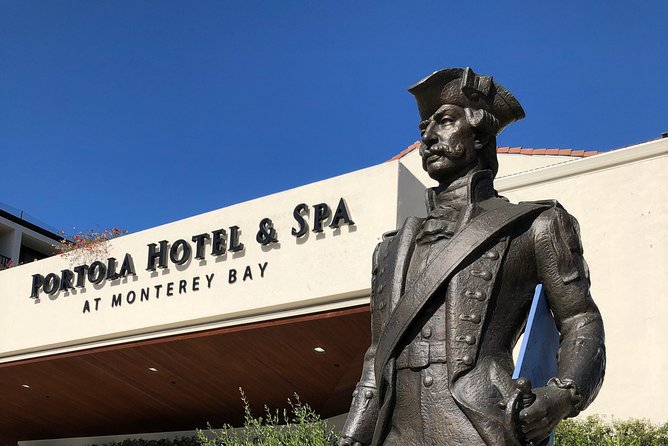
The tour passes through the Portola hotel. That might sound like a small detail, but it’s actually useful. Being routed through a well-known area helps your brain map the town as you go.
This kind of pass-through can also keep the route flowing. You’re not building extra detours to see a landmark; you just glide through and get contextual information along the way. It’s the difference between a walking tour that feels like a string of unrelated stops and one that feels like an actual neighborhood path.
What you should expect here is not a museum-style visit. Since entrance fees and tickets aren’t included, the tour is best treated as an informative route through the surroundings—perfect for a quick but meaningful view.
If you’re hungry or the weather turns, this pass-through can serve as a natural “moment to regroup” while staying on track. The app lets you pause and restart, so you can step aside briefly, check your direction, and get back into the audio when you’re ready.





Ending Outside the Pacific House Museum: Finish With the Trail Views
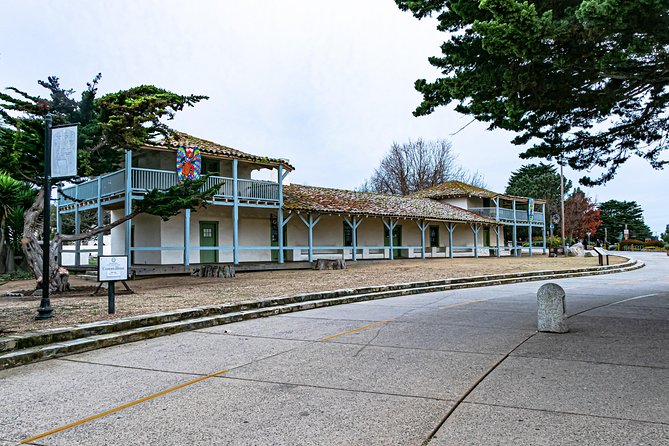
The tour ends outside the Pacific House Museum on the Monterey Peninsula Recreational Trail, described as across the road from the MHAA: Salvador Dali Museum. This ending works well because it gives you a final stretch with more breathing room than the densest wharf areas.
I like endings like this for two reasons:
- You finish feeling like you actually moved through Monterey, not just around it.
- The trail setting often makes it easier to take photos and soak up the ocean air right as you wrap up.
Just remember: tickets or entrance fees to museums aren’t included. If the Pacific House Museum is calling your name, plan to buy admission separately. The audio tour itself is about the walk and the interpretation, not paid entry.
A small tip: when you reach the finish area, don’t feel like you must immediately leave. Use the last few minutes to reset, scan your phone map, and decide what your next stop should be—ice cream, another waterfront look, or a short detour back toward your car or lodging.
What’s Included vs. What You Provide Yourself
Included:
- Lifetime access to this tour in English
- VoiceMap app for Android and iOS
- Offline access to audio, maps, and geodata
Not included:
- Smartphone and headphones
- Transportation
- Food and drink
- Tickets/entrance fees to museums or other attractions en route
This split is what makes the tour budget-friendly. You’re not paying extra just because you’re near popular sights. You’re paying for the audio experience itself.
Your job is easy but important: bring the right tech and comfort. A phone with enough battery life plus a decent headphone setup will make the difference between a smooth walk and a frustrating one.
Also, since it’s a download-and-go situation, treat the download like part of the tour prep, not an afterthought.
Pace and Comfort: Make It Feel Like Your Day
The big advantage of this being self-guided is control. You can start, pause, or restart at any time and complete it at your own pace. That’s great if:
- you stop for photos often,
- your group doesn’t all walk at the same speed,
- you want to adjust to weather.
At the same time, the route is still a walk. For most people, 1 hour 15 minutes to 1 hour 30 minutes is manageable, but you’ll get more enjoyment if you plan for comfortable footwear and a little flexibility.
I’d also think about timing. If you go when the wharf is packed, you’ll still get value, but you might feel more “in motion” than “in contemplation.” If you go when it’s calmer, the historic park sections can feel more like an actual story, not just a soundtrack over crowds.
Who This Tour Suits Best (And Who Should Skip It)
This is a strong choice if you want:
- an easy, low-cost way to explore Monterey’s waterfront and historic areas,
- a plan you can run on your schedule,
- offline maps and audio so you’re not stuck chasing reception.
It’s especially useful when you don’t want to commit to a long guided tour, or when you prefer learning at a steady walking pace.
You might want a different option if:
- you don’t like tech-based tours (phone + app setup),
- you’re not comfortable walking for roughly 75–90 minutes,
- you need a fully guided, in-person explanation (this is self-guided by design).
And if your travel style is more “see it first, read it later,” the audio prompts may feel slower than you expect—so make sure you’re in the mood for listening while walking.
Practical Tips Before You Press Start
A few things will make your day smoother:
Download first. The tour requires downloading the mobile app content to access the experience, and you’ll want offline audio ready before you hit the waterfront.
Bring headphones. Headphones aren’t included, and you’ll want something comfortable for outdoor walking.
Plan for a phone battery check. Offline still needs power. If your battery runs low, you’ll lose the audio and map guidance.
Wear good walking shoes. The route includes Fisherman’s Wharf and parts of Monterey State Historic Park, which can mean mixed surfaces and natural pauses.
Give yourself a little extra time. The duration estimate is approximate. If you like stopping for photos or short breaks, you’ll naturally stretch the experience toward the longer end of the range.
Should You Book This VoiceMap Audio Tour?
I’d book it if you want a straightforward, budget-friendly way to connect Monterey’s most famous waterfront with historic park space—without paying extra museum fees or depending on cell service. The combination of offline audio + offline maps, plus the freedom to start and restart, makes it a smart “use it whenever” tool in your travel day.
Skip it only if you don’t want to deal with app setup and headphones, or if you’re expecting an in-person guided experience with a person talking face-to-face. For most independent walkers, this is a practical way to make Monterey feel more understandable and more fun, one stop at a time.
FAQ
How much does the Monterey State Historic Park and Fisherman’s Wharf audio tour cost?
It costs $8.99 per person.
How long is the audio tour?
It takes about 1 hour 15 minutes to 1 hour 30 minutes (approx.).
Is the tour available in English?
Yes, it’s offered in English.
Do I need to download an app to use the tour?
Yes. You’ll need to download the mobile app to access the audio tour.
Can I use the tour without cell service?
The tour includes offline access to audio, maps, and geodata, but you’ll need to download it ahead of time.
Where does the tour start and where does it end?
It starts at Monterey History and Art Museum, 5 Custom House Plaza, Monterey, CA 93940. It ends outside the Pacific House Museum on the Monterey Peninsula Recreational Trail, on the other side of the road to the MHAA: Salvador Dali Museum.
Is transportation included?
No. Transportation isn’t included.
Are museum tickets included?
No. Tickets or entrance fees to museums or other attractions en route aren’t included.
Is this a private experience?
Yes. It’s labeled as private, and only your group will participate.
Is the tour refundable if I cancel?
No. It’s non-refundable and cannot be changed for any reason.