REVIEW · FLORENCE
Florence: Self-Guided Video Tour with World’s Best Experts
Book on GetYourGuide →Operated by AppyGuide · Bookable on GetYourGuide
Florence becomes easier to read with expert audio on tap. This self-guided Florence and Tuscany video tour pairs 70+ English narrated stories with famous sights like the Uffizi and Accademia, plus Palazzo Vecchio and beyond. You build your own route, stop when you want, and replay stories for a year.
I especially like two things. First, the format is made for real-life museum time: bite-sized video/audio stories that help you make sense of what you’re seeing. Second, the content feels practical, not just academic, with expert narration that makes art and local culture click fast.
One big consideration: it’s streamed in real time, so you need stable 5G/LTE plus headphones and a charged phone. If your connection is weak, the experience can stall.
In This Review
- Key highlights worth your attention
- What you get for $45: a year of Florence context, not just directions
- Streaming reality check: you need 5G/LTE, headphones, and phone battery
- Uffizi and Accademia: expert narration that helps you look longer
- Palazzo Vecchio: power, politics, and the city’s story in your ears
- Florence squares and street-level context: what “hidden tales” usually means
- Tuscany beyond the museums: food and winemaking stories you can use on day trips
- How to plan your self-guided route without wasting time
- Quality of the experience: what the reviews suggest (and what to watch)
- Who should book this Florence video tour?
- Should you book this Florence experience?
- FAQ
- How long do I have access to the Florence and Tuscany tour?
- What language is the tour narrated in?
- Is it an audio-only tour or a video tour too?
- Do I need internet while using the tour?
- What equipment do I need?
- Are museum or attraction entry fees included?
- Where do I meet for the tour?
- Is this tour suitable for everyone?
Key highlights worth your attention

- Bite-sized English stories that make major sights easier to understand
- Expert historians and TV presenters narrating the art and context
- Replay for 12 months, so you can preview or revisit after your walks
- Coverage across Florence and Tuscany, including culinary and winemaking themes
- Self-guided flexibility, with no fixed meeting point or group pace
- Video quality noted as strong in user feedback
What you get for $45: a year of Florence context, not just directions
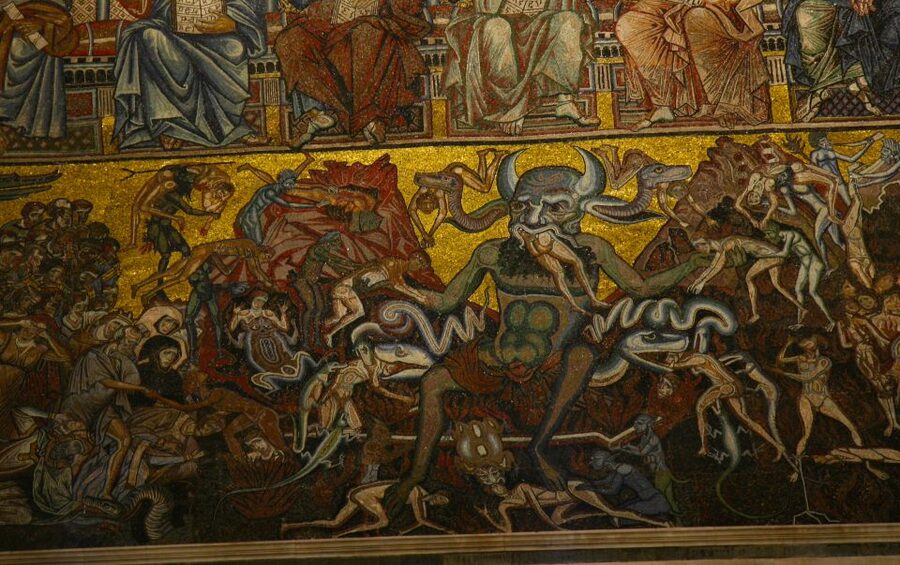
At $45 per person for 365 days, the value here is less about one “guided day” and more about having an expert-minded companion you can use whenever Florence fits into your trip. For that price, you’re paying for interpretation: the why behind what you see, told in a way you can actually use while you’re standing in front of the real thing.
The promise is simple: 70+ English narrated audio stories, with expert-led video storytelling that covers Florence and Tuscany. The format matters. Instead of dumping a long lecture on you, the stories are designed as easy-to-listen chunks. That’s great when you’re dealing with museum lines, fatigue, and the fact that you’ll want breaks.
You’ll also want to know the tradeoff up front: it’s not a live guide. There’s no one meeting you at a square and steering you through the day. You’re creating your own itinerary from their list of places to see. That can be a win if you like freedom. It can feel frustrating if you want constant human coaching.
You can also read our reviews of more tours and experiences in Florence.


Streaming reality check: you need 5G/LTE, headphones, and phone battery
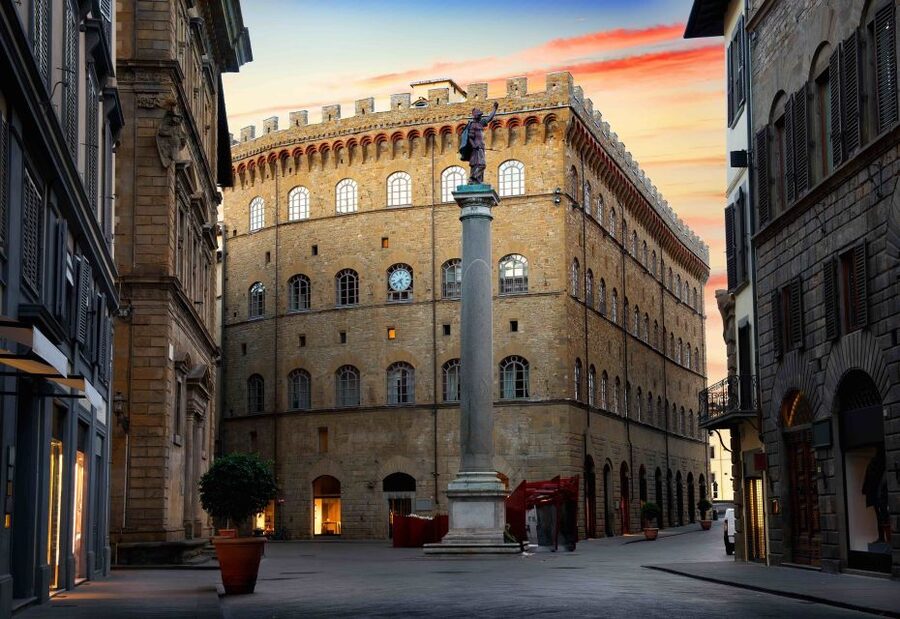
This is a tour built for modern phones, not for airplane-mode travel. AppyGuide delivers content by streaming in real time, and 5G or LTE is required. The information is explicit that 2G and 3G aren’t sufficient for the content delivery.
So, before you start, do the unglamorous prep:
- Bring headphones
- Make sure your smartphone is charged
- Carry a power bank if you plan to stay out for hours
- Plan on a stable connection while moving between museums and streets
In practice, that means you’ll want to treat your phone like a “tour accessory,” not just a camera. If you’re the type who forgets to top up your battery, you’ll have a worse time. And if Florence’s Wi‑Fi isn’t cooperating, your plan should still work if your cellular signal is strong.
One more point from the experience details: this guide is not suitable for hearing-impaired people and it’s not for children under 13. That’s worth keeping in mind so you’re not disappointed by the format choice.
Uffizi and Accademia: expert narration that helps you look longer
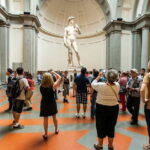
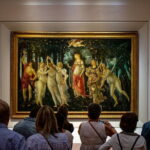
Two major pillars of the program are the Uffizi Gallery and the Accademia Gallery. Even if you’re not a die-hard museum person, I like what this kind of storytelling can do: it gives you a way to keep moving through the galleries without feeling lost.
Here’s how it tends to work when you’re using stories on-site:
- You get short, structured context tied to what you’re viewing
- You can focus your attention faster (what to look for, what a scene is doing, what an artwork is responding to)
- If you hit a wall, you can pause and jump to another story segment
That’s useful because big museums don’t forgive confusion. Without context, you’ll spend energy decoding labels. With a guided audio/video structure, you can spend that energy looking.
User feedback supports this angle. One reviewer said they liked it even though they aren’t a huge museum fan, and the guides made the sights more interesting. Another noted that the videos are high quality and that the content helps them “truly appreciate” the art and history, with the bonus that they can revisit or watch ahead to get excited.
Possible drawback: museum visits can already be distracting—crowds, rules, and fatigue. Adding headphones and a streamed experience means you’ll need to stay organized. If you want a super low-tech day, this might feel like extra gear.
Palazzo Vecchio: power, politics, and the city’s story in your ears

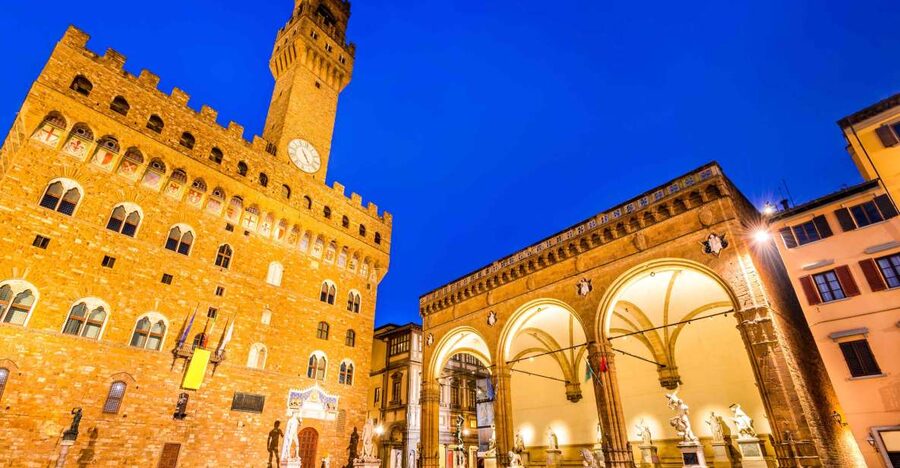
The program doesn’t stop at paintings. Palazzo Vecchio is part of the mix, and that’s important because it anchors Florence’s story in civic power. When you pair an art-heavy city with a place of governance, the whole theme of “why this mattered” becomes clearer.
What I like about having interpretation for civic spaces is that it helps you connect dots. Florence isn’t just a museum city; it’s a city built by families, civic institutions, and public life. A story tied to Palazzo Vecchio can help you understand the building as more than impressive walls.
In the same way Uffizi and Accademia encourage you to slow down and look, Palazzo Vecchio encourages you to read the city. You’re thinking about who had influence, what symbols meant, and how art and politics borrowed each other’s authority.
The main consideration here is still practical: you’re choosing your timing and your route. If you rush, you’ll miss the payoff. This type of tour works best when you let one spot lead you to the next.
Florence squares and street-level context: what “hidden tales” usually means
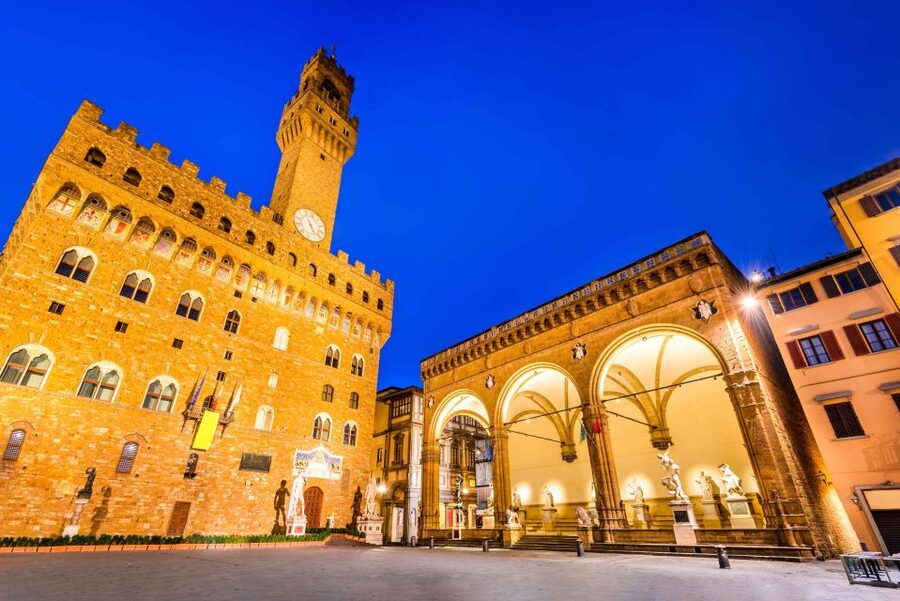
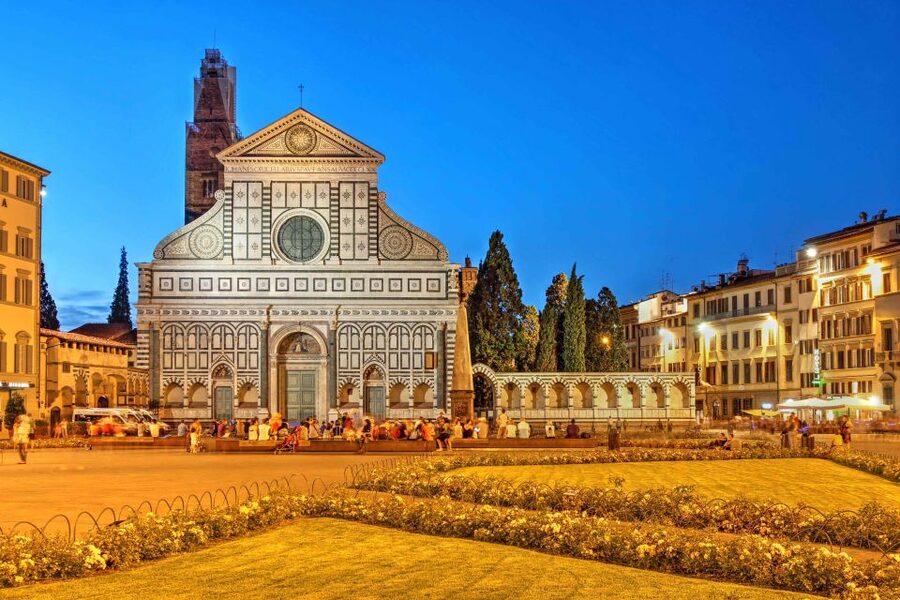
The tour description mentions must-see landmarks and hidden tales, including Florence’s bustling squares and calmer pockets, plus Tuscany’s vineyards. Even without a fixed itinerary, that’s exactly what you should look for when you plan your own route: use the stories as a way to travel with intention.
Here’s a practical way to build your day:
- Start in an area you already plan to visit (so you’re not wandering blindly)
- Use a story segment to set the scene before you enter a major site
- After a museum, walk out into the streets with stories tuned to city life—how people lived, what traditions shaped food and culture, and how the past shows up in everyday spaces
This is also where the “VIP feel” mentioned in reviews makes sense. When your understanding is stronger, every corner seems more meaningful. That doesn’t require fancy logistics. It requires good context at the right moment—and the program is designed for that timing.
Drawback to watch for: if you try to cover too many places in one day, you’ll start skipping. The self-guided format gives you freedom, but you still have to manage your energy. The guide works best when you listen with your feet rather than treating it like background noise.




Tuscany beyond the museums: food and winemaking stories you can use on day trips

A lot of Florence tours stop at the city limits. This one explicitly expands into Tuscany, with storytelling that includes local culinary and winemaking tales. That’s a big deal if your trip includes even one day outside Florence, because the region’s food culture and wine traditions are a major part of the lived experience, not just a souvenir.
Even if you’re not doing a full wine tour with a driver, these stories help you appreciate what you’re seeing:
- Why people talk about vineyards and regional craft
- How local food culture grew from land, seasons, and trade
- What makes Tuscany’s identity feel distinct from other parts of Italy
And because you get access for 365 days, you can match the stories to when you actually taste something. Listen before you go, then connect it to what you experience later.
If you’re traveling solo, this is especially helpful. It gives you a narrative thread without adding a tour group schedule. If you’re traveling with friends, it can also help you compare what you each noticed—one person might care about art details, another might remember the wine story better.
How to plan your self-guided route without wasting time

The program is self-guided, which means you get to define your own itinerary from their comprehensive list of remarkable places. That’s freedom, but it also means you need a simple planning method so the day doesn’t become decision fatigue.
I recommend this approach:
- Choose one anchor museum or major site per day (Uffizi or Accademia are natural anchors).
- Add one civic/landmark stop (Palazzo Vecchio fits well).
- Leave space for a walking hour where you listen to Florence street-level context.
- If you have time, add a Tuscany-related story segment for later—either as a prelude or a follow-up after you’ve eaten and wandered.
You set the pace. Start and finish whenever you want. That can save you from the common travel problem of being stuck waiting for a group schedule.
One more planning tip: museum entry fees are not included. So you’ll still need to handle ticket planning on your own. The guide can make the visit smarter, but it won’t cover the cost of admission.
Quality of the experience: what the reviews suggest (and what to watch)
The rating is 3.7 out of 5 based on 11 reviews, so the pattern isn’t perfectly one-sided. The strongest praise focuses on clarity, engagement, and video quality. One reviewer specifically called out amazing video quality and said the content transports you back in time. Another said the presentation is very well done and engaging and lively. Others appreciated that it makes museums more interesting and helps them discover lesser-known experiences via the site.
There’s also one low-rating report: a 1 out of 5 review claimed they were scammed the money after booking the night before and couldn’t enjoy the tour, with a complaint that they wouldn’t refund. I can’t verify what happened, but it does point to a key takeaway: with any digital product, don’t assume access is instant. After you purchase, try to access the content right away so you can resolve issues while you still have options.
If you want to reduce risk, do two things:
- Check access immediately on your device
- Test your stream reliability before you commit your day around listening
Who should book this Florence video tour?
This is a good fit if you:
- Want expert context without a live guide’s schedule
- Like the idea of using the same content multiple times during your trip
- Prefer self-guided freedom, especially in museums
- Appreciate art and history but need help making it feel readable fast
It’s also a solid choice if you plan to visit both Florence sites and take at least one Tuscany-focused outing, since the stories include food and winemaking.
You might skip it if:
- You don’t want to rely on 5G/LTE and streaming while you walk
- You’d rather have a human guide to answer questions
- You’re traveling with young kids (not suitable for children under 13) or you need accommodations for hearing-impaired visitors (not suitable per the provided info)
If you can handle basic phone logistics—headphones, battery, connection—this kind of tour can turn a museum visit from exhausting to enjoyable.
Should you book this Florence experience?
I think you should book if your goal is understanding, not just ticking sights. For $45 with 70+ English narrated stories and a full year of access, you’re buying a memory-builder. The format helps you look longer at Uffizi, Accademia, and Palazzo Vecchio, and it adds useful context for Florence and Tuscany culture, including culinary and winemaking themes.
I wouldn’t book it if you hate phone dependence or if your mobile coverage is spotty. Streaming is the backbone of the experience, so treat connection and battery as part of the plan, not an afterthought. And because the review score is mixed, I’d also test access soon after purchasing.
If you want Florence with guidance you can control, this is a smart way to do it.
FAQ
How long do I have access to the Florence and Tuscany tour?
You get access valid for 365 days from the moment of purchase, with unlimited replays during that time.
What language is the tour narrated in?
The audio stories are in English.
Is it an audio-only tour or a video tour too?
The experience is described as a video tour with narrated stories, and reviews mention video quality. Headphones are recommended for best listening.
Do I need internet while using the tour?
Yes. The content is streamed in real time and requires a stable 5G or LTE connection. 2G and 3G speeds are not sufficient.
What equipment do I need?
You’ll need a smartphone (or other device) to access the tour and headphones for listening. You should also keep your phone charged, and a power bank is recommended for longer exploring.
Are museum or attraction entry fees included?
No. Entry fees to museums or attractions are not included.
Where do I meet for the tour?
There is no set meeting point because it’s self-guided. You define your own route from the available list of places.
Is this tour suitable for everyone?
It is wheelchair accessible, but it is not suitable for children under 13 and it’s also not suitable for hearing-impaired people per the activity details.