REVIEW · ROME
Explore Vatican Art: Self-Guided Tour with Hosted Entry
Book on Viator →Operated by Whats In Italy Tours · Bookable on Viator
One building, thousands of masterpieces, zero rushing. This self-guided Vatican Museums and Sistine Chapel experience gives you a strong start with hosted entry, then lets you explore at your own pace with a digital guidebook. It’s a smart way to see the big hitters without getting stuck in a rigid group rhythm.
I like two things most: you get Vatican Museums + Sistine Chapel tickets included for a flat price, and the host helps you handle the first hurdles fast. In the feedback, guides such as Assem, Amr, Catherine, Antonio, and Jhonson were singled out for making the art feel understandable, not just impressive.
One thing to consider: after the entry help, it’s truly self-guided—no live guide stays with you inside. Also, even with priority access, security checks can still slow you down at times.
In This Review
- Key Highlights to Know Before You Go
- What You’re Really Paying For: $39, Tickets, and a Digital Guide
- Starting at Viale Giulio Cesare: Hosted Entry and Security Checks
- Vatican Museums in 90 Minutes: How to See the Right Things Fast
- Sistine Chapel in 30 Minutes: The Sweet Spot for a First Visit
- Ending at St. Peter’s Square: Priority Entrance, But Know What’s Included
- The Digital Guidebook: Your Best Move After the Host Steps Away
- Guides Named in the Feedback: Why a Good Host Changes Everything
- Who This Tour Fits Best (and Who Might Want Something Different)
- Should You Book This Vatican Art Tour?
- FAQ
- Is this tour fully self-guided?
- What’s included in the price?
- How long does the tour last?
- Where does the tour start and end?
- What should I wear?
- Is flash photography allowed in the Sistine Chapel?
Key Highlights to Know Before You Go
- Hosted entry (with a real person): you’re not left alone at the gate trying to figure it all out
- Tickets included: Vatican Museums and Sistine Chapel admission are part of the package
- A digital guidebook: it points you toward must-see works and less obvious stops
- Short but focused timing: about 1 hour 30 minutes for museums plus 30 minutes for the Sistine Chapel
- Smallish group size: maximum of 100 travelers, so it’s not a cattle-car situation
- Priority entrance near St. Peter’s: your tour ends at St. Peter’s Square with access to the basilica priority area
What You’re Really Paying For: $39, Tickets, and a Digital Guide
At $39 for roughly two hours, the value here comes from two practical pieces you’d otherwise pay for or fight to arrange: admission to the Vatican Museums and the Sistine Chapel. You’re also getting a digital guidebook designed to keep you from wandering with no plan in one of the world’s largest museum complexes.
This isn’t a “sit and listen for hours” experience. You do the exploring yourself, with structured help at the beginning. That’s great if you hate feeling herded, or if you want to linger on a sculpture longer than the person next to you.
The other practical plus: you’re starting from a defined meeting point in Rome and ending in a very convenient spot at the Vatican. That means you don’t have to play map games while your feet are already tired.
You can also read our reviews of more tours and experiences in Rome.


Starting at Viale Giulio Cesare: Hosted Entry and Security Checks
Your start point is Viale Giulio Cesare, 229, 00192 Roma RM. The tour also has a ticket redemption point at Via Germanico, 16, 00192 Roma RM, so the process is meant to be straightforward once you’re in the right area.
The host’s role matters more than it sounds. During the security screening wait (which can still happen even with priority access), the guide starts the introduction so you’re not just killing time in silence. In a place that can feel chaotic, that’s a genuine service.
A few on-the-ground reminders you should plan around:
- Dress code: shoulders and knees must be covered. No clever workarounds—bring a light layer if needed.
- Security screening is mandatory. Priority helps, but it doesn’t control every delay.
- Cloakroom rules: large bags, backpacks, and umbrellas must be checked. If you’re traveling light, you’ll feel less friction.
One more small note that affects your day: the tour requires moderate physical fitness. You’re walking through major museum spaces and corridors, with limited “sit down and reset” moments.
Vatican Museums in 90 Minutes: How to See the Right Things Fast
The Vatican Museums stop is about 1 hour 30 minutes, and admission is included. In that time, the trick is focus. The museums are enormous, so “seeing everything” isn’t the goal here. The digital guidebook is built to help you choose what to notice first.
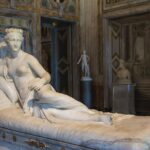
What you can expect in those 90 minutes is a sweep across major categories: Renaissance art, sculptures, and ancient artifacts. Even if you’re not an art expert, the collections are organized in a way that lets you spot big themes—power, faith, mythology, and the sheer skill of Renaissance-era artists.
Here’s where the self-guided format becomes an advantage. If you’re the type who likes to stand still and really look—at faces, gestures, and material—you can. If you’d rather keep moving and save close-up time for one or two works, you can do that too.
The digital guidebook matters because it helps you “read” what you’re seeing. Without that, people often drift into a hallway-to-hallway blur. With it, you get prompted toward the works that tend to make the museum feel coherent instead of random.
One small drawback: since there’s no live guide inside, you’ll be using the guidebook as your main explanation tool. If you’d rather have a person narrate every room, you might find the pace a little too independent.
Sistine Chapel in 30 Minutes: The Sweet Spot for a First Visit
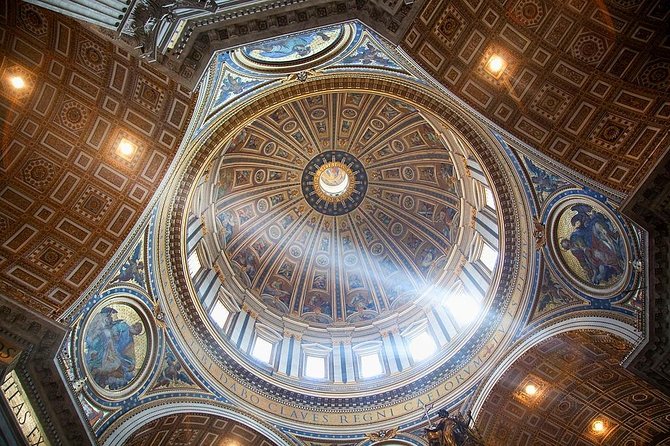
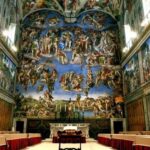
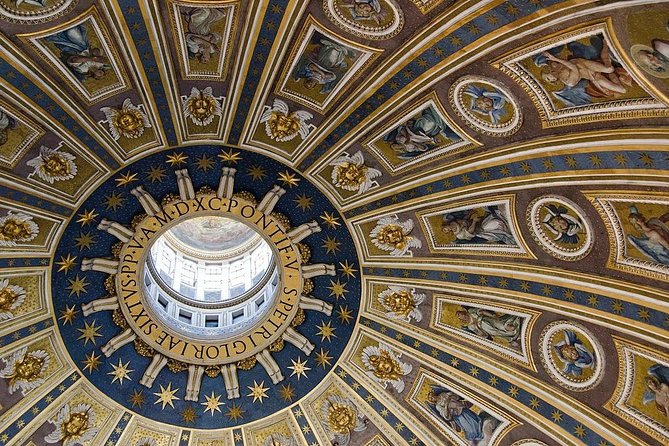
The second stop is the Sistine Chapel, with about 30 minutes set aside, and admission is included. This is the one room most people picture even before they arrive: Michelangelo’s ceiling painting is the headline, and it’s worth every second you’re given.
Thirty minutes can sound short, but it’s actually a workable amount for the Sistine Chapel if you use it well. The goal isn’t to memorize every figure. It’s to get your eyes calibrated—then follow a few key visual paths (central scenes first, then details) before you run out of time.
Because this is still self-guided once you’re inside, your best strategy is to decide what you want first. You can start with the ceiling overall to orient yourself, then return your attention to one or two areas where your eye keeps landing. That “choose your own focus” approach plays nicely with the format.
Also note the photography rule: flash photography is not permitted. So if you’re thinking of quick photos as souvenirs, plan on using normal lighting rules and keep it respectful.
Ending at St. Peter’s Square: Priority Entrance, But Know What’s Included
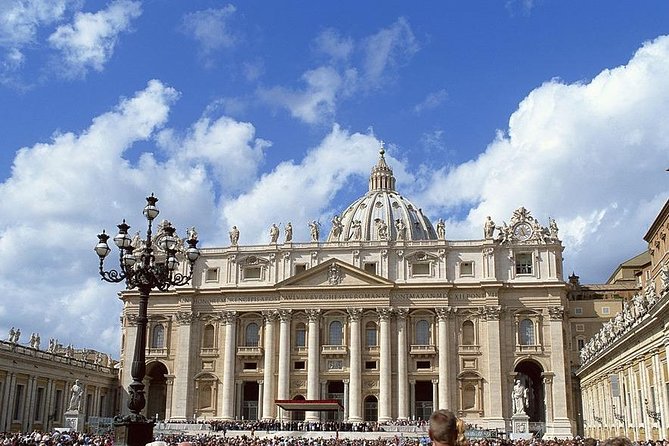
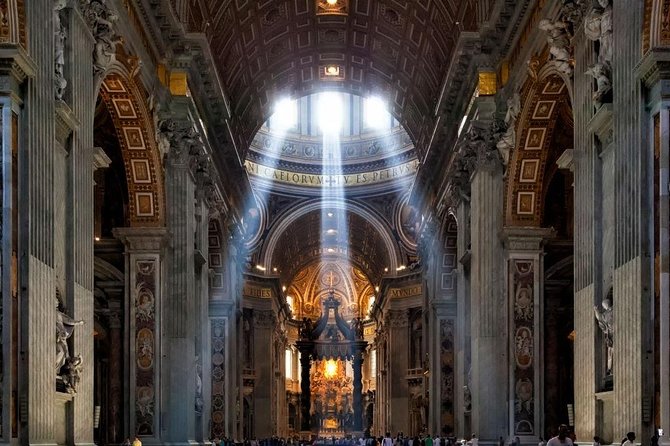
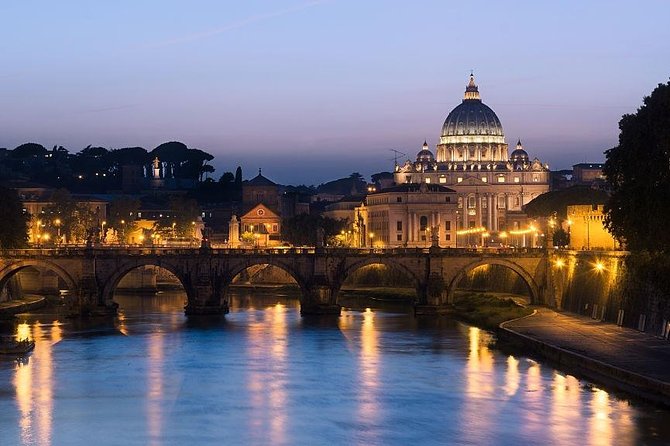
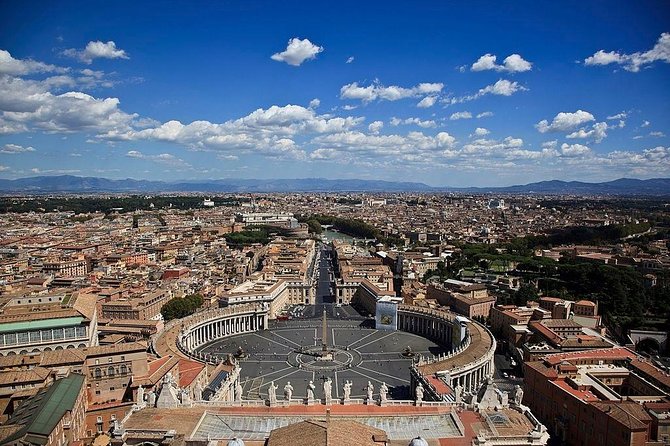
The tour ends at St. Peter’s Square (Piazza San Pietro) and specifically notes the end point as a priority entrance to St. Peter’s Basilica. That’s convenient, because you’re dropping right into the Vatican’s biggest visual finale.
But there’s an important detail: access to St. Peter’s Basilica is not included. The wording suggests you’ll finish near a priority entrance area, which can reduce hassle, but you may still need to handle basilica entry separately depending on what you choose to do next.
This is still a good setup. You see the museums and chapel, and then you can decide whether you want to keep going with St. Peter’s based on your energy level and interest. If you’re short on time in Rome, this “finish in the right place” design helps you avoid extra transit and extra searching.


The Digital Guidebook: Your Best Move After the Host Steps Away
The core experience is self-guided, supported by a curated digital guidebook. This is where you should be a little active rather than passive.
My advice: before you start walking deep into the museums, skim what the guidebook highlights for the main rooms you’ll be in. Then when you’re inside, don’t bounce randomly. Use the guide prompts like a checklist for understanding, not like a strict script.
This format can work especially well if you:
- love art but dislike being tied to a group timeline
- want flexibility when your attention latches onto something unexpected
- prefer learning at your own speed with short, targeted explanations
It can be less ideal if you:
- want constant live storytelling
- get frustrated when you have to manage your own navigation
- prefer a hands-on style teacher rather than a phone-based guide
Either way, you’re not alone at the start. The host helps you get rolling with the entry process and key tips while security screening is underway.
Guides Named in the Feedback: Why a Good Host Changes Everything
Even though the tour is self-guided inside, the host role can shape your whole visit. In the feedback, certain hosts stood out for clarity and presentation—people like Assem (described as an art history professor), Amr, Catherine, Antonio, and Jhonson.
If you end up with a host who explains context clearly, you’ll probably notice more on your own during the walk. Art often feels clearer when you know what to look for first—style, symbolism, or why a particular work was made.
Here’s the practical takeaway: show up ready to listen for the short orientation period, then switch into exploration mode. That combo—short setup, then self-paced looking—is what makes this kind of tour work.
Who This Tour Fits Best (and Who Might Want Something Different)
This experience is a strong match for:
- first-timers who want the Vatican’s biggest highlights without committing to a long guided package
- people who hate rigid timetables and large groups
- travelers who like using a guide for direction, then enjoy moving on their own
It might not be the best fit for you if you:
- want a live guide telling stories in every room
- need a longer museum time than about two hours total
- can’t comfortably handle security screening, cloakroom processes, and lots of walking
The good news is that the time plan is realistic. You’re not trying to cram the entire Vatican into one afternoon. You’re getting a clean, focused hit.
Should You Book This Vatican Art Tour?
Book it if you want tickets included, a helpful host at the start, and a self-guided flow that lets you pause, compare, and look longer at the parts that catch you. The pricing is reasonable for what you’re getting: museum entry, Sistine Chapel entry, and a digital guidebook that keeps you from getting lost in museum “noise.”
Skip it (or consider a different format) if you need nonstop human narration inside, or if you’re the type who feels lost without step-by-step guidance all day. Also, make sure you can follow the dress code and you’re ready for security screening even when priority access is promised.
FAQ
Is this tour fully self-guided?
It’s self-guided inside the Vatican Museums and Sistine Chapel. You do get a host who helps with the entry process and gives an introduction, but there is no in-person guide staying with you during the self-guided portion.
What’s included in the price?
The price includes entry to the Vatican Museums and entry to the Sistine Chapel, plus a detailed digital guidebook for self-guided touring. Transportation and food and drinks are not included.
How long does the tour last?
The duration is about 2 hours total, with approximately 1 hour 30 minutes for the Vatican Museums and about 30 minutes for the Sistine Chapel.
Where does the tour start and end?
The tour starts at Viale Giulio Cesare, 229, 00192 Roma RM. It ends at St. Peter’s Square (Piazza San Pietro), with the tour ending at the priority entrance area for St. Peter’s Basilica.
What should I wear?
You must have shoulders and knees covered. Plan ahead so you don’t get turned away or forced to improvise at the last moment.
Is flash photography allowed in the Sistine Chapel?
No. Flash photography is not permitted.