REVIEW · COPENHAGEN
Copenhagen: Hop-On Hop-Off Bus Tour with Audio Guide
Book on GetYourGuide →Operated by Stromma Danmark · Bookable on GetYourGuide
Copenhagen looks best when you can move at your speed. This hop-on hop-off bus gives you a simple way to cover major sights without locking into a rigid schedule. I like two things right away: the audio guide in 6 languages and the freedom to hop off at the big royal-and-waterfront landmarks. One thing to keep in mind is that because it’s an open-top style ride, weather can change how long you’ll want to stay outside.
You get a 48-hour-style sightseeing ticket approach, with access to three routes that cover very different parts of the city. That means you can match the bus to your mood: palaces and classic architecture, Carlsberg and zoo/park time, or street food, old harbor streets, and Christiania’s alternative culture.
The practical upside is that you can board from multiple stops (including Ved Stranden and Nyhavn) and still make it work. The tradeoff is that you’ll want to plan which line you’re on each day, because the routes don’t all run the same days and frequencies.
In This Review
- Key things to know before you ride
- Price and what you actually get for $36
- How the hop-on hop-off setup works over 48 hours
- Ved Stranden to Nyhavn: getting started without stress
- Classic Copenhagen Red Line: Rosenborg Castle, Amalienborg, and royal-core streets
- Green Line Frederiksberg & Vesterbro: Carlsberg Brewery, zoo time, and park breaks
- Purple Line Christianshavn & Refshaleøen: Reffen street food, Christiania, old harbor streets
- Tivoli Gardens add-on: when it’s worth paying more
- Onboard audio guide and free Wi‑Fi: small comforts, real payoff
- The 27 stops strategy: build a day that doesn’t feel rushed
- When schedules get tricky: how to avoid the most common mistakes
- Who this tour suits (and who should choose something else)
- Should you book this Copenhagen hop-on-hop-off bus tour?
- FAQ
- How long is the Copenhagen hop-on hop-off bus ticket valid?
- Where can I start the bus tour?
- How many routes are included?
- What languages are available on the audio guide?
- Are there stops at major sights like Rosenborg and Amalienborg?
- Does the bus include Nyhavn?
- Can I add Tivoli Gardens admission?
- Is Wi‑Fi available on the bus?
- When do the routes run?
- What parts of the ticket cost extra?
- Does the ticket offer flexible cancellation or payment?
Key things to know before you ride
- Three routes, one ticket style: Classic (Red), Carlsberg/Frederiksberg (Green), and Christianshavn/Refshaleøen (Purple)
- Hop at the landmarks you care about: Rosenborg Castle, Amalienborg Palace, and Nyhavn are called out as easy targets
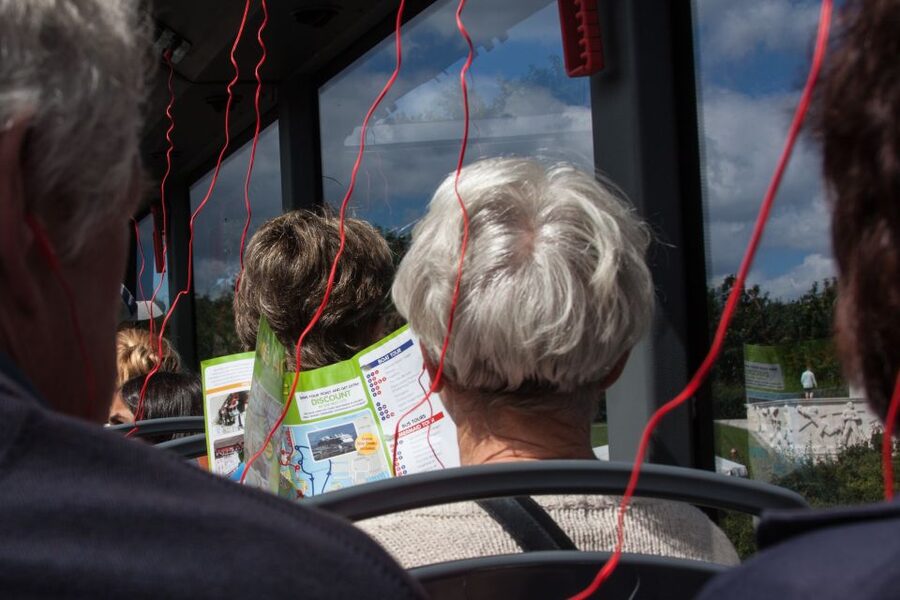
- Audio guide in 6 languages: Danish, English, French, German, Italian, Spanish
- Open-top comfort + free Wi‑Fi: Handy for quick messages when you’re on the go
- Optional Tivoli Gardens entry: Add it when you know you’ll want to go
Price and what you actually get for $36

At $36 per person, this is priced like a mid-range “see a lot fast” option, not a bargain-only ticket. The value comes from two smart things you’re buying with that ticket: time-saving route coverage and onboard context.
Copenhagen is compact, but it’s also spread out across neighborhoods with distinct identities. A bus tour like this helps you avoid the main headache: deciding which sights are worth your walking effort on your first day. You’re not paying for one guided stop. You’re paying for repeatable sightseeing, with up to 27 stops and the ability to return for another look later.
Also, Stromma runs the operation. The buses come with free Wi‑Fi, and the onboard audio guide covers multiple languages. If you’re traveling with people who learn differently (or you just get tired of reading signs), that audio layer makes the city feel less like a blur.
Finally, it’s well rated for comfort and helpful guidance. The big practical takeaway: you’re likely to find the ride itself easy to tolerate, even if you’re also hopping off to explore on foot.
You can also read our reviews of more tours and experiences in Copenhagen.



How the hop-on hop-off setup works over 48 hours
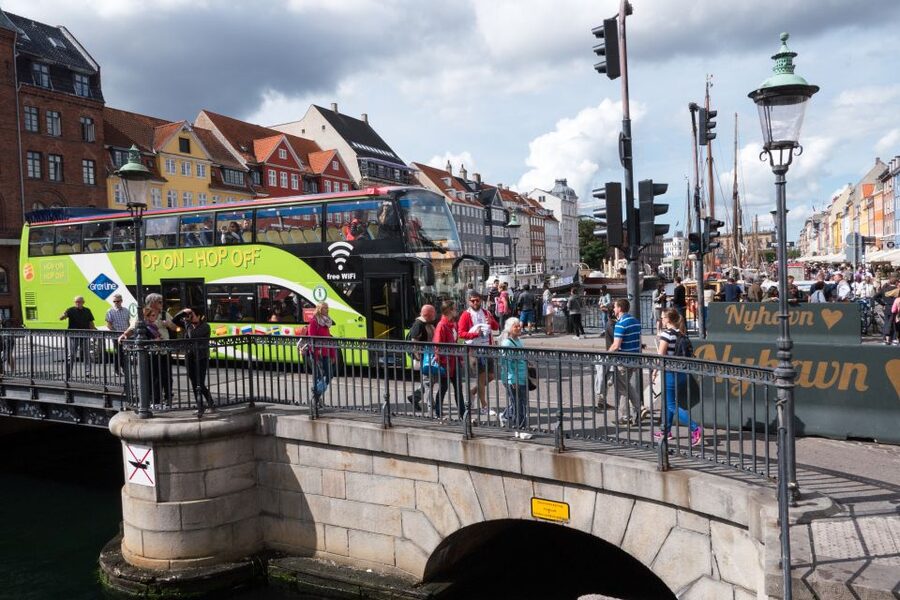
This is designed for a “ride, get off, wander, reboard” rhythm. You’re not required to stay on the bus the whole time. In practice, that’s what makes it worth the money: you can treat it like moving orientation.
Here’s a simple way to use it:
- Pick one route for the morning block.
- Hop off at one or two anchors (big sights you really want to see).
- Use the bus as transportation between areas.
- Reboard when your legs need a break.
Because you’re able to use up to 27 stops, you can fine-tune your day instead of stuffing it with too many distant stops. The trick is knowing where you want to start and which line will best match your day.
One more timing note: you’re buying into a 48-hour style pass, but the booking window shows duration options from 1 to 3 days based on starting times. If you only want a day of sightseeing, check the availability you’re offered first, then decide if adding another day makes sense.
Ved Stranden to Nyhavn: getting started without stress
The tour starts from various stops, and Ved Stranden 26 (1061 København) is listed as a key starting point. Nyhavn is also mentioned as one of the convenient departure areas. Good news: you can take the bus from any stop along the routes, so you don’t have to line up at one exact dock every time.
For orientation, Ved Stranden is a strong “central” place to begin because it’s easy to connect from. Nyhavn is a more scenic choice if you’re already thinking about colorful waterfront scenes.
There’s also a practical GPS feature: you can follow the buses live on Stromma’s map link. That’s useful when you’re waiting on a corner with rain coming in, or when you just want to time your next hop so you’re not standing around.
Classic Copenhagen Red Line: Rosenborg Castle, Amalienborg, and royal-core streets
If this is your first time in Copenhagen, the Red Line Classic Copenhagen is the one I’d prioritize. It runs every day throughout the year, which matters because Copenhagen weather can be unpredictable even in good seasons. The schedule is frequent: it runs every 30–45 minutes from 10:00 AM to 4:30 PM from stop 1 (and that starting stop can vary a bit by season).
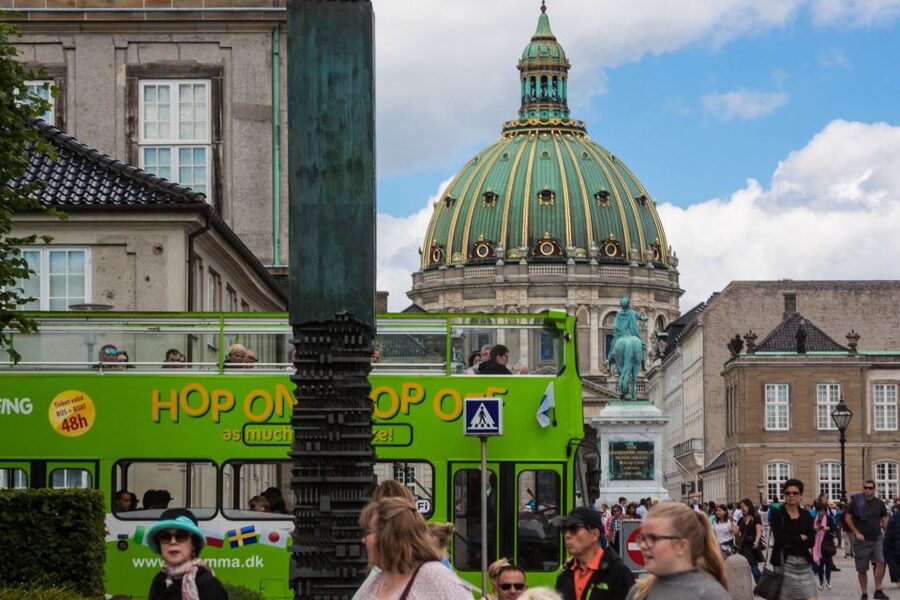
This route is built for the “core Copenhagen” feeling—historic districts and standout architecture. The tour also highlights two major royal-area targets:
- Rosenborg Castle
- Amalienborg Palace (where the royal family lives)
Why those stops matter: both are visual, photo-friendly anchors, and they help you understand how Copenhagen’s history sits right inside the city’s modern life. Even if you don’t want to go deep into interiors, the exterior views and surrounding streets give you a quick sense of scale and style.
A third anchor you’ll want to aim for is Nyhavn, the colorful waterfront district. Nyhavn is called out as a must-explore area, and it’s one of the places where a hop-off-and-walk strategy pays off. You can spend 30 minutes there just to take it in, then reboard when you want to keep moving.
Possible drawback on the Red Line? The same success factor can work against you: it’s popular and central, so it can be tempting to jump off at too many stops. Pick your anchors, give yourself time outside, then let the bus handle the in-between travel.
Green Line Frederiksberg & Vesterbro: Carlsberg Brewery, zoo time, and park breaks
The Green Line Home of Carlsberg is for people who like Copenhagen beyond the postcard photos. It connects a few very different flavors in one route: the Carlsberg Brewery area, Copenhagen Zoo, park space in Frederiksberg Garden, and amusement-time options with Tivoli Gardens.
This line runs:
- Friday to Sunday all year
- daily from April 11 to October 5
So if you’re visiting in the off-season, expect more limited days. It also runs as part of the All Lines ticket concept, which matters if you’re trying to keep all your options open.
The schedule details are also specific: it lists departures at 11:00 AM and 3:00 PM (last departure) from stop 12. That means you can’t treat this like a constant loop all day. Plan your day around those timing windows, especially if you’re aiming to combine Carlsberg with other sights.
Why Carlsberg belongs on your list: even if you don’t think of beer culture as a sightseeing priority, this is a place where Copenhagen’s identity shows up in an actual industry story. The brewery access is highlighted as a key attraction on this line.
Why Frederiksberg Garden and the zoo fit: Copenhagen often surprises people with how good the green breaks are between neighborhoods. A zoo or garden stop gives you a breather so your day doesn’t become nonstop walking.
How I’d use this line: treat it as your “second-day focus” after you’ve gotten your bearings with the Red Line, unless you already know you want Carlsberg-style sightseeing first.


Purple Line Christianshavn & Refshaleøen: Reffen street food, Christiania, old harbor streets
The Purple Line Colorful Copenhagen is where Copenhagen starts feeling less formal and more local. It covers Christianshavn, Refshaleøen, and key stops tied to street-level culture—plus the alternative community of Christiania.
It runs:
- Friday to Sunday year-round
- daily from April 11 to October 5
And it’s included in the All Lines ticket.
The route includes several highlights that are more about atmosphere than classical monuments:
- Reffen, a colorful street food market at Refshaleøen
- Christiania, the alternative community
- Christianshavn, with old buildings and harbor-side character
If you love eating while you travel (and you don’t mind that “planning lunch” becomes a part of sightseeing), Reffen is a smart hop-off target. It’s the kind of stop where the experience is the variety—finding what looks good, grabbing a bite, and watching people flow through the market.
Christiania is the other reason this line is worth it. Even if you’re only curious for a short visit, it’s an opportunity to see Copenhagen’s side that doesn’t follow the classic postcard script.
Small caution: because the Purple Line runs less often than the Red Line (and its schedule is tied to those days), you’ll want to check your exact travel date and timing before you assume it will be easy to loop back and forth. Use the bus to position yourself, then explore on foot while you have the chance.
Tivoli Gardens add-on: when it’s worth paying more
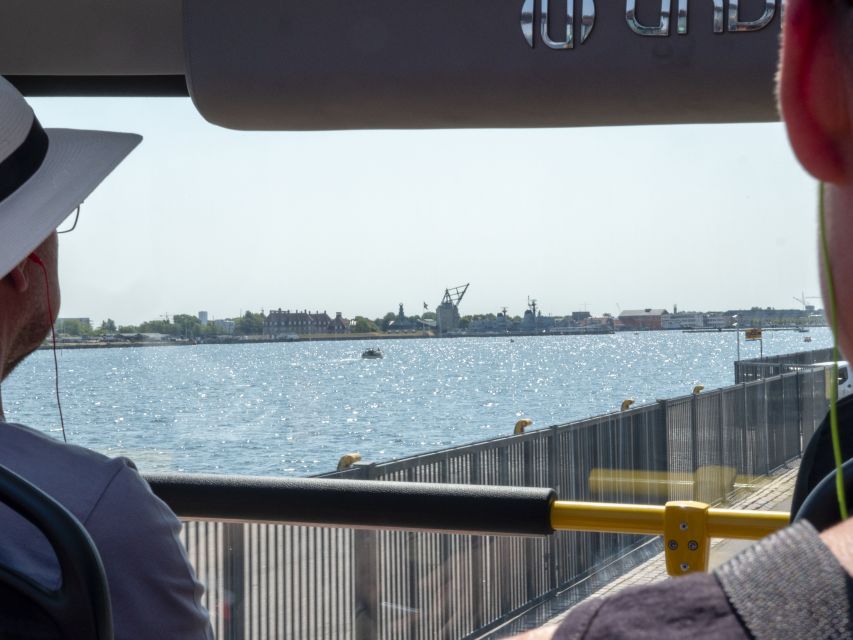
There’s an optional ticket option that includes entrance to Tivoli Gardens. This is the best kind of add-on: you’re not forced into Tivoli, but you’re not stuck buying it separately later if you know you want to go.
You’ll see Tivoli Gardens mentioned as part of the Green Line world, which makes sense. Tivoli is one of those places that works well when you can plan around a known arrival time. If you’re the type who wants a full day with minimal decisions, the bundled approach can be convenient.
When the add-on is less necessary: if you’re not sure you’ll spend time inside Tivoli, skip it and just rely on the bus to get you close. You can always decide later once you see the vibe and your energy level.
Onboard audio guide and free Wi‑Fi: small comforts, real payoff

The bus comes with an audio guide in Danish, English, French, German, Italian, Spanish. For me, the best use of audio guides is not memorizing facts. It’s getting enough context to see what matters while you’re outside.
On a hop-on hop-off bus, you’re often switching from vehicle time to walking time. The audio guide helps you keep continuity. Instead of hopping off and thinking, What am I looking at? you hear a quick orientation before you step off.
You also get free Wi‑Fi onboard. This sounds small, but it helps in real ways: map checks, messaging home, and quick updates so you don’t waste time hunting for signals later.
One more practical detail: the bus is described as comfy in strong feedback. If you end up spending long stretches riding between hops, comfort matters.
The 27 stops strategy: build a day that doesn’t feel rushed
The “up to 27 stops” number is huge, but you don’t want to chase 27 stops. You want a tight set of priorities so each hop feels like a reason, not a random detour.
Here’s a reliable planning model I’d use in Copenhagen:
- Day 1 (orientation): Red Line to establish the center, including Nyhavn and the royal-area stops (Rosenborg and Amalienborg as anchors).
- Day 2 (personality): One neighborhood character line—either Green for Carlsberg/Frederiksberg or Purple for Reffen/Christiania.
If you’re only doing one day, the Red Line is your safest bet because it runs daily with frequent departures. If you have two days, you can afford to schedule around the less frequent Green and Purple lines.
Also, open-top rides are fun, but you’ll still want a plan for your body. Copenhagen walking adds up. Using the bus between hotspots lets you stay curious without burning out.
When schedules get tricky: how to avoid the most common mistakes
This tour runs on seasonal patterns and specific departure windows, especially on the Green and Purple lines. The Red Line is easier because it runs daily every 30–45 minutes from 10:00 AM to 4:30 PM.
The Green and Purple lines are more schedule-driven:
- Green: Friday–Sunday all year; daily Apr 11–Oct 5; departures listed at 11:00 AM and 3:00 PM from stop 12.
- Purple: Friday–Sunday all year; daily Apr 11–Oct 5; departures listed at 12:00 AM, 2:00 PM, and last departure at 4:00 PM from stop 1.
So your best move is simple: check your travel dates, then pick which line you’ll prioritize. Don’t assume you can hop between lines all day without thinking about departures.
One last practical warning I’d give: if you’re booking multiple tickets, double-check that you understand the ticket codes you receive for each person. A small code mix-up can turn into an annoying moment at boarding.
Who this tour suits (and who should choose something else)
This is a good fit if:
- you want to see multiple neighborhoods fast
- you like flexible sightseeing where you decide on the fly
- you want the audio guide to help you connect sights together
- you’re traveling as a couple, family group, or anyone who needs an easy plan
It may not be the best fit if:
- you hate schedules at all and want constant hourly movement
- you’re the type who wants only a few stops and prefers a walking-only plan
- you’re visiting during times when Green and Purple lines run less often and you don’t want to plan around departure windows
The overall vibe is: use the bus as your transportation backbone and spend your energy on the neighborhoods you choose.
Should you book this Copenhagen hop-on-hop-off bus tour?
Yes, I think you should book it if you want an easy first-pass through Copenhagen’s key areas without stress. At $36, you’re paying for flexibility (hop on/off), context (audio guide in 6 languages), and convenience (free Wi‑Fi and a route system that hits major highlights like Nyhavn, Rosenborg, and Amalienborg).
If your trip is short and you want maximum coverage, the Red Line’s daily schedule makes it the easiest foundation. If you have extra time and you’re excited by Carlsberg culture or the street-food-and-alternative-neighborhood feel, the Green and Purple lines make the whole trip more interesting.
Quick call rule: if you plan to spend at least part of your trip doing neighborhoods on foot, this bus tour is a smart way to get there and keep moving.
FAQ
How long is the Copenhagen hop-on hop-off bus ticket valid?
The experience is listed as lasting 1 to 3 days depending on availability, and the tour highlights a 48-hour hop-on hop-off ticket option.
Where can I start the bus tour?
The bus departs from various stops. Ved Stranden 26 (1061 København) is listed as a start point, and Nyhavn is also mentioned. You can board at any stop along the routes.
How many routes are included?
You can access all 3 routes: Classic Copenhagen (Red Line), Home of Carlsberg (Green Line), and Colorful Copenhagen (Purple Line).
What languages are available on the audio guide?
The onboard audio guide is available in Danish, English, French, German, Italian, and Spanish.
Are there stops at major sights like Rosenborg and Amalienborg?
Yes. You can hop off at Rosenborg Castle and Amalienborg Palace.
Does the bus include Nyhavn?
Nyhavn is included as one of the colorful waterfront district areas you can explore.
Can I add Tivoli Gardens admission?
Yes. There’s an option to purchase a ticket that includes entrance to Tivoli Gardens.
Is Wi‑Fi available on the bus?
Yes. The open-top buses include free Wi‑Fi.
When do the routes run?
The Classic Copenhagen (Red Line) runs daily year-round. The Home of Carlsberg (Green Line) and Colorful Copenhagen (Purple Line) run Friday to Sunday year-round, and daily from April 11 to October 5.
What parts of the ticket cost extra?
Food and beverages are not included. Admissions are optional, and Tivoli entry is available as an optional add-on.
Does the ticket offer flexible cancellation or payment?
Free cancellation is listed up to 24 hours in advance for a full refund, and there is also a reserve now & pay later option.