REVIEW · LUCCA
Self-guided Bike Tour from Lucca to Pisa
Book on Viator →Operated by TOURIST CENTER LUCCA SRL · Bookable on Viator
Lucca to Pisa by bike feels like having your own schedule. I love the mix of riverside paths and countryside cycling, and I really like that you get GPS-style navigation with a phone holder so you can stay calm and just ride. This is a simple, good-value way to connect two classic Tuscan stops without getting stuck in traffic or tour buses.
One thing to plan for: the navigation app can drain your phone battery faster than you expect. If your phone dies mid-route, you’ll want a power bank so you can keep following directions.
In This Review
- Key things I’d circle before you go
- Starting in Lucca: getting on the road without wasting daylight
- Your bike setup: phone mount, lock, repair kit, and why comfort is worth it
- The real guide is the app: following directions without losing your day
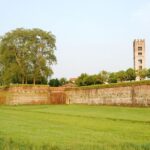
- Lucca before Pisa: old walls, monuments, and a stress-free start
- Pedal out of town: the Serchio River cycle path rhythm
- San Giuliano Terme: a good mid-ride reset
- Pisa time: reaching the Leaning Tower area without the full crush
- Getting back to Lucca: ride it again or take the train (with your bike)
- Price and value: why this costs so little for what you get
- Who this tour suits best (and who should reconsider)
- Practical tips so your Lucca-to-Pisa day stays fun
- Should you book this Lucca to Pisa self-guided bike tour?
- FAQ
- How long is the Lucca to Pisa self-guided bike tour?
- What’s included with the bike rental?
- Do I need to buy entry tickets for stops along the route?
- Are e-bikes available?
- Is the navigation fully self-guided?
- How do I return from Pisa to Lucca?
- Is it a good option for non-expert riders?
Key things I’d circle before you go
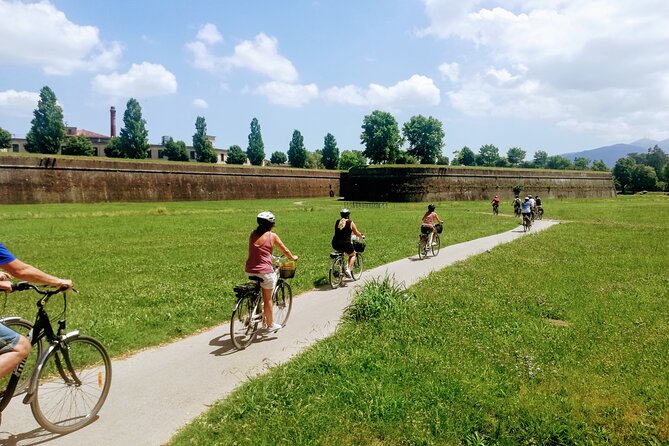
- Phone holder + app directions so you’re not constantly checking paper maps
- Mostly flat cycling with an easy-to-follow route design (about 33 km / 20 miles one way)
- Serchio River scenery and quieter paths that beat the stress of driving
- San Giuliano Terme stop for a quick refresh in a small thermal-bath village
- Arrival right by Pisa’s Leaning Tower area without only seeing the crowded perimeter
- Return by bike or train (train is about 22 minutes, bikes typically cost extra)
Starting in Lucca: getting on the road without wasting daylight
You begin at the Tourist Center Lucca bike rental, at Piazzale B. Ricasoli, 203, 55100 Lucca. The location is set up for an easy start: you pick up your bike, get a briefing, and then you’re off under your own timing.
This part matters because you’re not locked into a strict group pace. Lucca’s center is compact, charming, and best explored slowly before you head out of town. If you arrive with even a little momentum, you can do the best part of the day first: wander Lucca’s old streets near the main sights, then point the bike east toward Pisa.
You can also read our reviews of more tours and experiences in Lucca.
Your bike setup: phone mount, lock, repair kit, and why comfort is worth it
This is a self-guided ride, but you’re not traveling unassisted. The essentials are included: bike rental, a cell-phone holder, an app with a suggested route, a repair kit, and a lock, plus a start briefing.
Two practical takeaways from the experience:
- Bring your own phone charging plan. Multiple riders noticed the directions app uses a lot of battery. Even if you have an e-bike battery, that doesn’t help your phone.
- Do a quick fit check before you roll. One rider had to stop almost immediately because the bike didn’t fit well for their height and comfort level. It’s not glamorous, but it’s smart: adjust the seat, confirm your reach, and do a 2-minute test ride before you fully commit.
E-bikes are available for riders over 155 cm and age 14+. Trekking bikes are available for riders over 150 cm. One other detail that affects expectations: there’s no mention of trailers or tag-alongs connected to e-bikes and trekking bikes, so this setup is really for people who can pedal or ride independently.
The real guide is the app: following directions without losing your day
This tour leans on smartphone navigation. The goal is simple: you follow GPS directions and the app routes you toward Pisa, and then it also supports your return.
From the feedback, the navigation is generally easy to follow, but you should keep your eyes up. When people used the map layer actively—checking for upcoming turns rather than waiting until the last second—the ride felt smooth. You’ll still encounter the occasional moment where the route can be hard to spot on the ground, especially along mixed surface sections, so being alert matters.
If you want the ride to feel effortless:
- Download any required app before you arrive.
- Start with a fully charged phone.
- Bring a power bank that can recharge at least once.
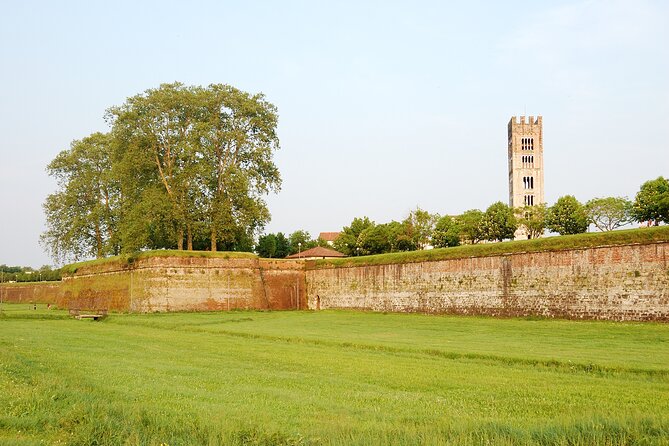
Lucca before Pisa: old walls, monuments, and a stress-free start
The first stop is the Tourist Center Lucca area, with time to get oriented and explore Lucca’s historical center independently. The concept here is great: instead of marching you through sights on a schedule, you get a chance to roam and pick what you care about.
What you do with that time is up to you, but the included idea is clear:
- Rent the bike (or have it ready from the shop)
- Use the provided map information to find main monuments
- Explore without the pressure of regrouping every few minutes
This is also where the “value” shows. You’re paying mostly for the bike and the navigation help, not for extra paid admissions. The stop descriptions indicate admissions at each stop are free, so your main costs are food, water, and what you choose to do once you arrive.
Pedal out of town: the Serchio River cycle path rhythm
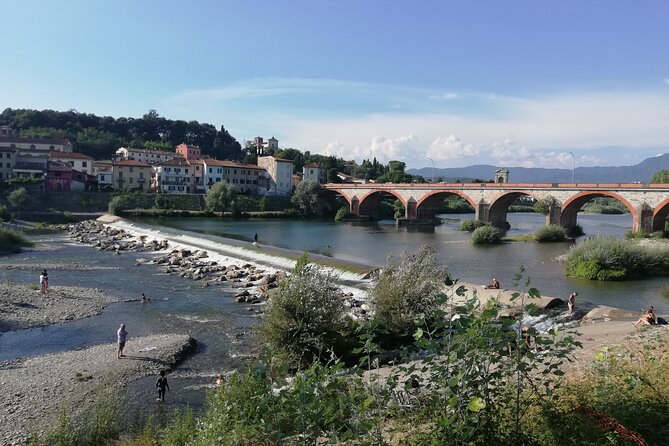
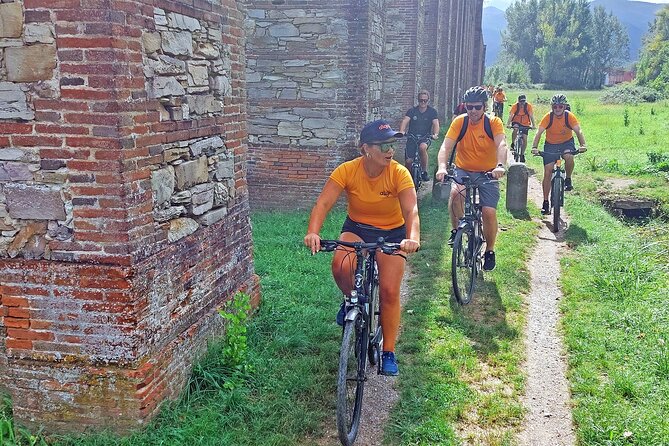
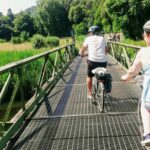
The ride to Pisa runs along the Serchio River, and this is the heart of the experience. You get stretches where the road feels calmer and more “cycling-first,” not “cars-first.” It’s a long enough distance to feel like you’re traveling, but not so technical that you’re white-knuckling the whole way.
The route is also designed for mixed cycling:
- It includes riverside paths
- It includes countryside sections that can feel a bit gravelly or bumpy
- Some sections run along roads with car traffic
That last point is important. Even if the ride is mostly on bike paths and dedicated tracks, you should still ride like a cyclist in Italy: watch intersections, assume drivers might not expect you, and keep your line predictable.
If you’re wondering whether the distance is too much, the practical answer from the experience details is reassuring. The Lucca-to-Pisa stretch is listed as about 33 km (around 20 miles) one way and is described as completely flat in the cycle-tour framing. Most riders treat it as an easy-to-intermediate effort—especially on e-bikes.
San Giuliano Terme: a good mid-ride reset
About halfway (timing depends on your pace and how long you stop), the itinerary points you to San Giuliano Terme. This is a small village known for ancient thermal baths, with places to grab a drink or a quick bite.
Why this stop is worth having:
- It breaks the mental load of a long ride
- You can cool down and refuel before the last push
- It gives you a real “village” moment rather than only passing farmland
One caution: between Lucca and Pisa, there isn’t a lot of obvious full-service food right along the route. Riders often recommend planning lunch around Pisa itself, but San Giuliano Terme can still be a convenient, simple recharge point.
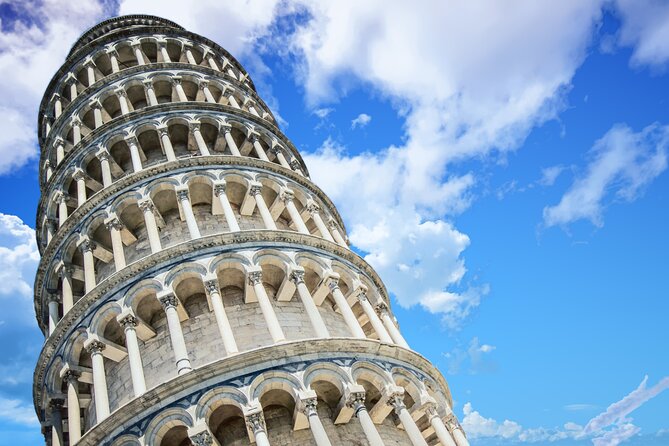
Pisa time: reaching the Leaning Tower area without the full crush
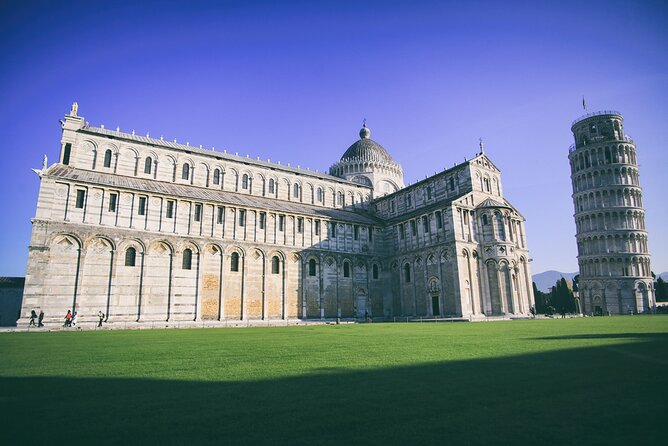
At the end of the ride, your route points you to Pisa, with the stop described as ending at the Leaning Tower. The practical win here is that you don’t just arrive by foot from a distant parking lot or get dropped at the busiest corner and then hurried along.
You get a different entry experience. You arrive after cycling through the countryside, which changes how Pisa feels. Instead of only being surrounded by crowds, you’ve already seen the outside of the city and the approach roads. Then you get to decide how long you want to linger around the Piazza dei Miracoli area.
One timing tip I’d follow: build in enough time in Pisa to actually enjoy it. A common pattern is a couple hours on the bike each way, plus time to explore in Pisa. If you race through Pisa just to meet a train schedule, you lose the point of doing the ride in the first place.
Getting back to Lucca: ride it again or take the train (with your bike)
You have two return options:
- Bike back to the Tourist Center Lucca via a direct cycle route (about 2 hours, depending on pace)
- Take the train back (about 22 minutes), at your own expense, with bike transport likely costing extra
This choice changes the feel of the day. Riding both ways keeps you in “slow Tuscany mode,” especially because the return route can run through small villages and quieter lanes with mountain views in the distance. Taking the train can save energy if you arrived in Pisa feeling tired, or if you just want more time to walk around the city.
If you pick the train, plan it like a real logistics task. Train availability can be tight, and bike carriage may involve extra fees. The experience notes specifically mention using the Trenitalia app to handle ticketing smoothly.
Price and value: why this costs so little for what you get
At $35.07 per person, the big question is whether you’re paying for a real experience or just renting a bike. The answer is usually yes, because this setup bundles:
- A quality ride vehicle (including e-bikes and trekking options)
- A phone holder and navigation support
- A lock and repair kit
- A start briefing
The value shows up in how little friction you have. You don’t need to pre-plan every turn. You’re not guessing the route while carrying water bottles, and you’re not stuck dealing with bike problems without basic tools.
Do note one value limiter: if your phone battery dies and you don’t have a power bank, your “self-guided” day becomes stressful fast. That’s not a flaw in the concept; it’s just a planning detail that affects the experience quality.
Who this tour suits best (and who should reconsider)
This bike ride is a great match if you:
- Want a self-guided day with your own pace
- Like cycling through countryside and river paths
- Want to reach Pisa beyond the usual traffic grid
- Prefer options at the end (bike back or train back)
It’s less ideal if you:
- Need a very gentle, fully separated cycling route end-to-end. Some segments can involve roads with cars.
- Are sensitive to bike fit or saddle comfort. Take the adjustment step seriously.
- Travel during intense heat. One rider suggested not doing it unless temperatures are under about 80 degrees, since there are long stretches with little shade.
Also, if you’re traveling with younger kids, the notes don’t mention kid-specific devices (like trailers or tag-alongs) for e-bikes and trekking bikes. This reads more like a grown-up cycling adventure.
Practical tips so your Lucca-to-Pisa day stays fun
Here are the real-world things that help your day run smoothly, using what the experience clearly emphasizes:
- Charge your phone twice. Fully charged at pickup, plus a power bank. The navigation app can drain battery quickly.
- Consider an e-bike if you’re time-sensitive or traffic-avoidant. E-bikes make it easier to keep a steady pace and enjoy the scenery without sprinting.
- Plan lunch in Pisa. The route doesn’t scream for frequent full-service stops.
- Expect mixed surfaces. Gravel and bumpy sections happen. Nothing suggests extreme technical riding, but your body will notice if you’re on lighter tires and aren’t used to irregular paths.
- Leave room for mechanical surprises. One person had a chain issue during the ride. You’ll have a repair kit, but it’s still wise to ride attentively and stop if something feels off.
Should you book this Lucca to Pisa self-guided bike tour?
I’d book it if you want a classic Italy day that feels active but not complicated. The core strength is simple: you get a flat, river-focused ride, easy navigation with a phone mount, and arrival in Pisa with your own time built in. At this price, it’s hard to beat as a “do two places in one day” plan.
I’d skip it or adjust your expectations if you hate route-finding stress or you’re not confident on mixed surfaces and occasional car-road segments. And if you know you’ll struggle with bike comfort, do the fit check carefully—or consider an e-bike to reduce strain.
If the weather is rough, the experience is described as dependent on good weather, with a different date or a full refund offered if it gets canceled due to poor conditions. That flexibility helps you take the chance on a great cycling day.
FAQ
How long is the Lucca to Pisa self-guided bike tour?
The bike tour is listed as 4 to 8 hours approximately, depending on how long you ride and how much time you spend in Pisa and Lucca.
What’s included with the bike rental?
You get the bike rental, a cell-phone holder, an app with the suggested itinerary, a repair kit, a lock, and a briefing at the start.
Do I need to buy entry tickets for stops along the route?
The stop descriptions state that admissions are free for the listed stops (Lucca, the river park cycle path, San Giuliano Terme, and the Pisa finish near the Leaning Tower).
Are e-bikes available?
Yes. E-bikes are available for riders over 155 cm and over 14 years old. Trekking bikes are also available for riders over 150 cm.
Is the navigation fully self-guided?
Yes. You follow GPS directions in an app using the phone holder. The activity is private to your group.
How do I return from Pisa to Lucca?
You can return by bicycle on a direct route (about 2 hours) or by train (about 22 minutes). The train option is at your own expense.
Is it a good option for non-expert riders?
The experience is described as suitable for most travelers, and the Lucca to Pisa distance is listed as about 33 km one way with a flat profile in the cycle-tour context. E-bikes can make the ride more comfortable.