REVIEW · ISTANBUL
Chora Museum Skip-the-Ticket-Line Entry with Audio Guide
Book on GetYourGuide →Operated by Istanbul Tourist Pass® · Bookable on GetYourGuide
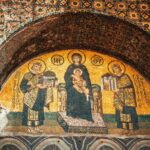
One museum, three eras of art, and a ticket you want to use fast. The Chora Church Museum (Kariye Mosque) is one of Istanbul’s most impressive Byzantine stops, and this entry option adds skip-the-line convenience plus a 25-language audio guide so you can go at your own speed.
I like two things right away: you get straight into the museum experience with QR entry, and the audio guide helps you actually understand what you’re seeing instead of just admiring it. One thing to keep in mind: Friday closure is real, and a small number of booking issues pop up (like QR codes not being accepted or the audio link arriving late), so have a backup plan.
In This Review
- Key things to know before you go
- Chora Museum (Kariye Mosque) is worth your time because the art has a storyline
- What you’ll do: enter with QR, then explore at your own pace
- Entering smoothly: how the QR ticket works in real life
- Audio guide in 25 languages: how to get the most from it
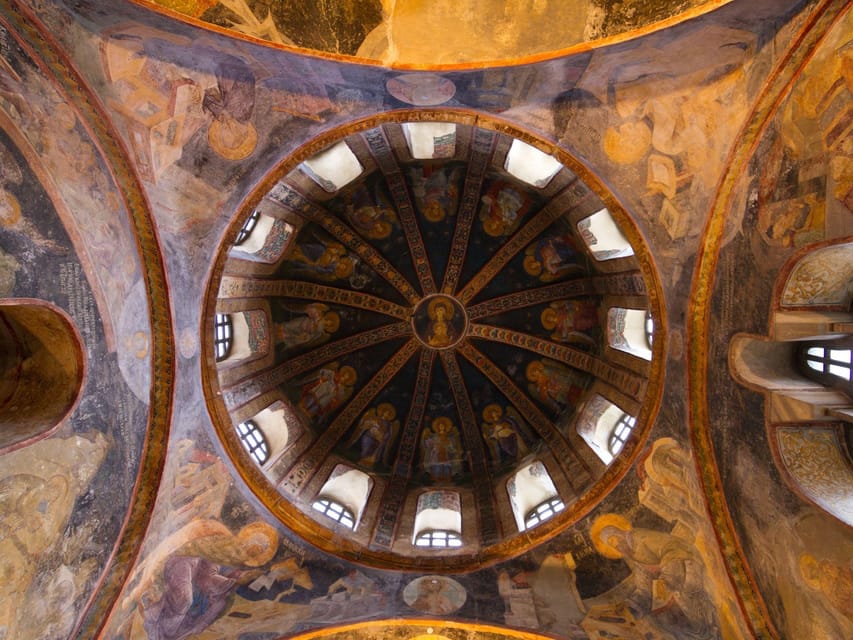
- Inside Chora: the mosaics and frescoes are the main event
- The church-to-mosque transition: why this museum feels different
- A realistic timing plan for a 1-day visit
- Getting to Chora Museum from anywhere in Istanbul
- Price and value: is $35 per person a good deal?
- Who this fits best (and who might want a different plan)
- Should you book this Chora skip-the-line entry?
- FAQ
- Is the Chora Museum open on Fridays?
- What do I get with this ticket?
- Do I still have to go through security?
- How do I access the entry ticket and audio guide?
- How long is the ticket valid?
- How do I get to the museum from Istanbul’s public transport?
Key things to know before you go
- Skip-the-line QR entry can save time, but you still go through mandatory security checks.
- Audio guide in 25 languages lets you follow the Bible scenes and saints’ lives room by room.
- The church-to-mosque transformation is part of the story, not a side note.
- Late Byzantine mosaics and frescoes are the main attraction, and they reward slow looking.
- Edirnekapı location means a calmer feel than the busiest historic-square areas.
Chora Museum (Kariye Mosque) is worth your time because the art has a storyline
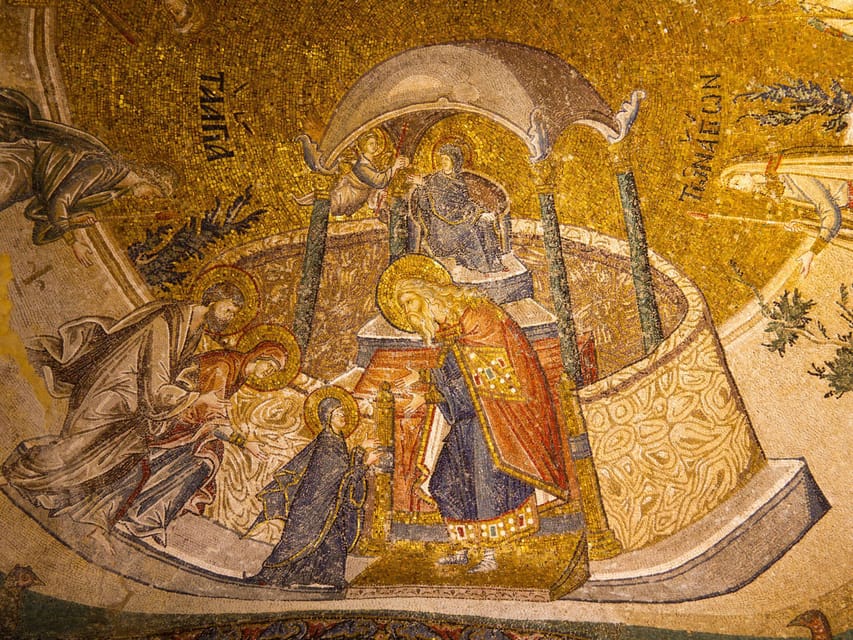
If you’ve ever felt like Byzantine churches blur together, Chora is different. The building’s art is not just decoration—it’s a visual guide to belief, daily religious life, and the craft skill of 14th-century workshops. The mosaics and frescoes you see today are tied to a major reconstruction in the 14th century, when the church reached its peak Late Byzantine style.
What makes this visit especially satisfying is that the museum’s identity changed over time. Built as part of a monastery complex in the 4th century, it later became famous for its artworks. Under the Ottomans, it was converted into a mosque, and certain parts were covered or altered to match Islamic practice. That Christian-to-Muslim shift is still readable in the building. You’re not just looking at “old art.” You’re reading how Istanbul’s faiths left traces on the same walls.
You can also read our reviews of more tours and experiences in Istanbul.



What you’ll do: enter with QR, then explore at your own pace

This experience is built around one core moment: getting into the Chora Museum with a skip-the-ticket-line entry and using the included audio guide while you wander.
After you arrive, you should expect normal crowd control. Even with the skip-the-line ticket, it’s not a magic teleport. You still can’t bypass security lines, and there can still be a line at the entrance. Once you’re inside, though, the experience becomes low-pressure. The setup encourages you to take your time, stop where you care most, and move room to room without matching a group’s speed.
The ticket is valid for 1 day, so you can plan this as a dedicated museum block rather than squeezing it between two frantic sights.
Entering smoothly: how the QR ticket works in real life

Here’s the practical part that matters: you’ll receive both Entry Ticket QR codes and the audio guide link via separate email messages. They come from the supplier, Istanbul Tourist Pass, so you’ll want your inbox ready before you head out.
Also, don’t assume the museum will solve a technical issue for you. One verified booking reported that the QR codes were not accepted at the entrance, and the group ended up buying tickets on-site to avoid losing time. Another booking issue involved missing the audio guide link ahead of the visit; in that case, QR codes helped them access the audio anyway.
So my advice is simple:
- Before leaving your accommodation, check that both the entry QR message and the audio link message arrived.
- Keep the emails accessible offline if you can.
- If something looks off at the entrance, don’t spend 20 minutes troubleshooting your phone with everyone behind you—ask for help fast and be ready to buy tickets locally if needed.
This isn’t the kind of attraction where you want to gamble with a dead screen.
Audio guide in 25 languages: how to get the most from it
The included audio guide is one of the big reasons this option feels worth it. It’s available in 25 languages, including English, German, Russian, Persian, Arabic, French, Italian, Chinese, Dutch, Spanish, Hindi, Romanian, Ukrainian, Korean, Turkish, Bulgarian, Polish, Swedish, Japanese, Indonesian, Greek, Hungarian, Portuguese, Urdu, and Croatian.
That language coverage matters because Chora is the rare museum where the details can go from “wow” to “oh, I get it” quickly. With an audio guide, you can understand the scenes—Bible moments, saints’ lives, and the way religious themes are arranged across the building.
And you’ll also learn the museum’s transformation story. This is important because some elements were covered or altered during the mosque period. When you have context, you stop thinking the differences are just random damage or renovation. You start to see them as part of the historical changes.
One more tip: if you ever get the audio link late, be flexible. In feedback, a visitor who didn’t get the link ahead of time found a way to proceed using QR codes on-site. That suggests the museum setup may support multiple access points, so don’t panic if one email arrives slower than you hoped.
Inside Chora: the mosaics and frescoes are the main event
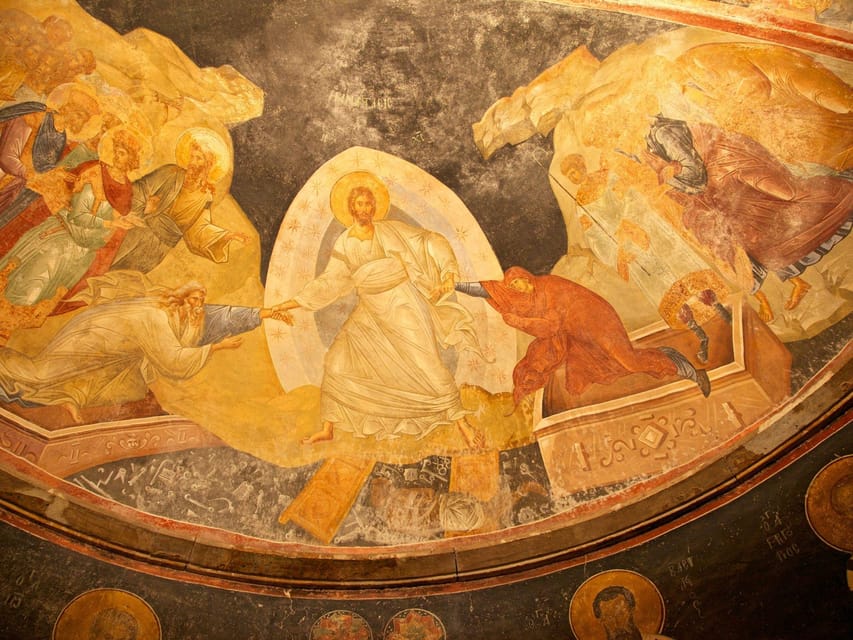
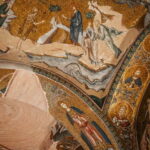
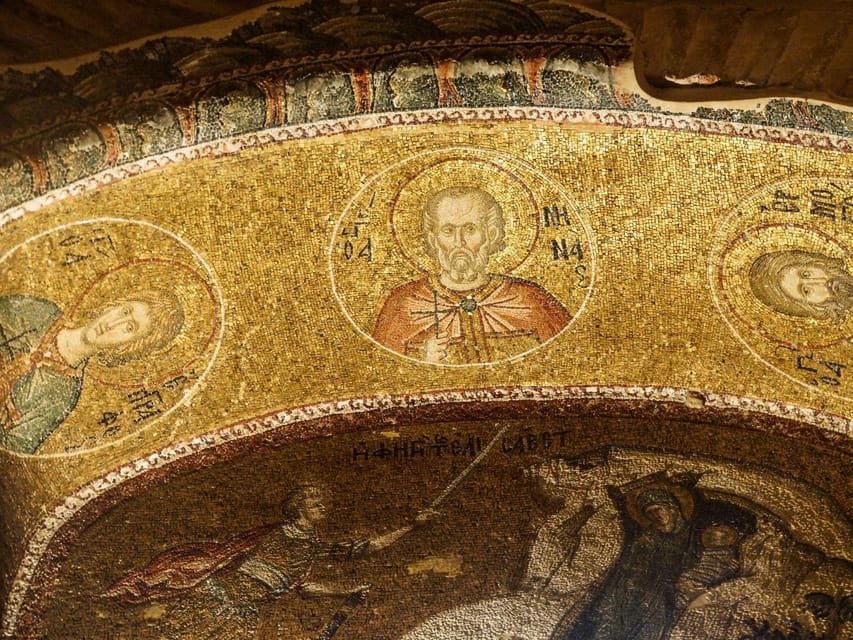
The Chora Museum experience centers on Byzantine artwork—especially the mosaics and frescoes. These are the areas where the museum becomes unforgettable.
You’re looking at scenes connected to:
- biblical stories
- the lives of saints
- intricate Byzantine decorative patterns
The key is how the craftsmanship shows up. The artwork is known for careful detail and bright color work (the kind of color that still reads well even after centuries). The museum is often described as having some of the best-preserved examples of Byzantine art, and that matters because you can actually see the original intent. You’re not just viewing fragments behind glass.
Also, Chora rewards perspective. If you glance once and rush on, you’ll miss the layering—how images relate to each other and how the building’s different phases affect what you see.


The church-to-mosque transition: why this museum feels different
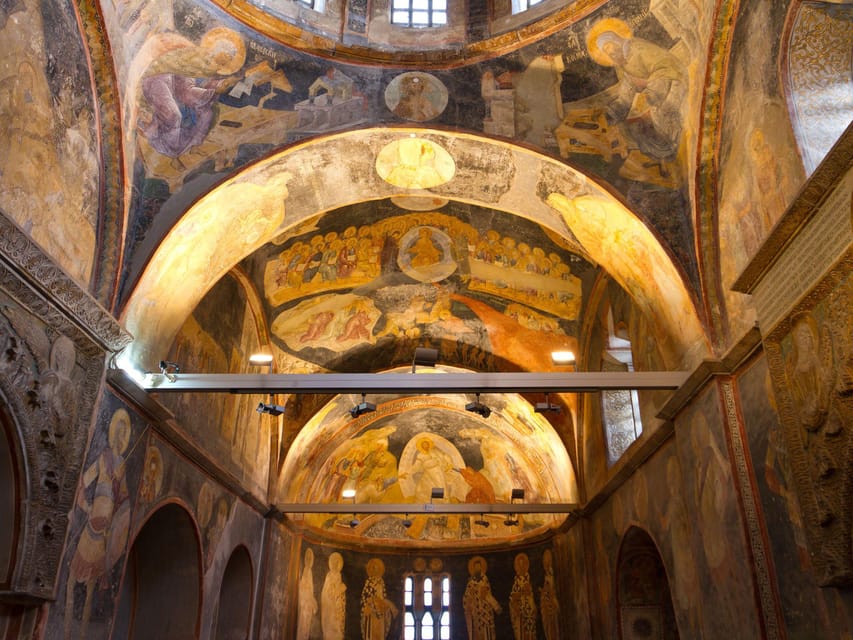
Most Istanbul museum stops give you a single storyline. Chora gives you a story with chapters.
Originally tied to a monastery complex, the church gained its famous artwork through a major 14th-century reconstruction. Then, during the Ottoman era, it became a mosque. That shift didn’t erase the existing art completely. Instead, Islamic practice influenced what was covered or altered. The result today is a layered experience: Byzantine Christian art still dominates, but you can also spot how the building’s function changed over time.
If you like history that’s visible, not just explained, this is a big reason to come. The audio guide helps you read those layers so the building doesn’t become a maze of impressive walls with no meaning.
A realistic timing plan for a 1-day visit
You won’t see Chora in 20 minutes unless you’re speed-running your sightseeing. The best visits come from slow looking—especially at the mosaics and frescoes that the audio guide helps you interpret.
Since this is self-paced, you can build a simple rhythm:
- Start with the rooms that feel most art-focused.
- Use the audio guide as you go, not as a lecture before entry.
- Stop whenever the story clicks. Chora is the kind of place where understanding one scene makes the next ones easier to follow.
Plan extra time if you like photography or if you tend to linger over details. If you rush, you’ll mostly get impressions. If you go slower, you’ll actually learn what you’re seeing.
One note from real-world feedback: restoration or closure can happen. In one verified booking, the visit was postponed due to closure for restoration, and the visitor later returned and said it was absolutely worth the trip. I can’t promise open hours on every day, so build flexibility into your schedule if you can.
Getting to Chora Museum from anywhere in Istanbul

Location: Edirnekapı district, in a historic area that feels less like a tourist hallway than the most central sights.
Transport is straightforward:
- Take the T4 tram line to Edirnekapı station, then walk to the museum entrance.
- Several buses stop nearby, including 31E, 37E, 38E, and 36KE.
If you’re coming from the Asian side, you can use ferries to Eminönü (from Kadıköy or Üsküdar), then connect to the T4 tram line or nearby buses.
This matters because museum days work best when transit is boring. You want the trip to be predictable so you’re not arriving stressed and rushing your entry.
Price and value: is $35 per person a good deal?
At $35 per person, this is not a bargain entry ticket. It is a “pay for convenience” choice. You’re paying for two things that add real value:
- Skip-the-line entry via QR tickets
- An included audio guide in 25 languages
If you’d rather not hunt for tickets or manage ticket machines in a crowded environment, that convenience can be worth the money. And if you care about understanding the symbolism and the church-to-mosque changes, the audio guide saves you from needing a live guide or stopping to read long plaques.
On the other hand, if you’re comfortable buying tickets on-site and you’re confident your phone will handle audio access smoothly, you might compare costs before committing. This review can’t tell you the on-site price, but it can tell you where the value comes from: time saved plus interpretive support.
Who this fits best (and who might want a different plan)
This experience suits you if:
- you want to focus on art and historical meaning, not just checking a box
- you prefer a self-paced museum visit
- you’ll use audio because you like context as you look
It might not be perfect if:
- you’re very sensitive to last-minute access issues (QR problems have occurred in feedback)
- you’re visiting on a Friday, since the museum is closed to visitors that day
Should you book this Chora skip-the-line entry?
I’d book it if you’re coming for the mosaics and frescoes and you want to spend your time inside, not stuck at the ticket counter. The combination of QR skip-the-line plus a 25-language audio guide is exactly what turns a good museum into a memorable one.
Just don’t ignore two practical points. First, Friday closure means this is only for the other days. Second, because QR/audio delivery happens by separate email, do a quick check before you go so you don’t meet the entrance with missing codes.
If you can build a bit of schedule flexibility for restoration-related surprises, this is a strong way to experience Chora with minimal fuss and maximum understanding.
FAQ
Is the Chora Museum open on Fridays?
No. Chora Museum is closed to visitors on Fridays. The audio guide is available on other visiting days.
What do I get with this ticket?
You get a skip-the-line entry ticket for Chora Museum and an audio guide in 25 different languages.
Do I still have to go through security?
Yes. You cannot skip security lines, even with the skip-the-line entry. There could also be a line at the entrance.
How do I access the entry ticket and audio guide?
You receive the entry ticket QR codes and the audio guide link via separate email messages from the supplier, Istanbul Tourist Pass.
How long is the ticket valid?
The ticket is valid for 1 day. You should check availability to see starting times.
How do I get to the museum from Istanbul’s public transport?
The most common route is the T4 tram to Edirnekapı station, followed by a short walk. Buses such as 31E, 37E, 38E, and 36KE also stop nearby.