REVIEW · BIG ISLAND OF HAWAII
Big Island North Island Jungle Adventure – Self-Guided Audio Tour
Book on Viator →Operated by Shaka Guide Apps · Bookable on Viator
A good drive can feel like a guided tour. This self-guided audio plan turns a long North Island route into bite-size stops with stories and directions.
I especially like two things: you get hands-free narration that plays automatically as you drive, and you can slow down or skip ahead without wasting time in a group. One thing to consider: you’re doing the driving and app use yourself, so if the GPS tech or your turn timing goes sideways, you may need a quick backtrack.
In This Review
- Key points to know before you go
- Why this North Island drive is such a smart way to tour the Big Island
- How the Shaka Guide audio tour actually works while you’re on the road
- Day 1 in Hilo Town: where the stories start (and the scenery stacks fast)
- King Kamehameha Statue and the Hilo backstory in 10 minutes
- Coconut Island (Moku Ola): a healing legend at a quick stop
- Liliʻuokalani Gardens: the Edo-style surprise in Hawaii
- Rainbow Falls and Boiling Pots: both waterfalls, different moods
- Kaumana Caves Park: the shock of darkness inside a lava tube
- Naha Stone: a 5,000-pound legend tied to island unity
- Onomea Bay Trail: easy hike, big payoff coastline views
- Hawai‘i Tropical Botanical Garden: rainforest plants with real scale
- Akaka Falls State Park: famous waterfall, paved and doable
- Umauma Falls Experience area: self-guided drive to a three-tier viewpoint
- Laupahoehoe Train Museum: sugarcane and rail history along the Hamakua Coast
- Tsunami Memorial: the solemn stop you shouldn’t skip
- Waipiʻo Valley: royal center legends in a stunning setting
- The food reset: Tex Drive-In on the way out of Honokaʻa
- Day 1 moving into Waimea: cowboy culture, walking paths, and small-town pace
- Waimea’s “pause and wander” factor
- Ulu Laʻau: circle of trees for a calm stretch
- Plantation-style shopping stop: local art, coffee, and gifts
- Paniolo (cowboy) history: a free museum moment
- Anna Ranch: five generations of ranching on historic grounds
- Kahua Ranch Naʻalapa Stables: panoramic views with paniolos
- Saddle Road into Mauna Kea: the drive that becomes part of the show
- Mauna Kea Visitor Information Station: pre-night-sky context before the big stop
- Day 2 night-sky time: Mauna Kea Observatories and what to expect
- Price and value: $15.99 per group, plus a few ticket add-ons
- Tech and pacing reality check: the one thing that can make or break it
- Who this Big Island jungle adventure suits best
- Should you book this audio tour?
- FAQ
- FAQ
- How much does the Big Island North Island Jungle Adventure cost?
- How long is the tour, and can it be split across two days?
- Do I need Wi-Fi during the drive?
- What’s included with the tour price?
- What entrance fees are not included?
- Are there parking fees?
- Where does the tour start?
- Can I cancel for a full refund?
- Is this tour private for my group?
Key points to know before you go
- GPS turn-by-turn plus auto-playing audio makes this feel guided without paying per person
- Offline map and offline narration means you can keep moving even when cell service gets shaky
- Two-day structure works well if you want one day for Hilo and waterfalls, then a night-sky visit
- You’ll hit major icons and more remote spots with quick stops that are easy to squeeze into your day
- Some entrances are extra (Akaka Falls, Laupāhoehoe Train Museum, and Mauna Kea observatories)
- One booking covers one vehicle/group (up to 15), so it can be a strong value for families
Why this North Island drive is such a smart way to tour the Big Island
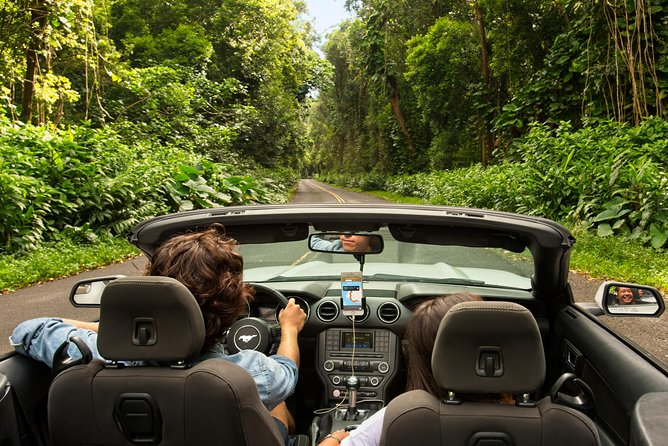
On the Big Island, the distances can swallow a day fast. This tour’s strength is that it’s built around driving—so you’re not just moving between sights, you’re learning as you go.
You also get the freedom to choose your rhythm. Want to spend longer at a viewpoint or skip a stop that isn’t clicking? You can. For $15.99 per group (up to 15), that flexibility is the point.
You can also read our reviews of more tours and experiences in Big Island of Hawaii.



How the Shaka Guide audio tour actually works while you’re on the road
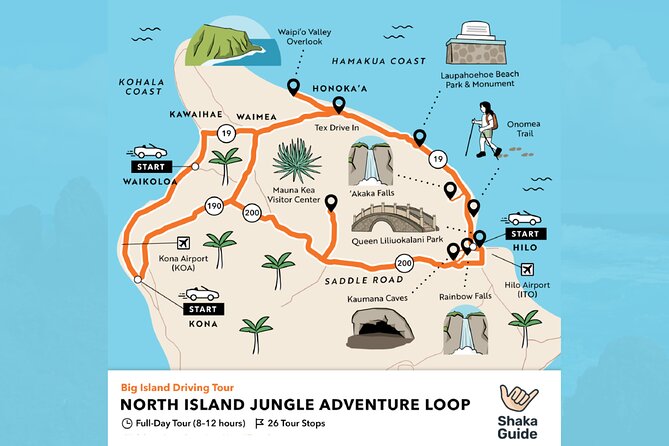
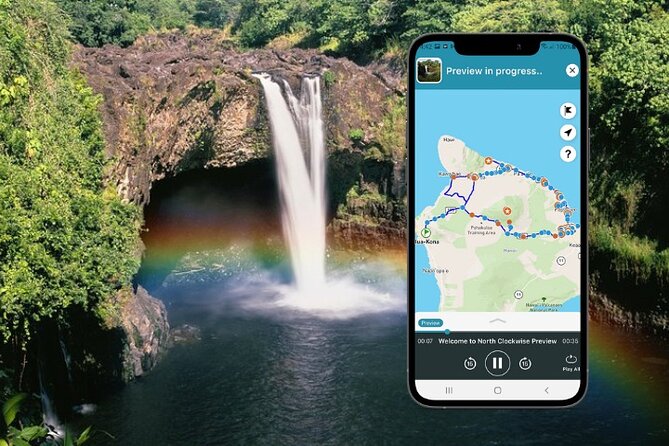
This is not a live guide in a car. Instead, Shaka Guide Apps gives you an app-based audio tour with an offline map and GPS directions.
Here’s what matters in real life:
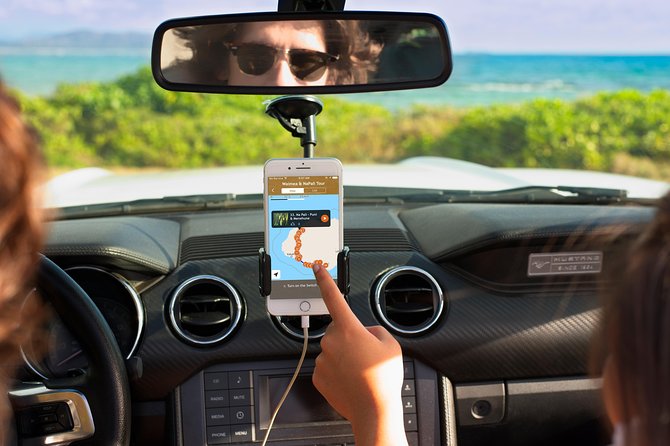
- The narration is designed to play automatically as you drive. So you’re not constantly tapping your phone.
- You get turn-by-turn directions using GPS, plus on-the-route music and travel tips.
- The tour is available through the Shaka Guide app, and it never expires, so you can line it up around your schedule.
It’s also offered in English, and you can travel the route clockwise or counter-clockwise. That helps if you’re syncing with where you’re staying.
Day 1 in Hilo Town: where the stories start (and the scenery stacks fast)
Day 1 begins in Hilo Town, and it’s a strong opener because it mixes culture, legend, and easy stops you can do without rushing.
King Kamehameha Statue and the Hilo backstory in 10 minutes
You start at the King Kamehameha Statue—an impressive 14-foot bronze monument. The narration gives the context of Hawaii’s first king and how the story of that statue connects to Hilo.
This is a good warm-up. It sets the tone before you go chasing waterfalls and lava-country views.
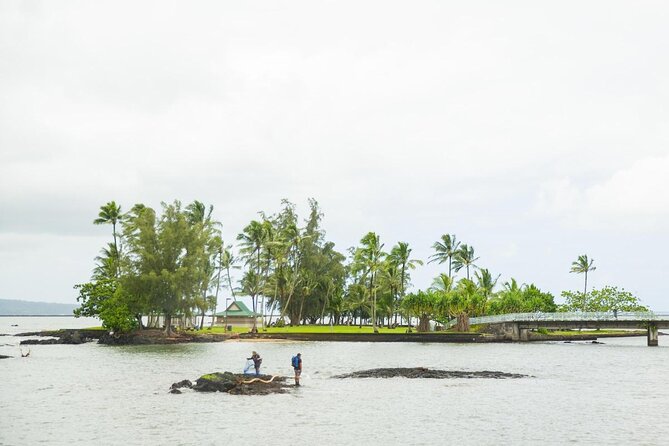
Coconut Island (Moku Ola): a healing legend at a quick stop
Next is Coconut Island, also called Moku Ola, meaning healing island or island of life. The big idea here is legend: the story says swimming around the island three times could heal ailments or ill feelings.
Even if you don’t swim (and you might not, given the logistics), it’s a scenic little beach park you can pair with photos and a short break.
Liliʻuokalani Gardens: the Edo-style surprise in Hawaii
Liliʻuokalani Gardens is one of Hilo’s prettiest pauses. Expect red bridges over koi ponds, statues, pagodas, and stone lanterns along the paths.
This part is useful because it gives you a non-waterfall moment. You’ll need that after a day of driving.
Rainbow Falls and Boiling Pots: both waterfalls, different moods
Rainbow Falls is close to downtown Hilo, and on sunny days you might see rainbows in the mist. The waterfall drops about 80 feet, plunging into a natural lava cave.
A little farther along, you hit Boiling Pots—a chain of overflowing waterfalls that looks like bubbling water after rain. These two stops together feel like the tour’s weather report in motion: one is magic with sun, the other is dramatic after a shower.
Kaumana Caves Park: the shock of darkness inside a lava tube
Kaumana Caves is part of a lava tube created by Mauna Loa’s lava flow of 1880. The public stretch is about two miles.
The key practical point: as soon as you enter, it quickly goes pitch black. So don’t plan on a lot of roaming with your phone flashlight unless that’s comfortable for you.
Naha Stone: a 5,000-pound legend tied to island unity
A quick pull-over by the Hilo Public Library introduces the Naha Stone—a massive rock believed to have spiritual power. The legend says Kamehameha successfully overturned it at age 30, later uniting the islands.
This stop is short, but it’s one of the tour’s most story-forward moments. It’s also a good example of how the tour turns random roadside stops into something meaningful.
Onomea Bay Trail: easy hike, big payoff coastline views
If you want a straightforward stretch of legs, Onomea Bay Trail is the move. It’s under a mile roundtrip and gives you wide, 180-degree views of Onomea Bay.
There’s also a fork that lets you explore Onomea stream where it opens toward the ocean. Even with limited time, this is the kind of stop that makes your camera feel justified.
Hawai‘i Tropical Botanical Garden: rainforest plants with real scale
This is a managed stop with a lot to see—over 2,500 plant species—and it focuses on endangered rainforest plants. You’ll find miles of trails under a canopy.
Admission is not included for this one, so decide based on your interest in plants versus rushing to waterfalls. If you like nature details, it’s worth it. If you’re mostly chasing quick views, you might treat it as optional.
Akaka Falls State Park: famous waterfall, paved and doable
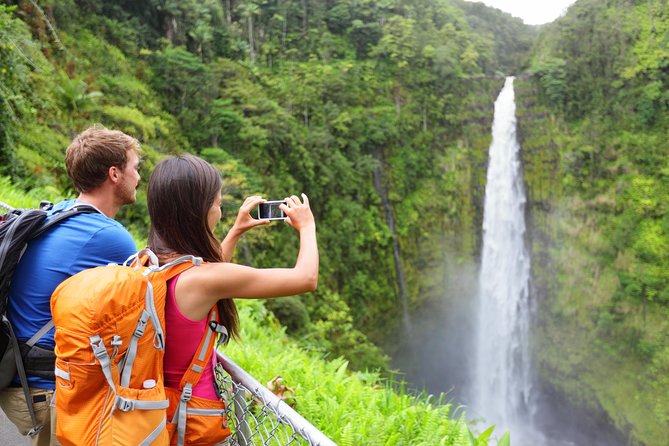
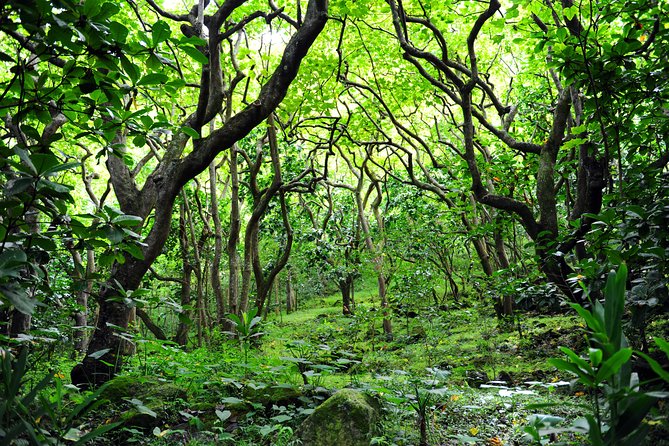
Akaka Falls is another icon, with a half-mile stroll on a paved path through rainforest. You’ll pass wild orchids, bamboo groves, and draping ferns.
Admission is extra here ($5 per person). Still, the walk is simple enough to fit into a driving day without needing a full hike schedule.
Umauma Falls Experience area: self-guided drive to a three-tier viewpoint
Umauma Falls comes with guidance to follow signs for the Umauma Experience and register at the visitor center to grab a map. Then it’s a scenic drive through a tropical garden to a viewpoint.
Admission is not included. This one works best if you want more “destination payoff” per hour and don’t mind doing a short self-guided driving loop.
Laupahoehoe Train Museum: sugarcane and rail history along the Hamakua Coast
This museum connects the Big Island’s plantation past to railroads. It focuses on how sugarcane production depended on transport, and it places that story along the Hamakua Coast.
Admission is extra ($10 per person). If you like industrial history or you want a break from only waterfalls and views, this adds variety.
Tsunami Memorial: the solemn stop you shouldn’t skip
After the lighter nature stops, Tsunami Memorial is a reality check. In 1946, a devastating tsunami killed over 150 people here, including school children.
The narration tells the story of that day and highlights brave survivors. This part isn’t about scenery. It’s about context, respect, and remembering what’s shaped this coastline.
Waipiʻo Valley: royal center legends in a stunning setting
Waipiʻo Valley is one of the most storied valleys on Hawai‘i. Legend says the gods lived in Waipiʻo in ancient days, and it was a royal center for ancient rulers. It was also connected to Kamehameha the Great.
This stop is both visual and narrative. You’ll likely spend more time looking than taking photos—because it’s the kind of place where the story changes how you see the view.
The food reset: Tex Drive-In on the way out of Honokaʻa
The tour includes a guide to TEX Drive In, a local spot for hearty plate lunches. It’s there for a practical reason: keep you fueled before the next stretch of driving.
This is a detail I really like. On island road trips, food logistics can ruin your plan. A specific suggestion cuts down on decision fatigue.
Day 1 moving into Waimea: cowboy culture, walking paths, and small-town pace

After Honokaʻa, the route brings you into Waimea, an artsy farm town known for cowboy history. The vibe here is different from Hilo: more open space, ranch-land feel, and lots of independent spots to stop in.
Waimea’s “pause and wander” factor
Waimea has restaurants, theater, art exhibits, and historic ranches. It’s also a town where you can do short walks without it turning into a half-day hike. The tour’s pacing fits that.
Ulu Laʻau: circle of trees for a calm stretch
The Ulu Laʻau area means circle of trees in Hawaiian. It’s a nice place for a stroll or a picnic next to a flowing stream.
It’s not a landmark you’d plan around if you were only chasing waterfalls. But it’s a relief stop when you’ve been driving and you want your brain to cool down.
Plantation-style shopping stop: local art, coffee, and gifts
The shopping center includes places like The Gallery of Great Things (Hawaiian, Polynesian, and Asian art), Waimea Coffee Company, and Waimea General Store for island-inspired gifts.
This part works as a practical bundle: you can grab small supplies and keep your day moving.
Paniolo (cowboy) history: a free museum moment
You’ll learn about paniolo and why they matter in Hawai‘i ranching history. The museum is free and open to the public, and it’s timed like a quick education break.
If you’re into ranch culture, you’ll like it. If you’d rather keep rolling, you can treat it as optional since the drive schedule still gives you other stops.
Anna Ranch: five generations of ranching on historic grounds
The Anna Ranch is a national historic site with white wooden walls that hold stories. It’s been in the same ranching family for five generations, and it connects to Anna Lindsey Perry-Fiske, known as the first lady of ranching.
You also get historic houses built in the 1800s, and you can explore grounds on a self-guided tour. This is another stop where the narration gives you a thread so you’re not just looking at buildings.
Kahua Ranch Naʻalapa Stables: panoramic views with paniolos
The tour suggests booking horseback riding at Kahua Ranch Naʻalapa Stables for panoramic views of Waimea’s rolling hills, led by experienced paniolos.
The booking isn’t included, but the suggestion is useful if you want a change from driving and walking.
Saddle Road into Mauna Kea: the drive that becomes part of the show
After Waimea, you head across Saddle Road, officially named the Daniel K. Inouye Highway. This is the main thoroughfare connecting Kona (west) to Hilo (east).
The tour uses this long drive (about 50 minutes) to share geology, history, music, and the story of the highway’s namesake. This is smart because it turns “boring road miles” into “something to pay attention to.”
Mauna Kea Visitor Information Station: pre-night-sky context before the big stop
Next comes the Mauna Kea Visitor Information Station. The narration frames it through altitude comparisons (Everest is higher above sea level, while Mauna Kea is tallest from ocean-floor base) and through science and spiritual connections.
It also notes why it’s so famous for astronomy: it’s one of the clearest places on the planet for viewing the night sky. Plus, for visitors, it offers a chance to experience polar tundra in Hawai‘i.
Admission for this information stop is free, and it sets you up well if you’re planning to do the observatories the next day.
Day 2 night-sky time: Mauna Kea Observatories and what to expect
Day 2 focuses on Mauna Kea Observatories. The audio encourages taking the whole family if you’re up for a night-sky experience.
One important detail: admission for the observatories is not included. So factor that into your total plan.
Even with no extra cost, the value here is timing and focus. You’re not just grabbing a quick look at a viewpoint—you’re aiming at one of the clearest-sky experiences in the world, backed by context so you know what you’re seeing.
Price and value: $15.99 per group, plus a few ticket add-ons
At $15.99 per group (up to 15), the tour can be a great value if you’re splitting it across family or friends and you already have a rental car.
What’s included is the heavy lift: offline map, audio narration, auto-playing audio as you drive, and turn-by-turn GPS directions. That can replace a chunk of what you’d pay for guided excursions plus navigation.
What’s not included can still be manageable:
- Akaka Falls State Park entrance ($5 per person)
- Laupahoehoe Train Museum ($10 per person)
- Parking fees ($10 per booking)
- Mauna Kea Observatories admission (not included)
If you’re mostly skipping paid sites and leaning into viewpoints, short walks, and the free stops, you’ll likely keep costs down. If you’re planning to do every paid stop, set aside a bit more budget—though you’ll still have a long, structured route for the base price.
Tech and pacing reality check: the one thing that can make or break it
The big advantage is the hands-free concept: audio and directions line up as you drive. That’s what keeps it from feeling like an annoying phone chore.
The risk is human and tech timing. If you’re still figuring out how to start the tour in the app, or if you miss a turn because of how you’re driving, you can end up going the wrong way and needing to correct. I’d treat this like any road-trip navigation: pull over for complex checks, and keep your eyes on the road first.
Also plan for downloads. The instructions say you should download the tour using strong Wi-Fi. Once downloaded, the narration and map work offline, which is perfect for parts of the island where service can be spotty.
Finally, the tour being private and designed for your group is great—just remember it’s also a do-it-yourself experience. If you want someone else to manage the schedule, this isn’t that.
Who this Big Island jungle adventure suits best
This tour fits best if you:
- Enjoy driving and want stories while you move between sights
- Like a mix of culture, nature, and practical stopping points (including a local food recommendation)
- Travel with a group where splitting the $15.99 cost makes sense
- Want the flexibility to pause, skip, or spend extra time without waiting on anyone else
It’s not the best match if you:
- Really don’t want to deal with an app or GPS setup at all
- Prefer a fully hosted tour with constant staff guidance
- Want every stop to be a guided walk with a set meeting time
Should you book this audio tour?
If your dream Big Island trip is driving the North and seeing a lot without turning every day into a ticket line marathon, I’d book it. The value works, especially at group size up to 15, and the offline setup is exactly what you want for island roads.
Book it if you like mixing waterfall stops with cultural context—Kamehameha-era legends, tsunami memory, and ranch history—while still getting time for coastline views and short hikes.
Don’t book it if you want a hands-on guide in real time or if your tolerance for app navigation is low. In that case, you might prefer a traditional tour with fewer decisions on your plate.
FAQ
FAQ
How much does the Big Island North Island Jungle Adventure cost?
It’s $15.99 per group, with group size up to 15.
How long is the tour, and can it be split across two days?
The duration is listed as about 2 days. The tour also says you can take it when you want, and it can be used over multiple days if needed.
Do I need Wi-Fi during the drive?
No. The tour includes an offline map and works offline (no wifi or data needed). You do need strong Wi-Fi to download the tour beforehand.
What’s included with the tour price?
You get an offline map of the island, hours of audio narration with stories, travel tips, and music, plus GPS turn-by-turn directions. The narration plays automatically as you drive, and you get tour highlights with activity and restaurant recommendations.
What entrance fees are not included?
Akaka Falls State Park costs $5.00 per person and is not included. Laupāhoehoe Train Museum costs $10.00 per person and is not included. Mauna Kea Observatories admission is also not included.
Are there parking fees?
Yes. Parking fees are listed as $10.00 per booking.
Where does the tour start?
The tour begins in Hilo Town. The tour start is customizable, and you select the starting point in the Shaka Guide app and follow GPS instructions.
Can I cancel for a full refund?
Yes. Free cancellation is available if you cancel at least 24 hours in advance for a full refund.
Is this tour private for my group?
Yes. It’s private, and only your group will participate. It’s also described as a cost-efficient option since it’s one tour for the entire vehicle rather than per person.