REVIEW · ROME
Vatican Museums: Reserved Access Entry Ticket & Audio Guide
Book on GetYourGuide →Operated by Gray Line I Love Rome · Bookable on GetYourGuide
One building can hold entire worlds of art. With a reserved entry ticket and a 10-language audio guide, the Vatican Museums go from stressful queue to a smooth, self-paced visit. I especially love how this option is built for time-saving, and how it gives you the key sights like the Sistine Chapel and Michelangelo’s The Final Judgement without forcing you into a rigid route. The main thing to consider is that you’re not getting a live tour guide here, so you’ll be relying on the audio and your own pace.
If you only have a half day in Rome, this kind of entry plan matters. You get a set entry time, slip in through exclusive reserved access, and then you can wander across lots of galleries (up to 54), including the Raphael Rooms and the major sculpture and painting collections.
In This Review
- Key things I’d plan around before you go
- Why a reserved entry ticket is the real advantage
- Where you meet and how to stay on time
- What’s included: audio guide power, plus your ticket
- Your 4-hour plan inside the Vatican Museums
- Pio Clementino Museum: when sculpture tells stories
- Candelabra Gallery: a visually striking pause
- Pinacoteca Vaticana: art geniuses in painting form
- Modern Religious Art collection: faith in a more modern voice
- Sistine Chapel and Michelangelo’s The Final Judgement
- Raphael Rooms: where storytelling and detail matter
- Pricing: is $62 worth it?
- How to get the most out of a self-paced audio visit
- Best for you if…
- Quick FAQ before you decide
- FAQ
- What’s the duration of the Vatican Museums reserved access ticket with audio guide?
- Does this ticket include an audio guide?
- Are you able to skip the ticket line?
- What are some of the main places you can see during the visit?
- How do I find the meeting point?
- What do I need to bring?
- Is lunch included?
- Is transportation included?
- What if the Sistine Chapel isn’t accessible?
- Is the experience suitable for wheelchair users?
- Should you book this Vatican Museums reserved access ticket?
Key things I’d plan around before you go
- Reserved access with a chosen entry time to avoid waiting in line for hours
- Audio guide in 10 languages so you can move at your own speed
- Top hit pacing for a short visit (Sistine Chapel, Raphael Rooms, Michelangelo’s The Final Judgement)
- Sculpture-heavy must-stops like the Pio Clementino Museum
- Candelabra Gallery as a special early anchor point inside the Museums
- Clear limits: no wheelchair access and no live guide (audio only)
Why a reserved entry ticket is the real advantage
The Vatican Museums are famous for two things: world-class art and lines that can eat your morning. What makes this experience practical is the skip-the-line idea through exclusive reserved access. Instead of guessing when to arrive and hoping you beat the crowd, you lock in your time slot and walk in with your ticket already handled.
You also get 4 hours. That’s not “see everything” time, but it’s enough to do the big artistic anchors well and still leave room for side rooms that catch your eye. With Rome competing for your attention, having a timed plan helps you keep the rest of your day intact—Piazzas, churches, fountains, and archaeological stops are calling.
You can also read our reviews of more tours and experiences in Rome.


Where you meet and how to stay on time
This is not one of those tours where you can roll up right at the start and wing it. Your meeting point is Bar Caffetteria L’Ottagono in Piazza del Risorgimento, about 400 meters from Metro A Line at Ottaviano. Plan to be there 15 minutes before your scheduled entry time so you can redeem your ticket.
A small detail, but it matters: the entry time is the one you selected when booking. If you arrive late or ask to change entry time, the info you have says extra costs may apply. So think of this as a “show up early, breathe later” kind of experience.
What’s included: audio guide power, plus your ticket
You get two things that do the heavy lifting here:
- Tickets to the Vatican Museums via the Reserved Access entrance
- An audio guide in 10 languages: Italian, English, French, German, Spanish, Japanese, Korean, Chinese, Russian, Portuguese
There’s no tour guide included, and there’s no lunch or transportation. That sounds basic, but it actually gives you control. If you like to slow down in front of paintings or you want to zip past what doesn’t grab you, audio is a good fit—especially in a place this large.
Your 4-hour plan inside the Vatican Museums
The Vatican Museums are built for wandering, but without a plan you can burn time. The idea here is simple: use your 4 hours to hit the major highlights and then follow the audio to fill in context.
You can explore any of the 54 galleries, which is a lot. So I suggest choosing a strategy before you even enter—either go straight to the “must-see” sights first, or start with sculpture then shift toward painting. Either way, the audio guide helps you understand what you’re looking at while you pace yourself.
Pio Clementino Museum: when sculpture tells stories
If you’re into art that moves even when it’s stone, Pio Clementino Museum is one of your best early choices. This is where the Vatican’s classical collections feel especially alive—Roman and Greek statue traditions show up in ways that are easier to appreciate when you’re not rushed.
The drawback: sculpture galleries can tempt you into “just one more room” mode. With only 4 hours, it helps to decide how many rooms you want to cover before you move on to paintings and the biggest chapel-related stops.



Candelabra Gallery: a visually striking pause
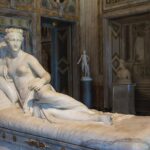
The Candelabra Gallery is one of those spaces that feels like a “stop and reset” moment. Even if you’re not an expert on ancient decor, you’ll likely feel the drama of the setting—and that’s useful when the museums start blending together.
I like this as a checkpoint because it breaks up the long museum feel. You can use the audio guide here to anchor what you’re seeing, then move on with clearer focus instead of drifting.
Pinacoteca Vaticana: art geniuses in painting form
From the ancient statues and artifacts, you’ll shift into the Vatican’s picture collections, including the Pinacoteca Vaticana. This is where names like Leonardo da Vinci, Michelangelo, Caravaggio, Raphael, and Giotto come into play.
Here’s the value for you: knowing a name is one thing, but seeing how these artists work in the same museum ecosystem is a different kind of understanding. Use the audio to catch the why behind the what—composition choices, style differences, and how each work fits into the larger collection.
Modern Religious Art collection: faith in a more modern voice
If contemporary art appeals to you, don’t skip the Modern Religious Art section. The collection includes artists such as Carlo Carrà, Giorgio de Chirico, Vincent van Gogh, Paul Gauguin, Marc Chagall, Paul Klee, Salvador Dalí, and Pablo Picasso.
This is a great reminder that religion isn’t just old frescoes and saints in robes. It’s also how later artists interpreted spirituality, symbolism, and emotion. The audio guide helps you connect styles that might otherwise feel disconnected.
Sistine Chapel and Michelangelo’s The Final Judgement
No Vatican visit is really complete without the Sistine Chapel. This experience specifically includes the major chapel highlight: Michelangelo’s The Final Judgement. That matters because it’s not just a “nice to see” add-on; it’s one of the central reasons people come.
One more practical point: the information says that if the Sistine Chapel is not accessible for reasons beyond control, no partial refund is provided. That’s not something you can plan around, but you can make peace with it by understanding that your ticket is for the Vatican Museums experience, and access to certain areas can be outside anyone’s control.
Raphael Rooms: where storytelling and detail matter
Another headline stop you’ll want to prioritize is the Raphael Rooms. These rooms are popular for a reason: they’re not just pretty walls. They’re the kind of space where details reward your attention, and an audio guide helps you catch what you might otherwise miss in a quick glance.
For you, this is where a self-paced visit shines. You can linger in the rooms that pull you in, then keep moving without feeling like you’re falling behind a group schedule.
Pricing: is $62 worth it?
$62 per person isn’t pocket change, but in this case the value makes sense if you care about time. The big cost drivers here are the reserved entry time and the ability to skip the ticket line without waiting around for hours. In a place like the Vatican Museums, saving that time isn’t a luxury—it’s what protects your day plan in Rome.
Also, you’re not just buying entry. You’re buying a 10-language audio guide and access that can stretch across many galleries (up to 54). If you’re the type who would otherwise rush through without context, the audio is what turns “seeing art” into actually understanding what you’re looking at.
Who this price fits best:
- You have limited time in Rome and want the big hits
- You prefer to travel independently rather than follow a guide
- You want context in your own language instead of guessing
Who might feel it’s not worth it:
- If you’re staying in Rome for multiple museum days and don’t mind queueing
- If you strongly prefer a live, spoken guide for every stop
How to get the most out of a self-paced audio visit
You don’t get a live guide here, so your success depends on how you use the audio. My advice is simple:
- Pick a few “anchor” sights before you enter (Sistine Chapel, Raphael Rooms, plus one museum section like Pio Clementino)
- Don’t try to hear every single track. Follow what matches what you’re actually looking at
- Give yourself at least one moment to just look without interruptions
And because you have a set entry time, you’re already on a timeline. That means your best plan is to start with the highlights you care about most, then use the audio to fill gaps rather than letting the museum decide your schedule.
Best for you if…
This experience is a strong match if you:
- Want to skip the long line at the Vatican Museums
- Prefer independent exploration instead of a group pace
- Want the major sights like the Sistine Chapel and Raphael Rooms within about 4 hours
- Appreciate explanations in your language via a 10-language audio guide
It’s not a great fit if you need wheelchair access (the info says it’s not suitable for wheelchair users). And if you’re expecting lunch or transportation, plan those separately.
Quick FAQ before you decide
FAQ
What’s the duration of the Vatican Museums reserved access ticket with audio guide?
The duration listed is 4 hours.
Does this ticket include an audio guide?
Yes. It includes an audio guide in 10 languages: Italian, English, French, German, Spanish, Japanese, Korean, Chinese, Russian, and Portuguese.
Are you able to skip the ticket line?
Yes. This option is described as offering skip the ticket line through exclusive reserved access.
What are some of the main places you can see during the visit?
You can visit key highlights such as the Sistine Chapel (including Michelangelo’s The Final Judgement), the Raphael Rooms, the Pio Clementino Museum, and the Candelabra Gallery.
How do I find the meeting point?
Meet at Bar Caffetteria L’Ottagono in Piazza del Risorgimento, about 400 meters from Metro A Line at Ottaviano. Arrive 15 minutes before the tour starts.
What do I need to bring?
Bring your passport or valid ID card. The information also says you’ll need to print out the voucher or show it to the personnel.
Is lunch included?
No. Lunch is not included.
Is transportation included?
No. Transportation is not included.
What if the Sistine Chapel isn’t accessible?
If the Sistine Chapel is not accessible for reasons beyond control, the info states no partial refund will be provided.
Is the experience suitable for wheelchair users?
No. It is listed as not suitable for wheelchair users.
Should you book this Vatican Museums reserved access ticket?
If your Rome schedule is tight, I think this is an easy yes. Reserved access plus a 10-language audio guide is the combo that helps you see the Vatican Museums’ top priorities without losing hours to queues or getting dragged by an inflexible route.
I’d only skip it if you’re visiting slowly across several days and you’re happy to risk waiting in line, or if you specifically want a live tour guide (because this option is audio-guided, not guided by a person).
For most people trying to balance art, time, and sanity in Rome, this is a smart way to spend your half-day—especially when Sistine Chapel and Michelangelo’s The Final Judgement are on your list.