REVIEW · PORTLAND
Portland (Along the Waterfront) Scavenger Hunt & Self-Guided Tour
Book on Viator →Operated by Explorial · Bookable on Viator
Portland turns into a game you can walk. This self-guided scavenger hunt uses the Explorial app to turn big landmarks along the river into clue stops, with hints, map guidance, and point-scoring tasks. I like how the challenges mix sight-finding with question-solving, and I also like that you can move at your pace with breaks.
One thing to consider: parts of the route can feel like they follow a single main line along the Willamette River, so if you want nonstop variety, plan for a little repeat-walk energy.
In This Review
- Key Points at a Glance
- Enter Portland’s Waterfront Like a Puzzle
- Price and What You Get for $15.85
- How the Explorial App Runs the Game
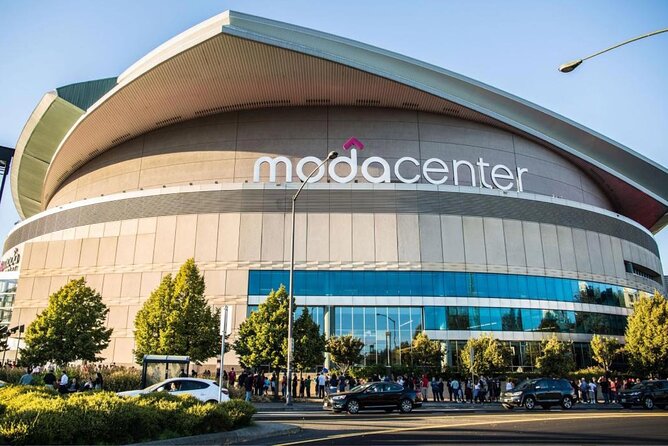
- Stop 1: Moda Center to Kick Things Off
- Stop 2: Steel Bridge for the Walk-Photo Challenge
- Stop 3: Japanese American Historical Plaza for Clue-Based Learning
- The Real Route Experience: Pacing, Breaks, and Comfort
- Who This Portland Scavenger Hunt Is For
- Practical Logistics That Make It Easier
- Should You Book This Portland Scavenger Hunt?
- FAQ
- How long does the Portland waterfront scavenger hunt take?
- Where does the scavenger hunt start and end?
- What do I need after I buy the ticket?
- Which stops and landmarks are included?
- Is the activity timed, or can I go at my own pace?
- Is it offered in English, and how does service-animal access work?
Key Points at a Glance
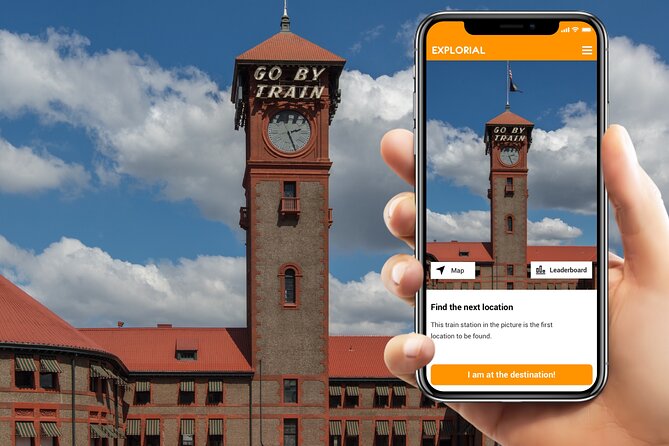
- Explorial-App scavenger format: hints, map directions, and point tasks instead of a guided lecture
- Solve questions on-site: answers are often hidden in signs, pictures, and what you can see nearby
- Photo tasks for creativity: you earn points for your snapshots, not just for walking
- Major Portland landmarks: Moda Center, Steel Bridge, and the Japanese American Historical Plaza are all in the mix
- Flexible pacing: the game isn’t limited by strict timing, so you can pause for photos or rest
Enter Portland’s Waterfront Like a Puzzle
This is a Portland walking experience where you’re not just sightseeing. You’re working through a self-guided scavenger hunt built around short missions: find the right spot, answer a question, and often snap a photo in a playful way. It’s a simple idea, but it changes how you experience the city. Instead of moving from one photo stop to the next, you’re hunting for the detail you’d normally skip.
I especially like the balance of “doable” and “interesting.” The tasks are structured enough that you always know what to do next, but open enough that you can take detours when you want a closer look. The app’s map function helps you get to the places, so you’re not wrestling with paper maps while holding your phone over a river breeze.
The price is also easy to justify if you value activity over just sightseeing. At $15.85 per person, you’re paying for the game experience—code, app-based prompts, and the route structure—more than you’re paying for someone to narrate the city. If you’re already comfortable walking and like interactive challenges, it can feel like good value.
You can also read our reviews of more tours and experiences in Portland.



Price and What You Get for $15.85
At $15.85 per person for about two hours (often 1 to 2 hours in practice), the real question is: what are you buying? You’re buying an app-based adventure that guides you to key areas and asks you to look closely. That matters in Portland, because the best parts are often small: a sign, a detail on a wall, a marker near a landmark.
This format can be a bargain if you:
- Want something to do that isn’t tied to a fixed tour time
- Prefer learning by noticing, not just reading or listening
- Like earning points for solving tasks (it keeps you moving)
It might not feel like a great deal if you:
- Want a lot of deep explanation on demand
- Dislike phone-based games
- Prefer a straightforward stroll with zero challenges
In other words, the value is strongest when you like the mechanism: hints, questions, and photos. If that sounds fun to you, the cost makes sense.
How the Explorial App Runs the Game
Your purchase gives you an access code, and that code is what gets you started in the Explorial-App. Once you download the app, you go to the start point in Portland (near 97209) and begin the adventure.
What makes the app format practical is that it supports two different types of needs:
- Direction support: the app uses a map function to help you reach the stops
- Learning support: when you arrive, you’re given questions tied to what’s in front of you
You’ll be using hints to locate sights and hidden details. Then you answer questions that are often based on visible information—signs, pictures, or other cues. It’s a low-pressure way to learn, because the city provides the answers. You’re not relying on memory or a quiz game with vague wording.
One more practical point: since the experience isn’t limited in time, you don’t have to rush. If you’re waiting for better photo light or you just need a break from walking, you can slow down and keep going.
Stop 1: Moda Center to Kick Things Off
Your first major stop is Moda Center. Starting at a large, recognizable venue is smart for a scavenger hunt. You can orient quickly, and you’re less likely to feel lost right away.
From this point, the game starts teaching you its rhythm:
- You get a hint to aim for a place.
- You arrive and read what’s there.
- You answer the question based on what you can see.
This opening stop helps set expectations. If you’re new to scavenger-hunt style tours, Moda Center is a good place to get comfortable with the app flow and how quickly you’ll move between clues.
Potential drawback: because the hunt is structured, early questions can make you feel like you’re moving right away. If you want a slow, relaxed start with zero urgency, you may need to consciously take your time before you begin your first mission.
Stop 2: Steel Bridge for the Walk-Photo Challenge
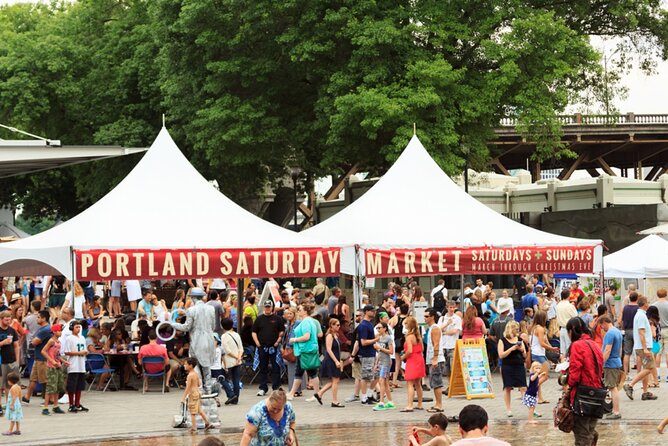
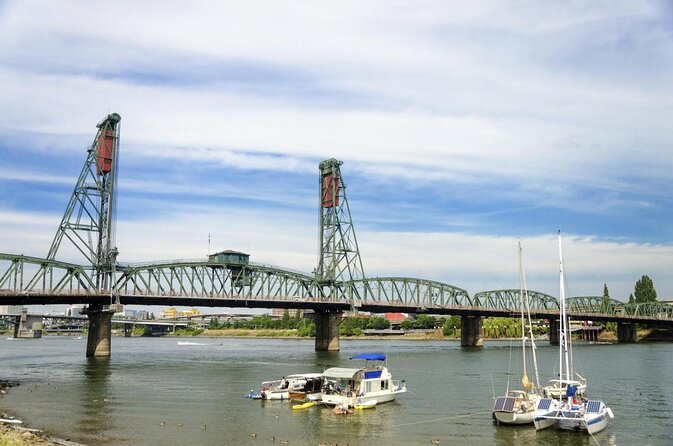
The hunt’s next highlight is Steel Bridge. Bridges are made for walking-and-looking tours, because the views and angles change as you move. Here, the game adds motivation: you’ll face photo tasks that reward creativity. You’re not just trying to capture the scene—you’re trying to complete a prompt.
The biggest benefit of making Steel Bridge a clue stop is that it turns a common “we should take a picture” location into an actual activity. You’re encouraged to look around, find what the prompt is asking for, and then work the shot. That usually leads to better photos than a rushed stop.
There is one consideration. Some people find the overall walk feels like it leans toward a single main route along the Willamette stretch. That doesn’t ruin the experience, but it can mean you’ll spend more time walking a consistent line rather than zigzagging through lots of disconnected neighborhoods.
Practical tip: if you care about photos, plan for time on the bridge itself. Even without a strict clock, you’ll enjoy the mission more if you’re not rushing through the angles.



Stop 3: Japanese American Historical Plaza for Clue-Based Learning
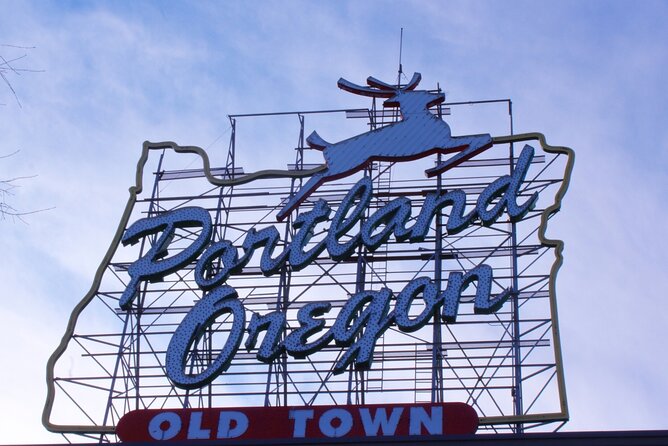
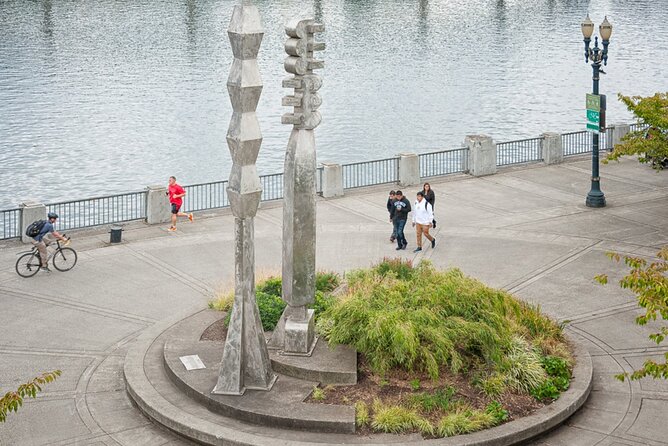
The final named stop is the Japanese American Historical Plaza. This kind of location can make the hunt feel more meaningful, because it gives you a chance to connect Portland’s present-day waterfront experience with the human stories around it.
In this part of the game, the structure stays the same: you arrive, look for cues, and answer questions. But the difference is that the setting tends to reward slower attention. These places often have text, markers, or visual elements you can use to solve the question without guesswork.
Why this is a strong choice for a scavenger hunt: questions tied to signs and pictures help you actually read the place instead of just passing through. And because you’re actively searching for answers, you’re more likely to notice the details you might normally skim.
One note to keep your experience smooth: if you’re sensitive to walking in wind or crowds, bring a little patience here. Plaza areas can be busy depending on the time of day, and the game encourages you to stop and look.
The Real Route Experience: Pacing, Breaks, and Comfort
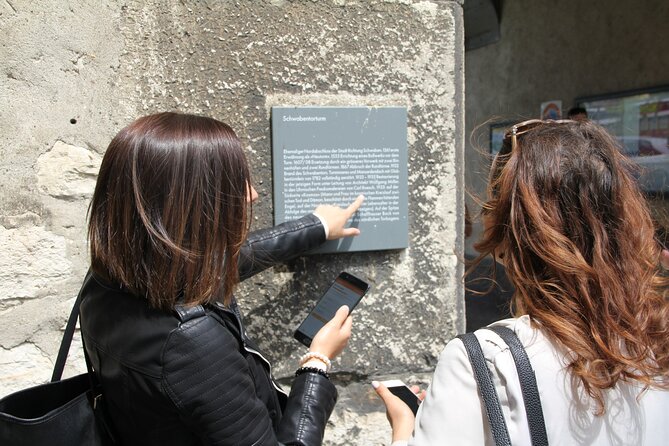
On paper, it’s about 2 hours. In practice, the average run time is often 1–2 hours, and the important part is that it’s not limited in time. That means you can pace yourself.
This format works well for a few reasons:
- You can pause when your legs need a break
- You don’t have to keep up with a group schedule
- You can spend extra time at one stop if you’re enjoying the game
What to consider is that you’re still walking. Most travelers can participate, but this is a foot-focused experience along an area where it’s easy to rack up steps. If you’re the type who likes to sit and snack every hour, build those breaks into your play rather than trying to power through.
Comfort tips that really matter for this type of hunt:
- Wear shoes you can walk in for longer than you expect
- Keep your phone charged enough for app guidance and photos
- Bring a light layer, because waterfront weather can change fast
Who This Portland Scavenger Hunt Is For
This scavenger hunt format is best for people who want a self-directed activity with enough structure to keep things engaging. It’s also good if you’re traveling with a group and you want everyone to participate at the same time without needing a guide’s narration.
You’ll likely enjoy it if:
- You like interactive tasks and solving small on-site questions
- You want to see Portland landmarks in a way that feels more playful than a standard walk
- You’re traveling with kids or adults who do better with hands-on learning
It can also be a solid option for locals. If you’ve lived in Portland for a while, this kind of hunt is a practical way to notice overlooked places. One common theme people get from this format is that it turns familiar geography into a fresh set of discoveries.
It’s less ideal if you:
- Want a traditional guide telling you stories constantly
- Dislike phone-based games
- Prefer lots of completely different neighborhoods with minimal walking repetition
Practical Logistics That Make It Easier
This is a private activity for your group, and that’s a meaningful difference. You’re not sharing the route with strangers, and it’s easier to keep your pace and your questions organized without noise from other groups.
It also runs daily between 12:00 AM and 11:30 PM for the listed validity dates, so you’re not locked into one tight departure window. Confirmation is received at booking time, and service animals are allowed. It’s also near public transportation, which helps if you want to mix this with other plans in Portland.
Most importantly: the tour starts at Portland, OR 97209 and ends back at the meeting point. That keeps things simple if you’re planning food or another activity afterward.
Should You Book This Portland Scavenger Hunt?
I’d book it if you want a self-guided walking tour that feels like an activity, not just sightseeing. The Explorial app structure, clue-based questions, and photo tasks make it a fun way to learn while you walk. For $15.85, it’s a straightforward deal when you’re into puzzles and want freedom to pause.
Skip it if you hate phone games, want constant narration, or you know you’ll feel annoyed by any “one main walking line” feeling along the Willamette area. In that case, a more traditional guided walking route might better match your style.
FAQ
How long does the Portland waterfront scavenger hunt take?
The experience is listed as about 2 hours. On average, it usually runs around 1 to 2 hours, and you can take breaks because it is not limited in time.
Where does the scavenger hunt start and end?
It starts in Portland, OR 97209, USA. It ends back at the same meeting point.
What do I need after I buy the ticket?
After purchase, you receive an access code. You then download the Explorial-App, go to the starting point, and enter the code to begin the game.
Which stops and landmarks are included?
You’ll visit stops that include Moda Center, Steel Bridge, and the Japanese American Historical Plaza.
Is the activity timed, or can I go at my own pace?
You can explore at your own pace. The experience is not limited in time, so you can stop for photos or rest whenever you want.
Is it offered in English, and how does service-animal access work?
The experience is offered in English. Service animals are allowed, and the activity is near public transportation.