REVIEW · CALIFORNIA
PCH: Big Sur Self-Guided Audio Tour from Monterey & Morro Bay
Book on Viator →Operated by Adventures with Action · Bookable on Viator
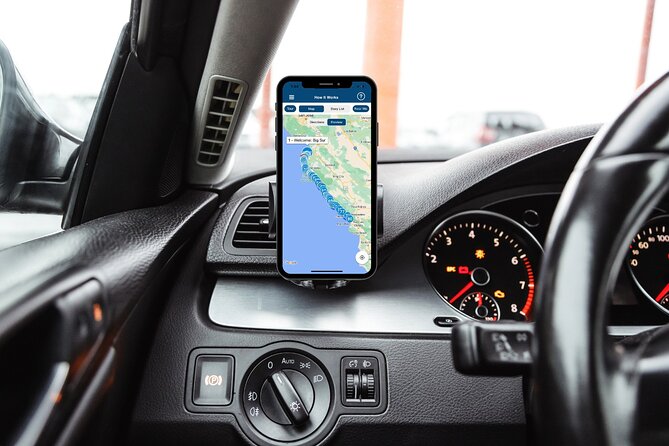
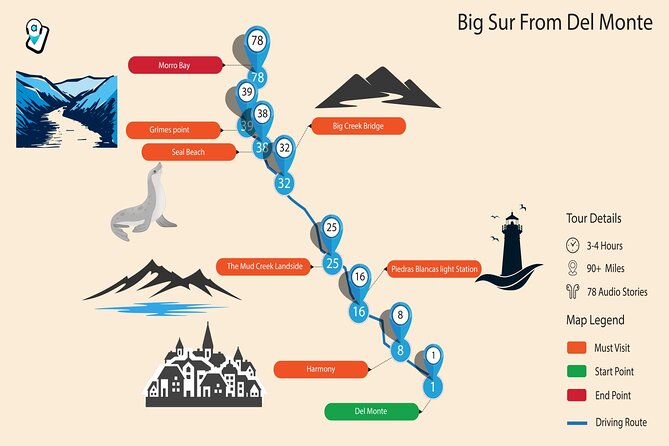
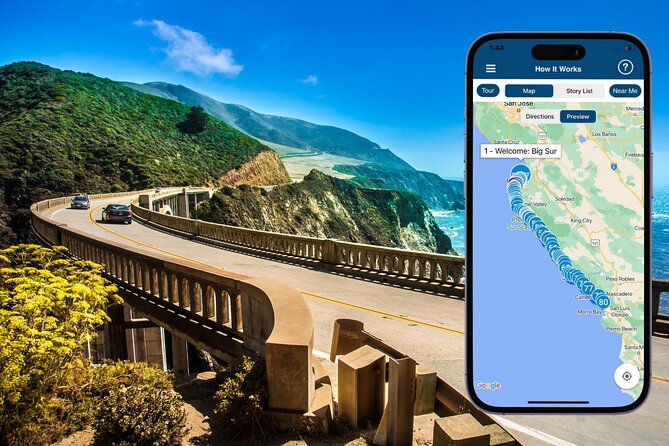
Big Sur by yourself can feel either freeing or stressful. This self-guided Highway 1 audio drive makes it easy, with a mapped route and stories that play automatically as you reach the next sight. You can pause for photos, detours, and quick walks—without chasing a live guide.
What I really like is the route is already planned for you, down the PCH/Route 1 corridor, so you spend less time deciding and more time looking. I also like how the narration is timed to landmarks, with audio that can start on its own when you arrive, plus detail on bridges and how Highway 1 infrastructure was shaped over time.
One thing to consider: tech depends on prep. You must download the tour while you have strong Wi‑Fi/cellular, because reception can be spotty for long stretches. And the app setup can be a little confusing at the start, especially if you try to jump in far from the recommended launch spot.
In This Review
- Why This Big Sur Audio Drive Works on a Road Trip
- Price and Time: What You’re Really Buying
- Getting the App Right: Offline Audio Along Highway 1
- The Drive North of Big Sur: Pfeiffer Big Sur State Park and Point Lobos
- Partington Cove and Garrapata Beach: Small, Tough Coastline Views
- Bixby Creek Bridge and the Highway 1 Engineering Story
- More Bridges, More Stops: Pfeiffer Canyon Bridge and Big Sur Detours
- McWay Falls and Big Creek Bridge: Water, Timing, and Easy Wow Moments
- Limekiln State Park, Pitkins Curve Bridge, and Natural Hazards
- Jade Cove, Nathaniel Owens Redwood Grove, and the Coast Redwoods
- Ragged Point to Moonstone: Views, Seals, Lighthouses, and Detours
- Nitt Witt Ridge and the Big Finish in Morro Bay
- Who This Tour Fits Best (and Who Might Want Something Else)
- Key Tips to Get Better Views and Less Stress
- Should You Book the Big Sur PCH Self-Guided Audio Tour?
- FAQ
- How much does the PCH Big Sur self-guided audio tour cost?
- How long does the tour take?
- Does it work offline?
- Are attraction tickets included?
- Do I need to be in a car with a guide?
- Can I use the tour more than once?
Why This Big Sur Audio Drive Works on a Road Trip

This tour is built for the way you actually drive Big Sur: slow enough to pull over, stop often, and soak up the views, but still focused enough to keep moving. Instead of a rigid schedule, you get a route with marked story points and a map inside the app. That means you can do the essentials fast (the core run is often described as about 2–3 hours for the key highlights) and then stretch it out into a full afternoon.
You’re paying per group, not per person. At $16.99 per group (up to 4), it’s unusually cost-efficient for a drive like this—especially when you’re already spending money on gas and food in one of the most expensive parts of California. If you’re the driver, you also avoid the classic problem of paying for seats that don’t really matter. Your whole car listens.
Price and Time: What You’re Really Buying
This experience runs about 5 to 6 hours for most people, which lines up with a realistic Big Sur day: a handful of short stops, a few slightly longer lookouts, and at least one or two places where you’ll want to get out of the car.
Value-wise, the math is simple. For the price of a couple of meals, you get:
- a planned Monterey-to-Morro Bay style drive down Highway 1
- offline maps once downloaded
- hands-free narration that triggers with your position
- permission to go at your own pace, start anytime, and pause whenever you want
If you love road trips but hate missing things because you skipped a pullout, this is the kind of add-on that changes your day.
You can also read our reviews of more tours and experiences in California.
Getting the App Right: Offline Audio Along Highway 1
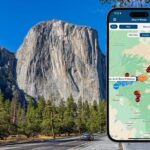
You’ll use your phone and a dedicated app by Action (Action’s Tour Guide App). After booking, you’ll receive an email/text with a password and setup instructions. The big rule: download the tour with strong Wi‑Fi/cellular before you start, since much of Highway 1 has limited signal.
When you’re ready onsite:
- open the Action app
- launch the correct tour version for your direction/start point
- start at the first story point and follow the prompts
Also note how it’s designed to feel: no one meets you. You’re not waiting for a guide. You’re driving, and the audio cues guide you from one stop to the next.
A practical tip from real-world experience: if you have Apple CarPlay or your phone is picky about audio interruptions, test your setup early. Some people report the audio stopping or failing, so it’s smart to keep your volume on, lock screen settings friendly, and battery above half.
The Drive North of Big Sur: Pfeiffer Big Sur State Park and Point Lobos
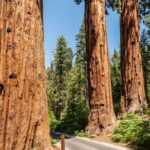
Start with a nature-heavy hit. Pfeiffer Big Sur State Park is the kind of place that makes Big Sur feel earned—redwoods, river scenery, and that sense of scale. It’s about 1,006 acres, centered on the Big Sur River, and it’s been nicknamed a mini Yosemite. The redwoods here can live for up to 2,200 years, so the stories have real weight.
You’ll also pass into Point Lobos Natural Reserve, where the coastline gets extra dramatic and the scenery feels more defined than the long highway stretches. Even if you don’t plan a long hike, you’ll likely want a slow drive-and-look pattern, because the best views are often right at the pullouts.
My advice: don’t cram these early stops. If you rush, you miss the moment when the coast stops being scenery and starts becoming a place.
Partington Cove and Garrapata Beach: Small, Tough Coastline Views
Next you move into more rugged shoreline territory.
Partington Cove is small and remote, reached by a dirt trail, a wooden bridge, and a tunnel. Even if you treat it as a quick stop, it’s a nice reminder that this drive isn’t just about postcard vistas—it’s also about terrain.
Then comes Garrapata State Park, with a stop at Garrapata Beach. What I like here is the way the audio connects the coastline to real-world events. You’ll learn about wildfires that often rage through forests in areas like this, which helps you understand why land can look the way it does after disruption—no mystery, just nature plus weather plus time.
If you’re visiting in a season when the air feels smoky or conditions are tense, check local alerts before you go. This tour can’t replace road and safety info.
Bixby Creek Bridge and the Highway 1 Engineering Story
This is where the drive becomes Hollywood.
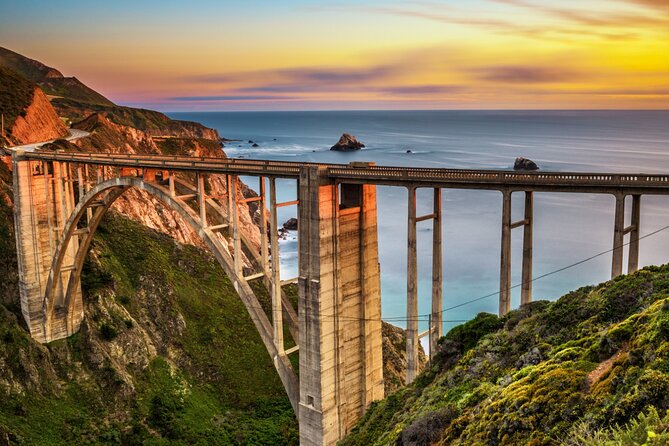
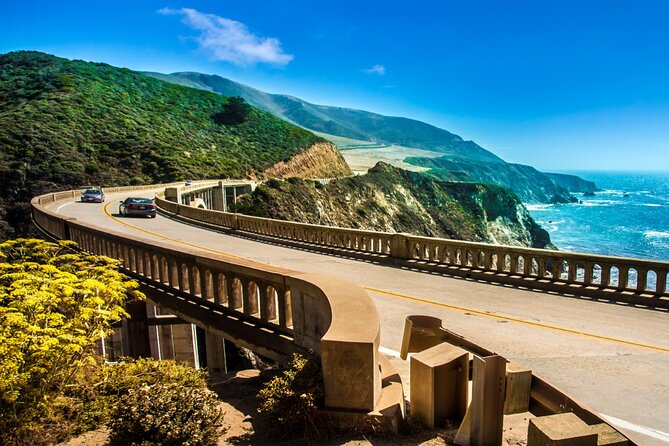
Bixby Creek Bridge is one of the most photographed bridges in California. The audio adds the kind of detail that makes you look twice: it’s a reinforced concrete open-spandrel arch bridge, and the structure looks graceful because it was engineered to last where the coast is constantly challenging it.
You’ll also keep learning while you pass areas near Point Sur and the Point Sur Lighthouse. Even if you don’t stop every time, the narration keeps the coast from turning into a blur of overlooks.
A key drawback to watch for: some people find that audio clips can feel spaced out. If you’re the type who wants a constant stream of info every single minute, plan on short gaps between story points. The highway is long, and the coast asks for silence sometimes.
More Bridges, More Stops: Pfeiffer Canyon Bridge and Big Sur Detours
Big Sur has more than one great bridge moment. Pfeiffer Canyon Bridge has its own charm, and the audio helps you see it as part of the bigger story: a coast road threaded through terrain that keeps reshaping itself.
Then you get a detour that feels like a secret even when it’s not: Pfeiffer Beach in the Big Sur area, accessed via unsigned Sycamore Canyon Road just south of Big Sur Station. The name matters less than the vibe. This is the kind of stop where you can stand, breathe, and realize why people keep coming back.
Two smart overlooks follow:
- Grimes Point Scenic Overlook for one of the best Big Sur coastline views
- Seal Beach Overlook where you can spot sunbathing seals
If you’re traveling with kids or non-hikers, these short viewing stops are a win. You still feel like you did something, without committing to a long walk.
McWay Falls and Big Creek Bridge: Water, Timing, and Easy Wow Moments
McWay Falls is a standout: an 80-foot-tall waterfall flowing year-round. You don’t need perfect weather to enjoy it, and the point is simple—water on the coast here looks unreal.
Then you cross Big Creek Bridge (about 589 feet long), described as an open spandrel concrete deck arch bridge. Under the bridge sits Big Creek Cove Beach, with adjacent land in the Landels-Hill Big Creek Reserve area and related marine protected areas named Big Creek State Marine Reserve and Big Creek State Conservation Area.
A practical note: you’ll likely want to stop for pictures here even if you’re short on time. Bridges and waterfalls give you the kind of photos that look like you planned a lot, even if you’re just following story points.
Limekiln State Park, Pitkins Curve Bridge, and Natural Hazards
As you continue, you’ll hit Limekiln State Park, a mix of beaches and forest. The audio approach here is useful because it connects place to process: you’re driving through a system, not just passing scenic zones.
Then comes Pitkins Curve Bridge, and this is one of the more educational parts of the route. You’ll hear about landslides, mudslides, rockfalls, earthquakes, and other natural disasters that threaten PCH infrastructure.
I appreciate this framing. It makes Highway 1 feel less like a static attraction and more like a living engineering problem. That changes how you watch the terrain: you start noticing slope, drainage, and how close the road sits to the coast.
Jade Cove, Nathaniel Owens Redwood Grove, and the Coast Redwoods
Next is Jade Cove, noted for a beach full of nephrite jade. Even if you don’t do anything other than look, the detail is memorable. It turns a shoreline stop into a geology story.
Then you reach Nathaniel Owens Memorial Redwood Grove, one of the largest redwood stands for miles. The narration adds the big-picture scale: the coastal redwood is listed as the tallest living thing on the planet, with trees that can reach around 350 feet—about as tall as a 35-story building.
This is one of those moments where a road trip becomes a slow walk, even if you only step out for a minute. Plan for at least a short break so your eyes reset from highway speed.
Ragged Point to Moonstone: Views, Seals, Lighthouses, and Detours
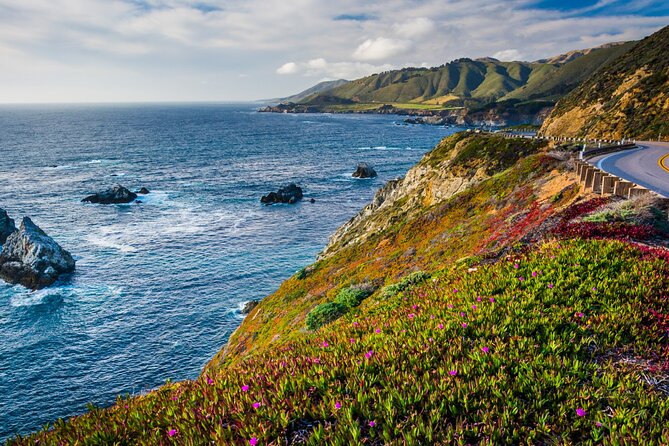
As you near Ragged Point, the driving changes to wide-open drama. The highway stretch between San Simeon and Ragged Point is known for being extremely picturesque, with the Santa Lucia Mountains meeting the Pacific. Pullouts keep appearing like they were built for your camera.
You’ll also pass Piedras Blancas Lighthouse with an option to detour if you want a closer look.
Then comes Elephant Seal Vista Point. This is a major wildlife stop. The audio explains how northern elephant seals migrate to the rookery twice each year, how they spend many months offshore diving deep (up to about 5,800 feet) and then come ashore to mate, give birth, molt, and rest.
From a practical standpoint: bring binoculars if you have them, but even without them you’ll likely catch movement. Just keep distance. Wildlife viewing is best when it’s calm.
In San Simeon, there’s an option to detour to Hearst Castle, built between 1919 and 1947 by William Randolph Hearst.
Then it’s Moonstone Beach via Moonstone Beach Drive. The idea is simple: enjoy a detour without losing your way back to the main road.
Nitt Witt Ridge and the Big Finish in Morro Bay
One of the more quirky roadside landmarks is Nitt Witt Ridge in Cambria—a house painted with blue tones and built partly from scrap and trash materials collected by an eccentric artist named Arthur Harold Beal. You may not know what to think until you see it, and that’s the point. It breaks up the big-science and big-nature vibe with human weirdness.
Finally, you reach the end stretch in Morro Bay, near San Luis Obispo and Pismo Beach. The tour is designed so that you finish back at the meeting point, with the coast experience feeling complete: bridges, waterfalls, wildlife, redwoods, and those long stretches where Highway 1 feels like it was made for slow driving.
Who This Tour Fits Best (and Who Might Want Something Else)
This audio drive is ideal if you:
- want a budget-friendly way to experience Big Sur highlights
- like self-paced stops with hands-free narration
- prefer learning while you drive, especially for bridge and coastal history context
- are okay handling your own phone setup and offline downloading
It might not be the best fit if you:
- need guaranteed audio playback with zero tech fuss
- dislike using smartphones while driving (even though it is designed for hands-free listening)
- are visiting during periods when parts of the road can close due to landslides or storms, since nature can shut routes down fast
Key Tips to Get Better Views and Less Stress
A few choices can make your day smoother:
- Download before you start. If you skip this, you risk dead audio where you need it most.
- Drive north to south if you can. The route tends to feel easier for stops and viewpoints.
- Treat stops as short breaks, not obligations. You’ll enjoy Big Sur more when you don’t try to do everything at the fastest pace.
- If you’re visiting with multiple people, remember you buy per group. It’s one of the rare tours where the whole car benefits for the same price.
Should You Book the Big Sur PCH Self-Guided Audio Tour?
I’d book it if you want a simple way to turn Highway 1 into a guided-feeling day without paying for a bus or group schedule. At $16.99 per group, the value is strong, especially with offline maps and location-triggered storytelling that helps you notice what matters: bridges, coast hazards, redwood scale, and wildlife like elephant seals.
I wouldn’t book it blindly if you hate phone setup or you’re traveling with a spotty device. You need to download with reliable signal, and you should expect that a few technical hiccups are possible with any app-based tour. If you prep well, this one can make Big Sur feel far more complete than a quick windshield drive.
FAQ
How much does the PCH Big Sur self-guided audio tour cost?
It costs $16.99 per group, up to 4 people.
How long does the tour take?
Most people plan for about 5 to 6 hours. The core route is also described as taking about 2 to 3 hours if you focus on the essentials.
Does it work offline?
Yes. You must download the tour while you’re in strong Wi‑Fi/cellular, and it works offline after that.
Are attraction tickets included?
No. Attraction passes, entry tickets, and reservations are not included.
Do I need to be in a car with a guide?
No. It’s self-guided, and no one meets you. You start the audio in the app at the first story point, then follow the cues.
Can I use the tour more than once?
Yes. It says buy once, use for one year, and you can use it across multiple trips during that time window.