REVIEW · TUCSON
Saguaro National Park Self-Guided Driving Audio Tour
Book on Viator →Operated by Travel with Action · Bookable on Viator
Cactus lore plays as you drive. This self-guided GPS-triggered audio tour turns a long Saguaro drive into a sequence of story stops, from Gates Pass views to Rincon petroglyphs. I especially like the hands-free narration that pops in right when you reach each viewpoint, and the practical desert explanations that help you spot cholla vs. prickly pear without guessing.
The one thing to watch is audio timing: a couple setups (especially Bluetooth) can cause slight cut-offs, and the stories are tuned to where you are and how steadily you drive.
In This Review
- Key points before you start
- How the audio tour works in Saguaro—offline, location cues, and car audio
- Price and value for a 2–3 hour Tucson road loop
- Gates Pass Scenic Lookout: ancient-rock views plus a quick cactus cheat sheet
- Gates Pass to Brown Mountain: Coyotes, desert sounds, and where to park for a real hike
- King Canyon Trail: a longer, work-for-it hike with big desert payoff
- Quick walks and cultural stops: Valley View, petroglyphs at Signal Hill, and what to look for
- Hugh Norris Trail and Mica View: tougher terrain and a calmer loop with birds and views
- Cactus Forest Trail and Loma Verde: lime kilns, seasonal water, and long cactus views
- Garwood Dam and Riparian Overlook: rare water vibes and the view you can’t unsee
- The Rincon Mountains finale: Cessna drama, Javelina Rocks, and Tanque Verde Ridge
- Road conditions, timing, and pacing tips for a smoother day
- Should you book this Saguaro National Park driving audio tour?
- FAQ
- How long is the Saguaro National Park self-guided driving audio tour?
- How many people can share the same tour purchase?
- What language is the tour offered in?
- Does the audio tour work without cell service?
- Is a park entrance pass included?
- What equipment do I need to hear the audio while driving?
- When does the tour run?
- Where do I start the tour?
- Is the tour fully self-guided?
- Can I pause and start the tour whenever I want?
- Is there a cancellation policy?
Key points before you start
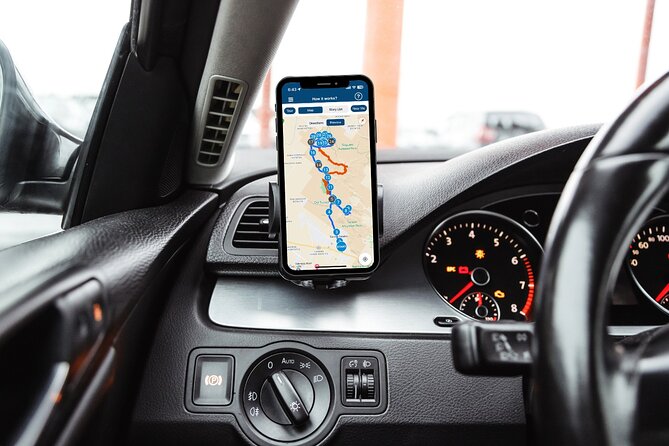
- GPS “bubble” cues mean the audio plays automatically as you reach each stop, so you’re not constantly tapping your phone
- Offline maps + offline audio help you keep going even when cell service is weak
- 15+ miles and 40+ stories make this feel like a guided day, but without locking you into a group pace
- Lots of “optional legs” let you stretch your day with short hikes, plus a few longer loops if you feel strong
- Park entry pass is required and isn’t included, so plan that cost before you roll
How the audio tour works in Saguaro—offline, location cues, and car audio
This is a self-guided driving tour built around your phone and GPS. After you book, you’ll get an email/text with a password and setup instructions. You download the tour content in strong signal first, then it runs offline on your device. That matters in Saguaro, where service can get patchy fast.
Once you’re onsite, you open Action’s separate audio tour app, choose the tour that matches your starting direction, and start the first story’s point. From there, the narration plays on its own as you cross each location trigger. You can pause anytime, too, which is ideal when you want extra time for photos or a short walk to a viewpoint.
For sound, you can connect your phone to your car audio via Bluetooth, USB, or AUX. I’d strongly consider testing this before you drive deep into the park route—one theme from user feedback is that Bluetooth hardware can clip the first or last few seconds of a story. If that happens to you, switching to USB/AUX or letting audio play through the phone can fix it.
You can also read our reviews of more tours and experiences in Tucson.


Price and value for a 2–3 hour Tucson road loop
At $16.99 per group (up to 4 people), the math works best when you share the cost in one vehicle. This is priced like a small add-on to your park day, not like a full private guide. The value comes from two things: the number of stops and the amount of context you get while you’re driving.
The tour route is about 2–3 hours for most people, and it’s noted as 15+ miles long with 40+ audio stories. That’s a lot of narration for the price, especially if you’re the type who usually drives past pullouts without realizing what you’re seeing.
Also, access is lifetime with no expiry. If you’re visiting Tucson more than once, you can reuse it on a future trip. And if you just want to sample a few key areas, you can start, pause, and skip as you go.
One practical note: this doesn’t replace a park ranger talk or a guided hike. It’s meant to make your self-drive feel intentional, with history and nature tucked into each stop.
Gates Pass Scenic Lookout: ancient-rock views plus a quick cactus cheat sheet

Your drive starts building momentum right away at the Gates Pass Scenic Lookout. Expect wide views over Tucson’s rugged rock formations, with a short chance to get out and stretch your legs. This is a good “get oriented” stop, especially if it’s your first time driving in the park area.
Immediately after, the tour pivots into plant ID, starting with the Gates Pass Trail segment. This is where you’ll get a simple visual way to tell cacti apart:
- Prickly pear looks like flat, rounded pads—almost like Mickey Mouse ears
- Cholla grows in more cylindrical segments, with a more tree-like look
You’ll also hear why these plants do well here even in drier years: like other desert plants, they store moisture in their stems. That’s more than trivia. When you understand how the plants survive, you read the scenery differently—less mystery, more logic.
A drawback here is timing. If you’re the kind of driver who keeps moving to “stay on schedule,” you might shorten the trail moment more than you want. I’d plan a little slack so you can actually look closely at the cacti without rushing.
Gates Pass to Brown Mountain: Coyotes, desert sounds, and where to park for a real hike
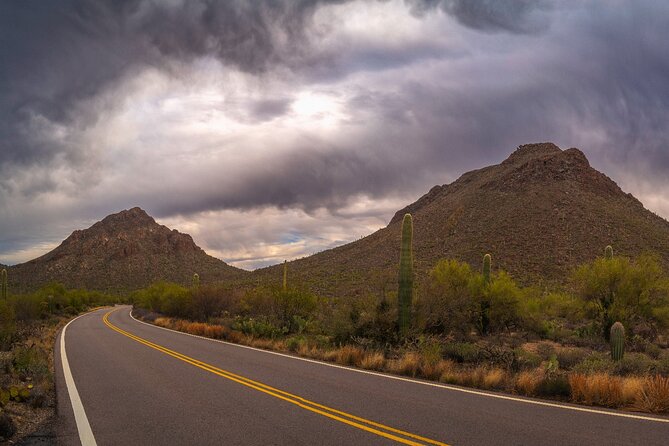
After the cactus lesson, the tour brings you to the Brown Mountain Trailhead. This is a 5-mile loop that’s described as moderately challenging, with an estimated time of under two hours for the loop. If you like “walk the ridge, earn the views” trails, this is a solid choice.
One of the most memorable details included in this segment is the mention of coyote sightings. It also notes that coyote sounds can echo across Saguaro. Even if you don’t see one, it’s useful to know what the park’s nighttime/early-morning soundscape can feel like. During your walk, keep your ears open and don’t assume every distant sound is people.
Then the tour points you toward what’s next: the King Canyon Trail and the Arizona-Sonora Desert Museum. This is a nice setup if you’re planning to add time for an indoor museum later, because it gives you a mental “what’s in the neighborhood” map while you’re already driving.
King Canyon Trail: a longer, work-for-it hike with big desert payoff
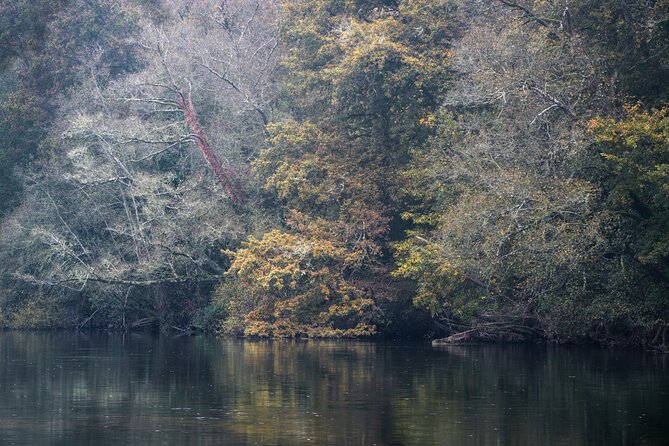
The King Canyon Trail segment is for hikers who want a bigger outing. It’s listed as a 7-mile trail, moderately challenging, and estimated around four hours. That’s the kind of time commitment where the tour’s pacing matters: you don’t just hop off for a quick photo. You’re planning a real half-day (or at least a large block of your afternoon).
The good news is that it’s framed around “fabulous desert views.” In other words, it’s not just a workout. It’s a route where the scenery is part of why people go.
If you’re using the audio tour on a tight schedule, this is the one stop where it’s easy to overshoot. My advice: decide before you start whether you’re doing the full trail or keeping to shorter options. Once you’re committed to a 7-mile hike, you’ll need to manage water and timing like a normal hike, not like an audio-tour stroll.

Quick walks and cultural stops: Valley View, petroglyphs at Signal Hill, and what to look for
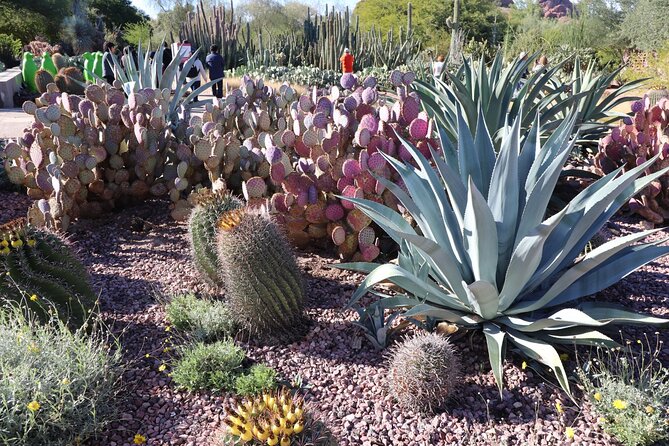
Not every stop demands a long hike. In fact, the best strategy for enjoying this tour is to mix short legs with driving segments.
At the Desert Discovery Nature Trail, the tour suggests a straightforward half-mile hike. The point here is to get up close with famous saguaro cacti quickly. There’s also a note that some cactus species are edible—but the tour wisely adds the obvious caution: don’t go plucking things to taste.
Next, you get the Valley View Overlook Trail, an easy 1-mile walk around 20 minutes. It’s historically flavored too: the trail was built by the Civilian Conservation Corps in the 1930s. That gives you an extra layer as you walk—this isn’t just “pretty desert,” it’s also part of the story of how conservation-era projects shaped trail access.
Then comes Signal Hill Trail, centered on about 200 prehistoric petroglyphs created by the Hohokam. The tour’s timeframe for the Hohokam occupation is roughly 450 to 1450 C.E. It also adds an important cultural idea: Indigenous people say petroglyph placement isn’t random. That’s a respectful prompt to slow down and actually look instead of snapping a quick photo and moving on.
Hugh Norris Trail and Mica View: tougher terrain and a calmer loop with birds and views

The Hugh Norris Trail is the “choose your adventure” moment for experienced hikers. It’s listed as a 9-mile challenging trail, and it notes it’s often traveled by horseback riders. That matters for how you think about trail etiquette and how you time your hike.
The tour also gives the origin of the trail name: Hugh Norris was a 20th-century tribal police officer who often searched for truant children for the Fort Yuma Indian School. Even if you never read a plaque, it’s the kind of detail that makes the trail feel human, not just geographical.
After that, the tour offers a more relaxed counterpoint with the Mica View Trail. This one is a 4-mile loop, considered easy, estimated under 90 minutes. You’ll also get a mention of a picnic spot and views stretching toward the Rincon and Santa Catalina Mountains.
The tour adds birdwatching as a bonus: it calls out the chance to spot birds like Gila Woodpeckers and Gilded Flickers. If you’re the sort of person who likes stopping for five minutes to scan branches, this stop rewards that instinct.
Cactus Forest Trail and Loma Verde: lime kilns, seasonal water, and long cactus views

The Cactus Forest Trail is one of the longer moderate segments: a 10-mile route, moderately challenging, around three and a half hours. Here the tour includes a very specific historical texture—lime kilns dating back to 1880. That’s the kind of clue that changes how you see the desert edges: you’re not just looking at plants, you’re seeing evidence of older industry and use of the land.
Then comes Loma Verde Trail, an easy 3.7-mile loop estimated at about 1 hour 15 minutes. One practical detail that’s easy to miss on a map is that it crosses a seasonal stream. So if you’re visiting after rains (or even just in a season when runoff happens), you might find conditions different than a dry-month walk.
The tour also frames the experience as a gradual downhill through the cactus forest. That makes it a good “less intense” counterpart to King Canyon or Hugh Norris, while still feeling like you earned your views.
Garwood Dam and Riparian Overlook: rare water vibes and the view you can’t unsee
The tour gives you an option to explore Garwood Dam. It’s not described as a full must-do feature, but it does come with a backstory: in 1945, Tucson residents Jospehine and Nelson Garwood bought 450 acres, and three years later they noticed Wildhorse Canyon behind their property held water while constructing a larger house. That turns a dam-related stop into a story about how people noticed and responded to water sources in arid land.
Then you roll into the Riparian Overlook. The tour says some claim it’s the best view of the cactus forest, and it includes a memorable caution: you can’t see rattlesnakes from up there. That’s a useful mental reminder that desert views can be dramatic without making the area safer. Stay alert, especially if you wander near edges or rocky brush.
If you love “visual payoffs,” this is likely one of your favorite drive-and-pause moments because it’s designed as an overlook: you get perspective quickly, then can decide how much time you want at ground level.
The Rincon Mountains finale: Cessna drama, Javelina Rocks, and Tanque Verde Ridge
As you head toward the end of the tour, the narration shifts from plants and trail options into more dramatic human stories.
At Rincon Mountains, the tour points out an aviation incident from August 29, 1984: a Cessna 310 flew above the mountains during a thunderstorm, and four people were onboard. Outside the audio, you’ll still see the rugged ridge feel of the Rincons, so the story lands in a place that matches the mood.
Then comes Javelina Rocks, named after javelina—dog-sized animals found in the region that resemble wild boar. The tour adds quick field markers: coarse salt-and-pepper hair, short legs, and pig-like noses. If you see tracks or bumps in vegetation, you’ll be more likely to interpret them correctly.
Finally, the audio tour ends with the Tanque Verde Ridge Trail segment. It’s listed as a 3-mile route, moderately challenging, estimated under two hours. The short length compared to King Canyon and Hugh Norris is a relief, and it closes the day with one last chunk of walking instead of a purely scenic finish.
Because the tour ends in a different location, it’s smart to remember where you’ll park and how you’ll get back to your start point or next stop.
Road conditions, timing, and pacing tips for a smoother day
One real-world detail worth planning around: some parts of the park drive may not be fully paved. That shows up in user feedback as something people noticed. It doesn’t make the tour impossible, but it’s a reason to drive attentively and give yourself a little buffer if you’re also doing trail segments.
Timing is another big deal because the audio is location-based. The tour notes that the route and playback are designed around driving speed and stop points. If your driving pace varies a lot, stories can drift from where you expect. You’ll still get the experience, but it can feel more annoying when you’re missing key parts of a narration segment.
My practical approach: treat the tour as flexible. Use the pause button when you stop for photos, then resume when you’re back on your drive line. If you’re doing a longer hike like King Canyon, start earlier in the day so you’re not rushing the last third.
Should you book this Saguaro National Park driving audio tour?
Book it if you want a self-guided day with strong narration and lots of optional walking. This is especially worth it if you like learning what you’re seeing while you’re already in your car, and you want easy stops without needing a full guided group.
Skip it (or at least consider another approach) if you depend on perfect Bluetooth audio, hate any tech setup, or you’re only interested in one specific hike. This tour is at its best when you mix driving with short, purposeful stops and when you’re okay managing your own timing on longer trails.
If you do book it, plan your day around the big hike choices (King Canyon and Hugh Norris), bring what you need for desert walking (water, sun coverage), and test your audio connection early. You’ll get a lot of Saguaro context per dollar, and that makes the whole drive feel more meaningful.
FAQ
How long is the Saguaro National Park self-guided driving audio tour?
The duration is listed as about 2 to 3 hours.
How many people can share the same tour purchase?
Pricing is per group (up to 4), so one purchase covers everyone in your vehicle.
What language is the tour offered in?
The tour is offered in English.
Does the audio tour work without cell service?
Yes. The tour includes offline maps, and it works offline after you download it while you have strong Wi-Fi/cellular.
Is a park entrance pass included?
No. An entrance pass is required to visit Saguaro National Park, and it is not included with this tour.
What equipment do I need to hear the audio while driving?
You can connect your phone to your car stereo using Bluetooth, USB, or AUX. The audio is also compatible with Apple CarPlay, with navigation features noted as coming soon.
When does the tour run?
Opening hours are listed as 8:00 AM to 4:00 PM, Monday through Sunday, for the given operating date range.
Where do I start the tour?
The provided start guidance says the tour begins at the Rincon Mountain Visitor Center, 3693 S Old Spanish Trail, Tucson. To begin, continue straight along Cactus Forest Drive.
Is the tour fully self-guided?
Yes. No one meets you at the start. You enter the first story’s point, and the audio begins automatically based on location cues.
Can I pause and start the tour whenever I want?
Yes. You can start anytime, pause anywhere, and go at your own pace, including taking breaks for photos and snacks.
Is there a cancellation policy?
There is free cancellation. You can cancel up to 24 hours in advance for a full refund; changes made less than 24 hours before the start time are not accepted.