REVIEW · ROME
Rome: Roman House of the Celio Hill Ticket & App Audioguide
Book on GetYourGuide →Operated by GetYourGuide Tours & Tickets GmbH · Bookable on GetYourGuide
Frescoes below the basilica sound like a trick. This ticket takes you to the Roman Houses of the Celio, a well-preserved underground site under a major church. I love that the decorations and frescoes you see are in striking original condition, not just fragments.
What really hooks me is the time layering: you’re walking through spaces that moved from pagan Roman life toward Christianity over centuries. You’ll also get a sense of how an insula (a multi-storey city building) got reshaped into a more elegant home-like space in the 3rd century A.D.
One thing to plan around: the booking includes the entrance ticket and a postcard, but an audioguide is listed as not included. Also, if you’re tight on time, double-check hours—someone noted a close at 3 rather than later.
In This Review
- Key highlights worth your attention
- Finding the Roman Houses of the Celio (Case Romane del Celio)
- What you’ll see underground beneath the basilica
- From insula to domus: why the building layout is fascinating
- Frescoes and wall decorations: what to look for
- Paganism and Christianity in the same underground space
- The ticket, your postcard, and the audioguide question
- The digital Pemcard: a small thing with real payoff
- Timing and hours: plan like you mean it
- Accessibility and comfort underground
- Who this Roman House ticket is best for
- Should you book this Roman Houses of the Celio ticket?
- FAQ
- How much is the Roman Houses of the Celio ticket?
- What’s included with the ticket?
- Is an audioguide included?
- Where do I meet for the Roman Houses of the Celio entry?
- How long is the ticket valid?
- Is the experience wheelchair accessible?
- Does the ticket include a postcard I can send?
Key highlights worth your attention
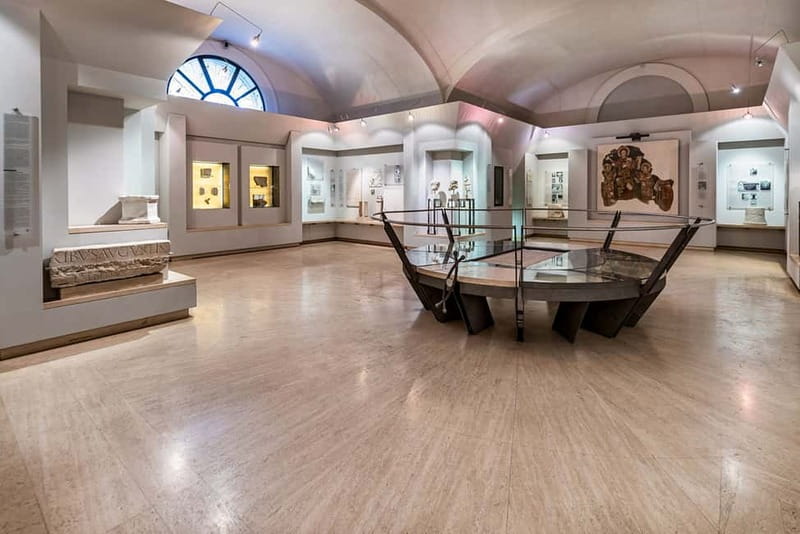
- Underground Roman Houses under Saints John and Paul: you’re literally walking beneath the basilica.
- Original decorations and frescoes: late antique wall painting still looks remarkably intact.
- Pagan-to-Christian transition: see how faiths overlapped in ancient Rome.
- Insula to domus transformation: workshops and warehouses become a more refined living space.
- Digital postcard (Pemcard): send a keepsake photo-style message from your visit.
Finding the Roman Houses of the Celio (Case Romane del Celio)
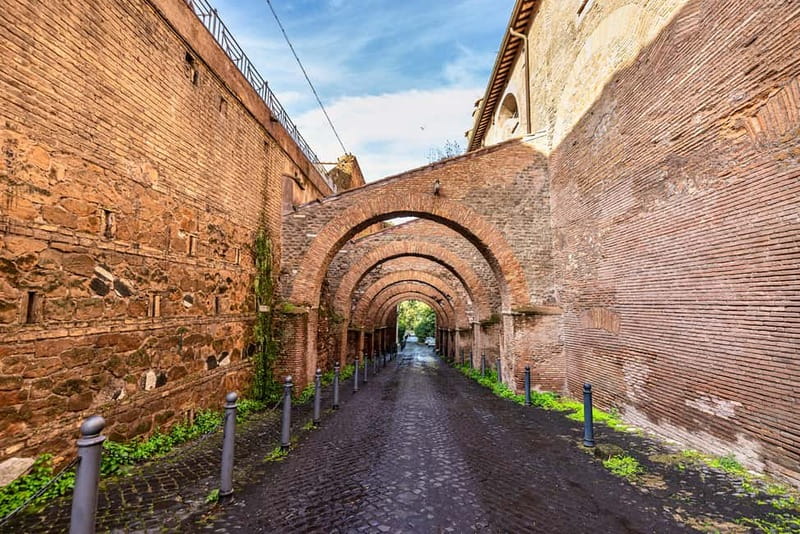
This stop sits in Lazio, right in central Rome—between the Colosseum and the Circus Maximus. The entrance you want is labeled Case Romane del Celio, on Clivo di Scauro. Even before you go underground, that location helps you map it mentally: you’re in the same ancient zone where people once moved between big public spaces and private, city-scale living.
Your start point is straightforward. Show up at the Case Romane del Celio entrance on Clivo di Scauro road. The experience ends back at that same meeting point, so you’re not dealing with a complicated second location or a long walk to “finish” somewhere else.
This is one of those Rome experiences where the setting matters. The underground rooms don’t feel like an afterthought. They feel like part of the city’s bones—because they are.
You can also read our reviews of more tours and experiences in Rome.



What you’ll see underground beneath the basilica
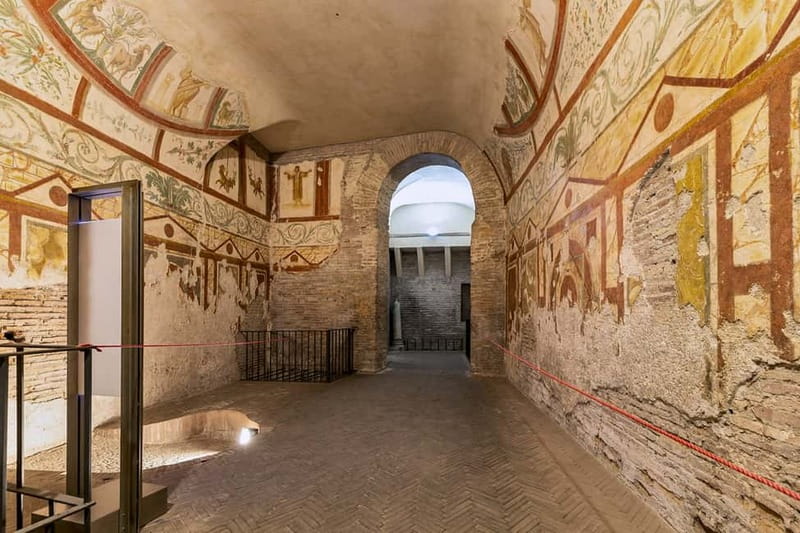
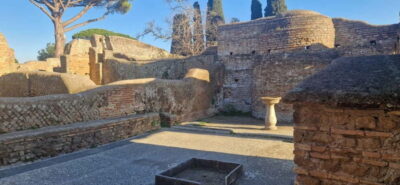
The core of this experience is the underground archaeological site itself, the Roman Houses of the Celio. The site is located right below the basilica of Saints John and Paul, and that relationship is a big part of the story. You’re going from modern Rome into a preserved layer where earlier Rome kept working, living, and changing.
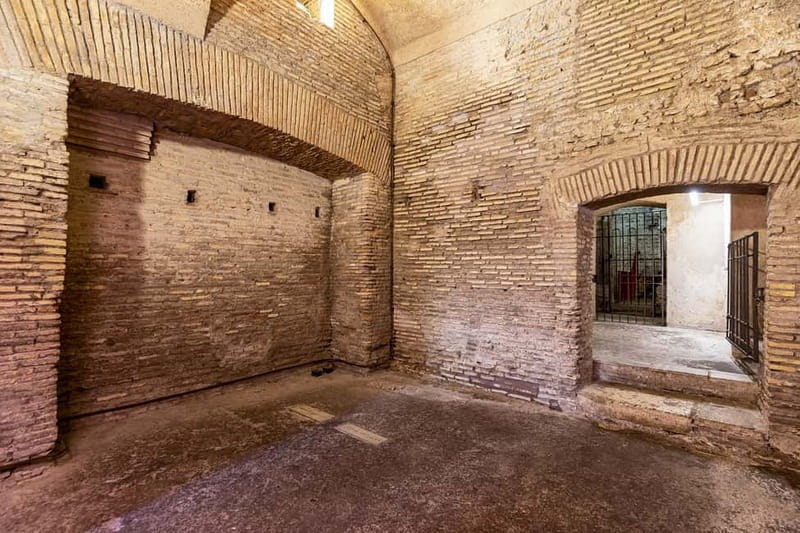
Inside, you’ll move through spaces that were once part of a larger multi-storey building. Think of it as a compact slice of city life. These interiors were originally used as workshops and warehouses, the kind of practical spaces you’d expect in a busy Roman neighborhood.
Then the story shifts. During the 3rd century A.D., parts of that building were transformed into an elegant domus. That’s one of the most interesting “wait, what?” moments you’ll get here—because you’re seeing evidence of how tastes and uses changed without the building going away entirely.
The site is also presented as one of Rome’s lesser-known underground attractions. And that matters in a practical way: you’re not fighting huge crowds just to see wall paintings and floor-level details.
From insula to domus: why the building layout is fascinating
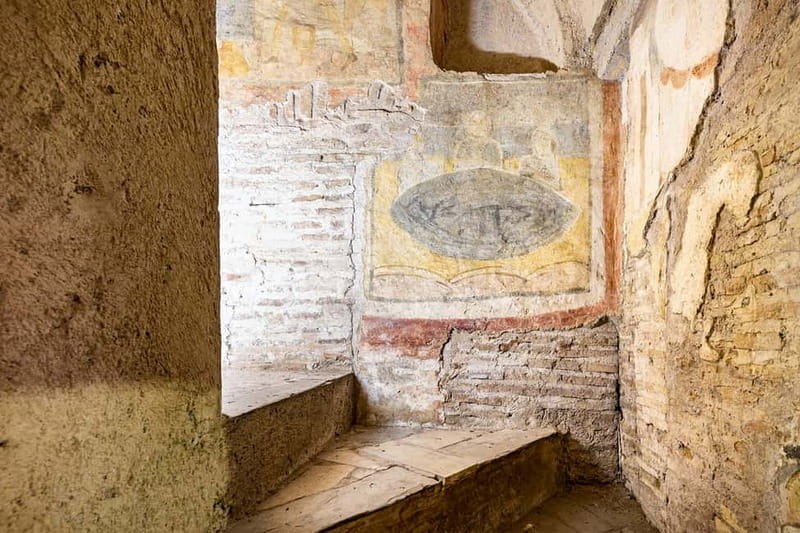
The Celio Houses aren’t just pretty walls. The structure tells you how Rome worked. In your walk through the underground rooms, focus on the sense of scale and the way spaces feel connected. That layout is what lets you understand the shift from a busy insula to a more refined domus setup.
Here’s the key idea: an insula was essentially urban density in stone and concrete form—multi-storey buildings that housed lots of people and activities. The Celio site reflects that early phase through its workshop and warehouse functions. You’re not just seeing art; you’re seeing evidence of everyday economy.
In the 3rd century A.D., those interiors were repurposed into a more elegant domestic environment. That transformation doesn’t erase the past. It stacks it. So as you move through rooms, you’re essentially walking along a timeline where the same space gets a new identity.
Practical tip: slow down enough to let your eyes adjust to the underground lighting. The frescoes and wall details can look muted at first, then pop as your eyes calibrate. If you rush, you’ll miss the difference between “there’s paint on the wall” and “this is a specific decorative program.”
Frescoes and wall decorations: what to look for
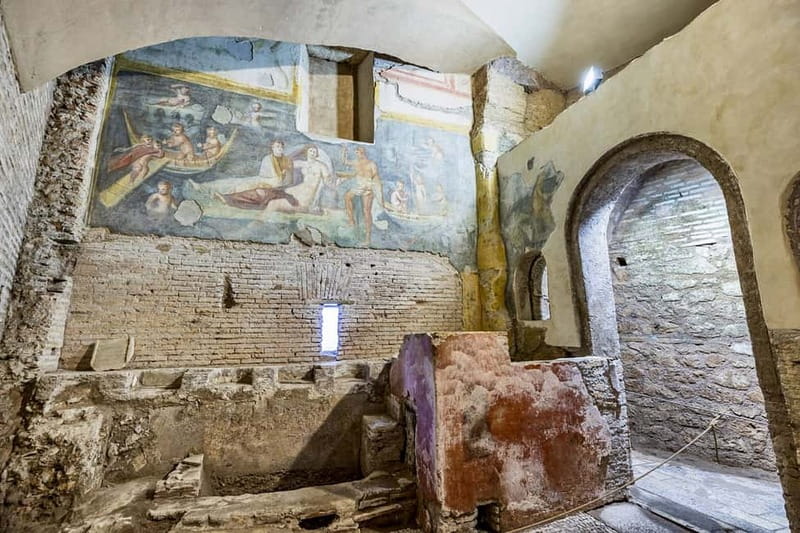
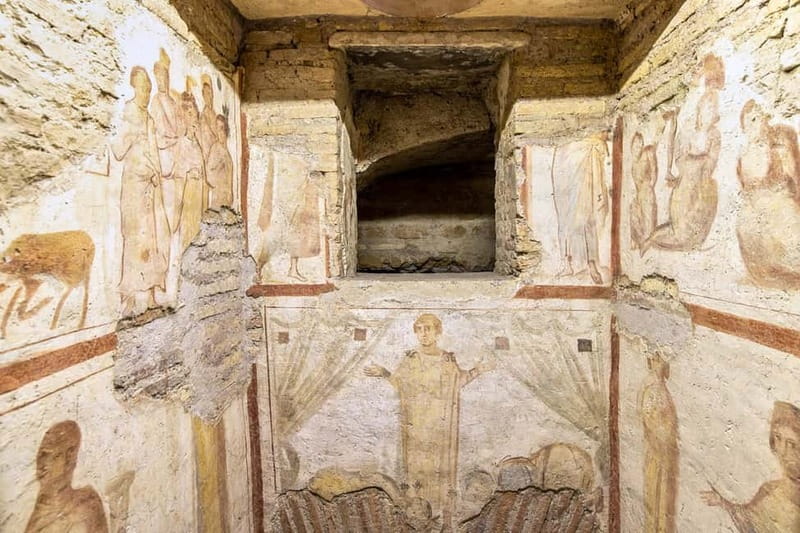
This is where the ticket earns its keep. The Celio Houses are known for perfectly preserved decorations and frescoes, and you’ll feel that in the clarity of what remains. Late antique wall painting can be fragile. Here, it’s presented in a way that helps you read the scene rather than just notice it.
Since the booking highlights “four centuries of history” and the importance of late antique frescoes, I’d treat the frescoes as the main act. Look for:
- Large decorative surfaces that still hold their composition
- Wall painting details that suggest planning, not random decoration
- Areas where the decorative style reflects the later transformation into a more elegant domus
The preservation also changes your emotional take. Upstairs, Rome can feel like you’re looking at ruins. Down here, you’re closer to the sensation of standing inside a decorated room—minus the crowds, plus the cool air of the underground.
If you care about Roman interior life—how walls were painted, how rooms were styled, how spaces were made more “home-like”—this experience is a strong match.
Paganism and Christianity in the same underground space
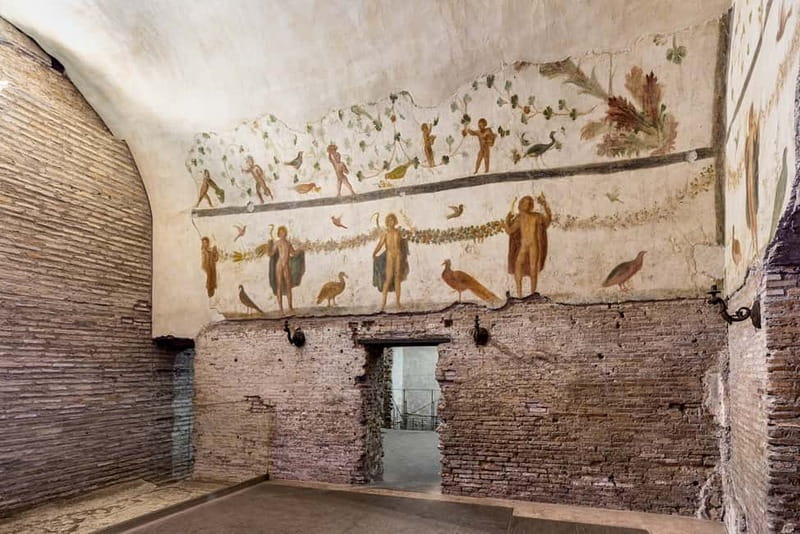
One of the most thought-provoking parts is the theme of transition. The Celio Houses help you see the passage and coexistence of paganism and Christianity in ancient Rome. That’s not just a textbook sentence here. It’s part of the site’s framing and meaning.
The site is also commonly referred to as the house of the martyrs John and Paul. That connection to Saints John and Paul matters because it anchors the Christian side of the story—especially since the houses sit directly under the basilica dedicated to them. But the underground layers also point to earlier, pagan Roman life.
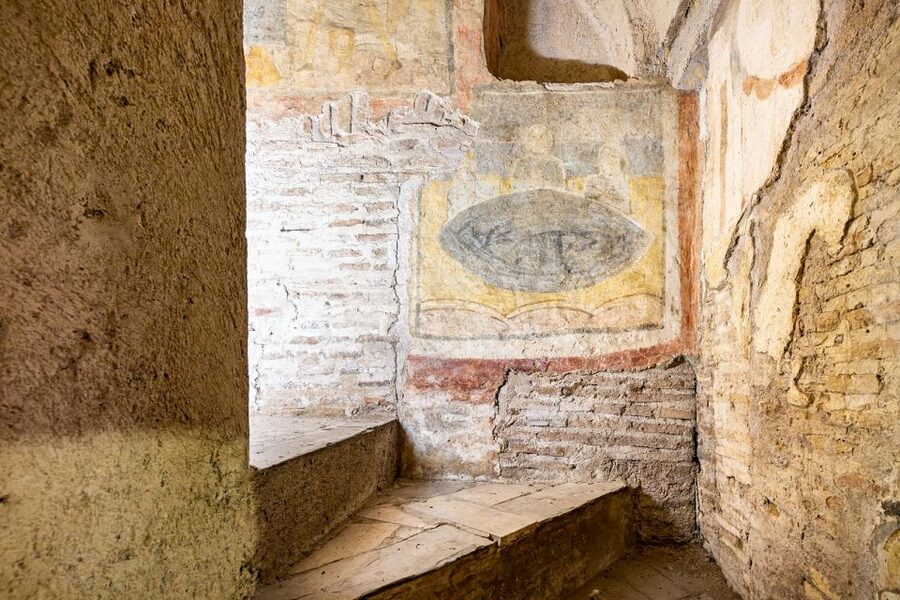
So what you’re really experiencing is overlap. Rome didn’t switch religions like flipping a switch. It changed in stages, with old and new beliefs living next to each other for a long time. Standing underground in rooms tied to both worlds can make that idea feel more real, because you’re physically in the space where that overlap likely played out.
I’d recommend mentally labeling what you’re seeing: when you look at the decorations and think about who used these rooms, you start asking a different set of questions. Not just who lived here, but what kind of life they were building—spiritually and socially.






The ticket, your postcard, and the audioguide question

This experience runs about $11 per person. That’s a solid value for an underground archaeological site with preserved decorations. You’re not paying for transportation or a long show—you’re paying for access to a specific preserved place, and the highlights center on what’s visible inside.
What’s included:
- Roman Houses of the Celio entrance ticket
- A postcard (digital postcard, called a Pemcard)
And what’s not included:
- Audioguide
This is the one practical detail you should sanity-check before you commit. The experience title you’re looking at mentions an app audioguide, but the included list says audioguide isn’t included. In practice, that means you should confirm what you’ll actually have on the day: either you’re getting no audio content with the ticket, or you may need to use your own setup.
If you’re an “I want the story in my ears” type, plan to bring a device and confirm audio access ahead of time. If you’re more of a “I’ll read and look and let the visuals do the talking” person, the included decorations and frescoes may be enough.
The digital Pemcard: a small thing with real payoff
This is one of those extra inclusions that’s actually useful. The experience includes a unique digital Pemcard, so you can send a postcard to family or friends anywhere in the world. It’s a quick way to turn a short visit into a shareable memory without needing printed photos or extra apps you’ll never use again.
Timing and hours: plan like you mean it
The ticket is valid for 1 day, and you’ll need to check availability to see starting times. That means you’re not going “whenever.” You’ll want to pick a time that doesn’t put you under pressure.
One caution from a past comment: the venue may close around 3pm rather than later. That’s not something you should gamble on. If your day is packed, aim to arrive earlier than the bare minimum. Underground sites can also take longer than you think once you start noticing details in the frescoes and decorations.
A good strategy: treat this as a main “Rome stop,” not a rushed add-on between big monuments. You’ll enjoy it more.
Accessibility and comfort underground
The activity is listed as wheelchair accessible, which is a major plus for planning. Since it’s underground, it’s also helpful to go in expecting a different kind of comfort level than a street-level museum—think steps/changes in terrain that are common in older underground spaces. Still, the booking clearly flags wheelchair access, so if mobility is a concern, this is worth considering over places that are only partially accessible.
Also, underground spaces tend to stay cooler than the street in summer. If you’re visiting in hot months, that’s a hidden benefit: you can keep energy up for the rest of the day.
Who this Roman House ticket is best for
This is a good fit if you:
- Like interiors and wall art, not just famous monuments
- Want something in Rome that feels more like a time capsule than a reconstruction
- Enjoy the idea of “how beliefs and daily life overlapped” in the same place
It’s also a smart choice if you’re short on time. The experience is focused. You’re getting a concentrated look at a specific underground archaeological site tied to Saints John and Paul.
You might want to look elsewhere if:
- You strongly need an audioguide included by default (since it’s not listed as included here)
- You prefer very large, visitor-service-heavy attractions with lots of orientation support
Should you book this Roman Houses of the Celio ticket?
Yes, if what you want is a calm, detail-driven look at original frescoes and decorations in an underground Roman space. The price makes sense for what you see—especially if you’re the kind of traveler who actually stops and studies a wall for a few minutes.
I’d book with two notes in mind:
1) Double-check audio expectations since audioguide isn’t listed as included.
2) If your schedule is tight, arrive with extra buffer because the site can close earlier than you might assume.
If you want a Rome experience that feels closer to real daily life—workshops, warehouses, a later domus, and the shifting spiritual world of paganism and Christianity—this ticket is an efficient, satisfying choice.
FAQ
How much is the Roman Houses of the Celio ticket?
The price listed is $11 per person.
What’s included with the ticket?
It includes the Roman Houses of the Celio entrance ticket and a digital postcard called a Pemcard.
Is an audioguide included?
No. The audioguide is listed as not included.
Where do I meet for the Roman Houses of the Celio entry?
Meet at the Case Romane del Celio entrance on Clivo di Scauro road.
How long is the ticket valid?
The ticket is valid for 1 day. Starting times depend on availability.
Is the experience wheelchair accessible?
Yes, it’s listed as wheelchair accessible.
Does the ticket include a postcard I can send?
Yes. You get a unique digital Pemcard that you can send to people anywhere in the world.