REVIEW · WINDERMERE
Tales of the Lake District: A Self-Guided Drive Around Windermere
Book on Viator →Operated by VoiceMap Audio Tours · Bookable on Viator
Lake District road trips feel simple, then the story starts rolling. This self-guided VoiceMap drive lets you follow a loop around Lake Windermere and pick up audio tales as you pass real landmarks. You are not juggling a tour group. You are steering, listening, and stopping when it makes sense.
I love that you get lifetime access to the tour in English, with offline audio and map data in the VoiceMap app. The route also hits big-name spots like Brockhole, Hawkshead, and Tarn Hows, plus quieter stretches like Esthwaite Water and Rayrigg Meadow, so you get variety without planning. The main drawback to plan around: Windermere area traffic and parking can be rough, and the audio system depends on a working phone and GPS, especially in bad weather.
In This Review
- Key things I’d circle before you go
- A simple idea: follow the loop, press play, enjoy the ride
- Price and value: $11.99 per group, not per person
- How the VoiceMap app fits a windy, hilly drive
- Route overview: the main anticlockwise loop around Windermere
- Rayrigg Meadow, Brockhole, and Waterhead: where the audio adds meaning
- The second loop: Coniston Village and Coniston Water
- Tarn Hows: beauty plus a human impact story
- Wray Castle: passing a landmark with guided context
- Hawkshead, Wordsworth, and Beatrix Potter connections
- Esthwaite Water: a calmer wildlife-focused pause
- Stott Park Bobbin Mill and Fell Foot Park: industry and viewpoints
- Parking, traffic, and the reality of a busy Windermere day
- Bad weather and GPS: what to do when the phone struggles
- What you need to bring for a smooth self-drive
- Who this tour fits best
- Should you book the Windermere self-guided audio drive?
- FAQ
- How long is the Windermere self-guided drive?
- Is this tour guided by a person?
- What is included with the purchase?
- What do I need to bring?
- Where does the tour start and end?
- Is there any limit on group size?
Key things I’d circle before you go
- Lifetime English audio in the VoiceMap app, not just one ticket-day listening
- Offline maps and geodata (so you are not helpless the moment signal fades)
- Two driving loops, including a second side-trip toward Coniston and Coniston Water
- Tightly packed storytelling stops, from Rayrigg Meadow to Stott Park Bobbin Mill
- Stops that may involve pay-and-display parking, so keep time and budget in mind
- Audio prompts instead of tickets, meaning you can enjoy places without paying museum prices
A simple idea: follow the loop, press play, enjoy the ride
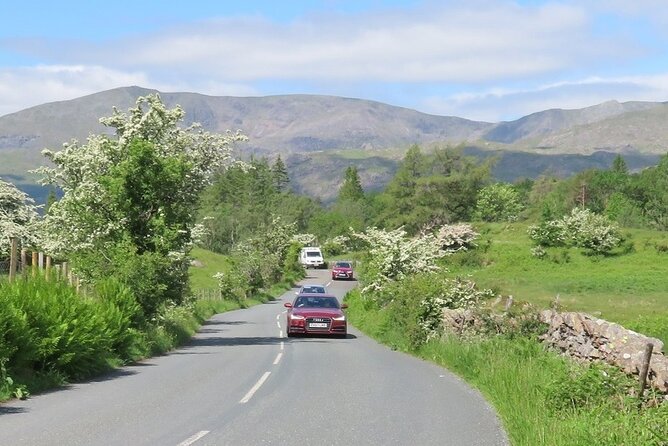
This tour is built for a self-guided drive, meaning you do not need to match a group’s pace or squeeze your timing around a guide’s schedule. You start near Bowness-on-Windermere at Rayrigg Road, then you drive an anticlockwise route around Lake Windermere. As you pass each place, the audio kicks in with local tales and context while you are still behind the wheel.
That structure is why it works. It feels like road tripping with training wheels: you are moving between viewpoints and key areas, but you are not guessing what you’re looking at. The “about-to-pass” storytelling also helps you notice the details you might otherwise miss from the car window.
You should also know the tour runs about 3 to 5 hours, so it is a good match for a half-day with minimal stress. And it ends back at the meeting point, so you are not stuck plotting a complicated return drive.
You can also read our reviews of more tours and experiences in Windermere.
Price and value: $11.99 per group, not per person
At $11.99 per group (up to 15 people), the cost is unusually light for a Lake District audio experience. That pricing can make sense even if you are traveling as a couple, because you are essentially buying access to the audio tour plus the app setup for your device—not a seat on a bus.
The real value is not the novelty of an audio guide. It’s the practical deal: lifetime access. If you end up returning to the Lake District later (it happens), you can reuse the same tour without paying again.
One more value point: the tour includes offline access to audio, maps, and geodata, which can save you from the frustration of spotty connectivity on rural roads. It is not free for every attraction, but it is a free way to make the drive more meaningful.
How the VoiceMap app fits a windy, hilly drive
You get the tour through the VoiceMap app on Android and iOS, and you are also given offline audio and mapping. That matters in the Lake District because you can lose signal in valleys, and you do not want your day to turn into a phone troubleshooting contest.
Here’s the practical way to set yourself up:
- Download the tour using Wi‑Fi before you leave so it is ready offline.
- Bring your phone charging plan. A long drive plus GPS plus audio can drain batteries faster than you expect.
- Use your own headphones if you like, since the tour does not include them.
One warning worth taking seriously: the experience relies on your device responding properly and GPS keeping up. In very poor weather, GPS accuracy can get thrown off. If this happens, you may have to pause your tour and head back rather than pushing forward.
Route overview: the main anticlockwise loop around Windermere
The core experience starts near Bowness Bay and runs an anticlockwise loop around Lake Windermere. Along the way, the audio storytelling helps you “read” the places you pass—so you are not just driving through scenery, you’re getting context while you go.
What’s nice is how the tour balances big draws with approachable driving segments. You are not required to hop in and out constantly. In many cases, the best moments are simply noticing the view as you pass key areas.
If you only do the main loop, you still get a complete “Lake Windermere feeling” because the audio includes several named points, not vague directions.
Rayrigg Meadow, Brockhole, and Waterhead: where the audio adds meaning
These stops are designed as easy anchors on the Windermere loop:
- Rayrigg Meadow: you get local tales while you drive and take in country scenery
- Brockhole on Windermere: again, audio storytelling while you pass, paired with scenic driving views
- Waterhead: another named area with audio while you go by
Even if you do not plan to park and spend time at each spot, these audio cues help you connect what you see—meadow, shoreline areas, and attraction zones—to a story. That makes the drive feel less like “just traffic and road” and more like you are moving through chapters.
One small reality check: some stops may be associated with car parks that are pay and display, and that can add cost if you stay longer than planned. If you want value, treat each stop as a quick look unless you’re ready to pay.
The second loop: Coniston Village and Coniston Water
The tour also includes an additional loop where you can visit Coniston Village and Coniston Water, described as the third largest lake in the region (per the tour’s own framing). This is a smart add-on because it gives you a change of mood from the Windermere focus.
Instead of only circling one lake, you branch out and expand the “Lake District” feeling. The audio guides you through this area using the same style: listen as you drive, enjoy the scenery between stops, and let the story give you a reason to care.
This loop is also where timing matters. If you start late, bad weather shows up, or you run into parking problems, it can shorten what you can realistically enjoy before you turn back.
Tarn Hows: beauty plus a human impact story
One of the stand-out thematic stops is Tarn Hows. The audio here focuses not only on the beauty spot itself, but also on the human impacts on the famous vista.
That combination is exactly what I like in any self-guided experience: it keeps the moment from being purely postcard. You get to enjoy the view, but you also understand that landscapes change because people manage them.
If you are the type who takes more photos than your friends do, this is the place where audio plus visuals makes your pictures better. You’re capturing scenery with context, not just scenery.
Wray Castle: passing a landmark with guided context
The route includes Wray Castle, with audio while you drive past it. This type of stop works well in an audio format because it does not force you into ticket lines or museum time. You can still learn enough to appreciate what you’re looking at, then decide whether you want to spend extra time later on your own.
If you are trying to keep the day flexible, these “pass-by” landmark moments are a real advantage. You get value from moving through the area rather than locking yourself into a schedule.
Hawkshead, Wordsworth, and Beatrix Potter connections
A big chunk of the route focuses on Hawkshead, including its William Wordsworth connections. The tour also ties multiple inspirations to Beatrix Potter, including how places in this area helped influence her work and a note about her talents beyond writing.
This is the kind of storytelling that makes a self-guided tour feel more personal. You are not just seeing towns as buildings and streets. You’re connecting the dots between literature, place, and the people who lived and worked nearby.
Practically, Hawkshead-style stops are also a good “walk break” candidate. The route is structured so you can incorporate quiet time if you want it, while still getting back to the main drive without breaking the flow.
Esthwaite Water: a calmer wildlife-focused pause
The tour includes Esthwaite Water, described as having fabulous wildlife. Since this is self-guided and audio-led, you can treat Esthwaite Water as a more relaxed stretch. Instead of racing to the next big named attraction, you get a reason to slow down and notice how the area feels.
This kind of stop is often what makes people rate audio tours highly: it gives you variety. You get shoreline scenery, viewpoints, village context, and then a quieter water setting where the audio keeps you tuned in.
Stott Park Bobbin Mill and Fell Foot Park: industry and viewpoints
Two late-route highlights bring a different flavor to the Lake District:
- Stott Park Bobbin Mill, where you can see wooden bobbins being made and learn about their crucial role in the historic Lancashire textile industry
- Fell Foot Park, another named pass-by scenic area with audio storytelling
This pairing helps the drive feel balanced. The Lake District is easy to treat as scenery-only. But here you also get a reminder that industry and crafts mattered too.
It’s also valuable that this part is framed around a specific craft process and its role. You’re not left with vague “oh, that’s interesting.” You get a clear theme: bobbins, making, and why it mattered in textiles.
Parking, traffic, and the reality of a busy Windermere day
Here’s the honest planning advice: the Windermere area can be overcrowded, with heavy traffic and limited parking at times. That can turn an otherwise straightforward drive into a waiting game.
So, I suggest you:
- Aim to start earlier in your day when possible.
- Keep stops short if parking is pricey or hard to find.
- Build in buffer time for queues, because the route loops back to the start and you still need to finish when your phone battery and attention span allow.
If you get stuck, do not treat the tour as fragile. The audio is there to guide you, but your job is to keep the day comfortable and safe. If conditions are awful, cutting the day short can still leave you with a win, since you can return and use the lifetime access later.
Bad weather and GPS: what to do when the phone struggles
The audio tour depends on GPS accuracy. In very poor weather—rain and thick cloud—GPS signal can become less reliable. If that happens, it can break the sequencing and make the tour harder to follow.
What I do to reduce the risk:
- Keep your phone warm enough to avoid performance drop.
- Download everything offline first so you are not also fighting connectivity.
- If the audio stops making sense, do not panic. Pause, regroup, and consider turning back to avoid burning daylight.
This is one area where a little flexibility pays off. The Lake District weather is famous, and audio tours are better when you plan for the possibility of a quick pivot.
What you need to bring for a smooth self-drive
This tour is set up so your vehicle is the transportation and your phone is the tool. That means you need to bring:
- A smartphone (the tour does not include one)
- Headphones if you want private listening (not included)
- A charged phone and, ideally, a way to keep it powered
Also note: the tour does not include tickets or entrance fees for museums or attractions en route. If you decide you want to go inside somewhere, you’ll need to handle those costs separately.
Who this tour fits best
This experience is best for you if you:
- Want a self-guided Lake District drive without coordinating a group
- Like the idea of audio storytelling at named places while you drive
- Prefer flexibility over rigid tour timing
- Have a car and can handle possible parking and traffic issues
It is also a decent choice for groups up to 15, since it is priced per group rather than per person.
If you strongly dislike tech setup, I’d still give it a try—but do the offline download at home first. If you enjoy road trips and don’t mind adapting to conditions, you will get more out of it.
Should you book the Windermere self-guided audio drive?
I think this is a good booking when you want an easy way to make the Lake District feel guided without paying for a full guided tour. The lifetime access, offline audio, and the mix of named stops—from Rayrigg Meadow and Brockhole to Hawkshead, Beatrix Potter connections, and Stott Park Bobbin Mill—make it feel like more than a drive. It’s a story you can follow at your own pace.
Skip or rethink if you know you will be stressed by parking, you hate relying on your phone, or you are traveling in weather you can’t tolerate. And keep in mind the tour does not include tickets or food, so plan for the practical parts of a day out.
If you are deciding right now, my rule is simple: if you are comfortable driving and listening on your phone, this is a solid value play for a Lake District day.
FAQ
How long is the Windermere self-guided drive?
The experience runs for about 3 to 5 hours, depending on how long you spend at or around the different areas along the route.
Is this tour guided by a person?
No. It is a self-guided drive using the VoiceMap audio experience on your phone.
What is included with the purchase?
You get lifetime access to the tour in English, plus the VoiceMap app for Android and iOS with offline access to audio, maps, and geodata.
What do I need to bring?
The tour does not include a smartphone or headphones, and it does not include transportation or food and drink. Bring your own phone and, if you want, headphones.
Where does the tour start and end?
It starts at Rayrigg Road (Rayrigg Rd, Bowness-on-Windermere) and ends back at the meeting point.
Is there any limit on group size?
Yes. The price is per group, for up to 15 people, and it is a private activity for your group only.