REVIEW · PARIS
Paris City Center Self-Guided Walking Tour
Book on GetYourGuide →Operated by Rosotravel · Bookable on GetYourGuide
Paris rewards slow steps through busy streets. This self-guided route maps 12 sights from Place de la Bastille to the Eiffel Tower, and the booklet helps you move fast with addresses, opening times, and admission/ticket info for planning. I like that you can pause for photos or cafés without syncing up with a group schedule.
My one possible drawback: the notes for each stop can feel brief, so if you’re craving deeper building stories or extra context, you may want to supplement with quick reading on your own.
In This Review
- Key things I’d focus on before you go
- A self-guided Paris walk that fits real schedules
- Your booklet and marked map: the real value
- The route from Bastille to Eiffel Tower in 12 stops
- Planning your 12 km day: pace and practical pacing tips
- Bastille and Le Marais: where street life meets old stone
- Hôtel de Ville and the Circular Pavilion: Paris’s civic center
- Île de la Cité basics: Notre-Dame and Pont Neuf without the stress
- Louvre Palace & Pyramid, Tuileries Garden, and Place de la Concorde
- Champs-Élysées to Arc de Triomphe: long views, big energy
- Jardins du Trocadéro and the Eiffel Tower finale
- Tickets and inside entries: what’s included and what’s not
- Who this walking tour is for (and who should skip it)
- Should you book this Paris City Center Self-Guided Walking Tour?
- FAQ
- Where does the tour start?
- How long is the walking tour and how far is it?
- How many attractions are included on the route?
- Does the tour include tickets or entry into attractions?
- When do I receive the booklet?
- Is it wheelchair accessible?
Key things I’d focus on before you go

- Marked route + simple map so you don’t waste time guessing
- 12 major stops in one line from Bastille through Le Marais, the Seine, the Louvre axis, and to Eiffel Tower views
- Booklet planning help with addresses, opening times, and ticket/admission details
- No entry pressure since you decide what to go inside (tickets are on you)
- Great value for groups paying per group up to 25, not per person
A self-guided Paris walk that fits real schedules
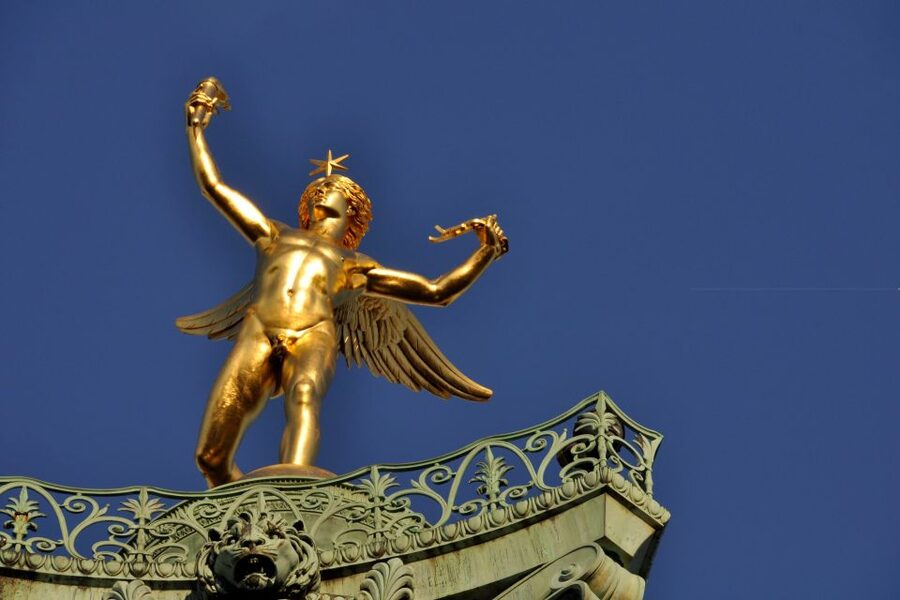
This tour is built for people who want Paris in their own order. You’re not stuck listening to a headset for every minute. Instead, you follow a marked route from Place de la Bastille and finish at the Eiffel Tower, using a booklet that gives you the why and the practical how.
The big win here is control. You set the pace. If you’re the type who reads every plaque, you can slow down. If you just want the highlights and decent photos, you can keep moving. The total walk is about 12 km and typically takes 2-3 hours, which is a manageable chunk for a city day.
And the price is surprisingly friendly: $11 per group (up to 25). For a city like Paris, that’s a low-friction way to get structure without paying for a full guided tour.
You can also read our reviews of more tours and experiences in Paris.



Your booklet and marked map: the real value
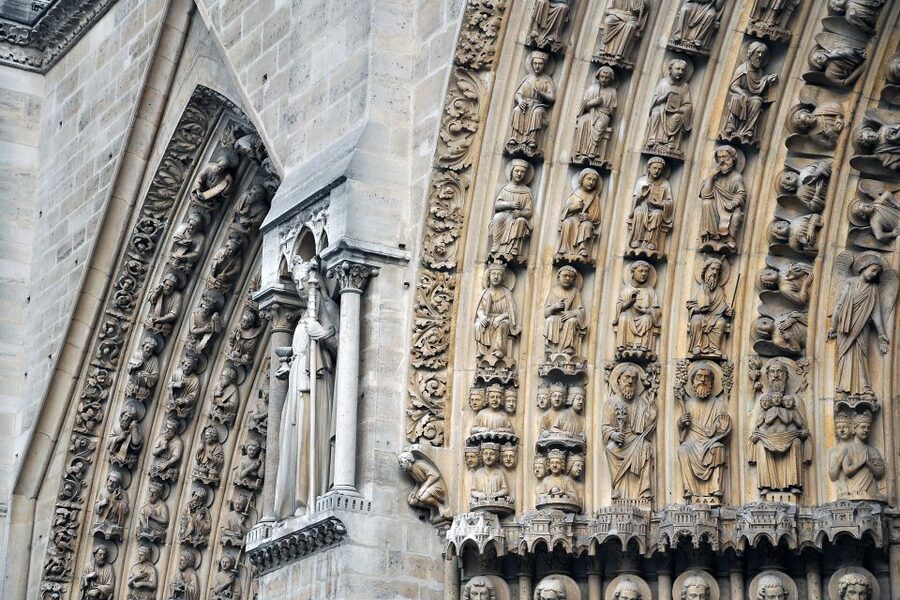
You get a simple map with the route clearly marked, plus a booklet prepared by a Paris Expert-Guide. That booklet is the core product, and it does real work for you: it includes a short history of Paris and a short description of each of the 12 attractions.
Here’s what matters for planning:
- You get addresses for each stop, so you’re not hunting on your phone every time.
- The booklet includes opening times and information about admission/tickets, which helps you decide what’s worth doing inside.
- It’s delivered in your native language, sent by email about 24 hours before your booking.
This is also why I’d call it time-saving. Paris can turn into a lot of wandering. With a marked path and practical notes, you spend more time seeing and less time figuring out where to go next.
The route from Bastille to Eiffel Tower in 12 stops
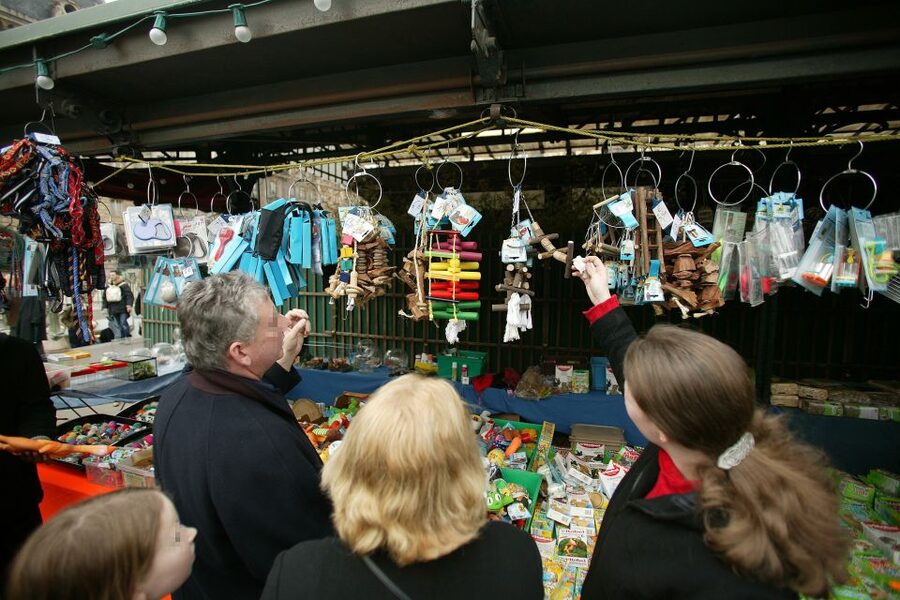
The walk starts at Place de la Bastille and ends at the Eiffel Tower. Along the way, the route threads through some of the most photographed and historically important parts of central Paris, plus neighborhoods that feel more like you’re living in the city than just passing through it.
The 12 stops are:
Bastille, Le Marais, Hotel de Ville and the Circular Pavilion, Notre Dame, Pont Neuf, Louvre Palace & Pyramid, Tuileries Garden, Place de la Concorde, Champs-Elysées, Arc de Triomphe, Jardins du Trocadéro, and Eiffel Tower.
That sequence is smart for a first-time or second-time visitor. It keeps you oriented. You move from Paris’s modern-day center of politics and city energy, to the Seine and classic monuments, then along the grand boulevards, and finally into the Eiffel Tower payoff zone.
Also, because it’s self-guided, your day doesn’t have to match a strict tour timing. You can pause where you care and skip what doesn’t spark interest.
Planning your 12 km day: pace and practical pacing tips
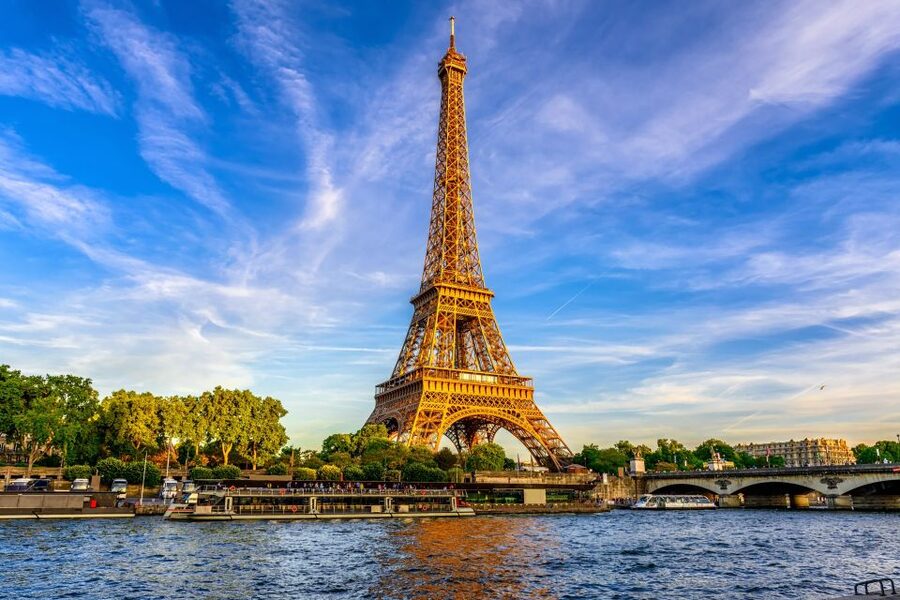
You’ll see the tour described as about 2-3 hours, with a distance around 12 km. In real life, that’s enough walking to feel like a proper neighborhood-to-neighborhood day, but not so much that you’re forced into marathon mode.
A good way to think about it is this: you’re not just “visiting.” You’re connecting sights across the city center. So build in photo breaks and quick pauses to reset, especially on the long stretches between major landmarks.
One more planning detail that helps: the tour starts at Place de la Bastille, but the meeting point is listed as your accommodation. Translation: you’ll start from wherever you’re staying and make your way to the first stop yourself. Once you’re at Place de la Bastille, you’re on the route.
If you’re traveling with limited time, this is also a workable “anchor activity.” You can build the rest of your day around it with meals near the route.
Bastille and Le Marais: where street life meets old stone
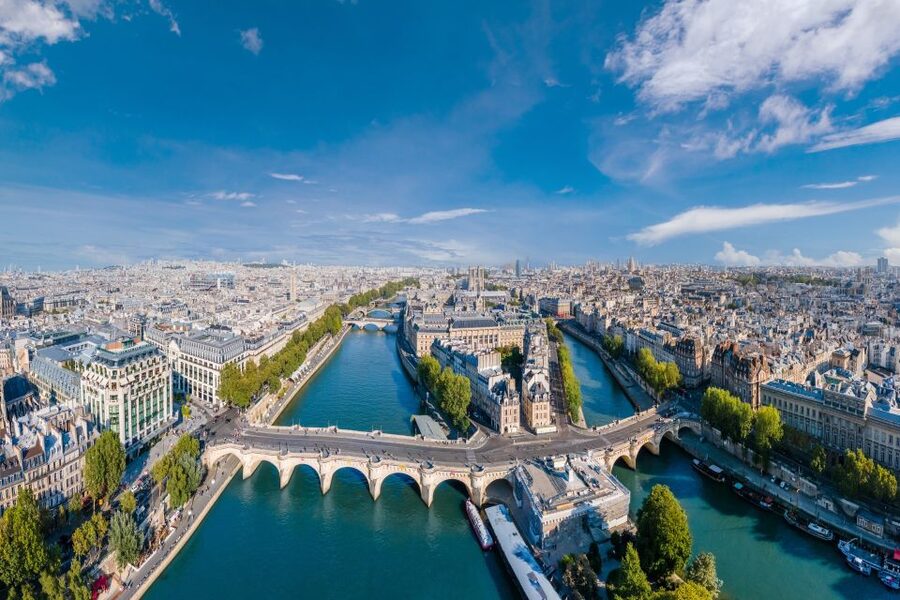
Starting at Place de la Bastille sets the tone. It’s a public square that helps you get bearings quickly before you head into the denser layers of central Paris. From there, you roll into Le Marais, a neighborhood known for mixing historical architecture with modern street energy.
In Le Marais, the value of walking is simple: you can move block by block and actually feel the texture. This is one of those places where you’ll notice details you’d miss if you were only taking rapid transit between major stops. The route keeps you in the mix of old streets, cafés, and shopping without making you force museum time.
What I like most about this section is that it gives you variety early. You’re not just staring at monuments. You’re in Paris as a place where people eat, browse, and linger.
A small consideration: because Le Marais is popular, you may hit crowds around the most photographed lanes. Going early in the day can make this easier, especially if you want quiet for photos.




Hôtel de Ville and the Circular Pavilion: Paris’s civic center
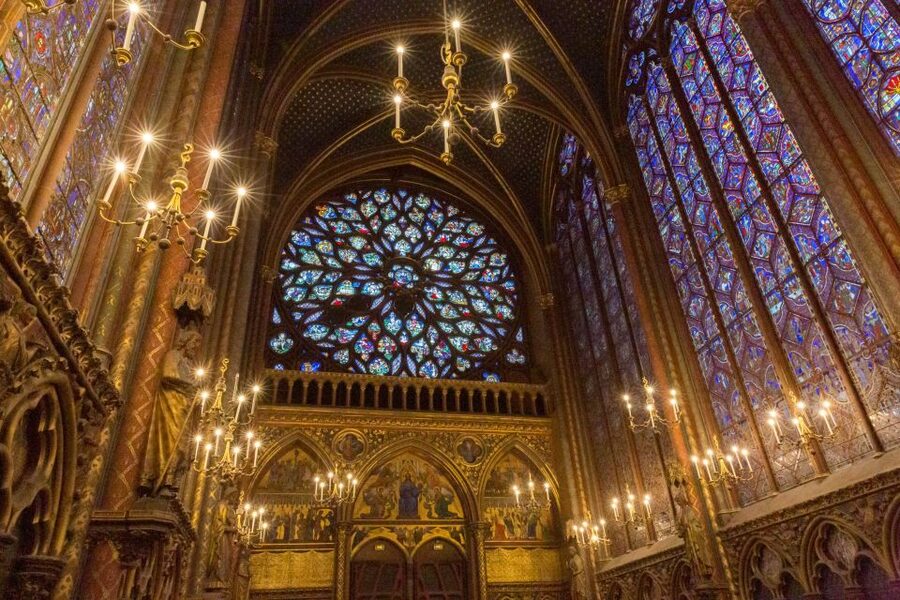
Next you reach Hotel de Ville and the Circular Pavilion. This is a different kind of sightseeing than “pretty view” stops. It’s about seeing how the city presents itself in its central public spaces.
The practical value here is orientation. After moving through neighborhood streets, you get to step into an area that feels more institutional and organized. It helps you understand the geography of Paris better—where civic power sits relative to the Seine and the big monuments to come.
If you like architecture and city layout, you’ll enjoy this. If you’re mainly into skyline photos, this might feel more functional, like a waypoint that sets you up for the next dramatic stretch.
Either way, it’s a good section to use for a quick reset: water break, stand back to plan photos, then keep walking.
Île de la Cité basics: Notre-Dame and Pont Neuf without the stress
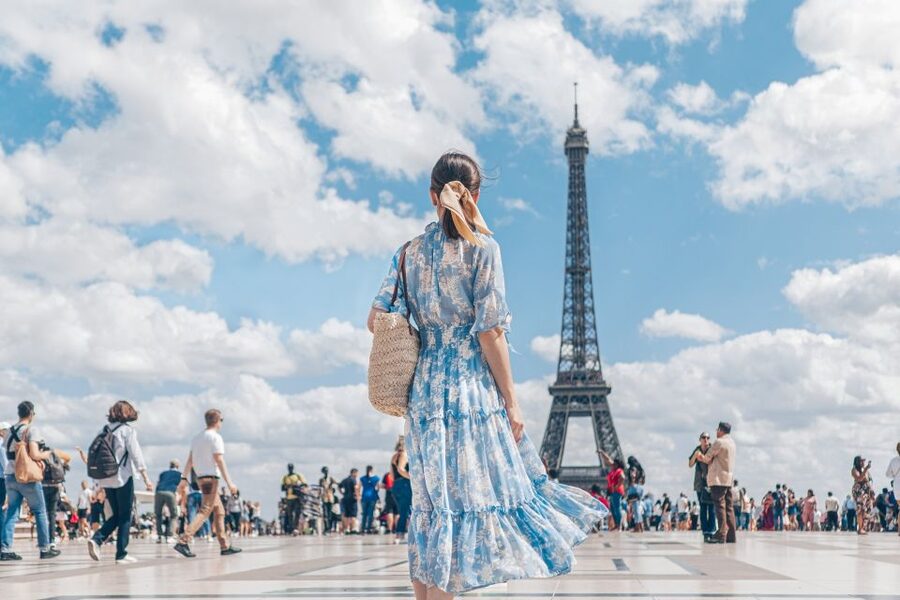
Then the route heads toward Notre Dame and Pont Neuf. This is the heart-of-Paris zone where the Seine starts to dominate your visual experience, even before you reach the biggest photos.
The tour notes help you focus your attention. The booklet includes descriptions and practical info like opening times and ticket/admission guidance, but you stay in control. If you want to go inside, you can plan for it. If you don’t, you can still enjoy the exterior views and the river-side energy.
Pont Neuf is especially worth using as a photo and orientation point. Bridges in Paris aren’t just crossings; they’re viewpoints. Standing on or near one gives you angles on both sides of the river, and it’s a great place to slow down.
One consideration I’d flag from my own planning style: big cathedral areas can turn into a standing-and-waiting situation if you decide to go inside. Since tickets aren’t included, you’ll want to make a clear decision ahead of time based on your interest and how much time you truly have.
Louvre Palace & Pyramid, Tuileries Garden, and Place de la Concorde

From the Seine, the route pushes you toward the classic “grand center” sequence: Louvre Palace & Pyramid, then Tuileries Garden, and on to Place de la Concorde.
This stretch is ideal if you like seeing Paris through its big sight lines. The Louvre area gives you the most iconic mass of the day, and even if you’re not planning a museum entry, the Pyramid viewpoint is worth being outside for.
Then Tuileries Garden acts like your breathing space. Gardens in this area are useful because they break up the hard edges of palace and boulevard walking. If you’re tired from the museum-typical crowds, this is where a slower pace helps.
Finally, Place de la Concorde is where the city feels like it’s opening up. It’s a wide space, and it’s a good moment to orient yourself for the long boulevard segment that follows.
My one “wish” for this part of the walk is depth. The booklet covers each stop with helpful basics, but I wanted more construction-level background and sharper context at some of the heavyweight sites. If your goal is museum-level knowledge, plan to add a little extra reading on your own as you go.
Champs-Élysées to Arc de Triomphe: long views, big energy
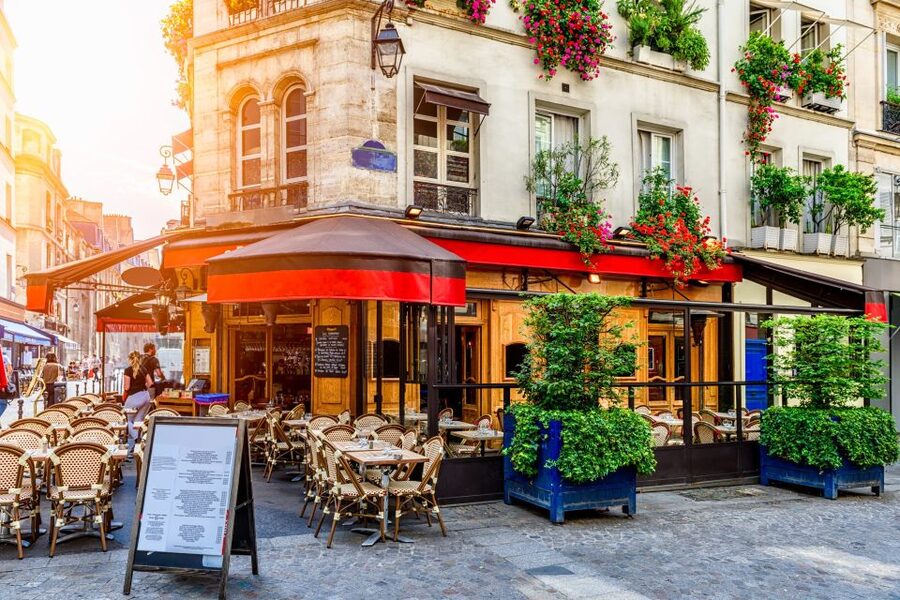
Now you hit Champs-Elysées, then Arc de Triomphe. This is the stretch for people who like to walk the famous axis of Paris, not just see it from a bus window.
Champs-Élysées is where you’ll likely want to keep your expectations realistic. It’s iconic, yes, but it’s also a main tourist shopping corridor. So treat it like a photo-and-walk corridor, not an exclusive local secret.
The Arc de Triomphe is the payoff. Even without committing to entry plans, it gives you a powerful sense of scale, especially as you get the view lines leading away from it.
This is also a section where pacing matters. If you’ve been walking steadily since Bastille, your legs may start to feel it by this point. Short breaks here can save you later, because the Eiffel Tower is the final draw.
Jardins du Trocadéro and the Eiffel Tower finale
The last two stops—Jardins du Trocadéro and Eiffel Tower—are set up for the classic ending. Trocadéro gardens are the moment you start thinking about the final view, and it helps to build in time here so you’re not sprinting into the Eiffel Tower moment.
Then you finish at Eiffel Tower. The good part about self-guided travel is you can decide how you want the ending to work. You might just enjoy the area, or you might want to plan for entry based on the practical ticket info in the booklet.
Since the tour does not include attraction tickets, I’d treat this as a “plan it if you care” stop. If your priority is a long look and photos, you can keep it simple. If your priority is going inside, check opening times in the booklet notes and plan accordingly so you’re not rushed.
Tickets and inside entries: what’s included and what’s not
The tour includes the booklet and map, not museum or attraction admissions. It clearly states that visiting any attraction from inside is totally your choice, and entry inside any attraction is not included.
That approach is good for flexibility. You get the route and context, and you decide where your time and money go. It also prevents the common problem of feeling pressured to “do everything” just because you paid for a guided program.
Still, because tickets aren’t included, you should think ahead for the biggest-ticket places you care about. The booklet helps with opening times and admission/ticket information, which is exactly what you want for planning your day.
My practical advice: don’t treat the booklet as a full replacement for ticket planning. It gives the essential information, but you should still make quick decisions based on time and your personal interests.
Who this walking tour is for (and who should skip it)
This is a smart fit if:
- You like independent exploring and want to choose how long you stay at each place
- You’re a first-time or returning visitor who wants a structured path through key central landmarks
- You want a low-cost way to cover major sights in about 2-3 hours
It’s less ideal if:
- You need deep background at every stop and expect long, detailed explanations
- You want a tour that includes entrances, tickets, or guided commentary inside major attractions
- You’re planning multiple long museum visits in one day and need more time than this walk provides
The best use case is a “connect the dots” day. You’ll see a lot, you’ll understand where things are, and you’ll still have freedom to shape the experience to your style.
Should you book this Paris City Center Self-Guided Walking Tour?
If you want Paris structure without a rigid group schedule, I’d book it. For $11 per group (up to 25), the value is strong because you’re paying for a route, a practical map, and a booklet that includes addresses, opening times, and ticket guidance. That alone saves a lot of decision fatigue.
I’d also recommend it if you’re the kind of traveler who likes to wander, then anchor that wandering with a plan. Starting at Place de la Bastille and walking through Le Marais, the Seine, the Louvre corridor, the grand boulevard axis, and ending at the Eiffel Tower is a satisfying arc.
The main reason to hesitate is if you expect more text depth and insider-level detail at each major monument. If that’s your priority, you might still enjoy the walk, but you should be ready to add your own extra reading for the big-name sites.
FAQ
Where does the tour start?
The route starts at Place de la Bastille. Since the meeting point is your accommodation, you’ll need to make your own way to the first stop.
How long is the walking tour and how far is it?
It takes about 2-3 hours and covers roughly 12 km.
How many attractions are included on the route?
The booklet/map covers 12 attractions.
Does the tour include tickets or entry into attractions?
No. It does not include entry inside any attraction. Tickets are extra and you decide what to enter.
When do I receive the booklet?
The booklet is sent to you via email about 24 hours before the booking departure.
Is it wheelchair accessible?
Yes, the tour is listed as wheelchair accessible.