REVIEW · PARIS
Paris: Musee De L’Armee Ticket With Digital Audio Guide
Book on GetYourGuide →Operated by Global Tours And Tickets · Bookable on GetYourGuide
Napoleon’s tomb changes the temperature of history. At the Musée de l’Armée inside Les Invalides, you get a self-paced ticket into one of Paris’s most focused stops on warfare, from ancient armor to modern uniforms. The experience also pairs well with a day on the Left Bank, and the offer includes a Seine River cruise angle for a different view of the city.
I especially like the way this place blends building and subject. You’re not just looking at history—you’re walking through the grand Les Invalides complex, then heading straight to Napoleon’s tomb under the famous dome. Second, I love that the collections are broad and readable in theme: armor, weapons, uniforms, and the human stories behind them, all laid out so you can choose how deep to go with the digital audio guide.
One consideration before you buy: the digital audio experience relies on your own phone and headphones, and it’s not the same thing as any museum audio system you might see onsite. A couple details can trip people up—audio matching can be finicky in places, so plan for some “workarounds” and don’t expect perfect sync all the time.
In This Review
- Key Things I Think You’ll Notice
- Why Les Invalides Makes This Museum Feel Different
- Your Ticket: Fast Entry to the Army Museum, No Live Guide
- Planning Your Day Around Napoleon’s Dome (Without Rushing)
- What the Exhibits Feel Like: From Armor to Modern Warfare
- The Digital Audio Guide: Multilingual, But Plan for Real Life
- The Seine River Cruise Angle: Why It Pairs Well
- Time, Lines, and Smart Timing
- Price and Value: Is $35 Worth It for You?
- Who This Experience Fits Best
- Should You Book This? My Straight Answer
- FAQ
- Where is the meeting point for the Musée de l’Armée ticket?
- Is this activity a guided tour?
- What’s included with the ticket?
- Do I need headphones or a smartphone for the audio guide?
- What are the museum hours?
- Is the digital audio guide the same as the museum’s own audio guide?
- Is the museum wheelchair accessible?
- What identification should I bring?
Key Things I Think You’ll Notice
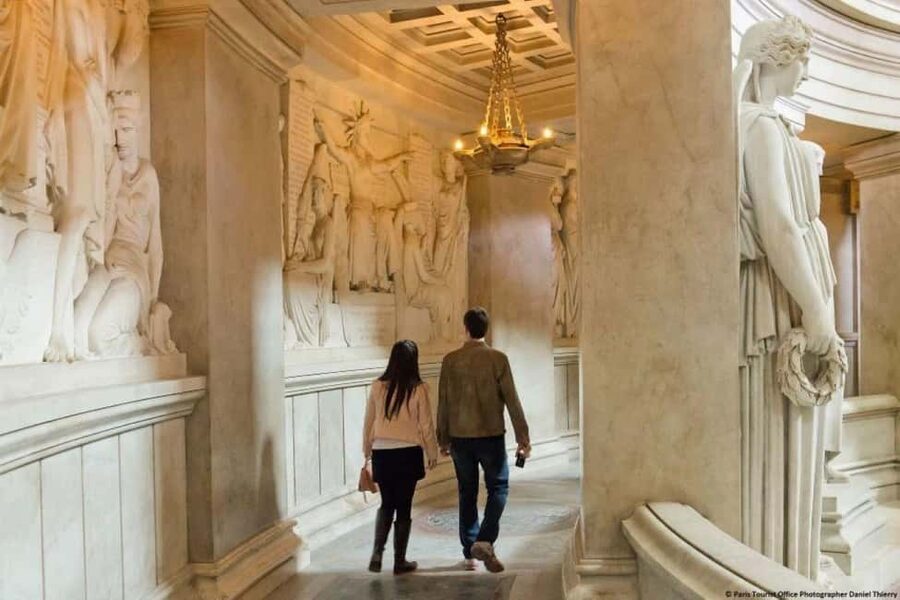
- Napoleon’s tomb under the dome: a strong reason to show up even if you’re not a hardcore history nerd
- A complete warfare timeline: armor, weapons, uniforms, and eras that move from ancient to modern
- Digital audio, self-paced: you set your pace instead of following a group schedule
- Headphones and a charged phone are essential: there’s no audio device included
- Some audio match-up may need patience: having a plan for “what if it doesn’t line up” helps
- Value depends on your tech tolerance: if you want the simplest museum visit, compare with buying onsite
Why Les Invalides Makes This Museum Feel Different

Les Invalides isn’t an ordinary museum box. It’s a historic complex built in the 17th century as a hospital and retirement home for war veterans under King Louis XIV, which gives the whole visit a different emotional weight. You move through spaces that were meant to care for people after conflict, and then you step into galleries explaining how conflict evolved.
That context really helps if you’re interested in more than “cool weapons.” You’ll likely find yourself thinking about logistics, training, supply, and the reality of soldiers’ lives as you bounce between displays. Even if you only read a few labels, the building setting nudges you toward that bigger picture.
And then there’s the dome. Seeing Napoleon’s tomb in person is one of those moments where the museum stops being abstract. It’s a visual centerpiece that makes the rest of the museum feel organized around an era—then you get to watch how the story continues beyond him.
You can also read our reviews of more tours and experiences in Paris.



Your Ticket: Fast Entry to the Army Museum, No Live Guide

This is not a guided tour. Your ticket is basically your entry plus access to a multilingual digital audio guide you download and use on your smartphone. That means you’re in charge of pacing—good if you like reading slowly, bad if you prefer everything spoon-fed.
Your admission covers the Army Museum, and the audio content is presented as detailed commentaries through the app-linked experience. Just know this clearly: you’re not getting physical earphones, and the app doesn’t come with internet access for you. You’ll want headphones and a charged phone before you arrive, and you’ll want your passport or ID handy too.
Also, the museum itself may offer its own audio guide for an extra fee. The digital product you get with this ticket is separate from that museum option, so if you’re comparing, make the decision based on what you prefer: app-based audio on your phone, or the onsite system.
Planning Your Day Around Napoleon’s Dome (Without Rushing)
If you want the most satisfying flow, I’d build your visit around the dome moment. Arrive and get your bearings first, then treat Napoleon’s tomb as your “anchor.” When you see it early, the rest of the galleries start making more sense as a timeline moving around that central reference point.
The museum is open from 10:00 am to 5:30 pm daily, with closures on 1 January, 1 May, and 25 December. The first Friday of the month has extended hours from 6:00 pm to 9:30 pm. If you’re going any day besides the standard schedule, check dates carefully so you don’t land at a dark building.
As for pacing, I’d plan on at least a few hours. The museum is large enough that a fast scan can feel rushed. A solid target is around 4 hours if you want to actually read and not just glance. If you’re the type who can’t stop at labels, you’ll need more time.
What the Exhibits Feel Like: From Armor to Modern Warfare
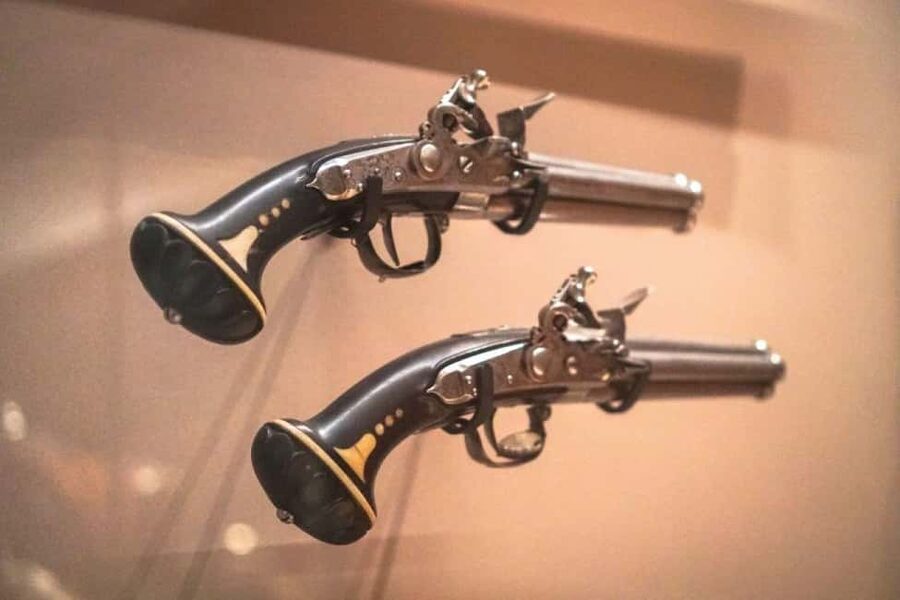
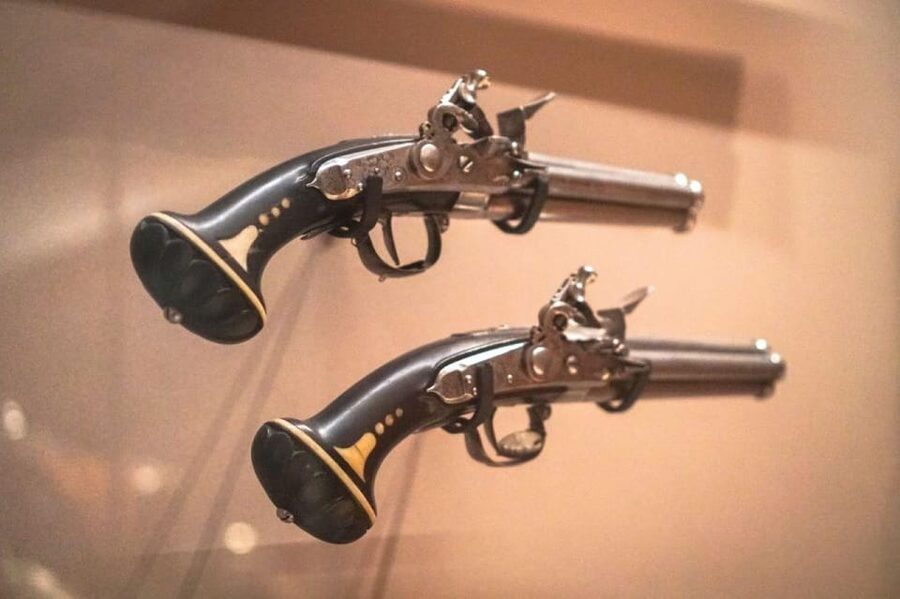
The Musée de l’Armée is built to show how warfare changes. You’ll see displays covering ancient through modern periods, including armor, weapons, uniforms, and related artwork. That broad scope is useful because it helps you notice patterns—how equipment evolves, how tactics shift, and how different armies solve similar problems in different ways.
What I find helpful is that you can approach it in layers:
- If you like objects, focus on armor and weapons first, then read about what they’re meant to do.
- If you prefer stories, spend extra time with the human context you find alongside displays.
- If you want the “how did this change” thread, hop between eras rather than staying in one room.
One common trap is staying in only one timeframe for too long. Because this museum spans centuries, you’ll get more value if you mix periods—look at something ancient, then “jump forward” to a different style of equipment. The audio commentaries are designed for this sort of pacing, as long as your app is working smoothly.
The Digital Audio Guide: Multilingual, But Plan for Real Life
The biggest practical part here is tech. Your ticket gives you access links to the digital audio guide, but audio devices aren’t included—so you need your own headphones. You also need a smartphone with battery power, and you’ll likely be relying on your phone to pull up the correct track.
Here’s the key thing: this digital guide is designed to match audio to exhibits, but that match-up can be imperfect. In some cases, people find it difficult to line audio up with what they’re looking at. The fix is to build a little patience into your plan.
A smart approach:
- Start with a track or section, then check whether it’s describing the object right in front of you.
- If it’s not, switch strategies: look at the label text, then try the closest audio option.
- If your version includes a numbered guide and map for audio matching, use it. That kind of set-up can make the experience much easier.
Also keep expectations realistic about coverage. The audio guide may not cover temporary exhibitions, and some artworks on display may vary because exhibits can be loaned out. That doesn’t mean you’re missing the “real museum”—it just means your audio schedule might not perfectly align with every wall on every day.
If you want the simplest experience, you can still rely on museum signage alone. But if you do use the audio, I recommend choosing headphones you already trust and arriving with enough charge to last the full visit.






The Seine River Cruise Angle: Why It Pairs Well
The offer highlights a scenic Seine River cruise as part of the day. Even without museum details, the cruise makes sense as a companion because it gives you a Paris view that doesn’t depend on walking block after block. It’s a nice shift after indoor galleries—especially if you want to see landmark silhouettes and bridges while you rest your legs.
Before you go, verify what your booking includes and when the cruise is scheduled in your materials. In practice, these add-ons can depend on your selected date/time slot, and you don’t want to build your whole day around a segment that isn’t tied to your entry time.
Time, Lines, and Smart Timing
Even with pre-booked entry, plan for security. During peak season, expect lines at checkpoints, and entry can take longer than normal. The museum might also shift hours on special days, so don’t assume every day is identical.
If you can choose the timing, aim for earlier entry. It tends to make everything more pleasant because:
- You get the dome moment before the busiest crowd flow,
- You can move room-to-room without feeling rushed,
- And you’re less likely to start searching for audio tracks while stressed.
If you arrive when it’s already crowded, use a calmer strategy: focus first on the dome and a few key galleries, then come back for the rest. Don’t try to conquer every room at once.
Price and Value: Is $35 Worth It for You?
At about $35 per person, you’re paying for two main things: guaranteed admission through the ticket product and the digital audio guide access. The value is strongest if you’ll actually use the audio guide and you want a multilingual, self-paced experience without hunting for options onsite.
But if you’re the kind of visitor who doesn’t care about matching audio at every exhibit, the economics can feel less friendly. One drawback you should factor in is that some visitors feel the audio guide doesn’t add enough value compared with buying a ticket directly at the museum. If that sounds like you, consider skipping the extra digital layer and just keep your plan simple.
Here’s how I’d decide quickly:
- Choose this ticket if you want self-paced storytelling and you’re comfortable using your phone with headphones.
- Consider buying directly at the museum if you prefer minimal tech and just want to walk, read, and go.
Either way, the museum itself is the big draw, and it’s not a small stop. You’ll get your money’s worth when you give yourself enough time to actually experience the collections.
Who This Experience Fits Best
This is a great match if you fall into one of these categories:
- You want a self-guided museum without booking a structured guided group time
- You like military history across eras, not just one theme
- You want a museum visit that works for quiet reading as well as object-focused wandering
- You’re traveling with multiple interests—Napoleon, equipment, and the story behind soldiers all in one stop
It’s also workable if you’re traveling with mobility needs, because the attraction is wheelchair accessible. Access for mobility disabilities is noted at 6 Boulevard des Invalides, with reserved spaces in rear alleys.
If you hate phone apps at museums or you don’t like earbuds, then the experience depends more on your patience and your willingness to use signage alone. In that case, keep expectations flexible.
Should You Book This? My Straight Answer
Book it if you want a low-pressure, self-paced visit with multilingual audio commentaries and you can handle the basics: headphones, charged phone, and a bit of troubleshooting if audio doesn’t perfectly match the exhibit right away. The dome and the military collections are strong enough that even a “partial” audio experience can still be satisfying.
Skip or simplify if you’re tech-averse or you’re expecting audio to feel effortless and perfectly synced at every stop. In that case, you might be happier keeping it simple and buying onsite, then spending your attention on the displays instead of the app.
If you do book, give yourself time—this isn’t a 45-minute museum. Plan for a longer session so you’re not rushing between Napoleon’s tomb and the main warfare galleries.
FAQ
Where is the meeting point for the Musée de l’Armée ticket?
The address listed is the Army Museum, Rue de Grenelle, Paris, France.
Is this activity a guided tour?
No. You enter the attraction on your own. The ticket provides admission and access to the digital audioguide.
What’s included with the ticket?
Included items are the entrance ticket to the Army Museum, digital audioguide application access links, detailed audio commentaries, and multilingual support.
Do I need headphones or a smartphone for the audio guide?
Yes. Audio devices (earphones and internet/Wi‑Fi) are not included, so you should bring headphones and a charged smartphone.
What are the museum hours?
Museum hours are 10:00 am to 5:30 pm daily. It is closed on 1 January, 1 May, and 25 December, with extended hours on the 1st Friday of the month from 6:00 p.m. to 9:30 p.m.
Is the digital audio guide the same as the museum’s own audio guide?
No. The digital audio guide provided is separate from the museum’s audio guide, which is available for an additional fee.
Is the museum wheelchair accessible?
Yes. Wheelchair access is noted at 6 Boulevard des Invalides, with reserved spaces in rear alleys.
What identification should I bring?
Bring a passport or ID card. You should also follow the noted restrictions, such as not bringing luggage or large bags. Unaccompanied minors are not allowed.