REVIEW · LYON
Lyon: Museum of Fine Arts Ticket & City Audio Guide
Book on GetYourGuide →Operated by Vox City International · Bookable on GetYourGuide
5000 years of art fit into two hours. The Museum of Fine Arts in the Saint-Pierre Palace gives you a big visual timeline, and the added Lyon city highlights audio guide helps you connect the art to real street-level sights.
I especially love the Egyptian funerary mask experience: you’re close to the kind of death rituals ancient Egypt built for the afterlife. I also make a point of slowing down for the museum’s modern names, including works by Monet and Picasso, because it’s rare to see stars like that next to ancient sculpture without leaving the building.
One practical consideration: the audio portion runs on your own tech, so plan on bringing headphones and using a charged smartphone.
In This Review
- Key things to know before you go
- Entering the Museum of Fine Arts in Lyon (Saint-Pierre Palace)
- Ancient Egypt: funerary masks and the logic of death rituals
- Greek sculpture highlights: how the Kore fits the collection
- Renaissance ceramics and Poussin’s Flight into Egypt
- Photographing Monet and Picasso without losing your place
- Using the Lyon city audio guide after the museum
- Price and value: what $16 buys (and what it doesn’t)
- Before you go: the practical checklist that keeps things smooth
- Who this Lyon combo ticket is best for
- Should you book the Museum of Fine Arts + Lyon audio guide?
- FAQ
- Where is the Museum of Fine Arts meeting point?
- What does the ticket include?
- How long is the experience?
- What language is the audio guide in?
- Do I need to bring headphones or a device?
- Are temporary exhibitions included?
- Is it wheelchair accessible?
Key things to know before you go
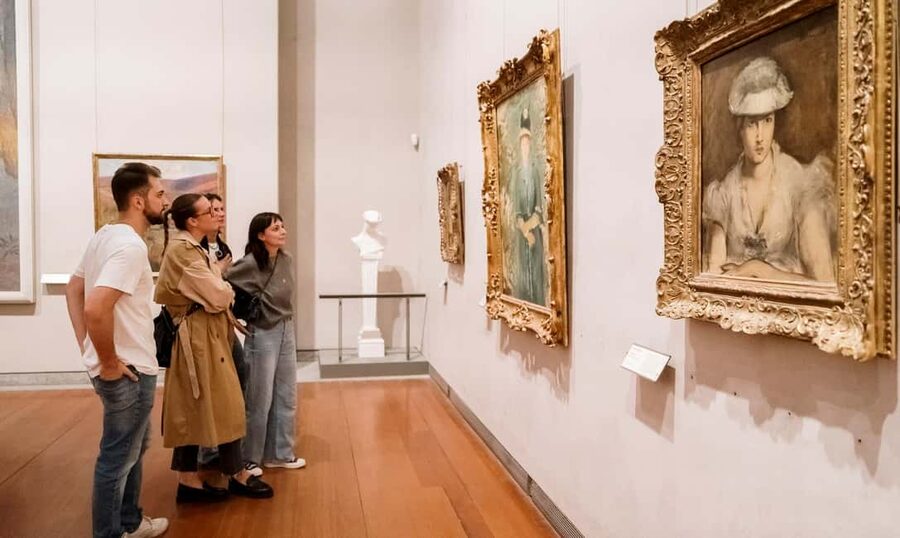
- A museum ticket plus a city audio guide means you’re not stuck doing only indoor sightseeing
- Ancient Egypt highlights, including a funerary mask and a coffin, give you a strong start in the collection
- Greek sculpture focus, with the Kore mentioned as a key stop
- Monet and Picasso are part of the lineup, so you get modern payoff too
- Renaissance touches like ceramics help the museum feel less like a straight textbook timeline
- The Lyon audio route includes major anchors such as Saint-Jean-Baptiste Cathedral and Place des Terreaux
Entering the Museum of Fine Arts in Lyon (Saint-Pierre Palace)
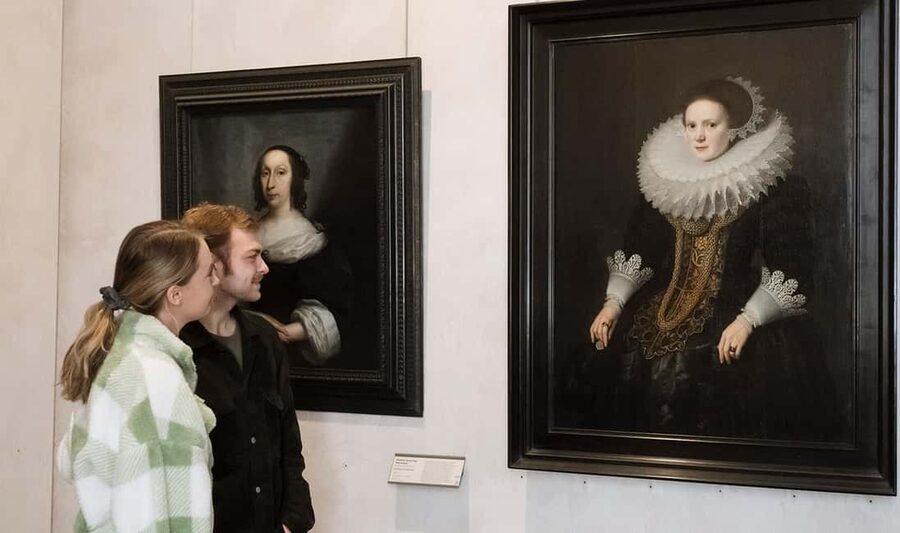
If you like museums that feel like a story instead of a checklist, this ticket is a good fit. The Museum of Fine Arts sits in the Saint-Pierre Palace, which matters because the building itself helps you transition from one era to the next. You’re moving through antiquity all the way to more recent painting, all at your own pace.
The nice part is that this experience is designed to work in a practical time window. The total activity length is 2 hours, and that’s long enough to see the major sections without turning your day into a museum marathon. You do have to choose a little: if you get pulled into one room (Egypt or the modern gallery), don’t be surprised if the city audio portion becomes shorter than planned.
Also, your ticket covers permanent exhibitions. That means you’ll get the core collection, the stuff the museum is built around, rather than the constantly changing temporary shows. If you’re the type who always wants the latest special exhibition, plan that separately.
You can also read our reviews of more tours and experiences in Lyon.
Ancient Egypt: funerary masks and the logic of death rituals
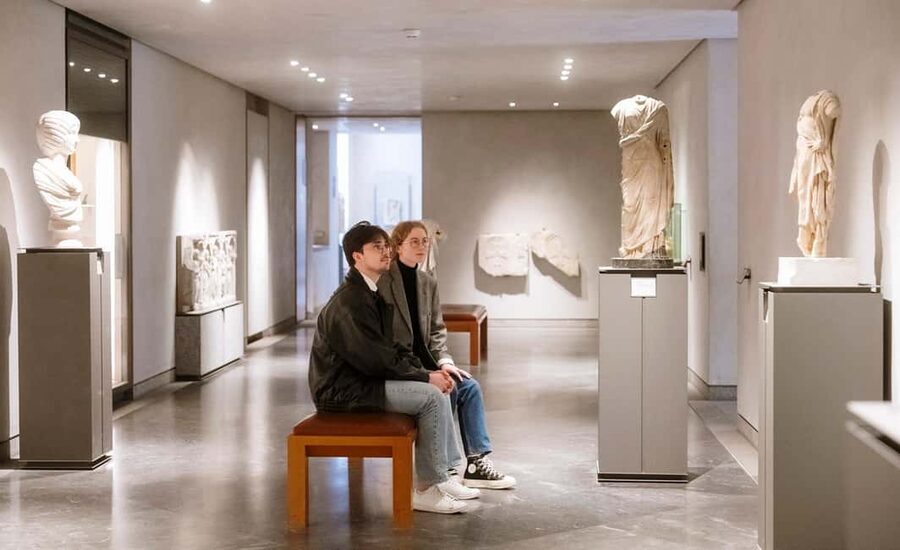
The Egyptian section is where the museum earns quick attention. You can expect to see objects tied to death rituals, including a funerary mask and a coffin. Even if you don’t read every label, these artifacts work because they’re designed for a purpose: they’re about identity, preservation, and what people believed would happen after life.
What I like for your planning is that these Egyptian pieces give you an entry point that doesn’t require prior knowledge. You can stand back, take in the overall look, then walk closer to notice details. If you’re used to seeing ancient Egypt only in photos, seeing the actual objects in a museum setting changes the experience. Scale and materials are different in person, and that helps you understand why ancient people cared so intensely about the afterlife.
This is also a good area to “set your tempo.” After a quick 15–20 minutes with Egypt, you’ll be warmed up for Greek sculpture and later European paintings. If you start with the museum’s modern names first, the jump backward can feel abrupt. Egypt tends to make the timeline click.
Greek sculpture highlights: how the Kore fits the collection

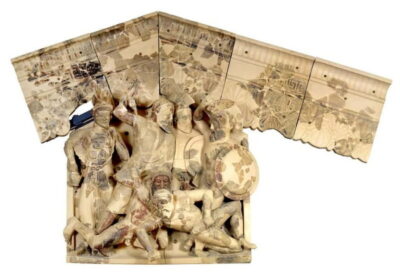
From ancient Egypt, the museum shifts into the world of Greek art and sculpture. One named highlight is the Kore sculpture. Kore is a powerful type of artwork because it gives you a controlled view of idealized human form—something you can compare across periods and styles as your eyes adjust.
Even without a guided tour, this is the kind of work that rewards you for slowing down. Look at posture, the way the figure holds space, and how the museum lighting affects your perception of the stone. When Greek sculpture is shown alongside Egyptian funerary objects, the contrast is striking: both relate to belief systems, but one is about an afterlife identity while the other is about human form and cultural ideals.
If you’re traveling with kids or a mixed group, this Greek sculpture stop can be a good “attention anchor.” It’s visual, readable, and usually easier to explain in a minute than a more abstract painting.
Renaissance ceramics and Poussin’s Flight into Egypt

The museum isn’t only about big famous names. You also get smaller “in-between” stops that help the collection feel lived-in. The Renaissance collection of ceramics is one of those sections. Ceramics can be easy to overlook in a hurry, but if you take a moment, they help you understand how art doesn’t just live in paintings and sculpture. Craft and daily objects can carry style, symbolism, and patronage too.
Then there’s a highlight that pulls you directly into European painting: the museum includes the artwork Flight into Egypt by Nicolas Poussin. This painting matters because it ties into a well-known biblical theme, but Poussin’s approach tends to feel ordered and structured. If you’re the type who likes to see what an artist chooses to emphasize—figures, landscape-like staging, drama through composition—this is one of those moments where the title becomes less important than the picture itself.
Tip for your timing: don’t try to “do” ceramics and painting at museum speed. Pick one or the other for a deeper look, then let the other be a quick but meaningful pass.
Photographing Monet and Picasso without losing your place
The museum experience includes a clear modern draw: masterpieces by Monet and Picasso. Seeing these artists in the same museum as ancient artifacts is a satisfying shift. You get to watch how artistic priorities change: from religious or ritual purpose, to human form, to later experimentation with light, color, and modern perception.
It’s also explicitly set up for casual photo stops. You’ll want your camera or phone ready, because snapping images is part of how many people remember museum visits. Just keep it respectful. If you’re holding up a view, step to the side so others can see.
For your viewing strategy, think in two passes:
- First pass: find the Monet and Picasso rooms quickly so you don’t run out of energy later.
- Second pass: slow down only where you feel your attention lock on.
That’s usually how you avoid the classic museum problem of seeing everything but remembering nothing.
Using the Lyon city audio guide after the museum
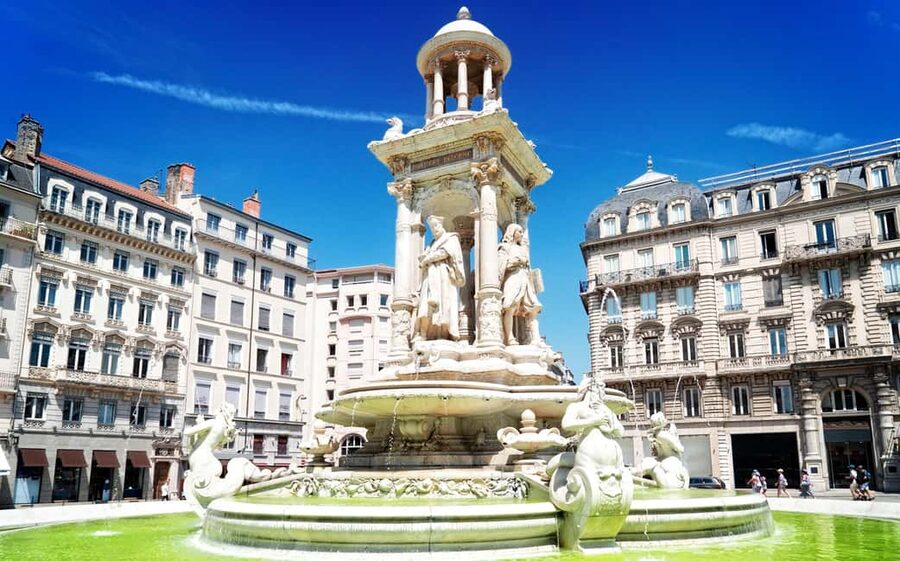
Once you’re done with the Museum of Fine Arts, you switch to the Lyon city highlights audio tour. This part is where the day turns from “museum time” into “street-smart sightseeing.” The audio includes stories about key landmarks such as Saint Jean-Baptiste Cathedral and Place des Terreaux.
This guide works best when you move at a normal walking pace. Instead of sprinting between stops, you can pause near each landmark and let the narration put it in context. For a self-guided day, that’s exactly what you want: quick, useful explanations that help you look smarter without needing a live guide.
Because your total allotted time is 2 hours, you should be realistic. If you spend a lot of time inside the museum (especially with Egypt and the modern rooms), the audio route might not cover every stop in one go. If you only do the first few landmarks after leaving the museum, you’ll still get a strong sense of Lyon’s layout and identity.
Price and value: what $16 buys (and what it doesn’t)

At $16 per person, this combo ticket can be good value because you’re paying for two things:
1) a ticket to the Museum of Fine Arts with access to the permanent exhibitions, and
2) a Lyon city highlights audio guide with multilingual narration in English and French.
The key value question isn’t just the price. It’s whether the package matches your priorities. If you want one museum plus a fast way to orient yourself around Lyon, this makes sense. If you’re chasing temporary exhibitions or timed special events, this ticket won’t fully cover that.
Also, it doesn’t include an audio device setup for you. The activity does not provide a headset or mobile device. That’s why the small “bring headphones” detail matters. If you show up without them, you’ll still have the museum ticket, but the audio part will be harder to enjoy.
Before you go: the practical checklist that keeps things smooth
This experience is self-directed, so small prep steps prevent big hassles. Here’s what you should plan around:
- Bring headphones for the audio guide.
- Bring a charged smartphone since you’ll need it for the experience.
- Download and check in using the voucher QR code: it’s how you confirm your trip and how you download the city audio guide before arrival.
The meeting point is straightforward. You can go directly to the Fine Arts Museum at 20, place des Terreaux. Try to have your ticket ready to show, because a clean arrival beats standing around waiting.
If you’re the kind of traveler who likes to arrive ready, this is one of those days where that habit pays off quickly.
Who this Lyon combo ticket is best for
This ticket is especially suited to people who want a compact, high-impact plan. It’s a smart option if you:
- like museums that cover big time ranges (ancient through more modern painting),
- want a modern-art payoff like Monet and Picasso, not just antiquities,
- prefer self-guided pacing over joining a live group,
- want an easy way to connect museum stops to real places in Lyon.
It can also work well for visitors who don’t speak French fluently, since the audio commentary is available in English and French.
If you’re someone who needs a full guided interpretation for every room, you might find a self-guided format only partially satisfying. But if you like reading labels, picking your own highlights, and having the audio guide as a helpful backbone, it’s a strong match.
Should you book the Museum of Fine Arts + Lyon audio guide?
Book it if you want a museum visit that feels like more than one room. The Egyptian funerary artifacts, the Greek sculpture highlight (including the Kore), and the modern draw of Monet and Picasso give you multiple “hooks” to keep attention. The city audio guide then helps you translate what you saw into a quick understanding of Lyon’s major landmarks like Saint Jean-Baptiste Cathedral and Place des Terreaux.
Skip or reconsider if you’re chasing only temporary exhibitions or if you’re counting on a provided headset/device. With this format, your headphones and phone are part of the deal. If you come prepared, you’ll get a well-rounded Lyon day without the stress of building your own route from scratch.
FAQ
Where is the Museum of Fine Arts meeting point?
You can head directly to the Fine Arts Museum at 20, place des Terreaux.
What does the ticket include?
It includes a ticket to the Museum of Fine Arts with access to permanent exhibitions, plus the Lyon city highlights audio guide with multilingual English and French commentary.
How long is the experience?
The duration is 2 hours (check availability for starting times).
What language is the audio guide in?
The audio commentary is available in English and French.
Do I need to bring headphones or a device?
Yes. Headphones and a charged smartphone are listed as what to bring. A headset and mobile device are not included.
Are temporary exhibitions included?
No. Access to temporary exhibitions is not included.
Is it wheelchair accessible?
Yes, the experience is wheelchair accessible.