REVIEW · LYON
Lyon WWII and Resistance Tour with Audio Guide
Book on Viator →Operated by Trippy Tour Guide · Bookable on Viator
WWII lives in Lyon’s street corners. I like how the tour pairs free outdoor stops with an audio track in English that makes each place feel personal, not like a textbook. I also love the fully offline map plus 30+ narration points, so you can keep moving without hunting for Wi‑Fi. One thing to consider: if you play the whole route nonstop on your phone, you may want a portable charger.
This is a self-guided experience, so you set the pace. You’ll follow a clear route from Rue Jeanne Hachette to the last stop at Croix-Paquet, with a mobile ticket and directions that help you find both big landmarks and lesser-known corners tied to WWII and Resistance activity. With many stops labeled free, you get strong value for the $12.99 price—just plan your time so you don’t feel rushed at the finish in Croix-Rousse.
In This Review
- Key highlights before you start
- WWII in Lyon, told by the streets you walk every day
- How the Trippy Tour Guide audio tour really works
- Stop 1 to 2: 9 Cours Gambetta and the CHRD in the former Gestapo HQ
- Pont Gallieni and the Liberation-era reminder trail in central Lyon
- Place Bellecour and La Place des Jacobins: more Resistance hubs than you’d guess
- Église Saint-Nizier: Gothic landmark meets wartime shelter
- Place des Terreaux and Hôtel de Ville: civic pride with wartime pressure
- Rue Sainte-Catherine and Rue Bouteille: remembering arrests and the shock of betrayal
- Fontaine Burdeau, Amphitheater of the Three Gauls, and how faith and memory connect
- Traboules and Cour des Voraces: the Croix-Rousse finish that makes the whole story click
- Time, pacing, and what to do with your phone during the 3 to 4 hours
- Price and value: is $12.99 fair for this self-guided route?
- Who this tour suits best
- Should you book the Lyon WWII and Resistance Audio Tour?
- FAQ
- FAQ
- How long is the Lyon WWII and Resistance tour?
- Is the audio guide available in English?
- Do I need Wi‑Fi or data to follow the route?
- What does the tour cost?
- Where does the tour start and where does it end?
- What kind of tickets do I get?
- Are entrances included or free at the stops?
- What’s included with the booking?
- Is there anything not included in the tour price?
- What are the operating hours for this experience?
Key highlights before you start
- Offline audio with an offline map so you can walk without data
- 30+ narration points that explain what happened at each stop as you pass it
- A strong arc from Resistance arrests to liberation-era remembrance
- Memorial moments in key spots like the Gestapo arrests and Holocaust plaque at Rue Sainte‑Catherine
- A finish you shouldn’t skip: Croix-Rousse and the traboules at Cour des Voraces
- English audio and simple mobile ticket access for an easy start
WWII in Lyon, told by the streets you walk every day
Lyon’s WWII story isn’t stuck behind glass. It’s written into addresses, corners, and the routes people used to hide, move, and signal. This tour leans into that idea hard: instead of one museum talk, you get a sequence of stops where the city itself becomes the timeline.
I like that the focus stays on Resistance courage and the human cost, with remembrance placed right where it belongs. You’ll also hit a few moments that shift the tone toward the Holocaust and mass arrest, so the tour doesn’t only stay in the safer, more inspirational storyline.
The route is also practical. It’s built for walking, with short stops that keep you from getting stuck for too long at any single location. That matters when you have limited time, or when you want to pause for photos, quick reading at plaques, or just to take in the view over the Rhône.
You can also read our reviews of more tours and experiences in Lyon.
How the Trippy Tour Guide audio tour really works
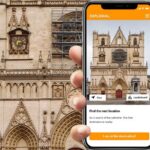
You access everything through the Trippy Tour Guide app on your phone, using a mobile ticket to start. The guide is designed as an on-your-feet experience: you follow the directions, and the audio narration kicks in at 30+ points along the way.
The biggest practical win is the fully offline map. That means you can walk the route without worrying about signal dropouts or running down your data plan. It also helps you trust your bearings, especially in areas where streets twist and you’d rather not rely on luck.
One more thing I’d plan for: battery life. When I do self-guided audio tours like this back-to-back, the phone heat and screen time add up fast. If you do this in one long session, bring a portable phone charger.
Stop 1 to 2: 9 Cours Gambetta and the CHRD in the former Gestapo HQ
The tour starts at Parking 7 Rue Jeanne Hachette, then moves you toward the first major WWII memory at 9 Cours Gambetta. Here, the story centers on young Resistance leaders arrested by the Gestapo in 1944. Their execution is part of what makes this stop so heavy, but the narration also frames their legacy as youthful defiance and sacrifice.
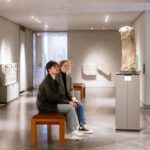
From there, you head to the CHRD, the museum that honors Lyon’s role in the Resistance and sits in the former Gestapo HQ. This is a key emotional pivot on the route. Outside, you’re in streets and squares; inside, you get testimonies and preserved artifacts that put the audio points into sharper focus.
If you’re the type who likes context, this segment is your anchor. It helps you understand why later stops aren’t just names on stone—they connect to real people, decisions, and danger.
Pont Gallieni and the Liberation-era reminder trail in central Lyon
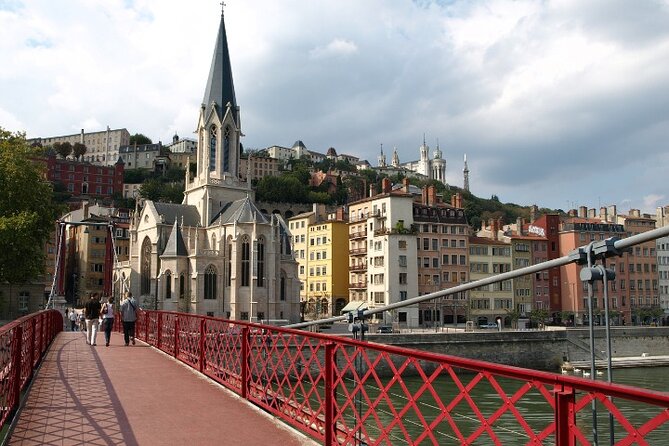
Next comes Pont Gallieni, spanning the Rhône. The narration treats the bridge as more than a crossing. It’s presented as a silent witness to wartime movement—places where the Resistance relied on routes, timing, and the cover of everyday city life.
Then you step into central remembrance at Place Carnot with the Monument aux Morts. This is where the city honors fallen heroes of both World Wars and the Resistance, and it ties into Liberation Day and VE Day commemorations. If you want the tour’s emotional temperature to rise, this is one of the places that does it.
From there, you’ll walk Rue Victor-Hugo, now known as a lively shopping street. The audio frames it as a wartime artery: a place where secret messages and whispered plans moved under occupation pressure. It’s unsettling in a good way—because you’re seeing normal today while the story forces you to imagine the fear from then.
Place Bellecour and La Place des Jacobins: more Resistance hubs than you’d guess
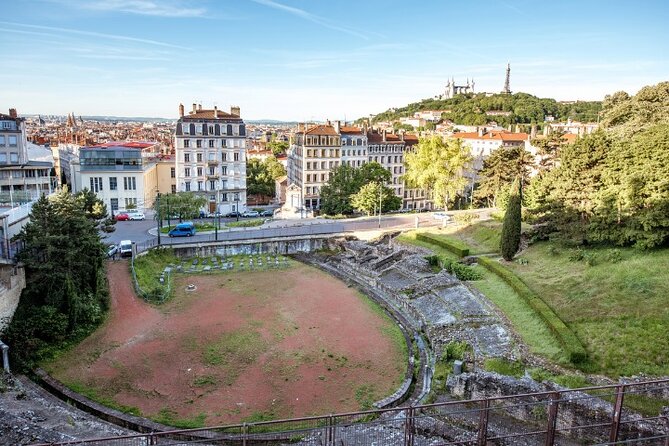
At Place Bellecour, the tour points you to how central squares could become sites of arrests and underground Resistance activity. Today it’s a classic Lyon gathering place, which makes the wartime overlay feel extra strange. The narration keeps pulling you back to the idea that occupation wasn’t just far away—it was threaded through daily life.
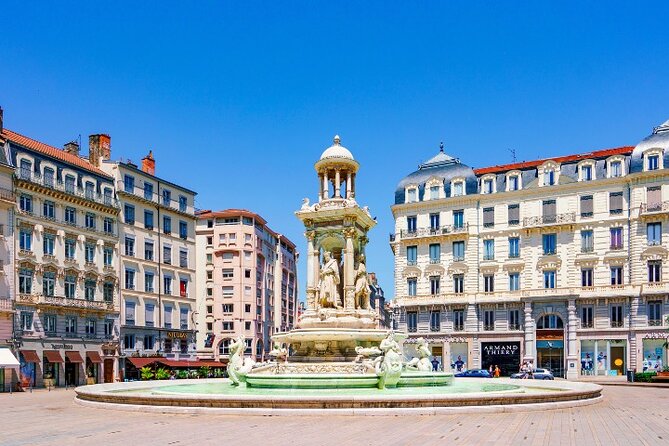
Then you arrive at La Place des Jacobins, in the Ainay quarter. This spot is described as a former hub for the Resistance, now quieter and reflective. You’ll hear about underground presses and rescue efforts—details that help you picture how hard it was to publish, coordinate, and move people to safety.
If you like tours that connect micro-stories to the wider fight, these two stops do a lot of work. They show how Resistance activity depended on ordinary neighborhoods, not only dramatic set pieces.
Église Saint-Nizier: Gothic landmark meets wartime shelter
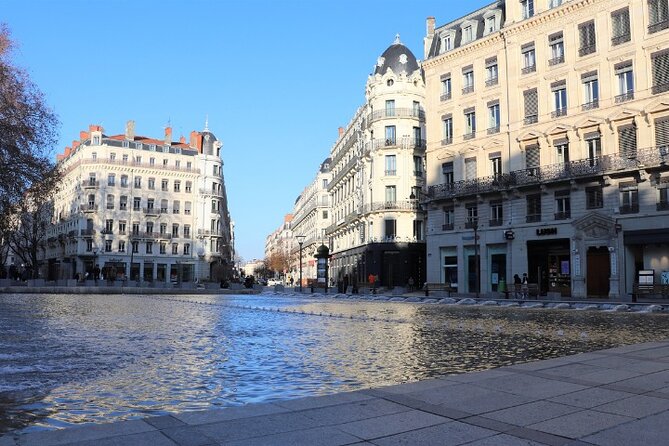
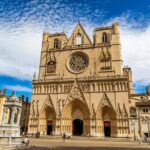
The tour then brings you to Église Saint-Nizier, a Gothic landmark where the audio points to history and defiance. The church is presented as a place that survived war and even hosted a protest in 1975 that echoed the spirit of Resistance.
You also get admission included for this stop, which is a practical bonus. Since you’re already paying for the experience, it’s nice when one location removes friction and lets you focus on the story.
This is a good moment to slow down a bit, because churches usually reward careful looking. Even if you’re mainly here for WWII context, you’ll likely appreciate the chance to see the place as more than a backdrop.
Place des Terreaux and Hôtel de Ville: civic pride with wartime pressure
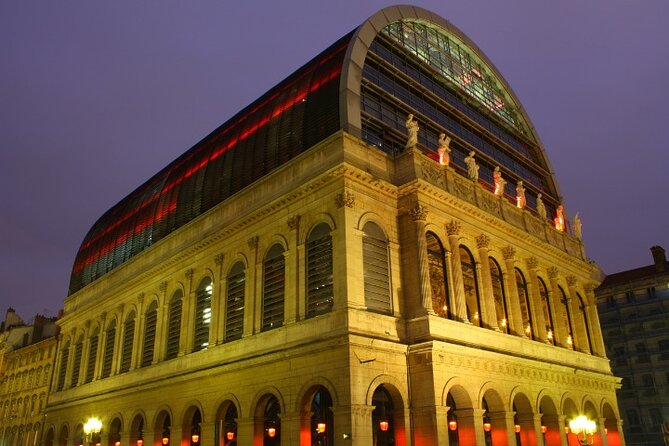
At Place des Terreaux, you get another mix of beauty and covert WWII activity. The narration frames the square as tied to secret presses and silent defiance—again, reinforcing that the Resistance wasn’t only about dramatic actions. It also relied on information, propaganda, and communication.
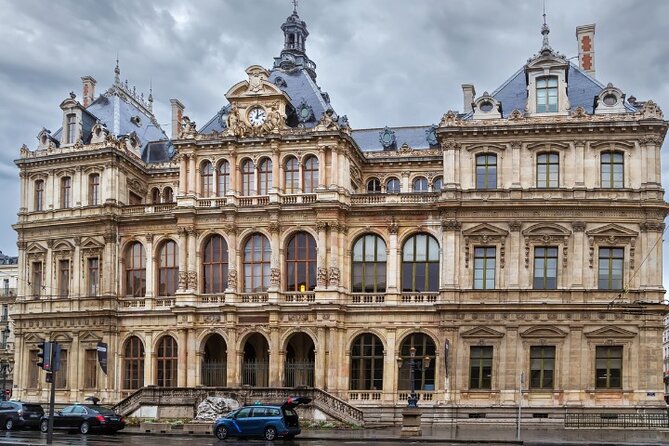
Then you move to Hôtel de Ville de Lyon, the city hall. The audio treats it like a symbolic meeting point: civic pride, civic responsibility, and the tension of WWII liberation efforts. Even if you don’t go inside, the spot gives you a sense of scale—Lyon’s identity and the stakes of freedom.
These two stops work well if you’re trying to understand what Resistance meant beyond hiding. It also meant protecting a civic future.
Rue Sainte-Catherine and Rue Bouteille: remembering arrests and the shock of betrayal

A darker section of the route starts at 12 Rue Sainte‑Catherine, where a plaque honors 86 Jews arrested by the Gestapo in 1943. This is one of those stops that you can feel in your chest. It’s not about clever escapes; it’s about the brutal machinery of occupation and the urgent need to remember.
A few steps later, the tour goes to 14 Rue Bouteille, described as a hidden Resistance letterbox where General Delestraint was arrested in 1943. The story is built around a turning point—how plans, messages, and the human factor could shift the fate of the Resistance network.
For me, these are crucial because they make the tour honest. You don’t just leave with heroic vibes; you leave with a fuller picture of how fragile resistance efforts were under surveillance.
Fontaine Burdeau, Amphitheater of the Three Gauls, and how faith and memory connect
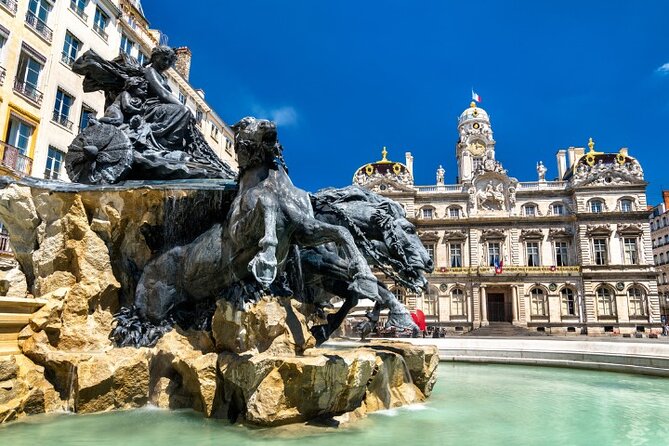
After the arrest-focused stops, the audio moves into quieter remembrance at Fontaine Burdeau. The narration describes wartime scars and memorial details linked to Auguste Burdeau, and even notes that a missing statue becomes part of the city’s ongoing memory of loss.
Then you reach the Amphitheatre of the Three Gauls. The audio connects ancient Rome and later Christian martyrdom to Lyon’s spirit of defiance. Even if you’re in Lyon for WWII, this stop helps you see that the city’s identity has long included resistance and endurance.
This segment can feel like a breather, but it’s not a reset. It’s a reminder that Lyon’s story stretches across eras, and that courage often shows up as continuity, not one-off events.
Traboules and Cour des Voraces: the Croix-Rousse finish that makes the whole story click
The final major attraction is the Cour des Voraces and the nearby traboule network. The narration connects this place to earlier revolts and to WWII Resistance routes and escape routes. You’ll hear how stairways and passageways could function like secret strongholds, which is exactly what makes Lyon’s architecture matter in a tour like this.
The finish matters because the Resistance in Lyon depended on movement you couldn’t always see from the street. Traboules let people cut through blocks, avoid main routes, and use the city’s geometry as cover. That’s why this end feels like a payoff: it turns abstract stories into physical understanding.
This is also where you should resist rushing. One of the best pieces of advice I’d give is simple: don’t skip the Croix-Rousse ending. If you only half-pay attention here, you miss the tour’s best “aha.”
Time, pacing, and what to do with your phone during the 3 to 4 hours
The tour is designed for about 3 to 4 hours, with many stops around 5 to 15 minutes. That structure is helpful because it keeps the route from dragging, but it also means you can’t treat it like a museum day.
If you want it to feel meaningful (not frantic), I’d plan for breaks in your own way. You can pause at monuments, quickly read plaques, and then press play again when you’re ready to move.
Also, keep your battery in mind. I’d use a screen brightness level that isn’t too high and consider keeping the phone in power-saving mode. The tour works well offline, but audio and navigation still take energy.
Finally, note the time window: the route operates 9:00 AM to 8:00 PM daily. So you can fit it around lunch plans, a morning exploring session, or an early evening walk—just give yourself enough time to reach Croix-Paquet without stress.
Price and value: is $12.99 fair for this self-guided route?
For $12.99 per person, you’re paying for an English audio guide, the offline map, and 30+ narration points across a long walking route. You also get directions to both well-known places and tighter, less obvious spots tied to the WWII story.
Many stops are labeled admission ticket free, which lowers overall cost compared with a tour where every story depends on paid entrances. Église Saint-Nizier has admission included, so at least one location removes the question of whether you’ll pay extra.
Is it cheap? It’s priced to fit a budget. Is it worth it? If you like walking with context and want a route that doesn’t require a live guide schedule, it’s a good match.
Who this tour suits best
This experience is a strong fit if you want to:
- Walk at your own pace instead of following a group’s stop-and-start rhythm
- Learn as you move, using audio cues tied to specific locations
- See both major memorial sites and smaller, more specific wartime markers
- End in Croix-Rousse where the traboules bring the Resistance story to life
It may feel like a lot if you dislike phone-based tours, or if you hate reading plaques while walking. Also, if you want a lot of time inside multiple museums, this route is built more for street-level context than for long indoor stays.
Should you book the Lyon WWII and Resistance Audio Tour?
Book it if you want an efficient way to understand WWII and Resistance in Lyon through real places. The combination of offline audio, clear directions, and a route that takes you from Gestapo arrests to Holocaust remembrance to traboules gives you a full-city story without needing a live guide.
Don’t book it if you know you’ll spend your day bouncing between attractions and won’t have time to listen. In that case, the tour’s value drops because its power is the audio timing at each stop.
If you do book: bring a charger, go slow at the end, and treat the address plaques like they deserve a moment of quiet.
FAQ
FAQ
How long is the Lyon WWII and Resistance tour?
It runs about 3 to 4 hours.
Is the audio guide available in English?
Yes, the tour is offered in English.
Do I need Wi‑Fi or data to follow the route?
No. You get a fully offline map and the guide is designed for offline use.
What does the tour cost?
The price is $12.99 per person.
Where does the tour start and where does it end?
It starts at Parking 7 Rue Jeanne Hachette, 69003 Lyon, and ends at Croix-Paquet in 69001 Lyon (the last stop).
What kind of tickets do I get?
You receive a mobile ticket.
Are entrances included or free at the stops?
Many stops are marked as Admission Ticket Free. Église Saint-Nizier has admission included.
What’s included with the booking?
Access to the self-guided Lyon WWII & Resistance walking tour in the Trippy Tour Guide app, an audio guide, 30+ narration points, and detailed directions with an offline map.
Is there anything not included in the tour price?
Meals are not included.
What are the operating hours for this experience?
It runs Monday through Sunday from 9:00 AM to 8:00 PM.