REVIEW · ISTANBUL
Istanbul Bosphorus Sightseeing Cruise with Audio Guide
Book on Viator →Operated by Tourmania · Bookable on Viator
A Bosphorus sail is the fastest Istanbul shortcut. This one-hour Istanbul Bosphorus sightseeing cruise strings together major shore sights with an audio guide in English, so you get context as the scenery slides by. I love how efficient it is for first-time orientation, and I love the simple mobile setup that makes the narration easy to follow. One thing to keep in mind: it’s a sightseeing cruise, not a palace visit, so you’re seeing exteriors and getting stories, not going inside.
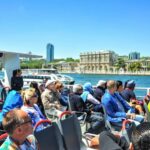
You’ll start at Dentur Avrasya Kabataş İskelesi and cruise along Europe-and-Asia icons like Dolmabahçe Palace, Ortaköy Mosque, Rumeli Fortress, and the bridges. The experience is designed for convenience: mobile ticket, easy pickup near public transport, and a group size capped at 100. If the day is rough weather-wise, the operator may shift your date or offer a full refund, so plan your schedule with a little flexibility.
In This Review
- Key highlights you’ll actually notice
- Why this one-hour Bosphorus cruise is a smart use of limited time
- Getting started at Kabataş: mobile ticket, easy meeting point, and the audio guide rhythm
- Dolmabahçe Palace from the water: European flair meets Ottoman power
- Ortaköy Mosque and the shoreline drama around the Bosphorus Bridge
- Rumeli Fortress and Anadolu Hisarı: why the Ottomans cared about this narrow channel
- The second bridge lesson: Fatih Sultan Mehmet connects the city’s sides
- Emirgan Park: a nature pause on an urban shoreline
- Küçüksu Palace and Beylerbeyi Palace: Ottoman summer residences with Western touches
- Küçüksu Pavilion (Küçüksu Kasrı)
- Beylerbeyi Palace (Beylerbeyi Sarayı)
- Hop-on hop-off style flexibility: good when your day changes
- Price and value: is $18.10 worth it for a one-hour cruise?
- Timing, comfort, and what to expect once you’re on the boat
- Who should book this Bosphorus cruise (and who might want something else)
- Should you book this Istanbul Bosphorus sightseeing cruise?
- FAQ
- How long is the Istanbul Bosphorus sightseeing cruise?
- What language is the audio guide offered in?
- Where do I meet the tour?
- Is a mobile ticket used?
- Is it suitable for most people?
- What if the weather is bad?
- Is there a cancellation window?
Key highlights you’ll actually notice
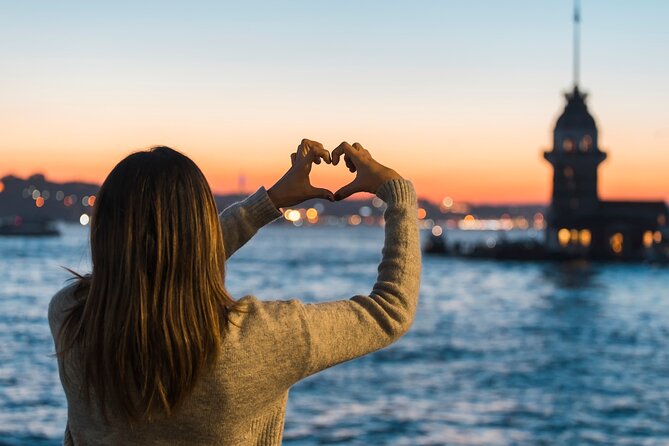
- English audio guide on a phone helps you follow what you’re seeing without guessing
- Dolmabahçe Palace, palaces, and fortresses all show up along one short loop
- Bosphorus Bridge and Fatih Sultan Mehmet connect Europe and Asia in visible, memorable ways
- Rumeli Fortress and Anadolu Hisarı explain why this strait mattered so much
- Hop-on hop-off style options (if you use the system) can stretch your day beyond one hour
Why this one-hour Bosphorus cruise is a smart use of limited time
If your Istanbul days feel packed, this is the kind of activity that helps you breathe and still see the big hitters. In about an hour, you cover famous waterfront landmarks that you’d normally scatter across multiple neighborhoods and transport rides.
The value is also in the format. You get an audio guide (available in English) so you’re not stuck reading signs while you’re on a moving boat. And because the group max is 100, it generally feels manageable rather than chaotic.
The tradeoff is simple: you’re not entering the palaces or fortresses. You’re learning what they are and soaking up the perspective—especially the way the shoreline looks from the water, where the city’s layout makes more sense.
You can also read our reviews of more tours and experiences in Istanbul.
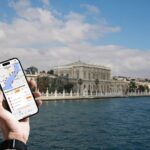


Getting started at Kabataş: mobile ticket, easy meeting point, and the audio guide rhythm
Your meeting point is at Dentur Avrasya Kabataş İskelesi (near Ömer Avni, Meclis-i Mebusan Cd. No:34, 34427 Beyoğlu). The activity ends back at the same spot, which is a nice way to keep your day from turning into a logistics puzzle.
You’ll use a mobile ticket, which is convenient if you’re already carrying screenshots, passes, and contact info on your phone. Before you board, make sure your battery is topped up, because the audio guide experience depends on having your phone ready.
Here’s the practical part: the audio guide works as a guided “story layer” while you watch. When you can, pick a seat where you can see the next landmark as the narration cues it. If you’re sensitive to motion, try to choose the most stable spot on the boat (often mid-area is calmer than the edges on typical vessels).
Dolmabahçe Palace from the water: European flair meets Ottoman power
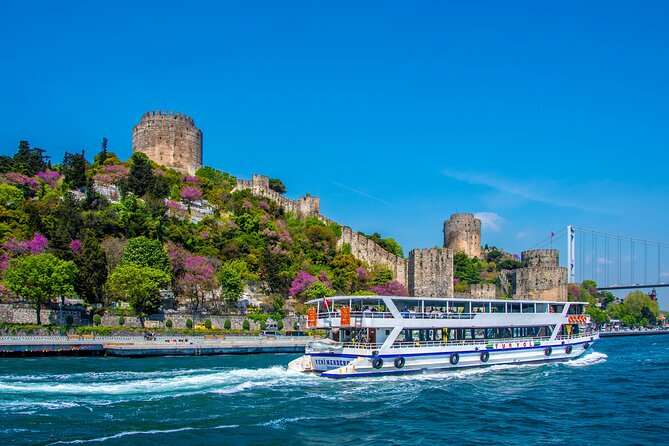
Dolmabahçe Palace is one of those Istanbul sights that looks like it belongs on a grand boulevard in a European capital—yet it’s clearly Ottoman-era ambition. When it comes into view, the audio guide focuses on the palace’s shift toward a more European style in the late 19th and early 20th centuries.
What you can look for from the water:
- Giant crystal chandeliers (you may not see every detail, but the “wow” factor shows even from a distance)
- Marble staircases and ornate interiors signaled by the palace’s overall grandeur
- The contrast between palace opulence and the Bosphorus setting
A fair caution: you’re seeing the palace as a viewpoint landmark. If you’re the type who wants to study rooms, carpets, and staircases up close, plan on a separate palace visit later.
Still, this cruise does something helpful. It gives you a clean, visual reference point for where Dolmabahçe sits and how the Bosphorus frames it.
Ortaköy Mosque and the shoreline drama around the Bosphorus Bridge
Ortaköy is a waterside neighborhood where the vibe tends to feel social and alive. The major sight featured here is Ortaköy Mosque (Ortaköy Cami), described through a mix of baroque and neoclassical influences.
From the boat, the mosque reads like a focal point on the waterfront—useful if you like to understand Istanbul by landmarks you can instantly recognize from postcards and photos.
Then the Bosphorus Bridge (Bogazici Köprüsü) enters the story. This bridge is a big deal because it connects Europe and Asia across the strait. When it opened in 1973, it measured about 1,560 meters long (1,560-meter figure is tied to the bridge’s well-known size). Even if bridge rankings have changed over time, it still has that unmistakable “this is a turning point” presence.
If you like to understand Istanbul’s geography, this is where the cruise earns its keep. You see the physical link, not just the idea of “two continents.”
Rumeli Fortress and Anadolu Hisarı: why the Ottomans cared about this narrow channel
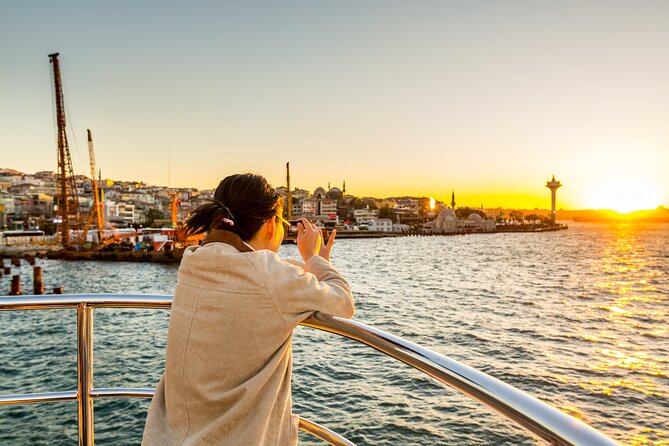
The audio guide doesn’t treat the strait like a pretty backdrop. It explains why the Bosphorus mattered strategically—especially during the fall of Byzantine Constantinople.
Rumeli Fortress appears as a 15th-century structure built over only four months. The story emphasizes its role alongside Anadolu Hisarı (also included on the cruise route). Together, these fortresses functioned like choke points: the Ottomans used them to cut off aid and supplies to Constantinople.
Two practical notes for how to enjoy this section:
- Even from the water, keep an eye out for the fortress silhouette and how it sits at the edge of the shoreline.
- Listen for the way the audio frames Rumeli and Anadolu as a pair, because the Bosphorus isn’t wide—it’s a narrow corridor with history compressed into it.
Today, Rumeli Fortress serves as an open-air theater as well as a historical site. You may not attend a performance from this cruise, but it helps to know the place hasn’t become “dead museum space.” It has a continuing role in public life.
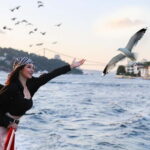
The second bridge lesson: Fatih Sultan Mehmet connects the city’s sides
One fun “wait, I didn’t realize that” part of Istanbul is that it took a long time to connect the two sides with bridges. After the Bosphorus Bridge in the 1970s, the second major unifying bridge—Fatih Sultan Mehmet—came later, in 1988.
The cruise narration ties Fatih Sultan Mehmet to Istanbul’s O-2 highway, which helps you understand why the city’s modern transportation system is built around these crossings. From the boat, the idea becomes much clearer: the bridges aren’t just monuments; they’re part of the daily movement of people and goods.
If you want to get your bearings fast, this is a great moment to mentally map Europe-side and Asia-side neighborhoods to something physical you can see.
Emirgan Park: a nature pause on an urban shoreline
Not every Bosphorus view is stone and fortifications. Emirgan Park (Emirgân Korusu) gives you a calmer look at the shoreline—one of Istanbul’s larger green spaces.
The audio guide highlights why Emirgan is popular on weekends: it’s a go-to spot for things like jogging trails and picnic areas. It also becomes especially famous in April, when it’s the main venue for the Istanbul Tulip Festival.
From the water, you may not be stepping onto the grass, but seeing the park breaks up the mental pattern of palaces and walls. It’s a reminder that Istanbul’s “two-continent” drama also has room for daily leisure.
If parks are your thing, this stop can also spark a plan: you’ll know where to return later on a sunny day.
Küçüksu Palace and Beylerbeyi Palace: Ottoman summer residences with Western touches
The cruise treats the palaces like a repeating theme: Ottoman rulers built impressive summer residences along the water, and the city’s European-facing direction shows up in the design.
Küçüksu Pavilion (Küçüksu Kasrı)
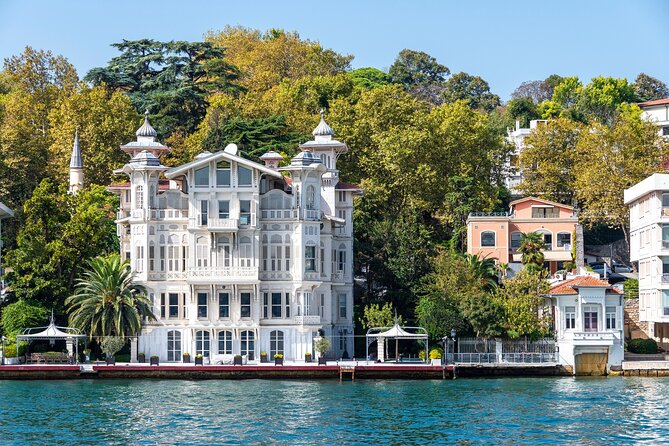
Küçüksu Palace was commissioned in the mid-19th century by Sultan Abdulmecit, and it’s described as a summer palace. The design blends European and Ottoman influences, with details that stand out even when you’re seeing them from a distance: intricate carved exterior work, sweeping staircases, gilded interior accents, and chandeliers.
The practical takeaway: if you like architecture, this part of the cruise helps you spot stylistic “tells” for Ottoman court life as it adapted to European aesthetics.
Beylerbeyi Palace (Beylerbeyi Sarayı)
Next is Beylerbeyi Palace, described as a summer residence historically located in the shadow of Istanbul’s first bridge. The audio guide emphasizes how the palace’s rooms mix Ottoman and Western decoration, including European 19th-century furniture and garden pavilion elements.
From the Bosphorus, Beylerbeyi’s exterior is the main event. It’s a strong stop for photos, but even more useful for orientation—once you’ve seen it from the water, you’ll understand where it sits relative to the bridge and the shoreline.
A key reminder: because the cruise doesn’t include interior time at palaces, enjoy this section as a “see it, learn it, then decide if you want more.”
Hop-on hop-off style flexibility: good when your day changes
One review-style detail that matters for real planning: the boat experience can work like a hop-on hop-off system, so you can potentially use it to visit multiple destinations on the same day. That’s great if you arrive in Istanbul with a rough itinerary and then adjust based on weather, energy, or what you discover nearby.
In your case, you might choose to do the whole loop in one go, especially if your schedule is tight. The upside of doing the full cruise is that you won’t have to worry about timing later.
Either way, treat it as an easy moving base. Istanbul is full of stops, and a boat lets you avoid some of the traffic headache while still getting the signature Bosphorus views.
Price and value: is $18.10 worth it for a one-hour cruise?
At $18.10 per person, this cruise is priced as a budget-friendly way to get an Istanbul “greatest hits” overview without committing your entire day. The value comes from what’s packed into the time: palaces, mosques, fortress history, and both bridges, all narrated in English.
The honest evaluation:
- Worth it if you want context and photos in a short window
- Worth it if you’re mapping the city and want a mental model of where everything sits
- Less worth it if you expect deep museum-style time inside buildings
Also, since it requires good weather and can be rescheduled or refunded if conditions are poor, you’re not just paying for the ride—you’re paying for a viewpoint that only works when the water and visibility cooperate. If you’re booking for a day with clear weather, the odds are on your side.
Timing, comfort, and what to expect once you’re on the boat
This cruise is designed to be on time and run smoothly, which matters in Istanbul where even a short delay can cascade into schedule trouble. The duration is about one hour, so don’t plan right afterward for something that needs a long lead-in.
Group size is capped at 100, which generally keeps things from feeling like a cattle-car situation. Still, it’s a boat, so you should show up ready for a moving environment: bring sunglasses, consider a light layer, and keep your phone secured while you’re enjoying the view.
One consideration from real-world expectations: don’t assume everything onboard will feel brand-new or perfectly maintained. If you’re very picky about window quality or interior comfort, mentally lower expectations a notch. The experience is about the views and the narration, not luxury furnishings.
Who should book this Bosphorus cruise (and who might want something else)
I think this cruise is best for:
- First-time Istanbul visitors who want a fast geography and landmark overview
- Travelers who enjoy learning through an audio guide instead of reading in the heat
- People with limited time who still want to see both the European and Asia-side “big symbols”
- Anyone who wants a simple outing that returns you to the starting point
It’s also a practical choice because it’s offered in English, service animals are allowed, and it’s near public transportation.
Consider something else if:
- You want hands-on time inside palaces or forts
- You’re looking for long, in-depth guided explanations at each stop
- You prefer experiences that include guided walking tours rather than a moving viewpoint
Should you book this Istanbul Bosphorus sightseeing cruise?
If you’re trying to get your bearings and you like the idea of learning while you look, I’d book it. For $18.10, an hour of Bosphorus scenery plus an English audio track covering Dolmabahçe Palace, Ortaköy Mosque, both bridges, Rumeli Fortress, Anadolu Hisarı, Emirgan Park, Küçüksu Palace, and Beylerbeyi Palace is a solid deal.
But if your dream Istanbul day is all about entering buildings and spending time in courtyards and rooms, treat this as a “preview.” Then add palace time on land later.
My rule of thumb: book this when you want a straightforward, time-efficient cruise that makes the rest of your Istanbul planning easier.
FAQ
How long is the Istanbul Bosphorus sightseeing cruise?
It runs for about 1 hour.
What language is the audio guide offered in?
The experience is offered in English. The audio guide is available via a mobile phone app with audio in multiple languages.
Where do I meet the tour?
The meeting point is Dentur Avrasya Kabataş İskelesi at Ömer Avni, Meclis-i Mebusan Cd. No:34, 34427 Beyoğlu/İstanbul. The cruise ends back at the same meeting point.
Is a mobile ticket used?
Yes. You’ll have a mobile ticket.
Is it suitable for most people?
Yes, most travelers can participate. It’s also noted that service animals are allowed and the meeting point is near public transportation.
What if the weather is bad?
This experience requires good weather. If it’s canceled due to poor weather, you’ll be offered a different date or a full refund.
Is there a cancellation window?
You can cancel for a full refund if you cancel at least 24 hours before the experience starts. Changes within 24 hours aren’t accepted, based on local time.