REVIEW · TURIN
Turin: Entrance ticket for Palazzo Reale & audioguide
Book on GetYourGuide →Operated by NEEDITALY · Bookable on GetYourGuide
Turin’s Savoy palace rewards slow walking. This ticket bundles smartphone audio in 7 languages with Royal Palace entry, so you can explore at your own pace and still get the story behind the rooms. It’s a practical way to see why the Palazzo Reale matters in Piedmont, from the palace layout to the theatrical spaces inside.
I like that the audio doesn’t just talk about the palace—it covers Turin and its monuments too, so you get context before you go. I also like the clear room flow built around the signature highlights, like the Chinese Cabinet and the staircase route upward. One thing to watch: if the audio download is tricky or the track timing feels off in certain halls, you’ll want to use the room signs as a backup.
In This Review
- Key things to know before you go
- A ticket that turns Turin into an audio walk
- What you actually get: entrance to Palazzo Reale plus a 7-language audio guide
- Where Palazzo Reale fits in: the Savoy palace you can’t skip in Turin
- Piano Nobile: representative rooms and the Chinese Cabinet
- Scala delle Forbici: Juvarra’s marble staircase that feels light
- Private Apartments and the Gallery of Daniel
- Queen’s apartments: dining room, alcove room, Throne Room, Ballroom
- Royal Armoury: centuries of armor, including Bonaparte’s sword
- Price and time: is $46 worth it for 3 hours of palace entry?
- Before you step inside: how to avoid the most common audio headaches
- Who this Palazzo Reale audio ticket suits best
- Should you book this Royal Palace audio ticket?
- FAQ
- How long does the Palazzo Reale visit take with this ticket?
- What languages are included in the audio guide?
- Are headphones included?
- Where do I get the tickets and audio guide access codes?
- Can I bring food, drinks, or pets?
- Is the Royal Palace wheelchair accessible for this experience?
- What happens for children ages 10–17?
Key things to know before you go

- 7-language audio (city + monuments) you can choose right on your phone
- Royal Palace entry included—you don’t have to hunt down a separate ticket
- Piano Nobile first for the representative Savoy rooms
- Filippo Juvarra’s Scala delle Forbici for an easy-to-follow upward route
- Queen’s apartments to Royal Armoury for a satisfying full circuit
- No headphones included, so plan to use your own
A ticket that turns Turin into an audio walk
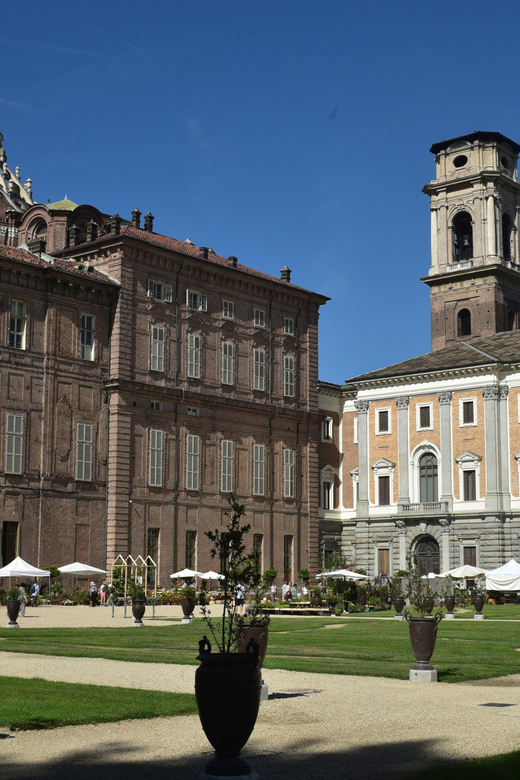
This experience is built for independent sightseeing. You download the audio guide to your smartphone, pick the parts related to the Royal Palace, and follow a route through some of the most important rooms of the Savoy residence in Piedmont. It’s especially useful if you don’t want to rely on your own guesswork to understand what you’re seeing.
The palace itself is a UNESCO World Heritage Site, and the audio is meant to help you read that “grand residence” feeling as something specific: rooms built for court life, changes over time, and famous names that keep showing up in the architecture and collections. If you’re the kind of person who likes to know what a room was for before you wander off, this format fits well.
The biggest advantage is that you can stop, turn around, and go at your pace. No waiting for a group, no rushing from one chamber to the next. Your only real responsibility is to get the audio running on your device before you enter.
You can also read our reviews of more tours and experiences in Turin.

What you actually get: entrance to Palazzo Reale plus a 7-language audio guide
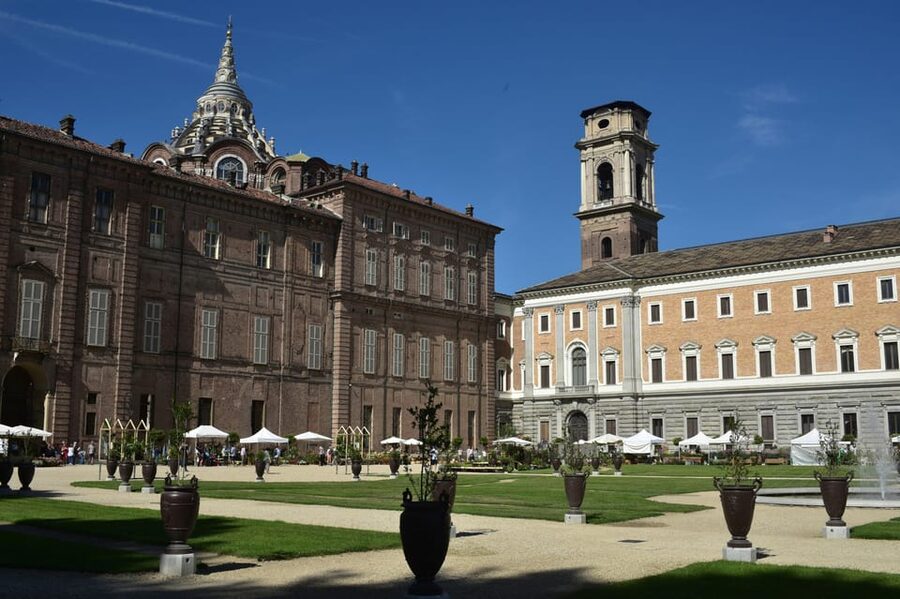
You’ll receive tickets and audio access codes by email within the day before your visit. The ticket confirmation alone is not your entry permission, so you’ll want the actual emailed tickets available on your phone or in print. If you can’t find the email, you call the provider for help.
The audio guide covers the city of Turin and its monuments in seven languages: Italian, English, French, German, Spanish, Traditional Chinese, and Russian. Then, once you’re inside, you select the audio content related to the Royal Palace, using your entrance ticket to move through the palace halls.
Two practical notes matter a lot:
- Headphones are not included. Bring your own if you want audio without disturbing anyone.
- The palace visit is roughly 3 hours. That’s long enough for a full circuit if you move steadily, but it can feel short if you stop often to read and re-listen.
Where Palazzo Reale fits in: the Savoy palace you can’t skip in Turin

The Royal Palace of Turin was the monumental seat of the Savoy dynasty in Piedmont, and that role shapes everything you’ll see inside. You’re not just walking through rooms that look impressive. You’re moving through spaces tied to power, ceremony, and changing tastes from one reign to another.
The visit starts in the Piano Nobile, the main floor where representative rooms are located. From there, the route climbs using one of the palace’s standout architectural moments—Filippo Juvarra’s Scala delle Forbici. That staircase isn’t just a way to get upstairs. It’s part of the experience, because the audio and room flow are designed to guide you from big statement spaces into more intimate (yet still ceremonial) court life.
The palace also ends with something very physical and dramatic: the Royal Armoury. That contrast—between polished court rooms and rows of armor—helps the whole visit feel complete.
Piano Nobile: representative rooms and the Chinese Cabinet
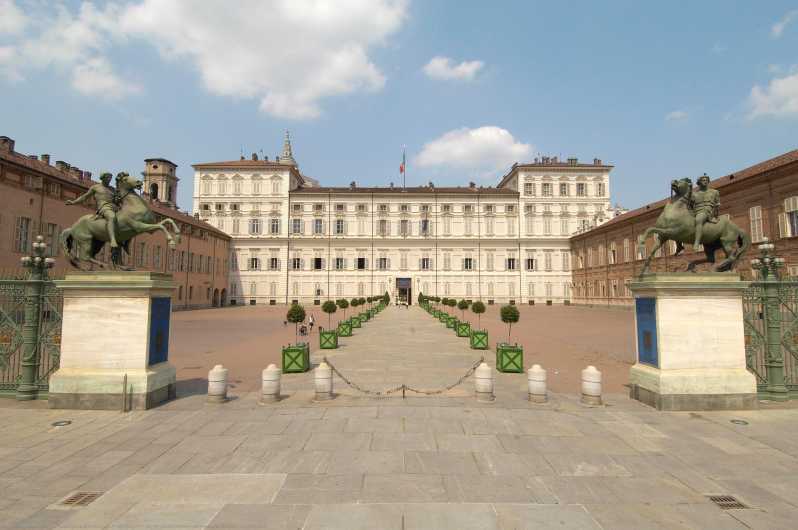
Once you enter, you’ll be on the Piano Nobile. This is where the palace does its “first impression” work. Expect representative rooms and environments of particular value, presented in the kind of layout that makes you understand why a residence like this mattered on a political and cultural level.
One of the specific highlights is the Chinese Cabinet. The name tells you it’s something special, and that’s the point: court life here wasn’t only about tradition. It also included collecting, display, and fascination with far-off styles, packaged into carefully curated rooms.
If you like structure to your visit, this starting point helps. You can hear the historical explanations while you’re standing where they apply. If your audio track feels slightly out of sync, don’t panic—use the room signs to stay oriented, then resume the audio narration for the next space.
Scala delle Forbici: Juvarra’s marble staircase that feels light
To reach the second floor, the route takes you via Scala delle Forbici, one of Filippo Juvarra’s greatest masterpieces. The staircase is described as imposing, but also light and sinuous—meaning it visually changes how “heavy” the movement feels.
This is a great moment in the visit because the palace shifts from “rooms as exhibits” to “architecture as a story.” Even without any audio, the staircase is a natural reset point. With audio, it helps you connect the craft of the building to the court’s taste for dramatic, controlled spectacle.
Plan a slow pace here. People often hurry stairs and miss the details. Even if you don’t want to linger, taking an extra minute at the center viewpoint makes the staircase click as part of the palace experience rather than a passageway.
Private Apartments and the Gallery of Daniel
After the staircase, your visit continues in the Private Apartments of the King. These rooms were renovated in the 1800s by the will of King Charles Albert, while retaining earlier furniture and furnishings. That detail matters because it tells you the palace is not frozen in one moment—it’s a living collection, shaped by successive preferences.
From there, the route is interrupted by the Gallery of Daniel, one of the best-preserved Baroque rooms in the palace. Baroque galleries tend to be about rhythm and visual movement, and this one earns attention through its preservation. If you enjoy rooms where light, ornament, and scale work together, this is the kind of stop that can pull you in even if you’re not a “room collector.”
This section is also where your audio choice matters. If you select the correct palace content before you enter, the narration should connect better to what you’re standing in. If you suspect mismatch, keep using the room signs as your compass and treat the audio as your background guide rather than a strict script.
Queen’s apartments: dining room, alcove room, Throne Room, Ballroom
Next comes the Queen’s apartments. This part of the palace adds more ceremony and more intimate court spaces, including the dining room and the Alcove Room. The Alcove Room is especially memorable because once there was the wedding bed—an unusual detail that turns the room from “decor” into an actual piece of lived court drama.
The route then brings you to two rooms with a more solemn atmosphere: the Queen’s Throne Room and the Ballroom. Throne rooms are designed to project authority, so even if you only stay a few minutes, you’ll feel how the space is built for presence. Then the Ballroom shifts the mood into something more social and performance-like, still within a palace designed for display and control.
If you’re traveling with someone who wants “the key rooms only,” this Queen’s section is a solid place to decide what you’ll slow down for. It’s the part of the route most people remember because it’s both decorative and symbolic.
Royal Armoury: centuries of armor, including Bonaparte’s sword

The visit ends in the Royal Armoury, described as one of the richest in the world. This is one of those collections that works in two ways: it’s visually intense, and it also adds a different kind of historical weight to the palace.
You’ll see armor spanning several centuries, and the audio highlights Napoleonic relics, including the sword that belonged to Bonaparte. That connection bridges the palace’s Savoy identity with the larger European story of power and conflict.
This ending matters because it gives you a final “anchor.” After walking through rooms tied to court life, the armour turns history into something physical—metal shaped by specific needs, carried by individuals, and preserved through time. It’s a strong way to close your 3-hour loop.
Price and time: is $46 worth it for 3 hours of palace entry?
At $46 per person for about 3 hours, you’re paying for two things:
- Entrance tickets to the Royal Palace
- A multilingual smartphone audio guide covering Turin monuments and the palace route
That can be good value if you’ll actually use the audio. If you’re someone who likes explanations as you go, the audio turns the visit from “pretty rooms” into “I understand what I’m seeing.” Also, the language list is practical: you’re not limited to one language if you’re traveling with mixed-language companions.
But there’s a cost-risk tradeoff. Your experience depends on your phone, your ability to download and open the audio content, and the fit between the track and the rooms you’re in. If you end up using mostly the signage, you might feel like the bundle cost was higher than you needed.
One more practical detail: since headphones aren’t included, you should assume you’ll need your own. If you don’t have them, add that time and hassle to your mental math.
For kids aged 10–17, a ticket isn’t provided, but the audio guide is provided. So families may treat this as an audio-based admission value, but you’ll still want to plan how your child will listen and follow the route.
Before you step inside: how to avoid the most common audio headaches
Smartphone audio is convenient, but it’s also fragile. The most important prep is simple: make sure you can download and access the audio on your device before you’re deep into the palace. You’ll get the codes by email the day before, so you’re not stuck guessing on arrival.
Two issues are worth planning for:
- Download access can be hard if the access page is confusing or the code entry doesn’t work smoothly.
- The audio may not perfectly match every room timing, so you might hear narration that doesn’t feel like it matches exactly what you’re looking at.
Here’s how you keep control:
- Bring your own headphones so you can hear clearly without turning the phone speaker up.
- When you enter, start with the palace selection and then use the room signs if the audio feels slightly off.
- Treat the audio as guidance for context, not as an unbreakable script. The palace is still navigable by its layout, and your eyes will correct the sequence quickly.
Also note what the palace rules expect. Food and drinks are not allowed, and pets aren’t allowed (assistance dogs are allowed). Wheelchair access is available, so if mobility is a factor, this visit is designed to be reachable.
Who this Palazzo Reale audio ticket suits best
I’d put this in the “best for independent, language-friendly palace lovers” category.
It’s a strong fit if you:
- Want 7-language audio instead of a single-language guide
- Like architectural highlights, especially the staircase route and big ceremonial rooms
- Prefer self-paced sightseeing for about three hours
- Enjoy knowing details like the Chinese Cabinet story or the Napoleonic relic connection before you look
It may be less satisfying if you:
- Want a live guide to correct you in real time
- Expect the audio to match every room perfectly without relying on signage
- Don’t want to deal with smartphone access, downloads, and headphones
In other words, if you’re comfortable using your phone as a tool, you’ll likely get more out of this ticket. If you’d rather show up and rely on your own reading, it can still work, but the price becomes harder to justify.
Should you book this Royal Palace audio ticket?
Book it if you’ll actually use the smartphone audio and you want an efficient, language-friendly way to cover the Royal Palace highlights in one go. The mix of Piano Nobile representative rooms, Juvarra’s Scala delle Forbici, the Queen’s chambers, and the Royal Armoury gives you a full sense of the palace in one visit.
Skip or rethink it if smartphone audio logistics stress you out, or if you’re the type who needs perfect room-by-room alignment to enjoy a museum. In that case, consider whether you want to pay specifically for the audio—because if it doesn’t match what you’re seeing, the signage becomes your main guide anyway.
FAQ
How long does the Palazzo Reale visit take with this ticket?
The experience is set for about 3 hours. You can check availability to see starting times.
What languages are included in the audio guide?
The audio guide is available in English, French, German, Russian, Spanish, Italian, and Traditional Chinese.
Are headphones included?
No. Headphones are not included, so you should bring your own if you want to listen comfortably inside.
Where do I get the tickets and audio guide access codes?
You’ll receive the tickets to enter Palazzo Reale and the codes for the audio guide by email within the day before your visit.
Can I bring food, drinks, or pets?
Food and drinks are not allowed. Pets are not allowed, but assistance dogs are allowed.
Is the Royal Palace wheelchair accessible for this experience?
Yes, the experience is wheelchair accessible.
What happens for children ages 10–17?
For the Child (10–17 years) ticket type, no ticket is provided, but the audio guide will be provided.