REVIEW · FLORENCE
Florence: Best Of – with Tour Leader & Multilingual Audio Guide
Book on Viator →Operated by ACCORD Italy Smart Tours & Experiences · Bookable on Viator
Florence feels like a maze until someone makes it make sense. This small-group walk strings together the city’s biggest sights with a professional tour leader, plus earphones and multilingual audio so you can follow along without craning your neck.
Two things I really like: the route hits major landmarks you’d otherwise fight crowds to find, and the guide format is built for listening—so you get clearer context at each stop, not just photo ops. I also like that guides such as Yaniel, Isabella, Natalia, Claudio, and Valeria show up with the kind of energy that turns a short walk into real orientation for your next day.
One possible drawback: it’s a highlights tour with many stops, so you’ll be moving at a steady pace. If you want long, unhurried time at any single place, this may feel a bit fast.
In This Review
- Key highlights worth your attention
- The real value of a Florence Best Of walking tour
- Route logic: how the walk helps you not get lost
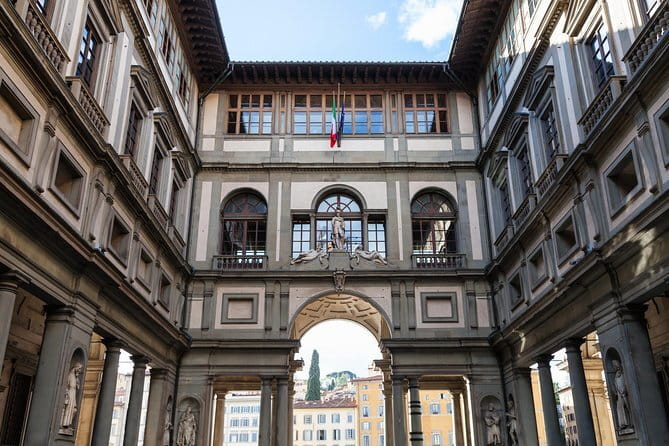
- Stop 1 at Le Gallerie Degli Uffizi: start with the river view
- Piazza della Repubblica: the easy pause in the middle of it all
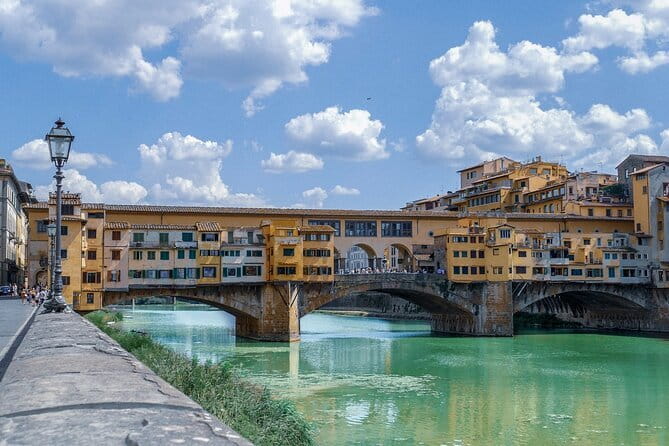
- Ponte Vecchio: the bridge that survives everything
- Palazzo Vecchio and Piazza della Signoria: power, politics, and art
- Cathedral area: Santa Maria del Fiore without ticket stress
- Via de’ Tornabuoni: the city’s “living room” vibe
- Santa Croce: where Florence stores big names
- Museo del Bargello: Renaissance sculptures on a smart detour
- Lunch included: when it happens depends on your group
- Palazzo Pitti and its stop-at-a-glance power
- Where the tour ends: Piazza del Mercato Nuovo and Fontana del Porcellino
- Small-group style: why max 15 can feel better
- Listening tools: earphones and multilingual audio in practice
- Price and what’s included for $17.54
- Who this Florence Highlights walking tour is perfect for
- Who should look at other options
- Should you book this Florence highlights tour?
Key highlights worth your attention
- Small group (max 15) for easier listening and less time lost in the crowd
- Earphones + multilingual audio designed to keep the story clear as you walk
- Big exteriors, quick context at places like Ponte Vecchio and the Duomo area
- Straightforward, family-friendly route through central Florence
- Included lunch (Florentine schiacciata or a charcuterie board, depending on your option)
- A guided finish at Piazza del Mercato Nuovo near the Fontana del Porcellino
The real value of a Florence Best Of walking tour
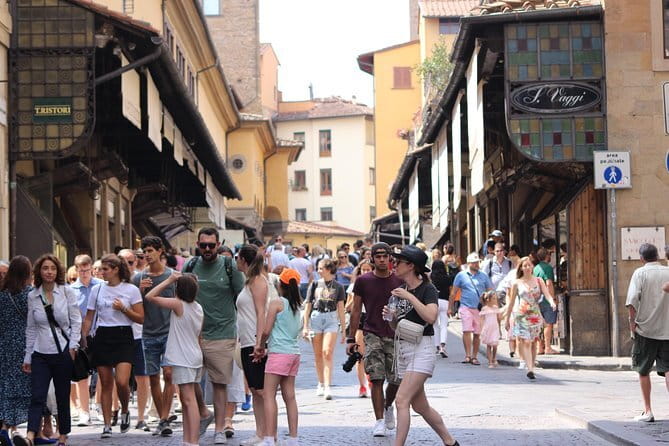
If you only have a day or two in Florence, you’ll feel it fast: the city looks gorgeous from every angle, but the layout can be tricky. This kind of walking tour is useful because it gives you a mental map while you’re still fresh, before you start wandering on your own.
At about 2 hours 30 minutes, you get a concentrated loop through central highlights. It’s not about sitting in one spot and reading plaques all day. It’s about learning what you’re looking at—then using that knowledge immediately.
The price point (about $17.54 per person) also matters. You’re paying for time-saving guidance, earphones, and curated storytelling. Since no entry tickets are included, you’re not being upsold into paid attractions you might not even want.
You can also read our reviews of more tours and experiences in Florence.

Route logic: how the walk helps you not get lost
The tour starts at Piazza di Madonna degli Aldobrandini 8 and ends at Piazza del Mercato Nuovo, near Fontana del Porcellino. That matters because you finish in a very central, recognizable area with plenty of “where do we go now?” options.
This also helps with pacing. You’re not doubling back to reach each landmark from scratch. You’re moving through a cluster of Florence’s classic sights in a way that makes the old town feel connected, not random.
Because it’s a walking tour, wear shoes you’ll be happy in for a couple hours. Florence can be all cobblestones and sudden inclines, and the experience is at its best when you don’t have to constantly stop to catch your breath.
Stop 1 at Le Gallerie Degli Uffizi: start with the river view
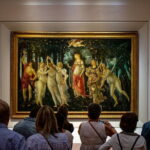
You begin with Piazzale degli Uffizi, right in front of the Uffizi Gallery. Even if you’re not going inside, the square gives you a big-picture moment: the Arno River and the historic center spread out around you.
This is a great first stop because it sets scale. Florence’s art life didn’t appear out of nowhere—its power and culture are tied to what’s visible from its key viewpoints. You’ll get a sense of where the city’s “anchors” sit before the walk tightens into smaller streets and plazas.
A small consideration: admission isn’t included here, so don’t book this tour expecting to enter the Uffizi. Use it to frame your plans for later if you want museum time.
Piazza della Repubblica: the easy pause in the middle of it all
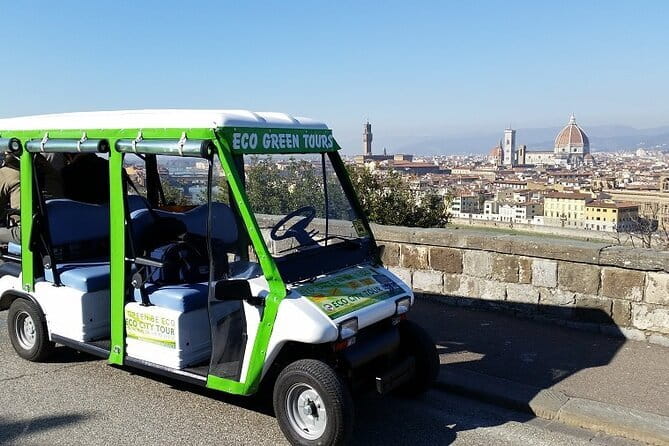
Next up is Piazza della Repubblica, one of Florence’s best places for a breather. The square’s arches and old-world feel make it a natural reset point—quick photos, quick people-watching, and a moment to catch up with what you just learned.
I like this kind of stop because it helps you process. You’re not constantly sprinting sight to sight. You’re stepping into an open space long enough to feel oriented again.
This stop is marked as free entry, and it doesn’t require tickets anyway. You’ll mostly be absorbing atmosphere and context here—exactly what a highlights tour should do.
Ponte Vecchio: the bridge that survives everything
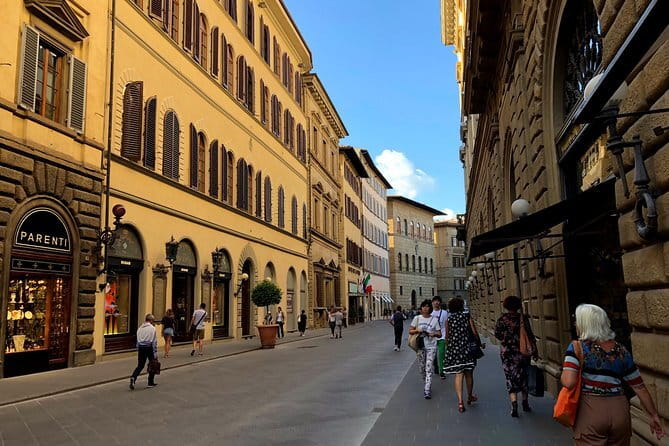
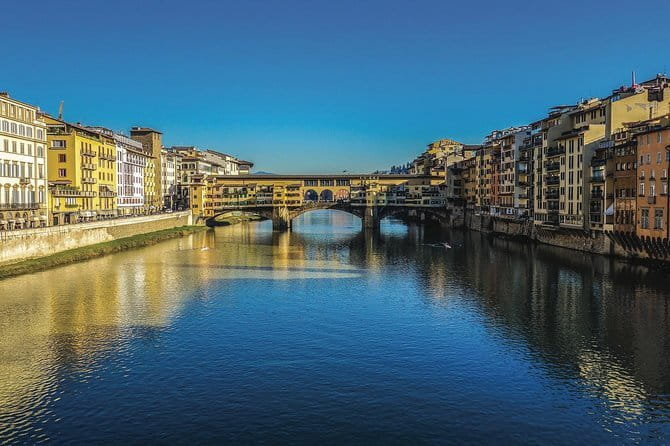
Then you reach Ponte Vecchio, the famous medieval stone bridge over the Arno. Shops line both sides, and even today the bridge feels like a live museum: old structure, practical purpose, and style layered on top of each other.
What makes Ponte Vecchio especially interesting is how long it has kept its role while the city around it changed. The bridge survived major hardships across the centuries, and it also transformed—from older trades to today’s jewelry-lined storefronts. That survival story gives you more than a pretty view; it gives you a reason to care.
This is also a practical photo moment. The Arno reflections and the skyline views are easy to capture, and you can see why the bridge became symbolic for Florence’s craftsmanship.

Palazzo Vecchio and Piazza della Signoria: power, politics, and art
From Ponte Vecchio, you move toward the center of civic life: Palazzo Vecchio and Piazza della Signoria. Even without entering the building, you’ll get the point of this place. It’s bold, heavy, and designed to project authority.
Outside Palazzo Vecchio, the clock tower and stone façade dominate the square. This is the kind of architecture that tells you what the city valued—strength and control—long before you ever study Medici-era politics.
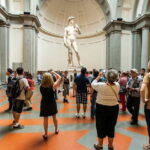
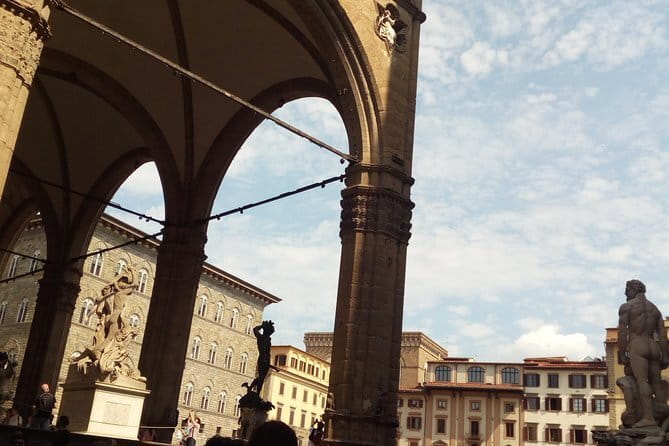
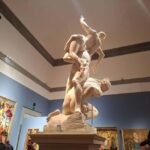
Then you’re in Piazza della Signoria, where multiple layers of Florence stack together. You get the feel of a public square that historically hosted major civic functions, and today still functions as a meeting place for art and tourists alike. The square also includes well-known sculptures like a replica of Michelangelo’s David, plus the Fountain of Neptune.
One thing to keep in mind: admission isn’t included for Palazzo Vecchio. Plan for exterior viewing plus guidance, then decide later if you want to go inside during a separate museum day.
Cathedral area: Santa Maria del Fiore without ticket stress
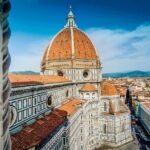
You’ll also stop at the Cathedral area, centered on Piazza del Duomo with Santa Maria del Fiore. This is where Florence’s skyline becomes instantly recognizable, especially thanks to Brunelleschi’s dome and the clustered architecture around it.
You’ll likely also see the Baptistery of St. John and Giotto’s Campanile as part of the overall cathedral ensemble. Even when you don’t go inside, the area works because it gives you a clean sense of how the city built one huge artistic statement for worship, identity, and spectacle.
Like other ticketed sites on this route, admission isn’t included. So if your goal is to climb, enter, or tour interior spaces, you’ll need separate planning for that. For many first-timers, that’s actually a win: you leave the decision flexible.
Via de’ Tornabuoni: the city’s “living room” vibe
Next, you walk through Via de’ Tornabuoni, a refined street connecting central squares and moving you from major landmarks into daily elegance. The street is known for noble palaces and luxury shopping—think high-end fashion and jewelry boutiques.
This stop is useful even if shopping isn’t your thing. It shows you another side of Florence: the city isn’t only museums and churches. It’s also style, commerce, and restored grandeur tucked between the big sights.
If you enjoy window-shopping and want a break from the heaviest photo stops, this is a good place to slow down for a minute—just stay aware the tour is moving.
Santa Croce: where Florence stores big names
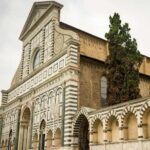
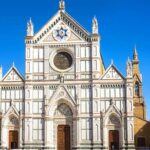
Later on, the walk includes Basilica di Santa Croce, a Franciscan church with Gothic character. This stop stands out because it’s not just about architecture. Santa Croce is famous for tombs of major figures such as Michelangelo, Galileo, and Machiavelli.
You’ll also see art connections woven into the story, including mentions of fresco artists like Giotto, plus the basilica’s well-known marble façade. Even if you don’t go deep inside on this tour, the guide context helps you understand why Santa Croce is treated as a cultural landmark, not just a church stop.
This is also a place where a short pause can feel bigger than it seems. The church carries meaning, and it’s the kind of stop where you might want to return later if you enjoy the arts and famous names.
Museo del Bargello: Renaissance sculptures on a smart detour
Another major stop is Museo del Bargello, housed in a former medieval palace that served as town hall and prison. That background matters because it changes how you picture the building when you’re looking at sculptures and decorative arts.
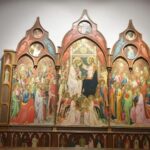
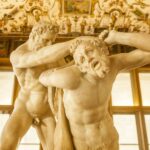
Bargello is tied to Renaissance sculpture with works by artists such as Donatello, Michelangelo, and Verrocchio. The museum is also described as having decorative arts like ceramics, textiles, and weapons.
Since this is a walking tour with no admission tickets included, you won’t treat this as a “stand in line and enter” moment. But the stop gives you a clear reason to add it later, and you’ll understand what you’re aiming for if you do.
Lunch included: when it happens depends on your group
A good part of the value is that lunch is included, either Florentine schiacciata or a charcuterie board, depending on your option. The exact timing can shift during a walking tour like this, so follow your guide and don’t wander far when the group pauses.
This lunch piece matters because it prevents the common first-day problem: you see the sights, you skip food, and then you’re too tired to enjoy anything after. Here, the walk is designed to keep you fueled.
Palazzo Pitti and its stop-at-a-glance power
The route also includes Palazzo Pitti, a big Renaissance palace connected to powerful families over time. Even just viewing it from outside gives you a sense of the scale of Florence’s seat of power, since it later became the home of the ruling Grand Dukes of Tuscany and then the Italian royal family.
This stop is especially useful if you’re curious about Florence’s art spread beyond the postcard giants. Palazzo Pitti’s related museum world is tied to collections like the Palatine Gallery and it’s also linked to the Boboli Gardens.
No entry tickets are included here, so treat it as an orientation stop. If you want to see the paintings or gardens, this is the moment that helps you decide whether it should be on your “must do” list.
Where the tour ends: Piazza del Mercato Nuovo and Fontana del Porcellino
You finish at Piazza del Mercato Nuovo, near the Fontana del Porcellino. That ending is smart because this area is central, recognizable, and easy to navigate from even when you feel like you’ve seen the whole city.
Using the fountain as your landmark is practical. When you’re tired, landmarks keep you from wandering in circles. And when you’re energized, they help you aim your next stop with confidence.
If you’re wondering what to do immediately after, this ending gives you options for snacks, browsing, and a relaxing walk while your memory of the tour is still fresh.
Small-group style: why max 15 can feel better
This tour limits you to a maximum of 15 travelers, which is a real difference in a city center like Florence. In smaller groups, it’s easier to hear instructions, easier for the guide to keep track, and easier for you to ask a question without the group stretching too far apart.
Family friendly is also part of the promise. That said, this is still a walking tour through uneven streets, so pack water and plan for short transitions rather than long rests.
Also note: service animals are allowed, and the tour is near public transportation. If you’re trying to fit Florence into a tight schedule, that flexibility can matter.
Listening tools: earphones and multilingual audio in practice
One of the most practical features is that you get earphones so you can hear the guide clearly. The tour also includes multilingual audio content created by an art historian—so you get a consistent story while the guide leads in your chosen language.
In a city like Florence, noise is everywhere: street traffic, voices, and overlapping tour groups. Earphones help. They also help you pick up details without having to physically lean in.
A consideration: if a guide’s spoken English is hard for you to follow, it can impact enjoyment. This is exactly the kind of tour where paying attention matters, because the value comes from connecting story to sight.
Price and what’s included for $17.54
At about $17.54 per person, you’re not paying for museum entry. You’re paying for the experience mechanics: a professional tour leader, the earphones, and the guided walk that groups key exterior landmarks into a single route.
You also get included lunch, either schiacciata or charcuterie, which adds real value. Food costs add up fast in Florence, and it’s good when it’s handled for you.
If your dream Florence day includes major museum interiors, you’ll still need separate tickets for those. But for getting oriented, seeing the highlights, and deciding what to add later, this price feels like it’s in the “smart starter” range.
Who this Florence Highlights walking tour is perfect for
This is a great fit if you’re:
- In Florence for a short window and want a clean overview
- Someone who likes learning context while you walk
- Comfortable exploring outdoors and viewing major landmarks from the outside
- Traveling with family and want a structured route
- Looking for included lunch without doing planning math all day
It’s also a good choice if you don’t want the stress of coordinating museum timings on your first day. This tour helps you get the city rhythm first.
Who should look at other options
If you want lots of time in one place—especially inside big-ticket museums—this might feel too fast. It’s designed as a highlights circuit, not a slow museum day.
And if you know you struggle with accents or you’re picky about audio clarity, pick this tour only if you feel confident you’ll enjoy listening while you move.
Should you book this Florence highlights tour?
Book it if you want a first-day orientation through Duomo area viewpoints, Ponte Vecchio, Palazzo Vecchio and Piazza della Signoria, plus Santa Croce and a loop toward Palazzo Pitti. The route makes sense, the group size stays manageable, and the earphones plus multilingual audio help you stay on track.
Skip it or pair it with extra planning if you’re already set on spending most of your time inside specific museums. Since no entry tickets are included, you’ll need separate plans for Uffizi, Palazzo Vecchio, Santa Maria del Fiore interior experiences, and the museums tied to the stops.
If you’re torn, a simple strategy helps: do this walk early in your trip, then use it as your map for which museum day to book next.