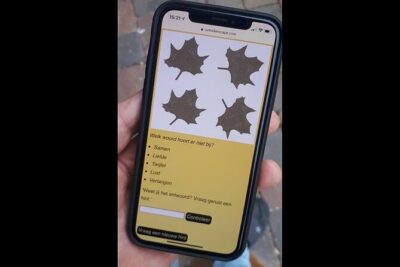
Utrecht sounds like a storybook on your phone. This self-guided audio walk uses VoiceMap to take you through Utrecht at your pace, starting near Hoog Catharijne and finishing by Janskerk.
I especially like the offline access angle, because you can download audio and maps ahead and then keep moving without constantly hunting for signal. I also like that the route threads in real neighborhood texture, including a classic city-centre market and plenty of chances to stop for a break.
One thing to watch: early directions can feel a bit too general, so you’ll want to keep the map handy at the start and trust the on-screen guidance.
In This Review
- Key highlights at a glance
- How the VoiceMap audio format works in Utrecht
- Starting outside Hoog Catharijne: easy to find, easy to begin
- The city-centre market stop: food culture and local rhythm
- The 1920s working-class museum: small stop, big meaning
- Jacobikerk and the faith stories in Utrecht’s neighborhood
- Oudaen Castle and the cellar craft brewery pause
- Neude Square: the post office you’ll want to look at twice
- The 400-year fabric market: old commerce, still going
- A boutique hotel with an eye hospital past
- Through the old university neighborhood: walking as your time machine
- Sculpture with lasting meaning, then north to a wartime bunker
- Ending near Janskerk and the Knights of Utrecht story
- Price and value: $8.99 for lifetime access and offline freedom
- What you’ll need to bring (and why it matters)
- Who this Utrecht audio walk is best for
- Should you book this self-guided Utrecht tour?
- FAQ
- How long is the Castles, Canals and Good Folk audio tour of Utrecht?
- Is the tour available in English?
- Does it work offline?
- Where does the tour start and end?
- Are tickets or museum entrances included?
- Can I get a refund if I cancel?
Key highlights at a glance
- Offline audio, maps, and geodata so you can explore with less stress
- English VoiceMap app built for a self-paced route
- City-centre market tasting vibes through the heart of Utrecht
- Top sights with story context: churches, Oudaen Castle, Neude Square
- Northern quarters stop-offs, including a wartime bunker
- A tidy finish near Janskerk, with cafes nearby
How the VoiceMap audio format works in Utrecht
This is a classic self-guided walking tour, but with smart software choices. You use the VoiceMap app on your Android or iOS phone, and you follow prompts that guide you stop by stop as you walk.
The practical win is that you can download everything first for offline access. That means audio keeps playing and maps keep working even if your connection gets flaky while you’re out in the neighborhoods.
The second win is pacing. You set the speed. Want to linger outside a church doorway or pop into a café for croquettes and a coffee? Go for it. The route is designed so you don’t feel rushed just to reach the next stop.
You can also read our reviews of more tours and experiences in Utrecht.


Starting outside Hoog Catharijne: easy to find, easy to begin
You’ll kick off outside the east entrance of Hoog Catharijne, at Hoog Catharijne P5 (Interparking) on Daalsesingel. It’s a helpful starting point because it’s near public transportation, so you’re not forced into a long commute before the tour even begins.
From there, you move on foot through central Utrecht, and the audio prompts are set up to help you relocate quickly if you drift a few steps off course. Still, I’d treat the first few minutes like a warm-up: check the map, then let the route “click.”
Also, since the tour runs roughly 1 hour to 1.5 hours, starting on time matters less than just staying aware of where you are on the map as you go.
The city-centre market stop: food culture and local rhythm
Next up is a stop that makes Utrecht feel like Utrecht fast: a small market area in the Dutch city-centre style. This is the kind of place where you can see what people actually buy and eat, not just what’s on a brochure.
If you want a quick win for orientation, markets do that. They give you clear visual anchors, and the smells and energy make it easier to settle into the day.
You’ll hear the audio guide set you up for what to look for, but you can also keep it flexible. If you want to grab something like fresh bread, cheese, or pickled herring, this is a natural place to do it.
The 1920s working-class museum: small stop, big meaning
A little farther along, the route includes a small but impressive museum focused on life in Utrecht’s working-class neighborhoods during the tough times of the 1920s.
This is one of the tour parts I’d call “breathing room for your brain.” Instead of just sightseeing buildings, you get a window into how people lived through a harder decade. It makes the streets feel less like a backdrop and more like a record of real communities.
One practical note: the tour doesn’t include museum tickets. If you want to go inside (and it sounds like you might), you’ll need to handle any entrance decisions yourself.
Jacobikerk and the faith stories in Utrecht’s neighborhood
Then the tour moves into religious history, starting with Jacobikerk—an important Protestant church in Utrecht. The audio introduces the idea that Utrecht has long played a key role in the Netherlands’ religious life, and it builds from there with neighborhood stories tied to faith and commitment.
This stop works well if you like seeing how architecture and belief overlap. Even if you’re not a church-historian type, the audio framing helps you notice details you might otherwise pass without thinking.
It also sets a mood shift. After the market and the museum, the walk becomes more reflective, with a quieter, more story-focused feel around the church and nearby streets.

Oudaen Castle and the cellar craft brewery pause
At Oudaen, you get a major landmark: a city castle built around 1276. That date alone makes the place feel solid under your feet, and the audio uses it as a bridge between Utrecht’s older layers and what you’re seeing now.
Oudaen is also a smart “break” stop. The route specifically points you toward refreshment here, and it calls out a craft brewery in the cellars. Even if you don’t plan a long break, it’s a good place to reset before you continue deeper into the center.
As always with audio tours, keep an eye on where you are when you stop. Grab a snack or a drink, then check the map before you head back out so you don’t lose the thread.
Neude Square: the post office you’ll want to look at twice
Next comes Neude Square, home to what the tour describes as the most beautiful post office in the whole of the Netherlands. That’s a bold claim, so the tour sets you up to actually pay attention while you’re there.
This stop is valuable because it’s not “another church” or “another view.” It’s about a civic building tied to everyday life, and it invites you to slow down and notice design details you’d otherwise miss.
If you’re the kind of traveler who likes functional buildings—places that people use—you’ll probably enjoy this part more than you expect.
The 400-year fabric market: old commerce, still going
From Neude Square, the audio leads you to the largest and oldest fabric market in the Netherlands, described as having operated for around 400 years.
This is a great example of how self-guided tours can be better than bus-tour listening. You can stand there, look around, and match what you see to what the audio is explaining at that exact moment.
If you’re shopping-minded, this is where you’ll naturally want to linger. If you’re not shopping, it’s still worth spending a few minutes just watching how a historic market functions as a market today.
A boutique hotel with an eye hospital past
The route also passes a boutique hotel that used to be an eye hospital. This kind of stop is easy to overlook on your own, and that’s exactly why it works on audio.
It gives you context for why a building might feel different from its surroundings. Even without going inside, the “before” story helps you see the current place as part of a longer Utrecht timeline.
It’s also a gentle change of pace: after major landmarks, you get a more human-scale clue about how the city used its space.
Through the old university neighborhood: walking as your time machine
Then you move through Utrecht’s old university neighborhood. The audio uses this stretch to connect the tour back to education and city life, which makes the walk feel more complete than a tight hit-list of big sights.
I like these quieter neighborhood sections because they’re where your route feels like real walking, not sightseeing-by-checklist. You can look up, watch people move through side streets, and let the audio narration “set” the place in your head.
If you’re short on time, this is the area where you can choose to either listen fully or just catch the key lines while you keep moving.
Sculpture with lasting meaning, then north to a wartime bunker
As you continue, the tour includes a powerful sculpture of a remarkable young woman whose meaning carries on long after her passing. This is one of those moments where you don’t need extra context to feel the weight of a memorial.
Just take a minute here. Audio tours often tempt you to keep walking at full speed, but memorial art works best when you pause. Let the narration land, then look at the surrounding space for a few quiet seconds.
Finally, the route heads into Utrecht’s northern quarters and includes a wartime bunker. That shift is important. It pulls you out of the “pretty streets” mode and reminds you that Utrecht’s story includes conflict and survival, not just architecture.
If you’re the kind of traveler who likes your history to be close to the ground (and not only behind museum glass), this stop will likely stick with you.
Ending near Janskerk and the Knights of Utrecht story
The tour wraps up near Janskerk, with a story about the Order of the Knights of Utrecht.
This ending area is practical: it’s close to several cafés and not too far from where you started. So even if you finish with energy to spare, you can simply keep the day going without scrambling for a nearby place to sit.
I also like how this finish feels like a culmination. You’ve moved from markets and churches to castles, civic buildings, neighborhood history, and then wartime context. Ending with a specific order-story gives the walk a narrative hook to close on.
Price and value: $8.99 for lifetime access and offline freedom
At $8.99 per person, the value comes from what’s included, not just the length. You get lifetime access to the English tour, plus the VoiceMap app experience.
You’re also getting offline access to audio, maps, and geodata. That one feature can save you time and frustration. No constant loading, no frantic rerouting because the phone can’t find its location.
To be fair, you do have a couple of exclusions:
- You need your own smartphone and headphones
- Food, drink, and transportation aren’t included
- Any museum or attraction entrance fees aren’t included either
So think of this as a low-cost way to “buy” narrative walking. You’re not paying for museum tickets or meals. You’re paying for guidance that turns a walk through Utrecht into a connected story.
What you’ll need to bring (and why it matters)
Because this is a self-guided phone tour, your setup matters. You’ll want:
- A charged smartphone
- Headphones you’re comfortable with for the full walk
- The tour downloaded ahead of time for the best offline experience
If you forget headphones, the tour experience won’t work as intended. And if you skip downloading, you may still be able to follow the route, but you’ll lose the whole point of offline audio and maps.
The good news: once it’s set up, it’s simple. The route is designed to be manageable even if you’re new to audio tours.
Who this Utrecht audio walk is best for
This is a strong fit if you:
- Want to explore Utrecht at your own speed
- Like history, but don’t want a rigid group schedule
- Prefer learning through small stops rather than one long lecture
- Enjoy both major landmarks and neighborhood-level context
It’s also a good option for a quick visit. With about 1 to 1.5 hours, you can fit it into a day without turning the whole trip into one long tour block.
If you hate tech-based navigation, you might find the early directions a little too dependent on visual matching. But with the map visible, it’s usually easy to correct fast.
Should you book this self-guided Utrecht tour?
I’d book it if you want value, flexibility, and a route that mixes classic Utrecht sights with real-life neighborhood history. For under $10, getting lifetime access plus offline audio and maps is a smart deal, especially in a city where walking is the natural way to move.
Skip it if you prefer a live guide or if you know you’ll be the type who refuses to check a map while walking. This is a phone-led experience. When you use the map early, the whole thing runs smoothly.
If you’re trying to see Utrecht efficiently and still understand what you’re looking at, this audio walk is an easy yes.
FAQ
How long is the Castles, Canals and Good Folk audio tour of Utrecht?
Plan on about 1 hour to 1 hour 30 minutes.
Is the tour available in English?
Yes, the tour is offered in English.
Does it work offline?
Yes. You can download audio, maps, and geodata for offline access.
Where does the tour start and end?
It starts outside the east entrance to Hoog Catharijne at Hoog Catharijne P5 (Interparking), Daalsesingel, Utrecht. It ends near Janskerk, close to Faculteit Recht, Economie, Besturr en Organisatie (REBO) in Utrecht.
Are tickets or museum entrances included?
No. Tickets or entrance fees to museums or attractions en route are not included.
Can I get a refund if I cancel?
No. This experience is non-refundable and cannot be changed for any reason.