REVIEW · ROMANIA
Orsova: Entire Area Boat Tours with Audio Guide
Book on GetYourGuide →Operated by Water Taxi Orsova · Bookable on GetYourGuide
First time you see the Danube Cauldrons, you get quiet fast. This Orșova boat tour is built around big scenery plus real interpretation, using a multilingual audio guide so you actually know what you’re looking at. I especially like that it’s private and compact, so the experience feels less like a cattle call and more like a focused cruise with stops that make sense.
Two things I’m a big fan of are the way you get photo-friendly pauses and the mix of history with nature. You’ll see landmarks like the Decebalus Rock Sculpture and Tabula Traiana-era sites, then you’ll get off the boat for cave and monastery moments where timing and footing matter.
One drawback to plan around: the tour is not suitable for people with mobility issues or recent surgeries, and the caves/terrain mean comfortable shoes aren’t optional. If you’re worried about walking or steps, this is where you’ll feel it.
In This Review
- Key things to know before you go
- Danube Cauldrons from Orșova: what you actually get in 140 minutes
- The boat setup: 14 seats, sunroof, and audio that makes stops click
- Stop-by-stop: Trajan’s Plaque to Decebalus Rock Sculpture
- Mraconia Monastery: where the tour slows down for real atmosphere
- Veterani Cave and the small extra you should plan for
- Ponicova Cave (Vest): a chance to see a natural formation from the boat day
- Tabula Széchenyi and Iron Gates: where engineering becomes a view
- Ada-Kaleh and the lost-island story in extra downstream time
- Price and value: $392 per group (up to 6) and what to calculate
- Who this tour fits best (and who should think twice)
- Tips for a smooth day: shoes, cash, and not bringing the wrong stuff
- Getting there: your meeting point by Debarcader WT and Hotel Apolodor
- Should you book Orșova’s Danube Cauldrons boat tour?
- FAQ
- How long is the Orșova boat tour?
- How many people fit on the boat?
- What languages is the audio guide available in?
- Where do I meet the tour in Orșova?
- Are meals included?
- Do I need to pay an entrance fee for Veterani Cave?
- Is the Ada-Kaleh stop part of the main route?
- What should I bring and what’s not allowed?
Key things to know before you go
- Private group, up to 6: You’re sharing a 14-seat boat with a small number of people, not an endless crowd.
- 8 main attraction stops plus set photo breaks: You’ll have moments to shoot, not just cruise by.
- Audio guide languages include English, Hungarian, Spanish, and German: Bring headphones so you hear it clearly.
- Cave Veterani costs extra (about $2) and uses different guides: You can skip the cave and stay on the boat with the audio guide.
- Sunroof and life jackets: Better comfort than you’d expect on this stretch of river.
- Ada-Kaleh comes from a downstream viewing add-on idea: There’s extra time for the lost-island story and views near Iron Gates.
Danube Cauldrons from Orșova: what you actually get in 140 minutes
This tour is timed for the sweet spot: long enough to feel like a journey, short enough that you’re not cooked by the clock. You leave from Orșova on the Debarcader WT and head out along the Danube River to the area known for the Danube Cauldrons—where the river narrows and the mountain walls feel close.
The value here is not just the scenery. It’s the structure: eight main attractions with guided context, photo stops, and a plan that keeps you from spending most of your time staring at water without knowing why it’s special. That audio guide matters, because many of the sites are easier to appreciate when someone tells you what shaped them—Roman engineering, medieval-era symbols, and modern dam impacts.
If you like history mixed with nature, this is the right rhythm. If you prefer pure lounging with no talking, you might find the narration a bit active—but it’s built into the experience, so plan on it.
You can also read our reviews of more tours and experiences in Romania.
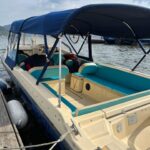
The boat setup: 14 seats, sunroof, and audio that makes stops click
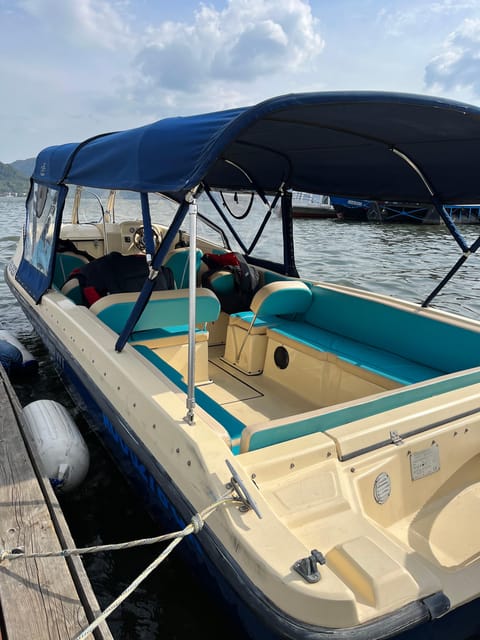
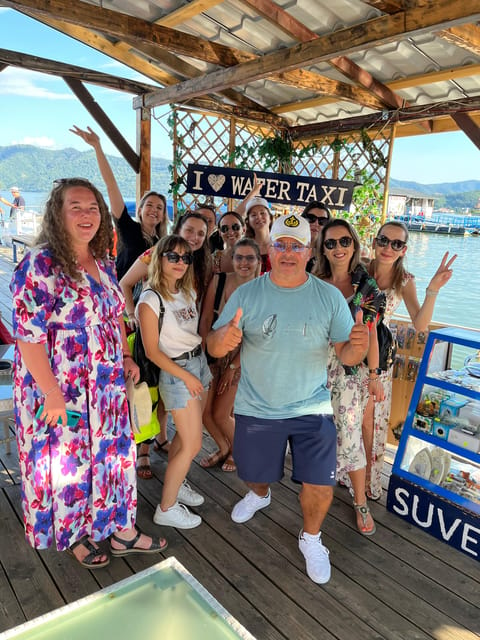
The boat is small: seating for 14 guests, which is a huge difference from the big group boats that can make stops feel rushed. You’ll also have comfort features that help on a river trip: an engine for smoother sailing and a sunroof so you’re not stuck with only sky you can’t see.
Safety is handled with life jackets provided. You’re still on the water, so dress like you might get a breeze and bring layers if the forecast looks changeable. On warmer days, the sunroof helps you enjoy the views instead of feeling boxed in.
The most practical tip is audio hygiene: the tour includes an audio guide in multiple languages, but you should bring headphones so you get the sound cleanly. The guide is available in English, Hungarian, Spanish, and German, while the host/greeter is English and Romanian. If you’re sensitive to noise, you’ll be glad you brought proper headphones.
Stop-by-stop: Trajan’s Plaque to Decebalus Rock Sculpture
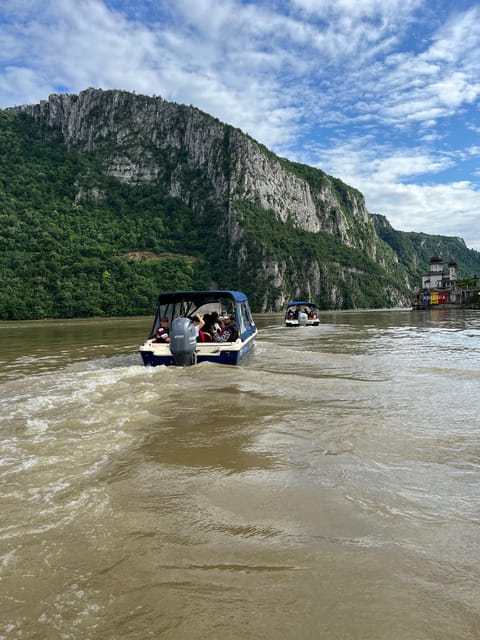
Your first big hits come quickly, and that’s useful if you’re traveling with limited time. The early segments build a foundation: you start with Roman-era references and then move into the scale of modern monumental rock sculpture.
Trajan’s Plaque is your photo stop and guided intro point. It sets the tone by placing you on a stretch of the Danube where routes and power weren’t abstract ideas—they were managed through plaques, inscriptions, and infrastructure. Even if you don’t read the fine details, the guided context helps you see the area as a corridor of history.
Next is the Rock Sculpture of Decebalus, including the chance for a guided stop and photos. This monument is often described with superlatives for a reason: it’s Europe’s tallest rock sculpture and among the largest worldwide. The practical takeaway for you is perspective. From the boat you can see the scale, and from the photo stop you understand how the rock carving was designed to be read from a distance.
From here, you get the feel of the river walls and the way the route funnels the eye downstream. It’s a good early moment to slow down and watch the terrain rather than just take pictures.
Mraconia Monastery: where the tour slows down for real atmosphere
After the rock monument, the tour shifts to something calmer: Mraconia Monastery. This stop is set up as a photo stop with guided sightseeing, which means you’ll have time to take in the buildings without the constant pressure of moving on in seconds.
A monastery stop is valuable on this route because the Danube’s history isn’t only stone, dates, and engineering. It’s also about belief systems and how communities used the river—sometimes as a shield, sometimes as a route.
A practical note: bring comfortable clothes and expect you’ll be out for a bit. This is not a drive-by. You’ll want your legs ready for short walking and standing.
Veterani Cave and the small extra you should plan for
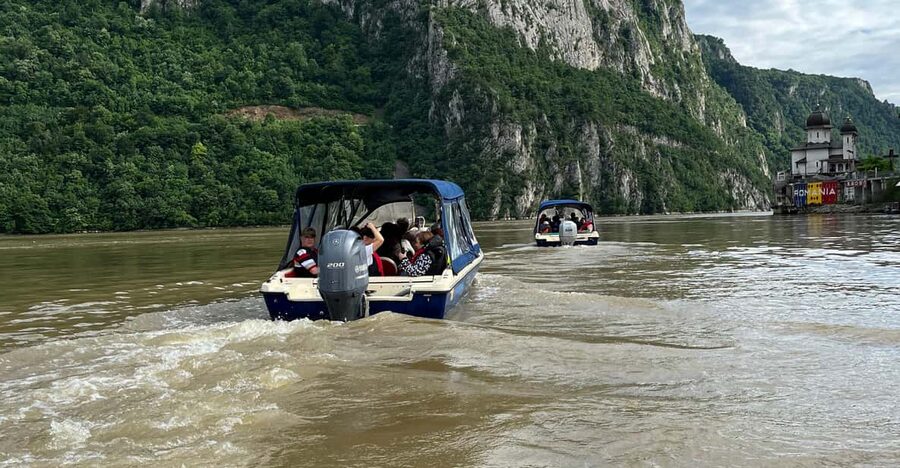
This is one of the most important parts to understand up front because it affects timing and cost. Veterani Cave includes a photo stop, then a visit with guided tour for about 20 minutes. But the cave entrance is not included; there’s an extra charge of about $2 at the entrance.
There’s also a logistics detail that can matter on the day: the drop-off at the pontoon depends on security measures first. Translation: don’t assume the cave visit will be exactly the same for every group, especially if conditions change.
Here’s how you can handle it. If you agree to visit the cave, you’ll join an additional guided tour run by other guides—not from the main boat team. If you choose not to go in, you stay with the audio guide from the boat.
For most people, the cave visit is the worth-it choice, but if you’re claustrophobic or you don’t want extra walking/coordination, it’s nice that the alternative is built in rather than forcing you to scramble.
Ponicova Cave (Vest): a chance to see a natural formation from the boat day
After Veterani, you’ll get to Peștera Ponicova (Vest), with a photo stop and then another guided visit. The key detail is that this is a cave stop on the same day, which means your comfort with uneven terrain matters.
The tour description points to an unusual formation: a through-and-through cave shape. That’s a big deal visually. Caves like this give you a different angle on the river region than you get from above-water sightseeing, because you can actually understand how water and rock acted together over time.
If you’re going inside, keep your expectations realistic: you’re doing a cave experience, not a museum with endless seating. Wear shoes you trust. You’ll be happy for traction.
Tabula Széchenyi and Iron Gates: where engineering becomes a view
By the time you reach Tabula Széchenyi, the tour is moving into the engineering-and-power story. This stop is a guided tour and sightseeing point with a photo stop. The plaque theme continues, but the vibe is different: it’s more about the relationship between river travel and what humans built to manage it.
Then comes Iron Gates itself. This portion includes guided sightseeing. The Iron Gates area is tied to the modern story of the Danube—especially the way the river was transformed after the dam work in the early 1970s, which shaped the area into what you see today.
Why this matters for you: if you only visit the scenery, the river can feel like a nature postcard. Iron Gates gives you the “how and why” behind the postcard—what changed, what stayed, and how the river’s power was redirected.
Expect this section to be a standout view moment. It’s also a good time to stop and compare what you saw earlier: monuments made for reading from distance, caves made by water and rock, and then the grand scale of a controlled river corridor.
Ada-Kaleh and the lost-island story in extra downstream time
Ada-Kaleh is one of those places with a story that sticks, even if you can’t walk the island today. The tour includes Ada-Kaleh as a guided sightseeing element, but the key detail is timing and geography: there’s mention of a 40-minute extra downstream tour near Iron Gates, with an Ada-Kaleh stop for more historical information and views.
The island itself is described as being about 30 meters under the water now. So you’re not visiting Ada-Kaleh the way people used to. You’re learning from the vantage point where you can still imagine what was there—then connect that loss to the larger dam and river history.
This segment works best if you like stories that have consequences. If you’re a “show me and tell me” type of traveler, Ada-Kaleh is a strong closer-in-the-middle moment.
Price and value: $392 per group (up to 6) and what to calculate
This tour costs $392 per group for up to 6 people. Because it’s private, your real question is cost per person, and the math changes depending on your group size.
Here’s the practical way to think about it:
- If you fill all 6 spots, the effective cost per person drops a lot compared with typical per-person sightseeing rates.
- If you only have 2 or 3 people, it’s still a great “small group advantage” day, but you’re paying for privacy and compact seating rather than budget-friendly pricing.
What makes it feel like decent value is the bundle: round-trip boat ticket from Orșova, guided context, stops at eight main attractions, photo opportunities, and the multilingual audio guide all included. Add in the comfort of a 14-seat boat with a sunroof and the fact that you’re not doing complicated logistics across multiple transport legs, and the price starts to feel more reasonable.
Also, the tour company has been running these trips since 2005, which usually means they’ve worked out the daily rhythm of the river route and how to keep the experience moving.
If you’re deciding between this and a larger group cruise, I’d choose based on what you want most: quiet attention and fewer logistics headaches (private), or lower per-person cost (big group).
Who this tour fits best (and who should think twice)
This boat trip is a strong match for:
- Couples and small families who want a river day with built-in storytelling.
- People who like photography but don’t want to sprint between stops.
- History and nature fans who want guided explanation without downloading five apps.
But it’s not suitable for:
- Pregnant women
- People with back problems
- People with mobility impairments
- Wheelchair users
- People with recent surgeries
That isn’t a random checklist. It reflects the reality of boat movement, time spent on land for photo stops, and access constraints around caves/monasteries.
So if mobility is your concern, you’ll need to be honest with yourself. This is not the kind of tour where you can comfortably “do your own pace” for the whole day.
Tips for a smooth day: shoes, cash, and not bringing the wrong stuff
A few practical things will make your day easier.
Bring:
- Comfortable shoes (caves and uneven areas are part of the plan)
- Sunglasses and sunscreen (river sun can feel stronger than you expect)
- Comfortable clothes that handle warmth and a breeze
- Headphones for the audio guide
- Cash (important because Veterani cave has an extra entrance cost)
Not allowed:
- Oversize luggage
- Any large bags or luggage
If you want the photo stops to go well, also show up ready to move. The tour schedule works best when you’re not stopping to dig for your phone adapter, fumble with cords, or re-lace your shoes at every landing.
One more tip from the vibe of the experience: there can be a small issue at the start, and the staff are described as quick to solve problems. Still, you’ll help yourself by arriving on time and double-checking the meeting area.
Getting there: your meeting point by Debarcader WT and Hotel Apolodor
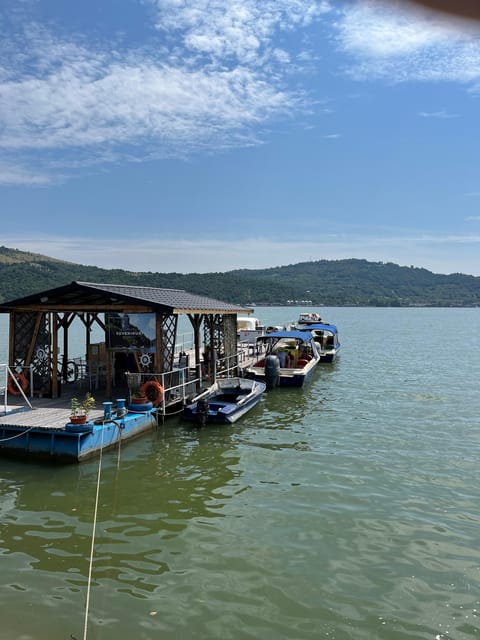
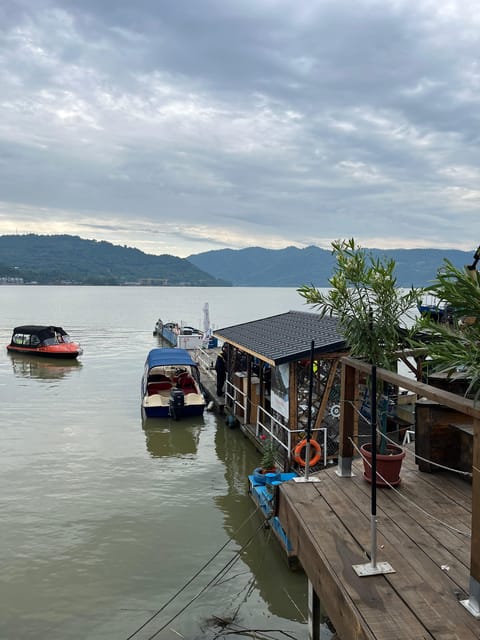
Your meeting point is a wooden platform by the shore’s walking path. It’s identifiable by a pontoon with a black roof, with two banners showing the company logo. It’s described as a short distance from Hotel Apolodor.
Because this is a boat tour, you don’t want to arrive late and then guess where the group is. Give yourself extra time to locate the platform, especially if you’re arriving in a new town.
Should you book Orșova’s Danube Cauldrons boat tour?
Book it if you want a small-group private Danube experience with real stops: Roman-era markers, a monumental rock sculpture, monastery atmosphere, and cave visits. The inclusion of a multilingual audio guide is the kind of detail that changes the whole day from scenic to meaningful.
Skip it or think carefully if you need full accessibility, you have back or mobility limitations, or you don’t want to deal with optional cave costs and the extra coordination around cave visits.
If you like value, check your group size before you buy. At full occupancy (up to 6), this can feel like a strong deal for a comfortable boat day that covers multiple headline sites without the stress of piecing it together yourself.
And if you’re the kind of traveler who notices comfort details—clean, friendly staff, newer-feeling boats—you’ll likely appreciate the whole setup. The best part is that the route is designed to keep your brain engaged while your eyes enjoy the Danube.
FAQ
How long is the Orșova boat tour?
The total duration is listed as 140 minutes.
How many people fit on the boat?
The boat accommodates 14 guests, and the experience is sold as a private group with up to 6 people per group.
What languages is the audio guide available in?
The audio guide is included and offered in English, Hungarian, Spanish, and German.
Where do I meet the tour in Orșova?
You meet at Debarcader WT, a wooden platform by the shore’s walking path. Look for a pontoon with a black roof and two logo banners near Hotel Apolodor.
Are meals included?
No. Food and drinks are not included.
Do I need to pay an entrance fee for Veterani Cave?
Yes. The entry ticket for Veterani cave is not included and is listed as approximately $2.
Is the Ada-Kaleh stop part of the main route?
Ada-Kaleh is included as a guided sightseeing stop, and there’s also mention of a 40-minute extra downstream tour for views and historical information near Iron Gates.
What should I bring and what’s not allowed?
Bring comfortable shoes, sunglasses, sunscreen, comfortable clothes, headphones, and cash. Oversize luggage and large bags are not allowed, and alcohol and drugs are not allowed.