REVIEW · UTRECHT
Utrecht Historic City: a Self-Guided Augmented Reality Tour
Book on Viator →Operated by BUZZIN the city · Bookable on Viator
Utrecht feels brand new in augmented reality. This self-guided AR walking tour lets you watch history unfold right where it happened, with audio and video storytelling at 11 stops around the city center. You’ll start and finish at Domplein, and you can go at your own speed.
I really like two things here: the on-site AR/virtual scenes (you might see historical footage aligned with the exact spot, and even life-sized figures in certain AR moments), and the simple flow between stops—each one is about 10 minutes, so you don’t feel rushed.
One possible drawback: you need to bring your own phone and plan for tech basics. The tour doesn’t include a mobile device or headphones, and you’ll need an internet connection to download the app and tour. If your phone battery is low, you’ll feel it.
In This Review
- Key things I’d highlight before you go
- What this Utrecht AR tour feels like in real life
- The route: your 11 stops (and what each one is good for)
- Stop 1: Domplein (Domsquare and the Dom)
- Stop 2: De Werfkelder
- Stop 3: De Zeven Steegjes van Utrecht (the seven alleys)
- Stop 4: Geertebolwerk (Karel V’s place of refuge)
- Stop 5: Pandhof Sinte Marie
- Stop 6: Zadelstraat (the mystery)
- Stop 7: Janskerk and Janskerkhof (flower market history)
- Stop 8: Neude (from marsh to city square)
- Stop 9: Sint Willibrordkerk (hidden gem energy)
- Stop 10: Paushuize (Pope Adrian and the chronicles)
- Stop 11: Domplein (renovation update and the second look)
- Price, timing, and why $12 actually makes sense here
- Getting ready: phone, headphones, and the little things that matter
- Ease of use: how navigation and “no guide” actually work
- Best times to do it and how to pace it
- Who this tour suits best
- So, should you book Utrecht Historic City: a Self-Guided AR Tour?
- FAQ
- How long is the Utrecht Historic City AR tour?
- Where does the tour start and end?
- Is the tour available in English?
- What do I need to bring?
- Do I need internet during the tour?
- Can I walk or cycle the route?
- Is this tour private?
Key things I’d highlight before you go

- AR and virtual scenes at specific city stops that turn familiar streets into new views
- 11 focused points of interest, including church squares and hidden-city corners
- Google Maps navigation support to keep the route stress-free
- Flexible pacing with built-in breaks since stops are short and walkable
- Walking or cycling routes so you can match your energy level
- Private group format meaning it’s just your group doing the tour
What this Utrecht AR tour feels like in real life
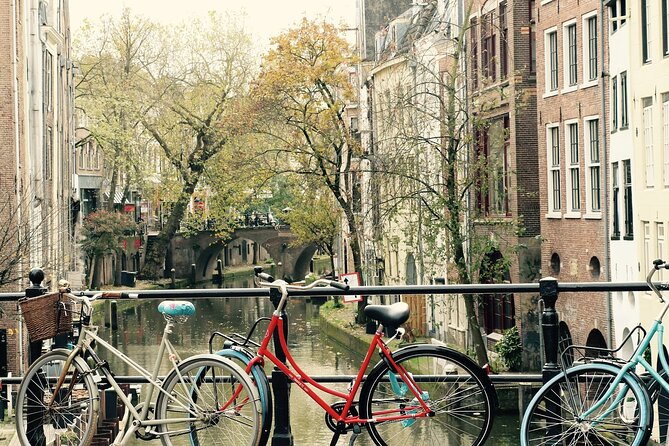
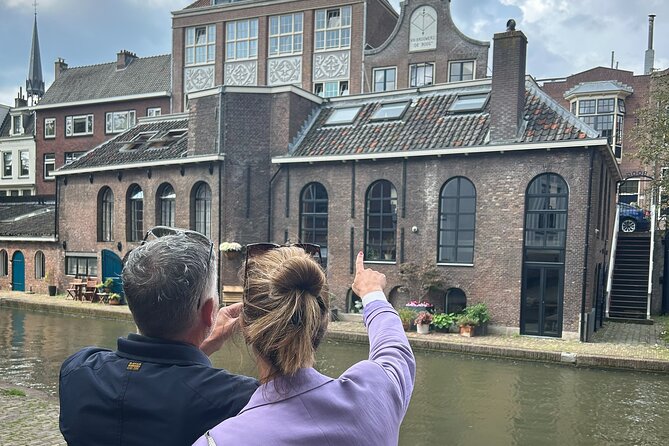
This is the kind of city tour that works even if you don’t want to be stuck with a live guide. You open the app, follow the route from stop to stop, and let audio and video do the storytelling. It’s designed for your pace, which matters in Utrecht because the best moments often come from slowing down to look at details you’d otherwise miss.
The route centers on the historic core, and the stops are mostly in the area around major squares and small lanes. You’ll see a mix of big-name landmarks (like the Domplein area and major churches) plus smaller, more “how did I never notice that?” places (like the church that’s described as a hidden gem and those alleyways that feel tucked away).
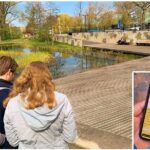
The big “wow” factor is the AR/virtual overlay—not just narration. The experience can show you historical footage matched to the current location, and it can also create those life-sized moments where you look at your phone screen and then look around for where the scene is happening. That trick—video plus place—makes the city’s layers feel more tangible than reading a plaque ever will.
At $12 per person for a 2-hour self-guided experience, it’s priced more like an entry to a “smart city story” than a traditional guided tour. You’re paying for access to the app, the media, and the structured route that keeps you from wandering aimlessly.
You can also read our reviews of more tours and experiences in Utrecht.


The route: your 11 stops (and what each one is good for)
Each stop is designed to take about 10 minutes, and the route loops back to where you started. That timing is handy because it helps you plan breaks for coffee or just lingering.
Stop 1: Domplein (Domsquare and the Dom)
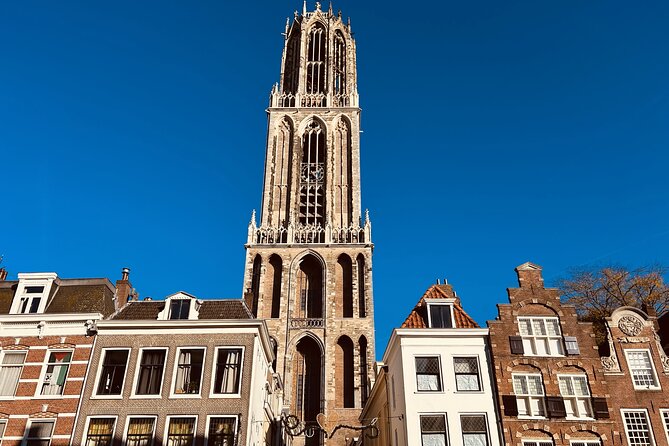
This first stop sets the tone. Domplein is the landmark square area, and the story here is about the past of the Dom and Domsquare. Going first is smart because you’re orienting yourself early: you get your bearings, then you learn what you’re actually looking at.
Tip: if you want photos, do them right away before you move deeper into side streets.
Stop 2: De Werfkelder
Next you go underground—well, underneath the streets. De Werfkelder is described as a medieval wonder beneath Utrecht’s streets, and that alone makes it a refreshing break from the usual “church square, then another church square” pattern.
Even if you don’t go inside anywhere (since entrance fees aren’t included), the AR storytelling here is meant to give context to the space above and the history below.
Stop 3: De Zeven Steegjes van Utrecht (the seven alleys)
Then the tour shifts from landmark energy to neighborhood character. The De Zeven Steegjes are Utrecht’s folksy lane area, and the stop is about how life played out in this kind of tight urban fabric.
This is the part of the route where you’ll feel why self-guided tours work: the lanes invite you to walk slower, poke your head into corners, and just take in the texture.

Stop 4: Geertebolwerk (Karel V’s place of refuge)
Geertebolwerk is where the stories get more political and dramatic. It focuses on Karel V and the idea of a place of refuge, past and present.
This stop is good for two reasons. First, it adds a human anchor to the history (not just dates). Second, it reminds you that these squares and edges weren’t always “pretty postcard backdrops”—they had functions.
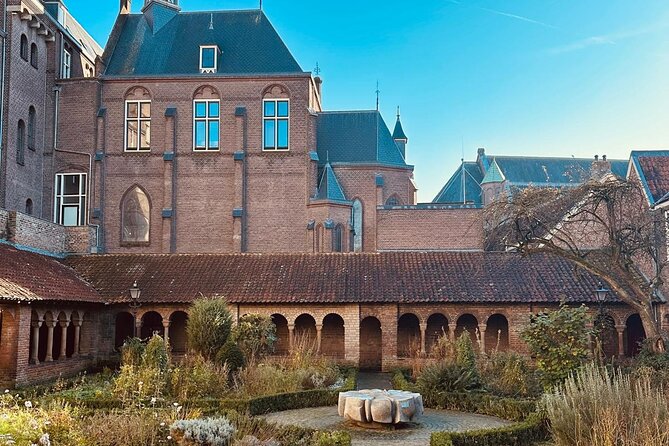
Stop 5: Pandhof Sinte Marie
Next is monastic life. Pandhof Sinte Marie is presented as a way to discover Sinte Marie and the monastic rhythm behind the scenes.
If you like tours that mix architecture with everyday living, this stop tends to click. The AR/virtual media can help you imagine how the space would have been used, which makes the present-day setting feel more like a “stage” than a static photo.
Stop 6: Zadelstraat (the mystery)
This stop is framed around the mystery of the Zadelstraat. It’s one of those locations that benefits from a guided story—even if you’re doing it on your own.
If you normally breeze past streets without reading them, this stop nudges you to look harder. The route is doing that on purpose: balancing obvious sights with places you might otherwise skip.
Stop 7: Janskerk and Janskerkhof (flower market history)
Now you’re at Janskerk, and the story includes two centuries of flower market at Janskerkhof. That kind of continuity is exactly why this tour format is useful. A narrated timeline makes the site feel alive instead of frozen.
Also, this is a great stop to use as your “break point” if you want to reset. The route keeps the pace gentle.
Stop 8: Neude (from marsh to city square)
Neude gets a “before and after” story. The tour describes it as going from a marsh to a modern city square.
This stop helps connect geography to urban growth. Even without adding extra facts beyond what you’re given, the premise alone makes you look at the square differently: the land under your feet has a backstory.
Stop 9: Sint Willibrordkerk (hidden gem energy)
This is the Saint Willibrord Church stop, specifically described as a hidden gem. That label matters for your expectations. You’re not just ticking off another church; you’re getting a reason to care about a quieter sight.
If you like places that feel slightly off the main tourist radar, you’re going to enjoy this shift.
Stop 10: Paushuize (Pope Adrian and the chronicles)
Paushuize rounds out the story with a focus on Pope Adrian and the chronicles tied to this place.
This is a good match for the earlier “power and refuge” theme. You’re seeing how big names and big events shaped the city, then moving back into day-to-day spaces like squares and lanes.
Stop 11: Domplein (renovation update and the second look)
You finish back at Domplein again, and this time the focus is the next to the Dom: five years of renovation. A second pass at the start location is more useful than it sounds.
You’ll likely look at the same square twice, and you’ll notice different things the second time: details in materials, how the space is changing, and what “renewal” looks like in an old city.
Price, timing, and why $12 actually makes sense here
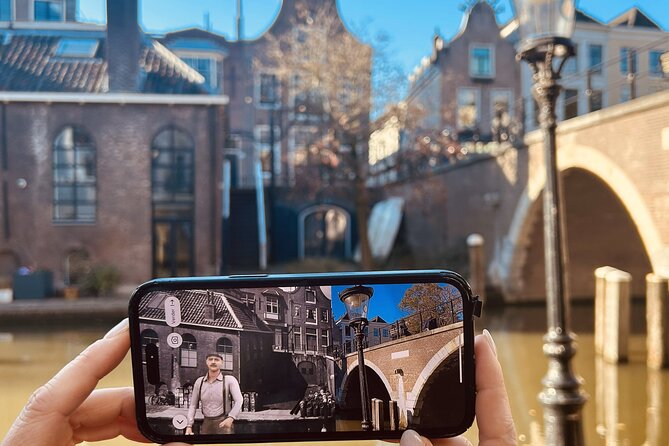
The tour is $12.00 per person and takes around 2 hours. It’s offered in English, and it uses a mobile ticket plus private app access.
Here’s where the value comes from, beyond the cost:
- You’re not paying for a live guide’s hourly time. You’re paying for access to the route and media.
- The tour is paced in small chunks (about 10 minutes each), which makes it easy to fit into a day without committing to a long program.
- You can walk it or cycle it, which can change the experience for the better depending on your day.
Also, it’s a private tour/activity, meaning only your group participates. That’s a meaningful difference if you don’t like crowds or you want to pause without feeling like you’re holding up strangers.
One practical note: this is typically booked about 7 days in advance on average. If you’re traveling in peak season, it’s smart to reserve earlier so you don’t get stuck with a time gap.
Getting ready: phone, headphones, and the little things that matter
This is the part I’d plan like a grown-up, because AR is picky.
You should bring:
- Your mobile device
- Headphones (not included)
You’ll also want to:
- Make sure you can get internet when you download the app/tour. The tour data explicitly says you need internet to download it.
- Check your battery before you start. One of the best tips that comes up with this tour style is to use wireless earphones and keep your phone charged, because the AR content is the whole point.
If you don’t want to think about tech during the tour, set yourself up first. Charge ahead of time, do a quick test of audio volume, and then start walking.
Ease of use: how navigation and “no guide” actually work
The tour includes Google maps navigation support, which matters because self-guided routes can otherwise feel like a scavenger hunt. Here, you’re getting help to keep the route smooth, while still staying independent.
The app approach also gives you control over your rhythm. If you want to linger outside Janskerk because you’re enjoying the market history atmosphere, you can. If you want to breeze through a stop because you’re on a schedule, you can do that too.
The tour content is also structured enough that you aren’t forced to read tiny text or guess what to look for. The storytelling is delivered through audio and video, with the AR/virtual component layered on top.
Best times to do it and how to pace it
The tour is available daily from 9:00 AM to 11:30 PM (based on the listed operating window), so you can choose the vibe you want.
- Morning or early afternoon: you’ll have easier light for photos around squares and churches.
- Evening: you may enjoy the calmer atmosphere in the center, though you should consider how easily you can follow the route if visibility drops.
In general, treat each stop as a “chapter.” Spend a bit of time looking with your eyes first, then let the AR/virtual story snap into place, then decide whether you want to watch again or move on.
Who this tour suits best
I’d point you to this experience if:
- You like history explained where you stand, not in a classroom.
- You want something interactive that still respects independence.
- You enjoy a route with short stops that leave room for coffee, snacks, and just wandering.
It also fits a wide age range because the route is designed around pleasant walking connections and short segments. If your group includes a mix of people—one who likes stories, one who likes photos—you’ll likely find something to like.
If you hate phones on trips or you can’t reliably use mobile internet, then this might be frustrating. The core value is tied to the app.
So, should you book Utrecht Historic City: a Self-Guided AR Tour?
If you want a modern twist on Utrecht that still stays rooted in real places, this is a smart pick. For $12, you’re getting a guided-feeling route without a live guide, plus AR/virtual media that makes familiar spots more interesting.
I’d book it if:
- You’re comfortable using your own phone and headphones.
- You want a self-paced way to learn Utrecht without joining a group schedule.
- You like story-driven city walking with built-in “chapter breaks.”
I’d skip it (or plan carefully) if:
- Your phone battery is unreliable.
- You don’t want to deal with internet needs for downloading the tour.
- You prefer tours with zero tech and zero screens.
Given the 4.7/5 average rating from the set of customer feedback included here, the overall signal is strong: people like the learning, they like the flexibility, and they especially like the AR “on-the-spot” moments.
FAQ
How long is the Utrecht Historic City AR tour?
It takes about 2 hours on average.
Where does the tour start and end?
The tour starts at Domplein, 3512 JE Utrecht, Netherlands and ends back at the same meeting point.
Is the tour available in English?
Yes. The tour is offered in English.
What do I need to bring?
You need your mobile device and headphones. The tour provides access through the app, but those items are not included.
Do I need internet during the tour?
The tour data says you need an internet connection to download the app and tour. It doesn’t specify internet requirements during the walk, so make sure you download in advance.
Can I walk or cycle the route?
Yes, the experience is available for walking or cycling routes.
Is this tour private?
Yes. It’s a private tour/activity, and only your group participates.