REVIEW · SACRAMENTO
A Highway 49 Drive: A Self-Guided Audio Tour from Placerville to Jackson
Book on Viator →Operated by VoiceMap Audio Tours · Bookable on Viator
Gold Rush roads, narrated by your phone. I like how this Placerville to Jackson drive links the Gold Rush’s hard-rock mining era to the towns you pass, so the scenery comes with context instead of just scenery. One consideration: you’re doing turn-by-turn yourself, and like any app-based navigation, a moment of bad routing can make you miss a turn.
My second favorite part is the offline VoiceMap audio and map support, so you can keep going even when signal is weak. And at $14.99 per group (up to 15), it’s a rare bargain for a self-guided day where you can pause, stretch, and skip back if you want to reread a stop.
In This Review
- Key things you’ll notice on this Highway 49 audio drive
- Highway 49 from Placerville to Jackson: why this road works
- VoiceMap setup: offline audio, offline maps, and what you must bring
- Starting at 247 Main St in Placerville: getting the Gold Rush frame
- Plymouth: the moment the story changes
- Shenandoah Valley: wine making as another kind of liquid gold
- Amador Flower Farm: a scenic pause that fits the pacing
- Driving the Gold Rush towns: Fiddletown, Amador City, Sutter Creek, Jackson
- Fiddletown
- Amador City
- Sutter Creek
- Jackson (the finish)
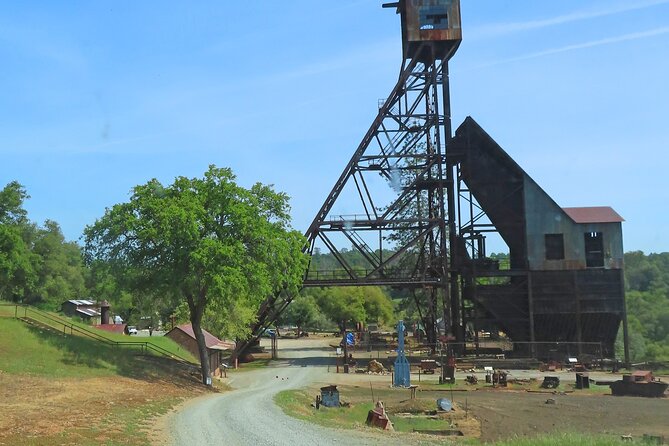
- Treasure Mine, Kennedy Mine, and Bunker Hill: what you’ll picture along the way
- Ending in Jackson: how to turn the audio finish into a real plan
- Price and value: $14.99 per group can be a steal
- The one hitch to plan around: staying on track while the audio runs
- Who this Highway 49 audio drive is best for
- Should you book the Highway 49 drive from Placerville to Jackson?
- FAQ
- Where does the Highway 49 self-guided tour start and end?
- How long does the Placerville to Jackson drive take?
- What do I need to use the VoiceMap audio?
- Is this tour available in English?
- Is it private, and how many people can go in one group?
- Can I cancel and get a refund?
Key things you’ll notice on this Highway 49 audio drive
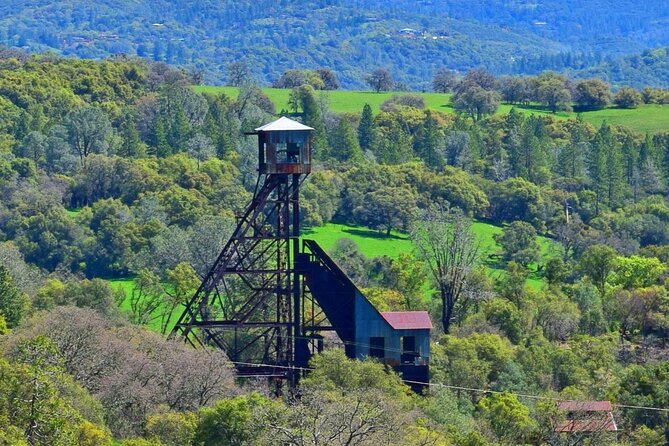
- Hard-rock mining to town life: the story moves beyond the flashy “gold” headline and into how the mines shaped daily life.
- Plymouth and the transition years: you’ll learn what changed as placer mining started to run out.
- Shenandoah Valley meets wine country: 1850s winemaking is woven into the drive, not treated like a separate trip.
- Multiple Gold Rush towns in one loop: Fiddletown, Amador City, Sutter Creek, and Jackson are part of the same running narrative.
- Mines you can still picture: you’ll get audio context for Treasure Mine, Kennedy Mine, and Bunker Hill.
Highway 49 from Placerville to Jackson: why this road works
Highway 49 is one of those California routes where the drive itself feels like a museum, even if you never step into a building. This self-guided format makes that easy. You start in Placerville, follow the corridor into the Gold Rush towns, and finish in Jackson.
What I like most is how the tour gives you a reason to slow down. Instead of just racing past roadside signs, you’re listening for why each place matters—mines, money, and the communities that grew up around them. That makes the whole trip feel less like commuting and more like a curated drive day.
Time-wise, plan for about 2.5 to 3 hours. That’s long enough to do a few small stops and short enough to fit into a busy itinerary.
You can also read our reviews of more tours and experiences in Sacramento.



VoiceMap setup: offline audio, offline maps, and what you must bring
This tour runs on the VoiceMap app for Android and iOS, with lifetime access and offline access to the audio, maps, and geodata. That’s a big deal on Highway 49, because you can’t always trust cell service along smaller stretches.
Here’s the practical part: the tour does not include a smartphone or headphones. Bring your phone, charge it, and pack earbuds you actually like. Also, download or confirm the offline content before you start driving—waiting until you’re on the road is how you end up frustrated.
One more tip: since this is self-guided, you’re the navigator. Treat the audio like a guide, not like a substitute for watching the road. If you’re the driver, set up the audio before you roll, then let the narration do its job while you keep both hands on the wheel.
Starting at 247 Main St in Placerville: getting the Gold Rush frame

You begin at El Dorado Savings Bank, 247 Main St, Placerville. Starting here matters because the tour wastes no time setting up the big shift that shaped the region.
The narration kicks off by pointing to the hard-rock mining era that began in the 1850s, shortly after placer mines began to run dry. That’s the key idea you want in your head for the rest of the drive: the Gold Rush didn’t stay a simple river-panning story. When the easy gold slowed down, miners turned to deeper, more technical work—and towns changed with it.
If you’re the kind of person who likes to understand why a place looks the way it does, this early framing helps. It turns the towns you pass into chapters, not random stops.
Plymouth: the moment the story changes
Next, you drive through Plymouth. This is where the tour’s “why” starts getting clearer. You’ll hear how the mining era evolved after the placer stage faded, and how that evolution affected the communities along the route.
Plymouth fits well on this drive because it sits right where you can connect your modern road trip to the rhythm of 19th-century work. Listen for how mining shaped labor, settlement, and the steady day-to-day needs that came with it—supplies, services, and the growing importance of town centers.
Practical note: Plymouth is a place where you might want a quick photo stop, but keep it short. The tour is built as a drive loop, so don’t burn time on long side detours.
Shenandoah Valley: wine making as another kind of liquid gold
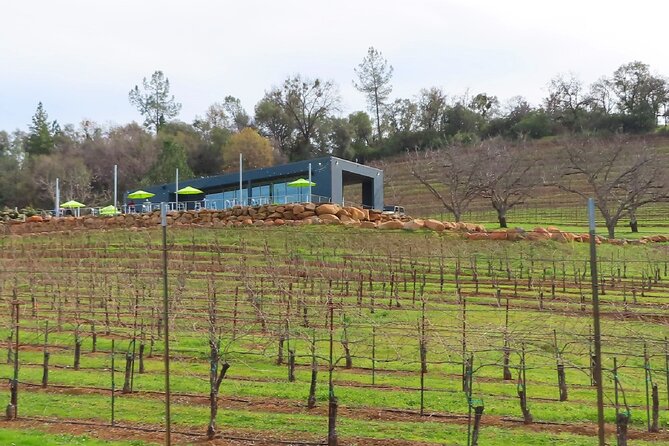
After Plymouth, you’ll head through the Shenandoah Valley and learn how wine making, also starting in the 1850s, became a kind of liquid gold for early pioneers.
This is a smart angle. The Gold Rush narrative can get one-note if everything stays focused on mines alone. By adding winemaking, the tour connects mining wealth, land use, and the way people built new economic anchors once mining rhythms shifted.
You’ll also get an opportunity to stop for a little wine tasting at a venue prompted by the audio. Important: food and drink are not included in the tour price, so think of this as an optional add-on where you’ll likely pay at the tasting location.
If you do stop, keep it simple: taste, stretch your legs, and rejoin the route with enough time to stay on pace.

Amador Flower Farm: a scenic pause that fits the pacing
The route passes by Amador Flower Farm. This is one of those spots that works best as a quick break, not a major itinerary change.
Even if you don’t plan a long stop, it’s a nice visual reminder that the region didn’t freeze after the Gold Rush. Land use kept evolving, and the audio tour’s structure helps you see that continuity without turning the day into a checklist.
How to use this moment: if you’re traveling with family or friends, this is a great time to pause for water, bathroom needs, or quick photos—then get back to the story beats.
Driving the Gold Rush towns: Fiddletown, Amador City, Sutter Creek, Jackson
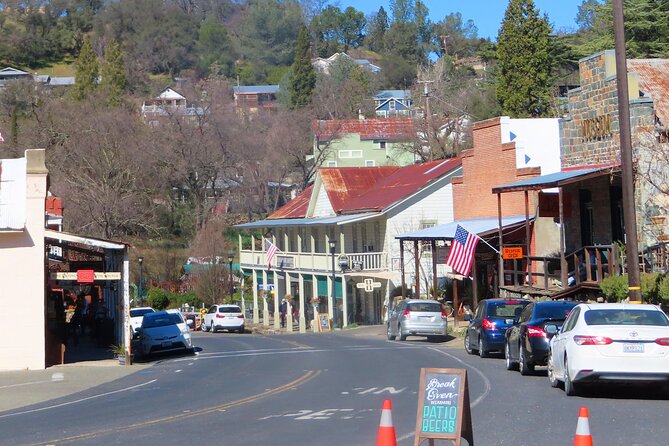
One of the strongest parts of the itinerary is that it strings together a set of historic towns into one running drive: Fiddletown, Amador City, Sutter Creek, and Jackson.
Here’s why that’s valuable: you don’t just hear about the past in theory. You watch how the narrative unfolds as you move from town to town. The audio keeps returning to what made these places tick—work, money, and the communities built around mining and its aftermath.
Fiddletown
Fiddletown is on the route early enough to feel like a starting point. Listen closely here for how the tour frames settlement and daily life connected to mining.
Amador City
Amador City helps you connect the “mining era” to how towns organized around it. You’ll get the feeling of an area that grew in response to labor and resources.
Sutter Creek
Sutter Creek is where the drive starts to feel like a living corridor. The audio keeps reinforcing the “how people lived” side of the Gold Rush, not only the “where the gold was.”
Jackson (the finish)
Jackson is both an ending and a payoff. By the time you reach it, you’ll have already heard the pieces that help you read the town with more meaning.
You’re not required to get out at every stop, and that’s a big advantage. If you want a relaxed day, you can do this as a mostly-drive tour with a few well-timed stops.
Treasure Mine, Kennedy Mine, and Bunker Hill: what you’ll picture along the way
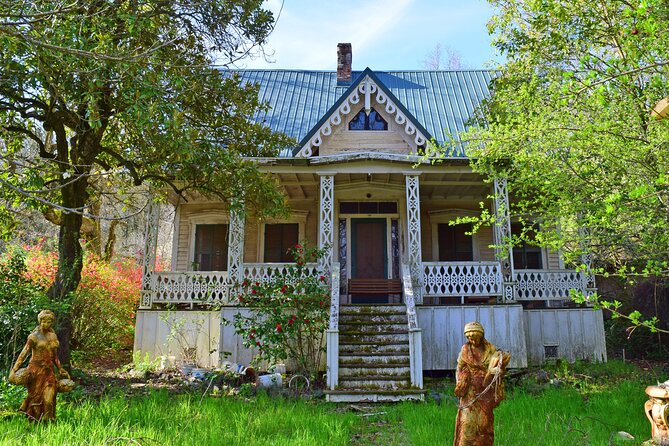
A major theme you’ll hear repeatedly is what remains of specific mining sites—Treasure Mine, Kennedy Mine, and Bunker Hill. This is one of the reasons the audio format works better than reading a brochure.
Hearing the mine names in context helps you connect distance on a map to actual places people worked. You’re not just passing a point on the highway; you’re building a mental image of what those sites represented.
Then the tour continues toward Miners’ Bend Park, another spot that fits the narrative. It’s a good reminder that the story isn’t only “where mining happened,” but also how communities used the land after the boom.
If you like history, this is the part that tends to stick. Not because it’s dramatic for drama’s sake, but because the audio helps you connect small remnants to real labor.
Ending in Jackson: how to turn the audio finish into a real plan
The tour ends in Jackson, at 33 Broadway #D. When the narration stops, don’t just head out. Use the momentum.
If you want a simple plan, do this: once you park, take a quick look around the central streets for a few minutes, then decide if you want a short walk. You’ll already have the Gold Rush framework in your head, so even a slow stroll will feel more purposeful than a random wander.
Since you’re done with the driving portion after about 2.5 to 3 hours, this also works well as a half-day activity. You can tack on a meal or a separate short stop later, depending on what you’ve booked for the rest of your trip.
Price and value: $14.99 per group can be a steal
At $14.99 per group (up to 15 people), this is priced like a budget-friendly “do-it-yourself activity,” not a per-person tourist surcharge. That matters if you’re traveling with a small group, a family, or friends who don’t want to split into separate tickets.
You also get lifetime access, which is a sneaky advantage. If you come back to the area later, you’re not paying again to hear the same drive narration. That turns the tour from a one-time expense into a reusable local resource.
What’s not included is also clear: you’re responsible for your own smartphone and headphones, and food/drink (including any wine tasting you choose to do). So the true cost is: your ticket plus whatever you spend at any stop you make.
The one hitch to plan around: staying on track while the audio runs
The tour is self-guided, which means your biggest risk isn’t missing a museum ticket. It’s navigation hiccups—especially if your device gets stuck or repeats directions.
One practical way to reduce stress: before you drive, confirm you’ve started the audio at the correct beginning point in Placerville. Then, keep your own map view open if you can. If the audio starts repeating or feels off, use visual cues and signage to get back on track quickly rather than assuming the app will fix itself.
Also, drive like a driver. If someone in your group can be your navigator (not the person steering), that’s ideal. This turns the app into a commentary tool instead of a distraction.
Who this Highway 49 audio drive is best for
This works especially well if you want:
- a self-guided day with a clear storyline
- a route that mixes Gold Rush towns with a Shenandoah Valley wine angle
- an offline-friendly experience you can do at your own pace
It’s also a strong pick for people who like history but don’t want a rigid schedule. You’ll get prompted stops (like the wine tasting option and the mine-related areas) without being locked into timed entry tickets.
If you hate driving, or if you want guided face-to-face interpretation, you might prefer something more structured. But for a California road trip that feels educational without feeling like homework, this hits a nice balance.
Should you book the Highway 49 drive from Placerville to Jackson?
Book it if you want a cheap-per-group way to understand what you’re seeing along Highway 49—especially the shift from placer mining to hard-rock work and the later economic story that includes winemaking.
Skip it if you’re not comfortable with self-navigation or you don’t want to handle phone setup, offline audio, and the reality that food/drink isn’t included for optional tasting stops.
In the end, this is a solid value when you treat it like what it is: a great road trip with narration that helps you connect the towns, mines, and valley economy into one coherent drive.
FAQ
Where does the Highway 49 self-guided tour start and end?
It starts at El Dorado Savings Bank, 247 Main St, Placerville, CA 95667, USA. The tour ends in Jackson at City of Jackson, 33 Broadway #D, Jackson, CA 95642, USA.
How long does the Placerville to Jackson drive take?
Plan for about 2 hours 30 minutes to 3 hours, depending on how much you stop and how quickly you move between towns.
What do I need to use the VoiceMap audio?
You’ll need a smartphone and headphones, since those are not included. The tour uses the VoiceMap app for Android and iOS, and you also get offline access to the audio and maps.
Is this tour available in English?
Yes. The tour is offered in English.
Is it private, and how many people can go in one group?
Yes, it’s a private experience. The price is $14.99 per group, up to 15 people.
Can I cancel and get a refund?
No. This experience is non-refundable and cannot be changed for any reason. If you cancel, the amount you paid is not refunded.