REVIEW · SACRAMENTO
Historic Folsom: A Self-Guided Audio Tour
Book on Viator →Operated by VoiceMap Audio Tours · Bookable on Viator
A phone-free walk through old Folsom. This Historic Folsom self-guided audio tour turns Sutter Street into a story trail, with Gold Rush-era local Native American history guiding you as you go at your own pace. You can start, pause, and restart without feeling locked into a schedule.
I like the low-stress format: you’re not stuck with a big group or a live guide. I also like the offline setup, since the tour’s audio, maps, and geodata are meant to work even when cell service disappears.
One thing to consider: the route can be a little tricky to find at the beginning, and the audio can feel unclear about exactly when to stop. If you’re the type who needs crystal-clear directions, bring patience and keep an eye on your phone screen.
In This Review
- Key things to know before you start
- How the VoiceMap audio route actually plays in real life
- Price and time: $9.99 for about two hours of wandering
- Where you start and how to finish by Lake Natoma
- The Sutter Street walk: where stories meet the street scene
- Passing the museum, railroad, and theatre along the route
- Folsom Powerhouse State Historic Park: an important mid-walk shift
- Ending at the bridges: Lake Natoma’s payoff
- Practical tips to make the walk smooth (and not frustrating)
- Who this tour fits best
- Should you book Historic Folsom self-guided audio?
- FAQ
- How much does the Historic Folsom self-guided audio tour cost?
- How long does the tour take?
- Where does the tour start and where does it end?
- Is the tour available in English?
- Does it work without cell phone reception?
- What do I need to bring?
- Are museum tickets included?
- Is this tour refundable?
Key things to know before you start
- Offline audio and maps: download ahead so you’re not dependent on cell service
- Flexible pacing: start, pause, and restart whenever you want
- Sutter Street focus: the walk runs through the heart of Historic Folsom
- Multiple historical stops: museum, railroad, theatre, Powerhouse area, and Lake Natoma
- Budget-friendly price: $9.99 for a 1.5–2 hour walking route with lifetime access
- Watch for app hiccups: when you pause and restart, you may be asked to reenter a code
How the VoiceMap audio route actually plays in real life
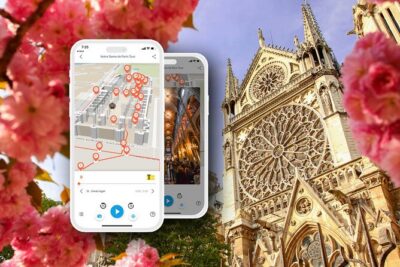
This is built as a GPS audio walking tour through Historic Folsom. You’ll use the VoiceMap app (Android and iOS), press play, and follow the audio as you move. The big win is control: you can pause when you want a photo, restart when you get turned around, and keep going without waiting for anyone else.
Another practical advantage is the offline plan. The tour is designed so you can download the audio, maps, and geodata first, then walk without reliable service. That matters in older downtown areas where signal can be spotty. Before you leave, connect to Wi‑Fi and download everything so you’re not stuck troubleshooting halfway through.
The one thing I’d watch is how the app behaves when you pause. One user reported that VoiceMap sometimes kicks you out and asks for a code again after you stop. That’s not the end of the world, but it can break the flow if you like long pauses. If you think you’ll stop often, keep your phone charged and be ready to re-enter the code if prompted.
You can also read our reviews of more tours and experiences in Sacramento.
Price and time: $9.99 for about two hours of wandering
At $9.99 per person, this is priced like an impulse add-on that still feels meaningful. You’re paying for the experience design: a curated walking route plus narration, delivered through an app you can reuse later. Since you get lifetime access, it’s not a one-time ticket situation.
In time terms, plan on roughly 1 hour 30 minutes to 2 hours. That sounds simple, but pace changes everything on this kind of route. If you pause for photos at the water and bridges, it can drift toward the upper end. If you’re a steady walker, you’ll likely finish closer to the faster side.
Value-wise, the tour is also easier on your wallet because it doesn’t bundle museum admissions. You’re not paying extra for entrances you might not even want. Just note that the narration is tied to the buildings and areas you pass, not guaranteed ticketed experiences.
Where you start and how to finish by Lake Natoma
Your start point is listed as 609 Leidesdorff St, Folsom, CA 95630, with the walking route leading to the Folsom Historic Truss Bridge / Rainbow Bridge area by Lake Natoma. The tour runs daily, essentially any time of day, which is helpful when you want to match the walk to weather.
Here’s the practical tip: the beginning can be easy to miss if your phone pin is off by a block. In one reported experience, the start location instructions didn’t match what the app showed, creating confusion. To avoid that, orient yourself to the area and confirm you’re in the right Historic Folsom parking area. If you’re using directions, cross-check with a map view rather than trusting just one location label.
The finish matters too. Ending near the bridges by Lake Natoma gives you a natural wrap-up point. It’s a good place to take a breather, compare photos, and decide if you want to keep walking beyond the tour.
The Sutter Street walk: where stories meet the street scene
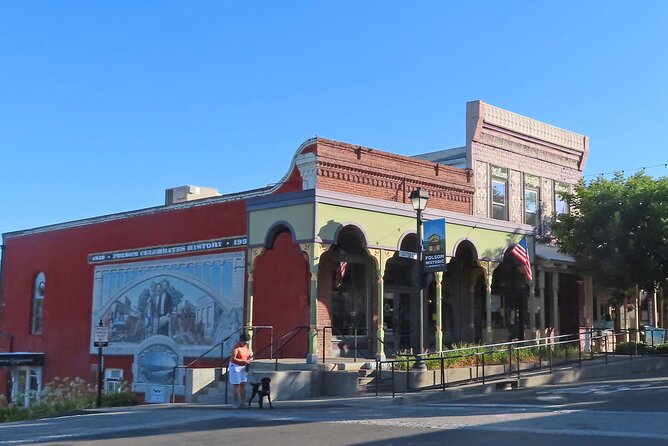
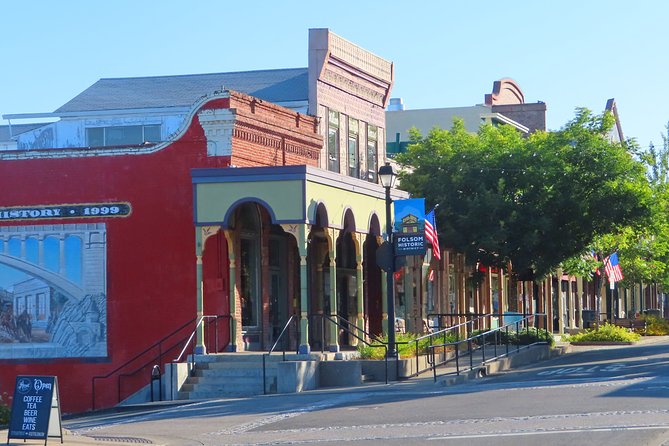
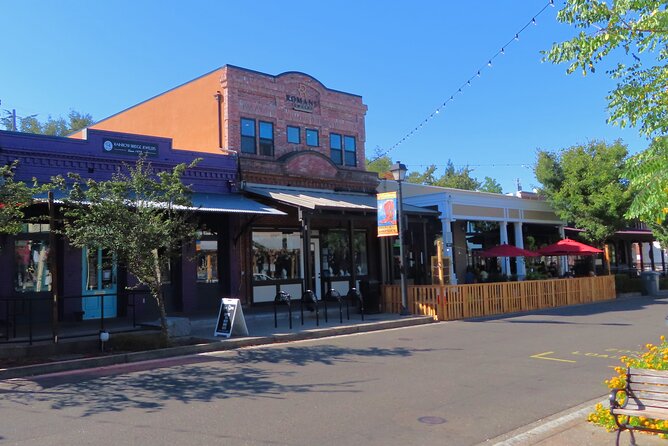
The core of the route takes you down Sutter Street. That’s a strong choice because it keeps the narration anchored to a walkable main drag. You’re not hopping between far-flung stops; you’re moving through a coherent corridor where old and newer details sit side by side.
The tour’s central theme is Gold Rush local Native American history. That kind of focus changes how you look at a place. Instead of treating Historic Folsom like a postcard street, you’ll start paying attention to how the Gold Rush era affected the people connected to this region. You’ll likely find yourself noticing context in everyday sights, like how a town’s growth connects to deeper local stories.
One more practical thing: the walking includes some hills. At least one user said they didn’t expect how steep and hilly it felt. That doesn’t mean it’s impossible, but it does mean you should wear shoes you’re comfortable walking in, and consider a slower pace if you’re not used to rolling terrain.
Passing the museum, railroad, and theatre along the route
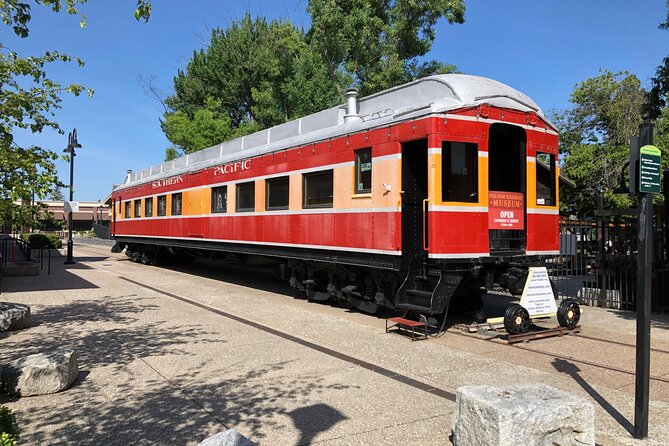
As you walk, the tour passes several key landmarks, even if you won’t be buying tickets along the way. You’ll go by the Folsom Historical Museum, which is a nice visual anchor. You’ll also pass the Sacramento Valley Railroad, and then the Sutter Street Theatre. Even without entering, these stops help you connect the audio narration to recognizable physical places.
The museum stop is useful because it sets a tone: this is a place where preservation and storytelling matter. The railroad adds another layer of “how towns worked” during different eras. And the theatre stop brings a human, cultural vibe that can balance out the heavier historical themes.
That said, be prepared for one limitation. One user noted that the tour narration can be slightly out of date when it references businesses that are no longer there. So if you’re the kind of person who cares about street-level accuracy, don’t be surprised if a storefront doesn’t match the audio at the exact moment you walk by. The best way to handle that is to treat it as background interpretation, not a current directory of what’s open.
Folsom Powerhouse State Historic Park: an important mid-walk shift
Midway through, you’ll pass the Folsom Powerhouse State Historic Park area. Stops like this are valuable in a self-guided tour because they create a mental reset. Up to this point, you’re building the story thread along a main street. Then the narration shifts as you move toward a more specific historic site area.
If you’re paying attention, this is a good moment to slow down. Look around, check where you are on the map inside the app, and let the audio land. In a walking experience, the biggest mistake is rushing. With an audio tour, the payoff comes when you match what you hear to what you see.
Also, this is exactly the kind of spot where confusion can happen if you’re navigating by landmarks. Since one user reported the start instructions were inconsistent, it’s smart to keep a close eye on your location and the direction you’re heading throughout the first portion of the walk.
Ending at the bridges: Lake Natoma’s payoff
The route ends at the Folsom Historic Truss Bridge / Rainbow Bridge area by Lake Natoma. This ending is practical because it gives you a clear finish line. It’s also a nice reward: the water and bridges naturally slow people down, even if they started quickly.
This is where your saved photos make sense. If your phone battery is okay and you’ve downloaded the tour offline, you can keep using your camera without worrying about audio service. Take a few minutes here even if you’re in a rush. A good self-guided tour should end with a place that lets you breathe and process what you just learned.
Practical tips to make the walk smooth (and not frustrating)
Here are the things that will keep your experience positive from start to finish:
- Download before you go: offline audio, maps, and geodata are part of the design, so use them.
- Bring headphones: the tour doesn’t include them, and you’ll want clear sound for narration.
- Charge your phone: GPS audio can drain battery. If you plan to pause a lot, battery matters more.
- Watch your start pin: if instructions seem off, use the Historic Folsom start area as your anchor and verify with a map view.
- If the audio gets confusing, restart: one user said the narration sometimes said continue without clearly telling where to stop. When that happens, don’t guess; use the app controls to re-sync.
Also, if you’re a planner, consider going at a time when you can comfortably handle hills. The tour is doable for most people, but your feet will tell the truth faster than an audio narrator.
Who this tour fits best
This is ideal if you like structured wandering without a strict schedule. It’s also great for people who want context while still doing their own timing—stopping for photos, taking breaks, or stretching the walk out a bit.
I’d especially recommend it if you want:
- a budget-friendly introduction to Historic Folsom with audio interpretation
- a walk you can replay later because of the lifetime access
- an experience that can work even when phone service is limited, thanks to offline support
If you hate app-based navigation or you need an obvious, step-by-step guide that never leaves you wondering, you may find it occasionally frustrating. The reported start-location confusion and the unclear stop cues are the reasons to think twice if you dislike that style of guidance.
Should you book Historic Folsom self-guided audio?
If you’re comfortable using a smartphone for navigation and you like history told through walking, this is an easy yes. The price is fair, the offline design is genuinely useful, and the route covers a lot of familiar landmarks connected by a clear theme.
I’d book it with two expectations: first, plan to do a little troubleshooting if the app start pin feels off; second, don’t treat the audio as a live feed of what’s currently open on every corner. When you go in with that mindset, you’ll get a solid 1.5–2 hour story walk that ends in a scenic spot by Lake Natoma.
FAQ
How much does the Historic Folsom self-guided audio tour cost?
It costs $9.99 per person.
How long does the tour take?
Plan on about 1 hour 30 minutes to 2 hours.
Where does the tour start and where does it end?
It starts at 609 Leidesdorff St, Folsom, CA 95630, and ends at the Folsom Historic Truss Bridge / Rainbow Bridge near Lake Natoma.
Is the tour available in English?
Yes, it’s offered in English.
Does it work without cell phone reception?
Yes. Once downloaded, the tour works without cell phone reception, including offline audio, maps, and geodata.
What do I need to bring?
You’ll need your smartphone and headphones. Food and drink are not included.
Are museum tickets included?
No. Tickets or entrance fees to any museums or attractions along the way are not included.
Is this tour refundable?
According to the policy, this experience is non-refundable and cannot be changed for any reason.
If you want, tell me your walking comfort level (flat vs hills) and the day/time you’re going, and I’ll suggest how to pace it.