REVIEW · UTAH
Ultimate Utah Bundle Self-Guided Driving Audio Tour
Book on Viator →Operated by Travel with Action · Bookable on Viator
Utah’s parks, paced by your own stoplight. This self-guided bundle turns your car into a moving classroom, with offline maps and hands-free audio that cues itself based on where you are. I especially like how it reduces the mental load of planning, while still helping you connect the dots at places like Delicate Arch and Mesa Arch without scrambling for facts on the fly.
The tradeoff is time and logistics. This is a lot of ground (each park route can run 50+ miles, and you’ll want daylight), so you’ll get the best results if you treat it like a menu: pick 1–3 parks per day rather than trying to finish everything in a single long marathon.
In This Review
- Key highlights you’ll feel right away
- How This Utah Audio Bundle Actually Works
- Arches National Park: Over 40 Stories and a Route Built for Slow Wonder
- Canyonlands: Big Mesa Views, Mesa Arch, and the Value of Getting the Names Right
- Bryce Canyon and Zion: Icon Vistas Plus Two-Way Routing That Helps Your Schedule
- Bryce Canyon: Hoodoos, Viewpoints, and a Route That Helps You Spot the Shapes
- Zion: Two Routes, One Experience, and the Importance of Starting Correctly
- Capitol Reef and Monument Valley: Desert Details You’d Miss Without the Audio
- Capitol Reef: Overlooks, Historic Stops, and Human Stories Along the Road
- Monument Valley: John Ford Points, Midday Heat, and a Sunrise Suggestion
- Grand Staircase-Escalante, Goblin Valley, and La Sal Mountain Loop: Utah’s “Not-On-Every-Route” Side
- Grand Staircase-Escalante: You Get a Giant’s Staircase Drive with Two Starting Options
- Goblin Valley State Park: Jurassic-Time Storytelling While You Drive Through the Weird
- La Sal Mountain Loop: Colorado River Links, Utah Desert, and the “How Did This Happen” Angle
- Salt Lake City Tabernacle and Canyonlands Needles: Finish with Culture and Rock Art
- Salt Lake City: The Tabernacle Built for Big Gatherings
- Needles District Canyonlands: Newspaper Rock and the Wooden Shoe Overlook Area
- Price and Logistics: What $49.99 Buys You (and What It Doesn’t)
- Who This Works Best For
- Quick fixes if the audio or timing feels off
- Should You Book This Ultimate Utah Bundle?
- FAQ
- How much does the Ultimate Utah Bundle Self-Guided Driving Audio Tour cost?
- How long does the tour take?
- Is it available in English?
- Do I need cellular service during the tour?
- Do I get entry tickets to the parks included?
- Can I start and stop the tour whenever I want?
- Do I need to meet a guide at a specific time?
- What device setup do I need for audio in the car?
- What are the operating hours to use the activity?
Key highlights you’ll feel right away

- Offline maps + audio cues by location, so you’re not stuck babysitting your phone while driving
- Lifetime access with no expiry, so you can reuse the same bundle on future Utah trips
- Great value per group (up to 4), which often beats booking separate guides or joining multiple tours
- “Start in the right direction” matters, especially for routes like Zion’s two-way setup
- Park-by-park story routes help you avoid the common problem of seeing only the obvious viewpoints
- Voice-only narration, which is good for clarity but not the same as adding music for atmosphere
How This Utah Audio Bundle Actually Works
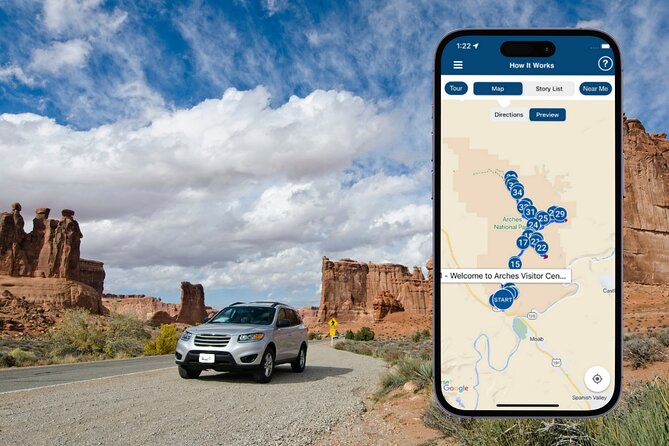
This bundle is built for one big idea: you drive. The app handles the rest.
After you book, you get setup instructions and a password by email/text. You then download Action’s Tour Guide App (with the tour) while you’re in strong wifi/cellular. The key point for your trip: once downloaded, it works offline. So in the red-rock country where service can vanish, your tour keeps going.
When you’re onsite, you open the Action app, choose the version that matches your planned starting point and direction, and start at the first story point. From there, audio plays automatically as you move to the next location. That means fewer button presses, fewer map checks, and a smoother flow for photos and short walks.
I also like that you’re not locked into a tour clock. You can pause for snacks, stretch your legs, or linger at a viewpoint. You can also skip stops you don’t care about and keep the rest.
One practical tip: plan to charge your phone. Bluetooth audio and GPS-driven cues use power, and Utah drives can be long.
You can also read our reviews of more tours and experiences in Utah.

Arches National Park: Over 40 Stories and a Route Built for Slow Wonder

Arches is the kind of park where you can drive past the best moments if you do not know what to look for. This audio route helps you avoid that.
You start with the Arches Visitor Center area, then you move into classic Moab scenery: overlooks of the La Sal Mountains, fault and district views like Moab Fault Overlook and North Park Avenue, and the early set-piece arches and rock formations along the road.
What I like about the way the route is structured is that it mixes viewpoints and short stops with places where you’ll likely want to get out of the car. You’ll hear guidance for key icons and the in-between scenes, including:
- Balanced Rock Trail (a short walk tied to the formation)
- The Windows Road area (for that framed-arch feeling)
- Double Arch and Panorama Point
- Cove of Caves and Delicate Arch
- Fiery Furnace viewpoints and the surrounding features
- Sand Dune Arch and Devil’s Garden Trailhead areas
Arches is also where the “menu” approach really matters. The full route is listed as 50+ miles and 40+ audio stories, typically taking about 2–3 hours to complete if you do the stops you want. If you’re tight on time, you can still get a strong day by focusing on the stories that correspond to the icons you care about most.
Possible drawback: because the route is long, if you try to do Arches plus several other parks in one day, you may feel rushed. I’d treat Arches as a half-day anchor.
Canyonlands: Big Mesa Views, Mesa Arch, and the Value of Getting the Names Right
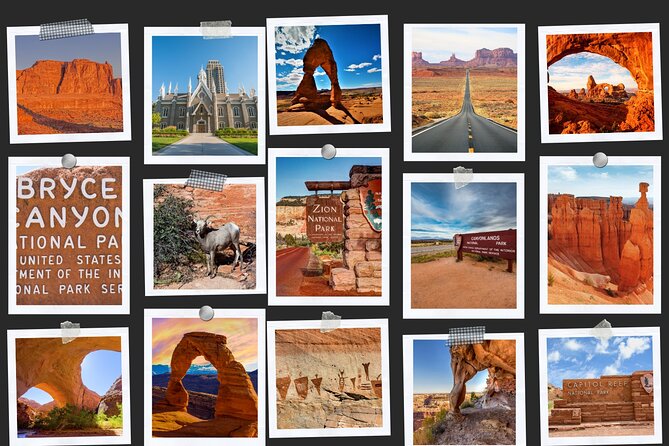
Canyonlands can feel overwhelming at first. The audio helps because it gives you the “what am I looking at” layer while you’re driving.
This version focuses on the Island in the Sky area (plus key overlooks and connections). You’ll go through classic photo-and-view territory, including:
- Monitor and Merriamac Rock Formations
- Big Mesa Viewpoint and Plateau Viewpoint
- White Rim viewpoints and scenic pullouts
- Dead Horse Point State Park connections
- Island In The Sky Visitor Center
- Shafer Canyon Overlook
- The Neck and Lathrop Canyon
- Mesa Arch and Green River Overlook
Then the route expands to memorable geological features and lookouts like:
- Upheaval Dome
- Whale Rock
- Candlestick Tower Overlook
- Grand View Point Overlook
There’s also time to choose how you want to move through it. Some stops are simply “look from the road.” Others are places where you’ll probably want to step out and check the view from closer range.
A practical note: Canyonlands is a park where distance from overlook to overlook adds up. If you’re prone to long photo sessions, you’ll want extra buffer time. The listed Canyonlands segment is about 3 hours, so again, plan your overall day with daylight in mind.
Bryce Canyon and Zion: Icon Vistas Plus Two-Way Routing That Helps Your Schedule
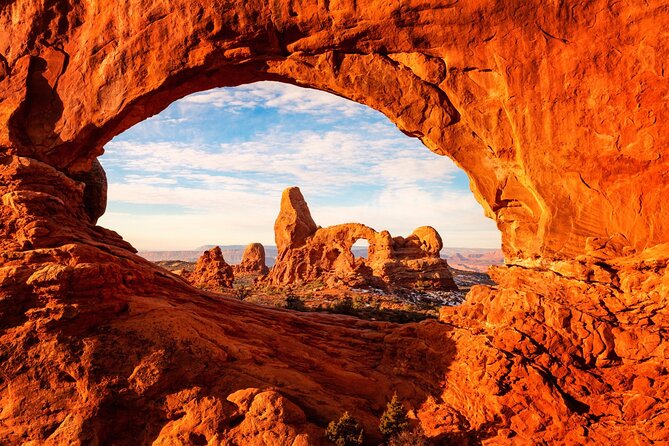
Two Utah parks, two very different moods. This bundle treats them as separate driving experiences, each with its own rhythm.
Bryce Canyon: Hoodoos, Viewpoints, and a Route That Helps You Spot the Shapes
Bryce is built for stopping. The audio route takes you through key overlook points and the classic amphitheater area, including:
- Visitor Center
- Fairyland Point
- Sunrise Point and Sunset Point
- Inspiration Point and Bryce Point
- Paria View and Swamp Canyon Overlook
- Farview Point, Natural Bridge, and Agua Canyon
- Rainbow Point and Red Canyon Arch
I like Bryce for the fact that even short stops teach you something. The audio helps you connect what you see—the hoodoo shapes and the way the park’s viewpoints line up—so you don’t just collect photos.
You’ll likely spend extra time at Bryce Amphitheater, because that’s where the views demand more standing still.
Zion: Two Routes, One Experience, and the Importance of Starting Correctly
Zion is where your planning choice matters most. The tour notes two routes and one unique experience: you can go from the Springdale Visitor Center to the East Entrance, or do it in reverse.
On the drive, you’ll encounter major stops and story points such as:
- Zion Canyon Visitor Center
- Zion Human History Museum
- Zion Canyon Junction Bridge
- Court of the Patriarchs
- Zion National Park Lodge
- Emerald Pools
- Angel’s Landing area (story stop tied to the route)
- The Grotto Picnic Area, Weeping Rock, and other corridor highlights
- The Zion-Mount Carmel Tunnel
- Altar of Sacrifice
- Checkerboard Mesa
- East Entrance Ranger Station
Possible drawback: if you start in the wrong direction, you can feel like the tour isn’t matching what you expected. For Zion, choose the version that matches your planned start and direction so the audio cues line up with your driving order.
For families, Zion can be a great option because you can get big scenery with less hiking than some other parks. Still, it’s a busy park overall, so early timing helps if you’re trying to avoid stress.
Capitol Reef and Monument Valley: Desert Details You’d Miss Without the Audio
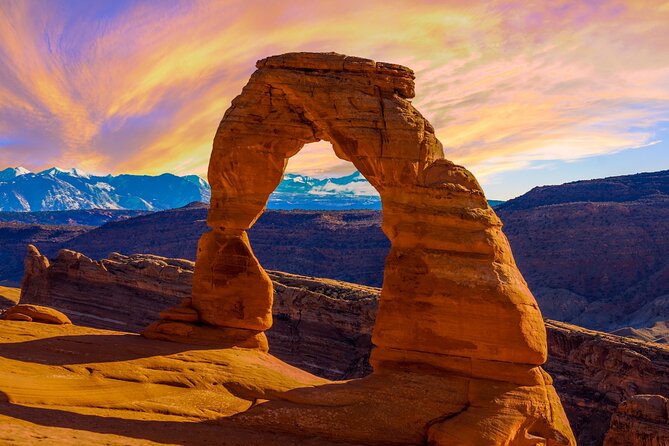
This is where the bundle goes beyond the biggest crowd magnets.
Capitol Reef: Overlooks, Historic Stops, and Human Stories Along the Road
Capitol Reef often feels quieter, and the audio route reflects that. You’ll go from iconic rock formations into more lived-in history stops, including:
- Twin Rocks, Chimney Rock
- Goosenecks Overlook and Fluted Wall
- The Castle
- Visitor Center and formation-focused viewpoints
- Ripple Rock Nature Center
- Historic District and the Mail Tree
- Fruita Barn and other Fruita-area stops
Then you shift toward homesteads and old locations like Gifford Homestead and Fruita Schoolhouse, along with features such as Petroglyphs and trailheads including Hickman Bridge Trail and Grand Wash Trailhead.
I like that Capitol Reef’s story points aren’t only about rocks. The audio adds a sense of time depth, so your drive feels more complete.
Possible drawback: the route includes more potential stop-and-walk options than you might expect. If you’re traveling with people who want minimal walking, you can still enjoy the drive by treating it as viewpoint-only and skipping trailheads.
Monument Valley: John Ford Points, Midday Heat, and a Sunrise Suggestion
Monument Valley is “set piece” country, and the audio route leans into that cinematic feel with named stops like:
- John Ford Point and Ericson Cly Memorial
- Forrest Gump Point
- West Mitten Butte and East Mitten Butte
- Merrick Butte and Three Sisters
- Artist’s Point
- Camel Butte & Elephant Butte
- North Window Overlook (listed as a sunrise recommendation)
One practical note: Monument Valley’s distances and pullouts can be spread out. If you plan to do more than Monument Valley in the same day, make sure you’re not cutting it too tight between parks. The segment is about 3 hours, but your time can stretch with photo stops.
Grand Staircase-Escalante, Goblin Valley, and La Sal Mountain Loop: Utah’s “Not-On-Every-Route” Side

These stops help the bundle feel like more than a Mighty Five checklist.
Grand Staircase-Escalante: You Get a Giant’s Staircase Drive with Two Starting Options
Grand Staircase-Escalante is described as a “giant’s staircase” and the audio route matches that idea with a long view, stop-driven structure. You can start from either the Red Canyon Visitor Center or Torrey’s UT-12 location (so you can work the drive around where you’ll be sleeping).
Stops include:
- Red Canyon Visitor Center and Red Canyon Arch
- Bryce Canyon Park connection point
- Powell Point Vista
- Escalante Petrified Forest State Park and Interagency Visitor Center
- Kiva Koffeehouse
- Lower Calf Creek Falls and Upper Calf Creek Falls
- Heritage Overlook, Homestead Overlook, and Larb Hollow Overlook
This is one of the better parts of the bundle for travelers who like being a little off the beaten path but still want a structured driving route.
Possible drawback: because this is a longer-feeling region, fog or storms can complicate timing. If the weather looks questionable, I’d plan your “must-see” stops first and keep the rest flexible.
Goblin Valley State Park: Jurassic-Time Storytelling While You Drive Through the Weird
Goblin Valley is set up as a journey back in time. The tour gives you the origin story: about 170 million years ago in the Jurassic Period, a shallow sea deposited layers of sediment that later shaped the valley into what you see today.
Even if you only spend a short time at the park, the audio makes the shapes feel less random and more like a readable set of results from deep time.
La Sal Mountain Loop: Colorado River Links, Utah Desert, and the “How Did This Happen” Angle
This route takes you along the legendary Colorado River region, through the Utah desert, and around the La Sal Mountains. The guide ties in the history thread, including Spanish explorers and even a dinosaur reference.
You’ll also get the scale idea: the La Sal peaks nearly reach 13,000 feet. Even from the road, that kind of height changes how the whole area feels.
This segment is about 2 hours, which makes it an easy add-on if you already have a plan for nearby parks.
Salt Lake City Tabernacle and Canyonlands Needles: Finish with Culture and Rock Art

After days of big geology, it’s nice when the bundle gives you something different.
Salt Lake City: The Tabernacle Built for Big Gatherings
The tour’s Salt Lake City stop focuses on the Salt Lake City Tabernacle, built between 1863 and 1867. The audio context is simple and useful: it was designed for large gatherings and events for the Mormon Church.
This is a good last stop if your Utah trip includes both nature and city time, and you want a story-led way to see a notable site without trying to build a separate plan.
Needles District Canyonlands: Newspaper Rock and the Wooden Shoe Overlook Area
This Canyonlands segment highlights the Needles District, including:
- Newspaper Rock (ancient rock art)
- Pothole Point (desert views)
- Wooden Shoe Overlook
If you skipped the Island in the Sky style route earlier, this is a strong way to see a different part of Canyonlands without needing another full planning session. It’s about 3 hours as listed, so it fits well as a second Canyonlands day if you’re committed.
Price and Logistics: What $49.99 Buys You (and What It Doesn’t)
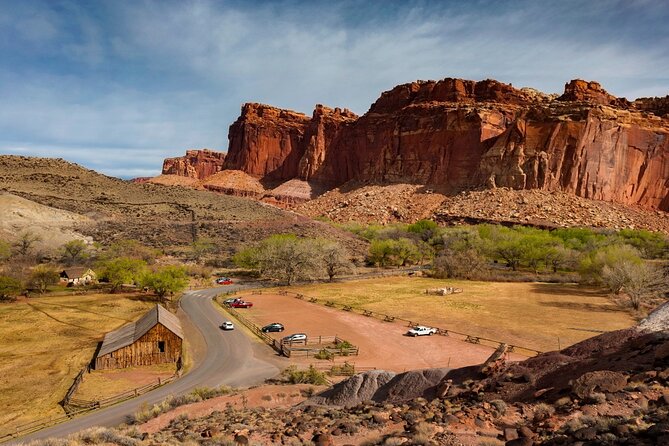
The cost is $49.99 per group, up to 4 people. That’s the part that makes it feel like real value, because you’re paying for one audio experience you can use together in one car.
What you get:
- A full-day-style bundle idea (listed at about 1 day 9 hours)
- Multiple park routes and audio story sets
- Offline maps so you’re not dependent on cell service
- Lifetime access, no expiry, so you can replay parts later
What you don’t get:
- Park entry passes or reservations (the tour itself is the narration and route guidance)
- A guide meeting you onsite (you’re starting on your own at the story start point)
In my view, this kind of bundle is strongest if you want structure without giving up freedom. If you already know you’ll want to drive yourself around Utah and you’re tired of researching each park on your phone, the value makes sense fast.
If, on the other hand, you know you want a very tight, pre-set itinerary with escorts, then you might feel this is too hands-off. The audio is the companion, not a human who can adjust to your group in real time.
Who This Works Best For
You’ll likely love this bundle if:
- You’re traveling with 2–4 people in one car and want everyone to share the same narration
- You want to learn while you drive, without doing heavy planning each day
- Your family likes a schedule with flexibility, not a hard group deadline
- You’re comfortable navigating to starting points and following audio cues
It’s also a good fit if you plan to revisit Utah. Lifetime access means you can use it on a future trip, or even split the parks across multiple weekends.
If you have mobility limits, you can still use it, but the tour includes stops and trailheads in several parks. You’ll want to choose which story points you’ll treat as drive-by viewpoints versus quick walks.
Quick fixes if the audio or timing feels off
The bundle is designed to play automatically, but if you hit audio issues, the support team is available if you contact them. For best results, stick to the tour route and speed limit. Also, make sure you started the correct tour version for your starting point and direction, especially for Zion’s two-route structure.
If you ever buy the bundle for one person and later need to move it to another family member, support can help with transferring what you have available (based on how they handled a balance-transfer request).
Should You Book This Ultimate Utah Bundle?
Book it if you want an easy way to learn Utah while keeping control of your pace. The offline maps, GPS-triggered audio, and lifetime access make it a smart purchase for self-driven park days. Arches and Canyonlands are the perfect examples of where named viewpoints and story order help you see more than you would on a quick drive.
Skip it or rethink it if you know you’ll struggle with long distances between stops. This bundle covers a lot of Utah in one package, and the best experience comes from using it as a pick-and-choose day plan, not a pressure-cooker checklist.
If your goal is: drive, stop, listen, and let the parks make sense as you go, this bundle is built for exactly that.
FAQ
How much does the Ultimate Utah Bundle Self-Guided Driving Audio Tour cost?
It costs $49.99 per group, up to 4 people.
How long does the tour take?
The overall bundle is listed at about 1 day 9 hours. Each park stop also has its own duration (for example, Arches is about 2–3 hours; Canyonlands and Zion are about 3 hours; Bryce is about 3 hours).
Is it available in English?
Yes, the tour is offered in English.
Do I need cellular service during the tour?
No. You download the tour first (while you have strong wifi/cellular), and then it works offline afterward.
Do I get entry tickets to the parks included?
No. The tour does not include attraction passes, entry tickets, or reservations. The narration and route guidance are included.
Can I start and stop the tour whenever I want?
Yes. You can start anytime and pause anywhere, then resume later.
Do I need to meet a guide at a specific time?
No. This is self-guided. No one meets you at the start point.
What device setup do I need for audio in the car?
After downloading the tour app, you play it on your phone. For better car audio, you can connect via Bluetooth, USB, or AUX. Audio playback is compatible with Apple CarPlay, and Android Auto support is on the way.
What are the operating hours to use the activity?
It’s available Monday through Sunday from 6:00 AM to 9:00 PM.