REVIEW · TOKYO
Tokyo: 60min Panoramic Open Top Bus Tour with Audio Guide
Book on GetYourGuide →Operated by Hato Bus Co., Ltd. · Bookable on GetYourGuide
Tokyo makes you feel fast. This 60-minute open-top bus tour is built for exactly that—big views, simple flow, and city landmarks sliding by without the hassle of navigating trains. I like that you get GPS automated guidance in multiple languages, plus a Japanese-speaking guide, so you’re not just staring out at scenery with zero context.
What I really liked most is the nonstop, street-level feeling of seeing Tokyo’s skyline from an elevated, double-decker seat. Second, I found the route practical for a first taste of Tokyo Tower, Rainbow Bridge, and the Ginza area in one hour. One drawback to weigh: it’s not hop-on hop-off, and rain can mean a roof closure or even a cancellation.
In This Review
- Key Things I’d Prioritize
- Price and Value: What $14 Buys in One Hour
- Getting On the Bus: Tokyo Station Makes It Easy
- The Real Experience: Open-Top Timing and the “Breathe Tokyo” Factor
- GPS Audio in 8 Languages: How to Use It Without Stress
- Stop-by-Stop: What You’ll See and What It’s For
- Hibiya Park: The Calm Before the Landmarks
- National Diet Building: A Serious Start
- Toranomon: Tokyo Tower Approaches
- Tokyo Tower: The View Many People Hope For
- Rainbow Bridge and Tokyo Bay Area: Breeze + Water Views
- Odaiba and Toyosu: Modern District Energy
- Tsukiji Outer Market and Kabuki-za: Food and Theater Zones
- Ginza: Wrap-Up With a Shopping and City-Style Feel
- Comfort, Rules, and Common-Sense Tips
- Who This Tour Fits Best (and Who It Doesn’t)
- What the Strongest Reviews Point To
- Should You Book This Tokyo Panoramic Open-Top Bus Tour?
Key Things I’d Prioritize
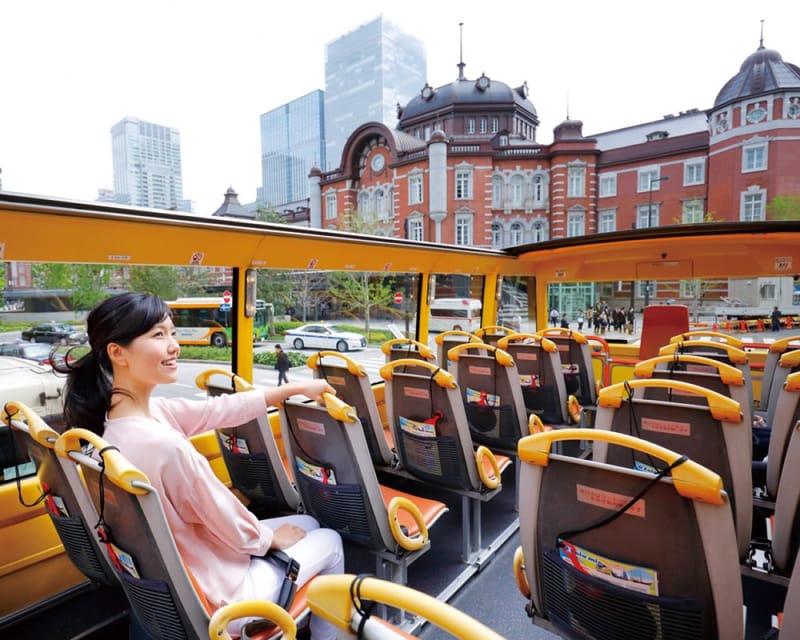
- GPS automated guidance in 8 languages keeps the route explanatory, not random.
- Double-decker open-top views give you that clear, above-the-roads perspective.
- Tokyo Tower and Rainbow Bridge passing-by means you see them as you move, not from one fixed stop.
- Continuous loop (not hop-on hop-off) keeps the pacing tight and easy.
- You must bring earphones and use your own smartphone for the audio/GPS experience.
- No food on the bus helps keep things tidy and rules-simple, but you’ll want snacks before/after.
Price and Value: What $14 Buys in One Hour
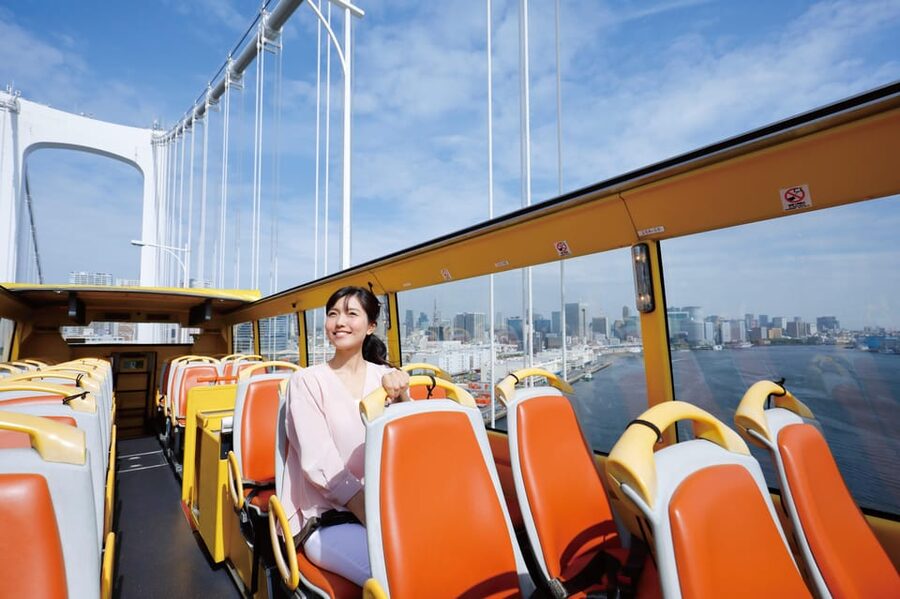
At about $14 per person for a 1-hour panoramic ride, this is the kind of deal that makes sense when you want skyline coverage without spending half a day on planning. You’re paying for three things: transportation by bus, a double-decker open-top viewpoint, and included audio.
If you’re already spending time around Tokyo Station, the starting point is a big value win. You don’t need hotel pickup, and you don’t need to coordinate transfers. In short: it’s a straightforward way to get oriented and get those postcard-like Tokyo moments without standing in ticket lines or walking miles.
The main trade-off is that you’re buying a view window, not a set of time for sightseeing on foot. If you’re hoping for long stops to explore inside places, this isn’t that. But for a first day, or a day when your legs want a break, the cost-to-time ratio is solid.
You can also read our reviews of more tours and experiences in Tokyo.
Getting On the Bus: Tokyo Station Makes It Easy
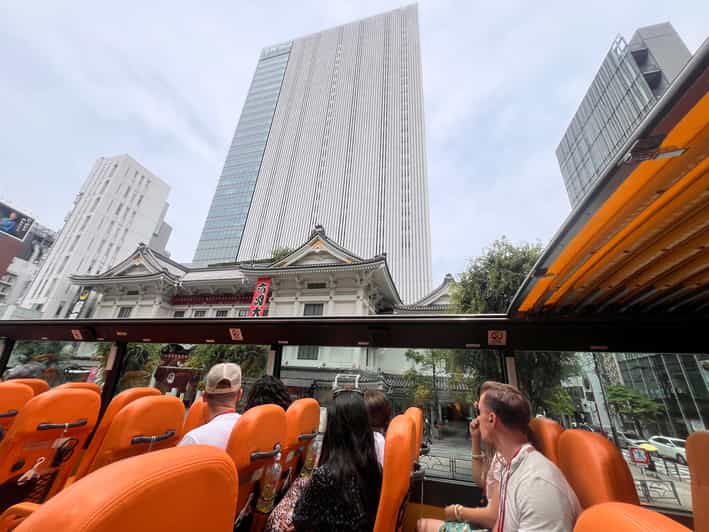
The tour meets at the Hato Bus Tokyo Office near the JR Tokyo Station Marunouchi South Exit. The guidance for finding it is refreshingly simple: when you exit, turn left and walk straight about 2 minutes until you see the yellow bus stop.
This location matters more than you might think. Tokyo Station is a hub, so it’s easier to fit this into your itinerary whether you’re staying nearby or commuting in from another area. Also, because the tour starts and ends in the same place, you don’t have to worry about ending your day far from where you want to be.
Practical tip: bring your smartphone ready before boarding. The experience depends on you having a device that can be used in Japan, plus your own earphones.
The Real Experience: Open-Top Timing and the “Breathe Tokyo” Factor
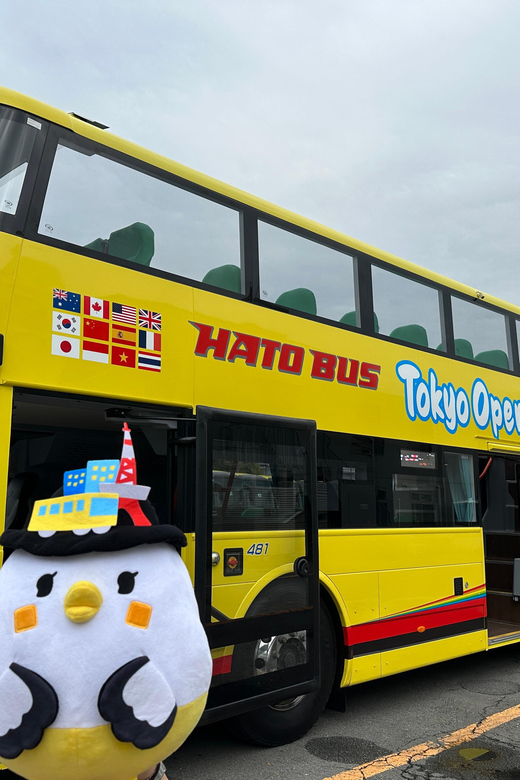
The promise here is that you’ll feel Tokyo’s movement, not just see it. Driving past major points and landmarks while you’re up higher gives you a more layered sense of the city—roads, water, towers, and dense neighborhoods all in one glance.
You’ll also notice the comfort factor: multiple ratings mention the ride feeling comfortable for an hour. For me, that’s important on an open-top bus, because comfort affects whether the views feel fun or tiring. In winter or cooler months, you’ll likely appreciate the roof situation if weather changes.
Two more details shape your expectations:
- Eating is not allowed on the bus.
- Drinks in plastic bottles are permitted, so plan to keep it simple.
If you’re a photo person, bring what you need to handle wind and light changes. Open-top means you’ll get a breezier feel than in a closed vehicle, but it also means conditions can shift quickly.
GPS Audio in 8 Languages: How to Use It Without Stress
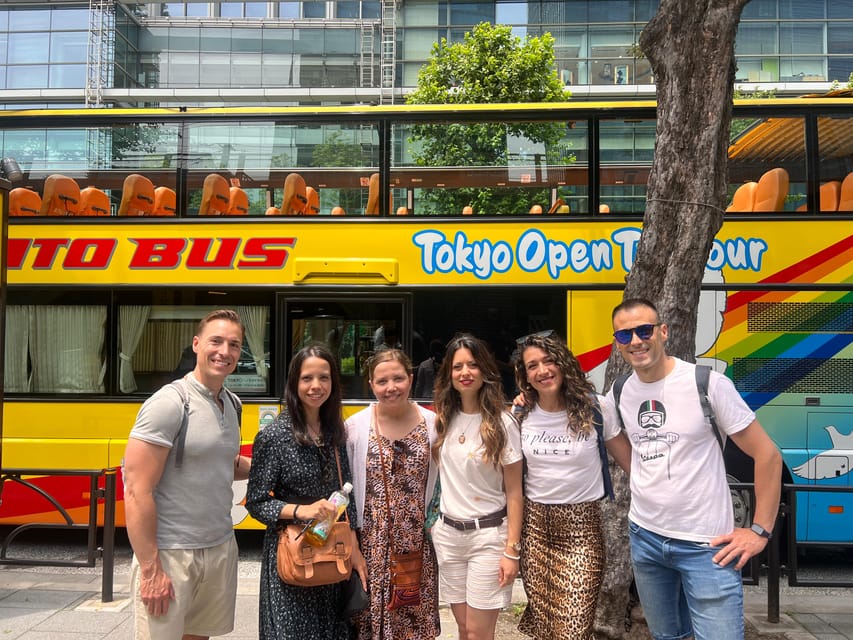
This tour includes an audio experience through a GPS-based automated guidance system in eight languages, including English, Chinese, Korean, Spanish, French, Thai, Indonesian, and Vietnamese. There’s also a Japanese-speaking guide on the tour.
Here’s what you should know to avoid frustration:
- You’ll need a smartphone that can be used in Japan.
- You’ll need your own earphones.
- GPS devices and earphones are not provided for rental.
- The system is provided free of charge, but if technical issues happen (including earphone malfunction), no refunds are given.
So I’d plan like this: fully charge your phone, test your earphones before you line up, and keep your phone in good view and easy reach. If you rely on public Wi‑Fi, don’t count on it. Treat your phone like a tool you control, not something you’re waiting on.
Stop-by-Stop: What You’ll See and What It’s For

This tour is a single guided loop, and the stops below are pass-by moments. You’re not getting long walking time at each place, so think of them as “big view markers” that build a mental map of Tokyo.
Hibiya Park: The Calm Before the Landmarks
You’ll pass by Hibiya Park, a good early signal that you’re entering the “classic central Tokyo” zone. Even from the bus, this kind of green-adjacent area helps you understand Tokyo isn’t only skyscrapers—it’s a mix of formal city spaces and movement corridors.
Because it happens early, it also sets expectations for the ride: you’ll go from calmer urban areas into more iconic, high-recognition sights quickly.
National Diet Building: A Serious Start
Next comes the National Diet Building. From a bus viewpoint, you’ll likely notice scale and geometry first, not details. That’s actually useful—this is a landmark you can recognize instantly afterward when you see it in photos or maps.
If your Tokyo plan is about getting oriented, this pass-by helps you connect the center of Japan’s political presence to the rest of the city.
Toranomon: Tokyo Tower Approaches
You’ll pass through Toranomon, a corridor known for its dense office area feel. This is one of those “transition” zones on the route where the city’s tempo speeds up.
I like Toranomon on this kind of tour because it helps you move from one iconic point to the next without the tour feeling like it’s jumping randomly between unrelated areas.
Tokyo Tower: The View Many People Hope For
Tokyo Tower is a highlight for a reason. One review specifically called out that seeing it from different angles was interesting, and that it’s not easy to get those angles through everyday wandering.
From an open-top double-decker, you’re positioned to catch more of the tower’s structure as you move past. It’s also the kind of place where lighting changes quickly, so you’ll often see something different every second.
If Tokyo Tower is on your must-see list, you’ll probably feel satisfied even with limited time. This pass-by can be enough to “check it off” visually.
Rainbow Bridge and Tokyo Bay Area: Breeze + Water Views
Then you pass Rainbow Bridge and the Tokyo Bay area. This is where the open-top angle really pays off: you feel the wind more, and the city suddenly includes water and wide-space views.
Rainbow Bridge passing by gives you a key Tokyo image—something you can later connect to Odaiba and the bay-side neighborhoods. In practical terms, it also adds variety. You’re no longer only looking at buildings; you’re seeing a major piece of Tokyo’s geography.
Odaiba and Toyosu: Modern District Energy
You’ll continue with Odaiba and Toyosu. These are modern, recognizable areas, and from the bus you get the sense of new infrastructure and wide urban layouts.
On a walking day, these areas can eat time. From the bus, you get a guided “first glance” that can help you decide if you want to return later for a longer visit.
Tsukiji Outer Market and Kabuki-za: Food and Theater Zones
Passing Tsukiji Outer Market gives you a quick sense of a place people associate with food culture. Even if you don’t get time to browse, you’ll understand why it’s famous.
Then you pass Kabuki-za, the theater area where Tokyo connects daily life with traditional performance. Again, this is a pass-by moment—no long exploration here—but it still helps you map the city’s entertainment and cultural landmarks into your mental layout.
Ginza: Wrap-Up With a Shopping and City-Style Feel
Finally, you reach Ginza before returning back to the meeting point. Ginza gives you a sense of refined city bustle. It’s a good landing zone for ending a tour like this because it’s easy to continue your day afterward on your own terms.
Since the tour ends back at the Hato Bus Tokyo Office, you’re not left guessing how to get out of the area. You’ve got a known starting point, and that reduces stress.
Comfort, Rules, and Common-Sense Tips
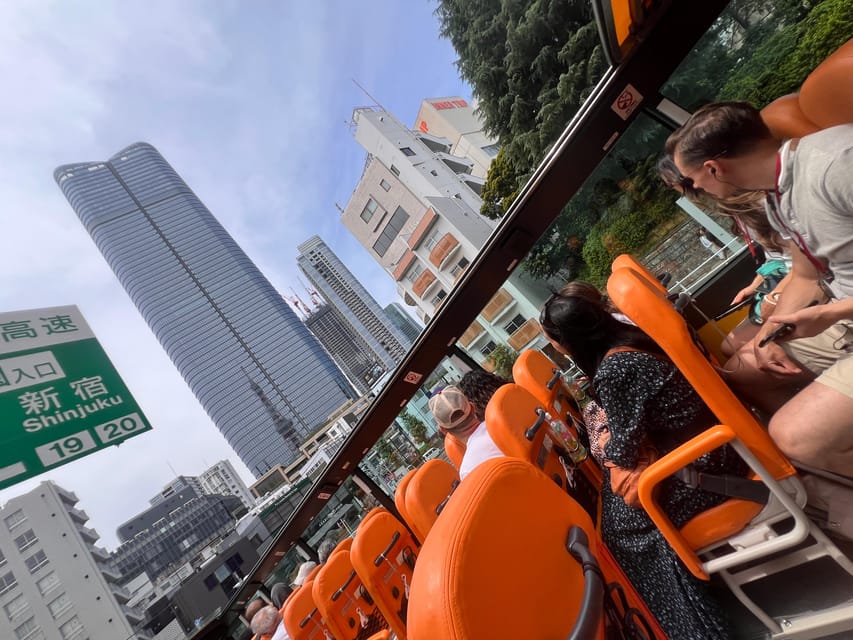
This is an hour-long sightseeing loop, and it’s meant to be simple.
A few rules matter:
- No eating on the bus.
- Plastic bottled drinks are permitted.
A few personal prep tips matter just as much:
- Bring earphones and expect to use your smartphone.
- Wear layers if you expect any cool wind on an open-top deck.
- Keep your phone charged. You’ll be using it for the GPS/audio experience.
And because the tour can be affected by weather, I recommend having a plan for alternative indoor time if skies change. The bus roof may close in rain, and in heavy weather the tour may be canceled. That’s not unique to this company, but it’s worth building flexibility into your schedule.
Who This Tour Fits Best (and Who It Doesn’t)

This tour is a smart match if you:
- Want a fast panoramic introduction to Tokyo.
- Like the idea of iconic sights like Tokyo Tower and Rainbow Bridge without navigating multiple train transfers.
- Have limited time or want an easy day with minimal walking.
- Prefer a guided experience with audio in multiple languages.
It may be less ideal if you:
- Want to get out and explore each landmark for a long time (this is a pass-by loop, not hop-on hop-off).
- Are uncomfortable using a smartphone and your own earphones for audio.
- Need food during the ride (eating isn’t allowed).
What the Strongest Reviews Point To
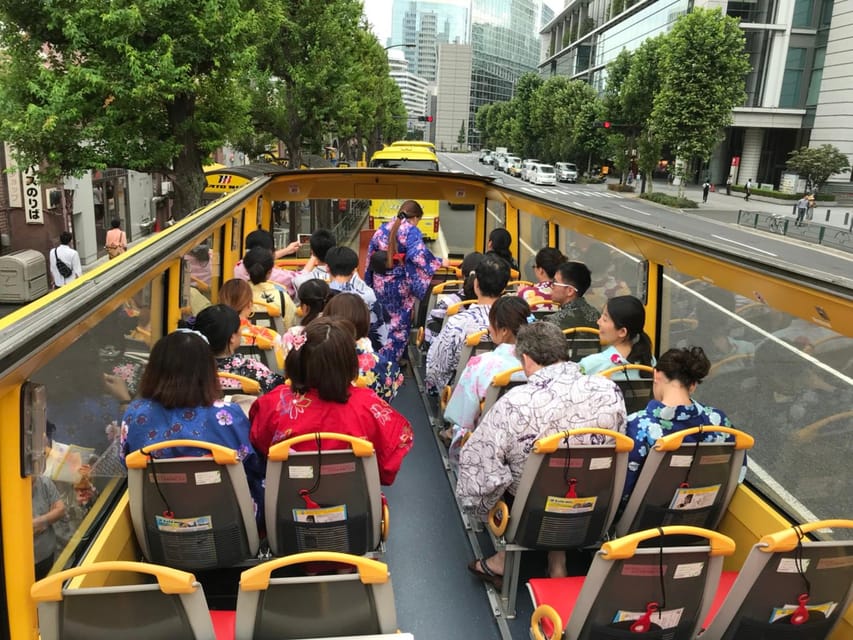
The most praised aspects line up with what you’d hope for from a short bus tour:
- People liked the comfort for a full hour.
- Tokyo Tower got a specific thumbs-up for being seen from multiple angles, which is exactly what a moving open-top vantage helps with.
- The route design was appreciated as a clean way to connect Tokyo’s major highlights.
- Instruction from the guide was described as complete throughout the trip, which makes a difference when you’re relying on audio and want clarity about what you’re seeing.
In other words: you’re not just buying a seat—you’re buying a guided “view sequence” that keeps the time feeling purposeful.
Should You Book This Tokyo Panoramic Open-Top Bus Tour?
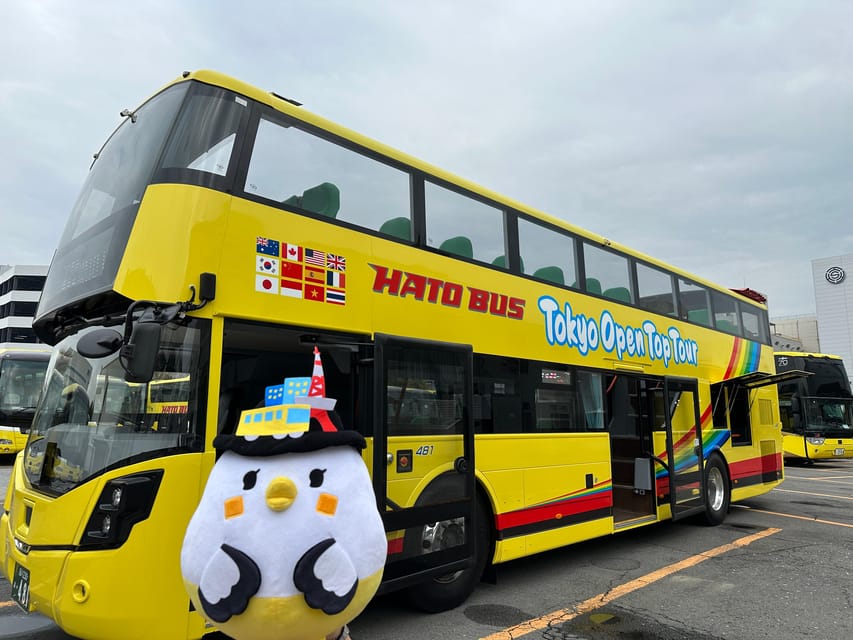
I’d book it if you want a high-impact, low-effort way to see Tokyo’s big names—Tokyo Tower, Rainbow Bridge, Ginza—within one hour from Tokyo Station. It’s especially good when you’re arriving, resetting your bearings, or taking a break from walking.
Skip it if your dream day is all about stopping for long stretches at viewpoints and attractions, because this is built around passing by landmarks, not extended exploration. Also skip it if you don’t want to use your smartphone and earphones for the GPS audio experience.
If you want one short Tokyo orientation ride that feels fun even when you’re tired, this is a strong pick.