REVIEW · ATLANTA
The Civil Rights Movement in Atlanta: A Self-Guided Audio Tour
Book on Viator →Operated by VoiceMap Audio Tours · Bookable on Viator
Atlanta’s civil rights story is on the street.
This self-guided audio walk stitches together major landmarks at your own pace, from Sweet Auburn to Edgewood, without needing cell service. You get a pre-loaded route that can be started, paused, or restarted whenever you want.
I especially like the offline audio + maps setup—once you download, you’re not stuck hunting for bars. And I like that the route keeps you moving between real places: churches, King-related sites, and public art, so the story feels grounded instead of museum-only.
One thing to consider: it’s not a live guide. If you’re worried about navigation, I’d plan to keep a backup map app handy, since the route depends on your phone’s GPS.
In This Review
- Key Things I’d Pay Attention To
- Why This Self-Guided Civil Rights Walk Works in Atlanta
- Price and Time: What $11.99 Gets You
- The Logistics That Actually Matter: Download, Start Point, and Headphones
- Getting Oriented at Atlanta Breakfast Club on Auburn Ave
- Wheat Street Baptist Church: The Story Begins on a Real Block
- Ebenezer Baptist Church and Martin Luther King Jr. Connections
- King Center: A Place Designed to Mean Something
- Martin Luther King Jr. Birth Home: Pause Where It Started
- International Civil Rights Walk of Fame: Names You’ll Recognize
- Jackson Street Bridge and Freedom Park Trail: Movement With Meaning
- Homage to King and Sister Louisa’s: Memorial Meets Local Character
- Municipal Market, John Lewis Mural, and John Wesley Dobbs Plaza
- Ending at Madam CJ Walker’s: Finishing With Atlanta Pride
- Should You Book This Civil Rights Movement Audio Tour?
- FAQ
- How long is the Civil Rights Movement in Atlanta self-guided audio tour?
- What does the tour cost?
- Is the audio available offline?
- What language is the tour offered in?
- What app do I need to use the audio tour?
- Where is the meeting point?
- Do I need tickets for places along the route?
- Is this tour shared with other people?
- What do I need to bring with me?
- Is the tour refundable?
Key Things I’d Pay Attention To
- Offline listening and routing after you download in advance
- Church stops that connect to MLK without turning it into a lecture
- A walking pace you control, with brief pauses at key points
- Public art and memorial moments (like John Lewis and Homage to King)
- A route that finishes near where you start, so you can keep your day simple
- Sister Louisa’s stop where you can choose to pop inside if you want
Why This Self-Guided Civil Rights Walk Works in Atlanta

This tour is built for slow walking with your attention turned outward. You’re not trying to read every plaque while dodging traffic. Instead, you walk, press play when you’re ready, and let the audio explain what you’re looking at.
I like how the route is focused on a tight set of meaningful sites rather than a scattered checklist. You’ll spend your time where people actually gathered, protested, preached, and organized. That matters, because the Civil Rights Movement isn’t just an idea—it’s tied to specific buildings and specific blocks.
The style also feels practical. The audio pauses briefly at several stops, but you keep moving for the transitions. So you get context without losing your momentum. If you’ve only got a morning or an afternoon, this is a good way to get real Civil Rights Movement context while staying out of crowds.
You can also read our reviews of more tours and experiences in Atlanta.



Price and Time: What $11.99 Gets You
At $11.99 per person for about 1 hour 30 minutes to 2 hours, this is one of those “pay once, use as long as you stay in the app” deals. The big value is lifetime access, meaning you can redo it later if you want a second pass after you’ve learned more about the era.
You also get offline audio, maps, and geodata through the VoiceMap app for Android and iOS. That’s a real cost saver if you don’t want to rely on roaming data all day. And because it’s self-guided, you aren’t paying for peak-hour staff time—your money goes into a route you control.
The main trade-off is that you’re doing it without a person to answer questions on the spot. The audio covers the essentials, but if you want deeper follow-ups or to argue a specific historical point, you may prefer a live tour. Still, for a first or quick grounding in Atlanta’s Civil Rights landmarks, this price is easy to justify.
The Logistics That Actually Matter: Download, Start Point, and Headphones
This tour runs in English, and it’s designed to work even if you have no cell reception once you’ve downloaded. That means your best move is to plan ahead and test the app before you walk far.
You’ll need your own smartphone and headphones. Tickets and entrance fees to museums or other attractions along the way are not included, so don’t assume every stop is a quick indoor visit. Some places you can simply view from outside and learn via audio. Others you might choose to enter, depending on what you feel like doing that day.
Navigation is the one area where you should be a little cautious. A self-guided GPS route can go sideways if your phone loses signal or updates slowly. I’d keep a backup map app open so you can confirm you’re still on track.
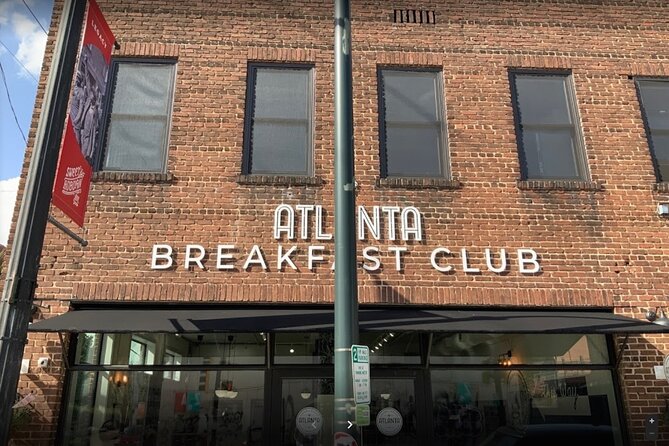
Finally, you start and end at the same home base: Atlanta Breakfast Club Chicken and Waffle Nitro Coffee Counter, 340 Auburn Ave NE, Suite-A. That’s helpful. If you need water, a bathroom break, or a quick reset, you can return to familiar ground.
Getting Oriented at Atlanta Breakfast Club on Auburn Ave
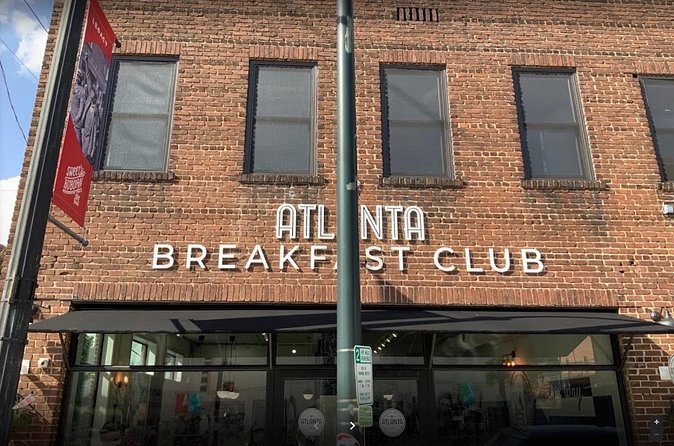
Your tour begins at a place that makes sense in Atlanta: breakfast first, history second. The meeting point is Suite-A at Atlanta Breakfast Club on 340 Auburn Ave NE. Show up with enough time to plug in headphones and start the route before you’re rushing to meet a sunset deadline.
Because the audio includes maps and geodata offline, you’ll want to make sure your app is fully ready before you leave the start area. This also helps you avoid that annoying moment when you’re standing on the sidewalk trying to tap menus while traffic does its thing.
This is also a good spot for a morale boost. Even if your historical focus is serious, you can still start the walk with a coffee and a snack. The tour is self-paced, so you can take short breaks without feeling like you’re holding anyone else up.
Wheat Street Baptist Church: The Story Begins on a Real Block
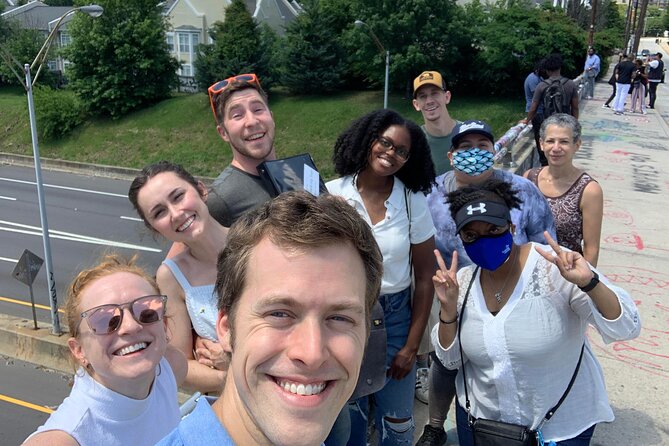
Your first big moment is a brief stop outside Wheat Street Baptist Church. The audio starts with a bit of background, then encourages you to keep walking while the narrative continues.
What I like about starting with a church landmark is that it sets the tone fast. This movement wasn’t just speeches in grand halls. It was organizing tied to places of worship, community, and leadership. Even a short stop outside tells you that the story is built from real-world gathering points.
A drawback: because the stop is outside and brief, you won’t get a deep, inside-the-building experience here. If you want to see how spaces look and feel from within, you might consider pairing this audio walk with additional time at sites that offer public access.
Still, as an opener, it works. It gives you context so the later MLK-linked stops land with more meaning.
Ebenezer Baptist Church and Martin Luther King Jr. Connections
Next, you’ll get a brief stop outside Ebenezer Baptist Church. The audio focuses on the church and how it connects to Martin Luther King Jr., then you move on.
This stop matters because it reinforces a theme you’ll see repeatedly: Atlanta’s story is not just about one man’s journey. It’s also about institutions, networks, and community leadership. Hearing the church’s connection to MLK helps you understand why these places became pillars in national conversations about civil rights.
Practical note: treat this as a moment to slow down and look around. Even from outside, you can often spot how the surrounding streets and block layout shape how people moved and gathered.
And because this is a self-guided walk, you’re free to pause longer if you want. No group schedule. No “next stop” pressure.
King Center: A Place Designed to Mean Something
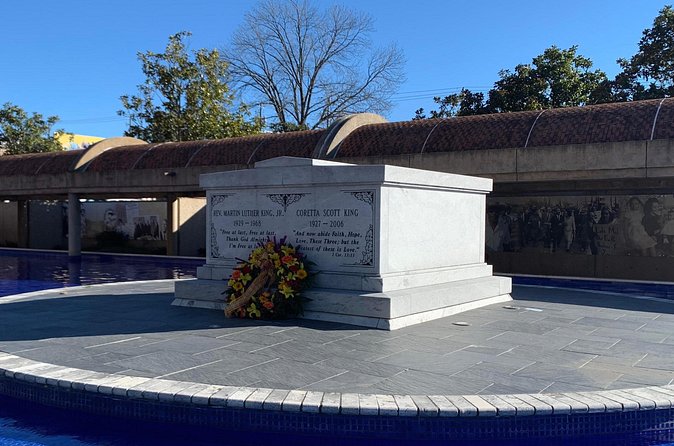
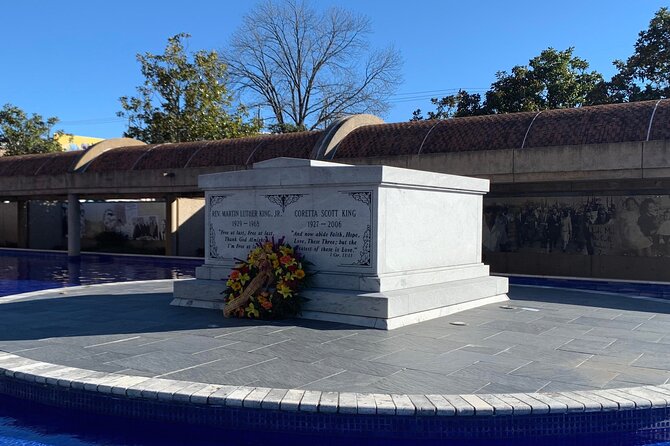
One of the most meaningful parts of the tour is your chance to look around the King Center. While you explore, the audio explains what the King Center represents and why it was created.
This is one of those stops where I’d give yourself an extra minute or two, even if your pace is otherwise brisk. The audio can’t replace seeing the setting for yourself. The King Center is meant to signal memory and purpose, and the physical space helps you feel that purpose rather than just hear it.
The benefit of doing this as audio rather than a guided script is that you can match the pace to your mood. If you want to speed through, you can. If you want to stand still and take in details, you can.
One consideration: if you’re hoping for a full museum-style experience, this tour keeps the focus on the walk and the meaning of the site from where you are. You may want to plan separate time if you want deeper exhibits.
Martin Luther King Jr. Birth Home: Pause Where It Started
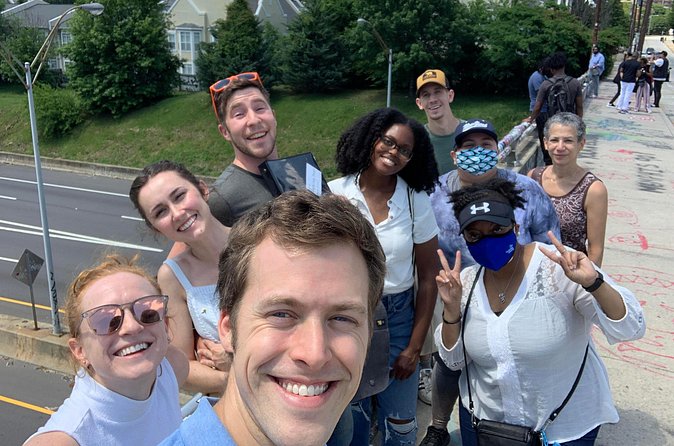
The audio then gives you time to pause outside the birth home of Martin Luther King Jr. While you continue walking, you’ll hear more about the birth home.
I like this moment because it shifts the story from public impact back toward origins. It reminds you the Civil Rights Movement didn’t appear out of nowhere. People develop, families shape values, and early environments matter—even when the later world is what makes the headlines.
This is also a good spot to practice respectful attention. Keep it quiet. Look, listen, then keep moving. You’re standing near a life story, not a generic attraction.
If you’re the type who likes to take photos for memory, do it quickly and then return your attention to the audio. The strongest value here is the combination of place + narration.
International Civil Rights Walk of Fame: Names You’ll Recognize
As you move along, the tour takes you through the International Civil Rights Walk of Fame. Here, you’ll hear about some of the famous faces you’ll see along the way.
This stop is where the audio helps you turn what could be just signatures or plaques into a mental map of who mattered and why. It’s also a nice break from churches and memorial structures, even though the theme stays the same.
Don’t rush this section. The point is to read enough to connect names to the broader story. If you’re a history fan, you might recognize several figures and pick up small new angles from the audio.
If you’re not super into names, don’t worry. You can still enjoy it as a visual timeline. The audio does the connecting work.
Jackson Street Bridge and Freedom Park Trail: Movement With Meaning
The tour then briefly stops on the Jackson Street Bridge, where you’ll hear background about the bridge and how it’s been featured, plus landmarks you can see from the bridge.
After that, you’ll walk along part of the Freedom Park Trail, learning about its history and what it represents.
I like this pair because it changes your perspective. You go from street-level monuments to a viewpoint. It helps you understand Atlanta’s geography—how neighborhoods and routes relate to each other, and how movement is part of the story itself.
A practical tip: bridges can also be windy. If you’re using lightweight headphones, make sure they stay put. And if you’re stopping to look around, step out of the heaviest pedestrian flow.
If you’re traveling in warm weather, plan water breaks. You’re outdoors for most of the tour, and this part of the route sits on a trail section where you feel the sun.
Homage to King and Sister Louisa’s: Memorial Meets Local Character
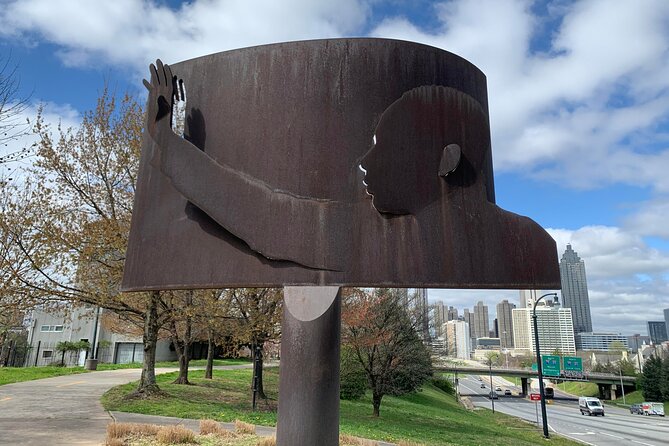
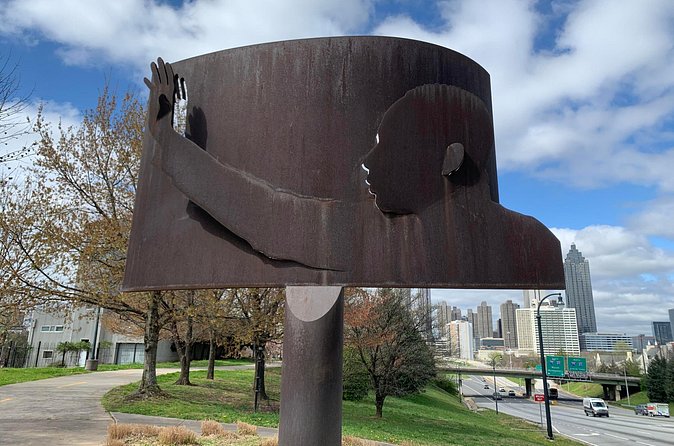
You’ll stop briefly in front of Homage to King, where the audio covers the origins of the sculpture before you continue. Then you’ll reach the unusual Sister Louisa’s Church of the Living Room & Ping Pong Emporium, with audio about its history and an option to pop in if you wish.
This is a fun stop because it shows how the Civil Rights story connects to living culture. The Homage to King moment keeps the tone respectful and reflective. Sister Louisa’s adds character and a sense of present-day community spirit.
I’d treat Sister Louisa’s as a choose-your-own-adventure moment. If you want to step inside, great. If you’d rather keep the walk’s timeline, you can enjoy it from outside and move on.
This is also a spot where a self-guided tour shines. A live group tour might never give you time to decide. Here, you control how long you linger.
Municipal Market, John Lewis Mural, and John Wesley Dobbs Plaza
Next comes Municipal Market, where the audio gives you context and also gives you an opportunity to pause for a treat inside. After that, you’ll stop in front of the John Lewis Mural, learning about John Lewis before continuing.
Then the route takes you past John Wesley Dobbs Plaza, named for the man the plaza honors.
This section is where I’d plan a small break. Municipal Market can turn your history walk into a more human, less exhausting afternoon. You’re still on theme, but you’re also letting your body recharge.
The John Lewis mural stop is another anchor moment. Public art can be powerful because it’s meant for passersby, not just people who bought a ticket. Hearing the audio as you see the mural helps you read it as a message rather than decoration.
And John Wesley Dobbs Plaza ties leadership to place. It reminds you the Civil Rights Movement had many names and many roles, not only the most famous ones.
Ending at Madam CJ Walker’s: Finishing With Atlanta Pride
Your final stop is Madam CJ Walker’s, around the corner from where you start. You’ll hear about Madame CJ Walker and the significance of the building.
I like that the tour ends with this. It doesn’t only focus on the march-and-protest side of history. It adds a broader sense of impact—entrepreneurship, influence, and building a legacy in Atlanta.
Because it’s close to the start, it also makes the logistics easy. After finishing, you can return to the breakfast spot area without feeling like you’ve been dropped somewhere remote.
This ending works well for day planning. You can layer this tour with dinner plans nearby, especially since the route naturally leads you into the more active parts of downtown and surrounding neighborhoods.
Should You Book This Civil Rights Movement Audio Tour?
Book it if you want a self-paced introduction to Atlanta’s Civil Rights Movement sites, especially in Sweet Auburn and Edgewood. The offline setup is a big quality-of-life win, and the route is designed to keep you moving while still pausing for meaningful moments at churches, memorials, and public art.
Skip it (or plan extra time with a live guide) if you’re expecting a teacher. This isn’t a Q&A experience. It’s a well-structured audio route, so if you need deeper analysis or answers tailored to your interests, consider pairing it with another type of tour or doing additional reading after.
My final take: at $11.99 with lifetime access and offline use, this is solid value—especially for anyone who wants history on foot without the pressure of a group schedule.
FAQ
How long is the Civil Rights Movement in Atlanta self-guided audio tour?
It runs about 1 hour 30 minutes to 2 hours, depending on how long you pause at stops.
What does the tour cost?
The tour costs $11.99 per person.
Is the audio available offline?
Yes. Once downloaded, the tour works without cell phone reception, including offline access to audio, maps, and geodata.
What language is the tour offered in?
The tour is offered in English.
What app do I need to use the audio tour?
You’ll use the VoiceMap app on Android or iOS.
Where is the meeting point?
The tour starts at Atlanta Breakfast Club Chicken and Waffle Nitro Coffee Counter, 340 Auburn Ave NE, Suite-A, Atlanta, GA 30312.
Do I need tickets for places along the route?
No tickets are included. Any museum or attraction entrances would be on you if you choose to go inside.
Is this tour shared with other people?
This is a private tour/activity, so only your group participates.
What do I need to bring with me?
You’ll need your smartphone and headphones. Food and drink are also not included.
Is the tour refundable?
No. The experience is non-refundable and cannot be changed for any reason.