REVIEW · HEIDELBERG
Heidelberg: Scavenger Hunt Self-Guided Tour
Book on GetYourGuide →Operated by Stadtspiel Schnitzeljagd GmbH · Bookable on GetYourGuide
Heidelberg turns into a puzzle game. You follow 11 sealed envelopes to see big sights like the Old Bridge while choosing your own pace. It’s sightseeing with a mission, and that small structure keeps the walk from feeling random.
I really like the self-guided format. There’s no live guide hovering, so you can pause for photos, read signs, and move on when you’re ready. I also like the mix of views and streets, with river scenes by the Neckar plus the famous Philosophenweg area.
One thing to consider: the game is German-only, so if your group can’t read German comfortably, the riddles (and the fun) will be harder to enjoy.
In This Review
- Key highlights to know before you go
- Entering Heidelberg With a Box of 11 Clues
- Starting at Bismarckplatz, Without a Guide
- How the 11 Envelopes Keep the Walk Fun
- Philosophenweg and Schlangenweg: Where the Views Do the Talking
- The Old Bridge and Neckar Moments in the Middle
- Heidelberg’s Castle Area and the Optional Cable Railway to Königstuhl
- Timing, Distance, and Why the End Feels Easier
- Price and Value: $47 for a Group Up to 10
- German-Only Reality Check (And How to Make It Work)
- Who This Hunt Fits Best in Heidelberg
- Should You Book This Heidelberg Scavenger Hunt?
- FAQ
- How much does the Heidelberg scavenger hunt cost?
- How long is the scavenger hunt?
- Where does the hunt start, and is there a guide?
- What do I receive when I book?
- Do I need to pick up the box in Heidelberg?
- How do I start the tour time-wise?
- What language is the game available in?
- What should I bring with me?
Key highlights to know before you go
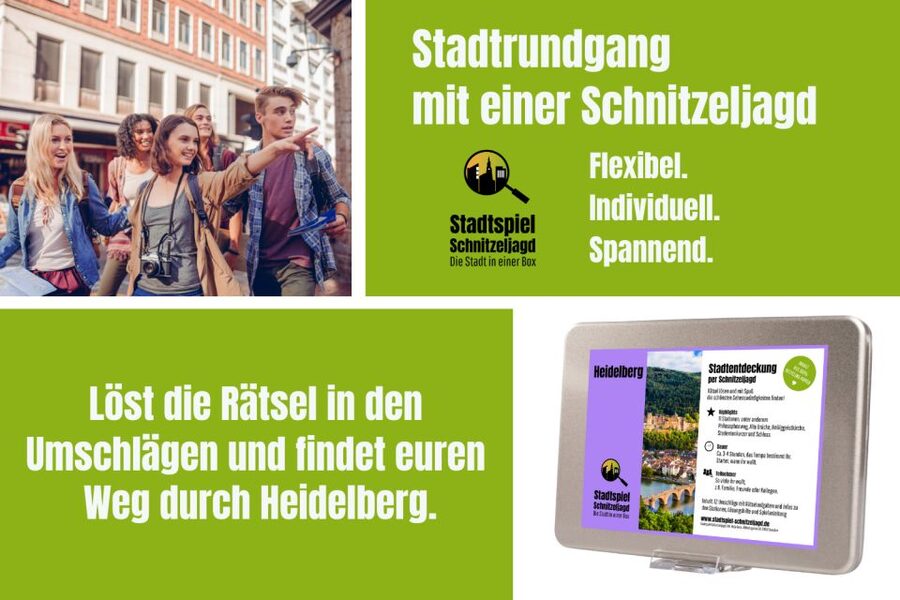
- 11 sealed, numbered envelopes drive the route and keep you focused without an app
- Bismarckplatz start means you get going fast once you have the box
- Philosophenweg and Schlangenweg offer a walk with real payoff in viewpoints
- Old Bridge and the Old Town give classic Heidelberg scenes in the mix
- Castle area is built in, with an optional branch by cable railway toward Königstuhl
- Emergency envelope with solutions helps if you’re stuck and want to keep moving
Entering Heidelberg With a Box of 11 Clues
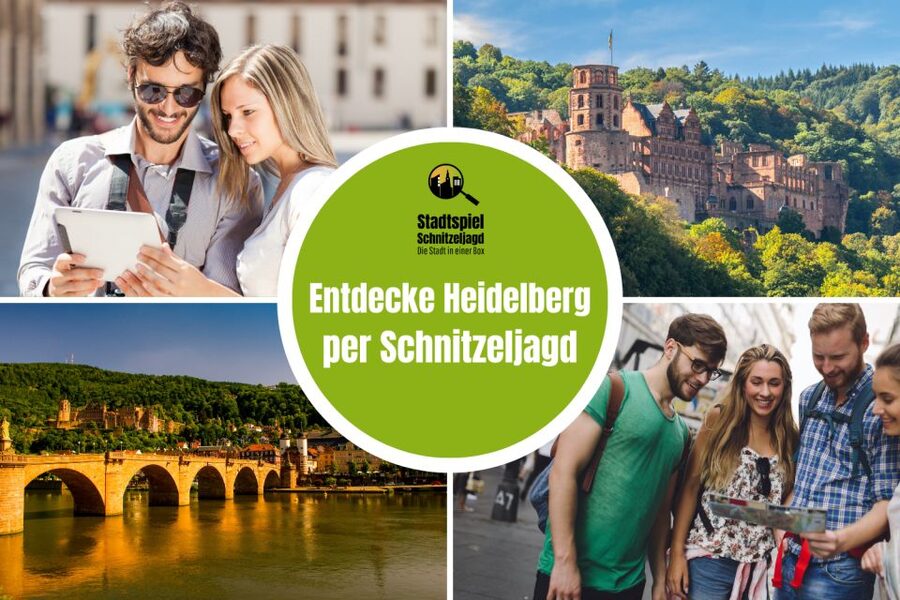
This Heidelberg scavenger hunt is designed for people who like their city exploring a little more active. Instead of listening to a lecture or following a fixed route with a group, you open numbered envelopes as you reach the next clue point. It’s a simple idea, but it changes how you notice the town: you’re looking for details, not just passing by them.
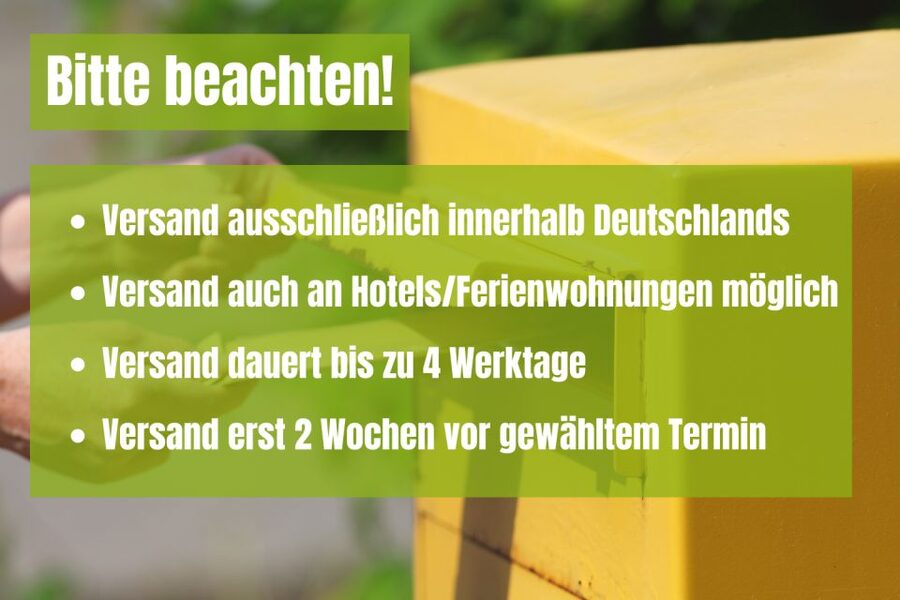
You get a scavenger hunt box shipped to your front door. Shipping takes about four working days within Germany, and it’s sent at the earliest two weeks before your chosen date. There’s no pickup in Heidelberg, so plan ahead and don’t leave it for the last minute.
Cost is listed as $47 per group up to 10 people, which is the big value angle. If you’re traveling with a small group, the per-person cost can feel surprisingly light compared with many guided alternatives. For larger groups, you choose one box per 10 people, since each box contains the envelopes for that team.
You can also read our reviews of more tours and experiences in Heidelberg.

Starting at Bismarckplatz, Without a Guide
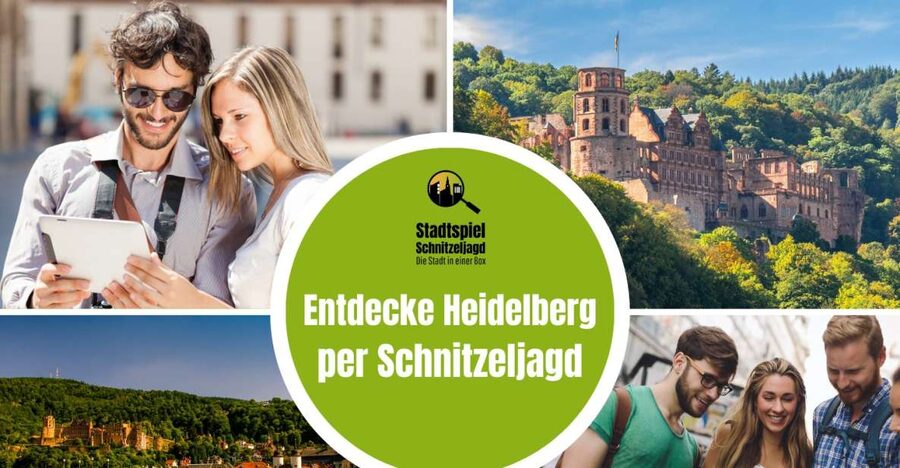
Your hunt starts at the meeting/start point in Heidelberg, and the adventure begins when you head to Bismarckplatz and open the first envelope. There’s no guide waiting there, so the format is very DIY. That’s good if you like independence, but it also means you’ll want clear shoes, a little patience, and your group ready to read.
Because the game is self-led, you’re not locked into a “one size fits all” schedule. You’ll work through the clues at your own pace, taking breaks when you want. One practical upside of this style is that you can slow down for photo stops, then speed up later if you’re on a timetable.
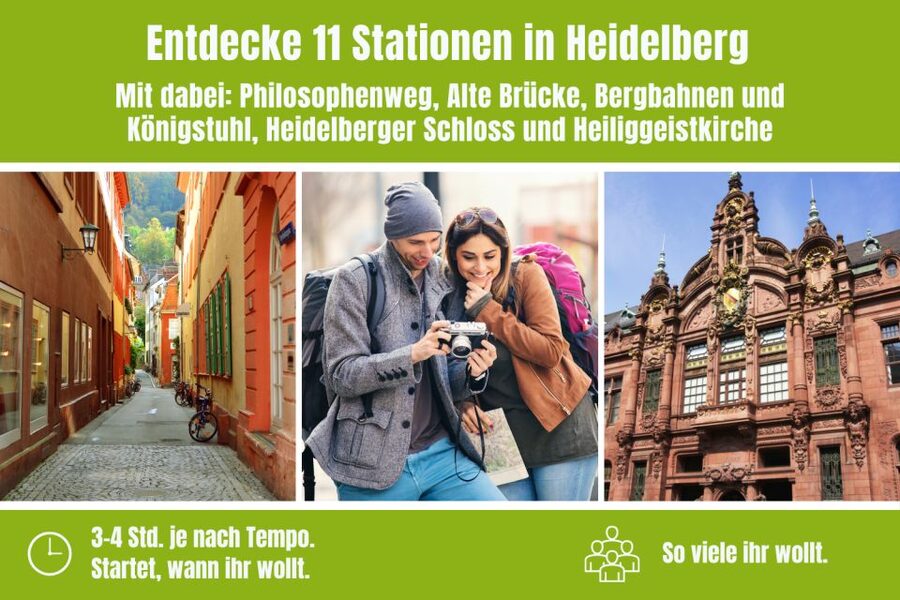
The total walking game time is 210 minutes. The clues and locations are planned so you’ll see a lot without feeling like the tour is constantly hurrying you.
How the 11 Envelopes Keep the Walk Fun
The heart of this experience is that your route is built around 11 sealed and numbered envelopes. Each one includes riddles, directions, and information or interesting facts. In real life, that means you’re not just trying to “find the next spot”—you’re also learning something as you go.
A helpful feature is the emergency envelope, which contains the solutions. If your group hits a snag or the clue isn’t clicking, you can use it to avoid spiraling into frustration. That matters more than it sounds. Scavenger hunts can be great when everyone’s engaged, but they’re less great when the game stalls.
The walk also aims for minimal screen time. You’re mostly using the game materials, not hunting through phone maps the whole time. For many people, that’s a big part of the charm: you keep your attention on Heidelberg, not on a device.
Philosophenweg and Schlangenweg: Where the Views Do the Talking
The Philosophenweg area is one of the main reasons people enjoy this route. You’ll follow clues through the zone around the Philosopher’s Path and also toward the Schlangenweg, known for the fun, winding feel of the path network. This isn’t just “pretty streets.” It’s a part of Heidelberg where viewpoints and walking mix naturally.
One tip that stood out from the experience: the University Mensa area is worth your attention while you’re in this section. It’s the kind of stop that helps you feel the student life side of the city, not only the postcard highlights.
What I like about this segment is how it turns the climb into something purposeful. When the route is just sightseeing, steep-ish areas can feel like work. With the game, you’re moving because there’s a puzzle waiting on the other side, and that can make the effort feel smaller.
And if you’re bringing kids, this part can be especially motivating. The hunt format gives children a job—solving the clue—so they’re not just dragged along. In one experience, a family-run team with children aged 10 to 12 solved the riddles successfully, which says the puzzles can work for younger readers too (at least for German-speaking groups).
The Old Bridge and Neckar Moments in the Middle
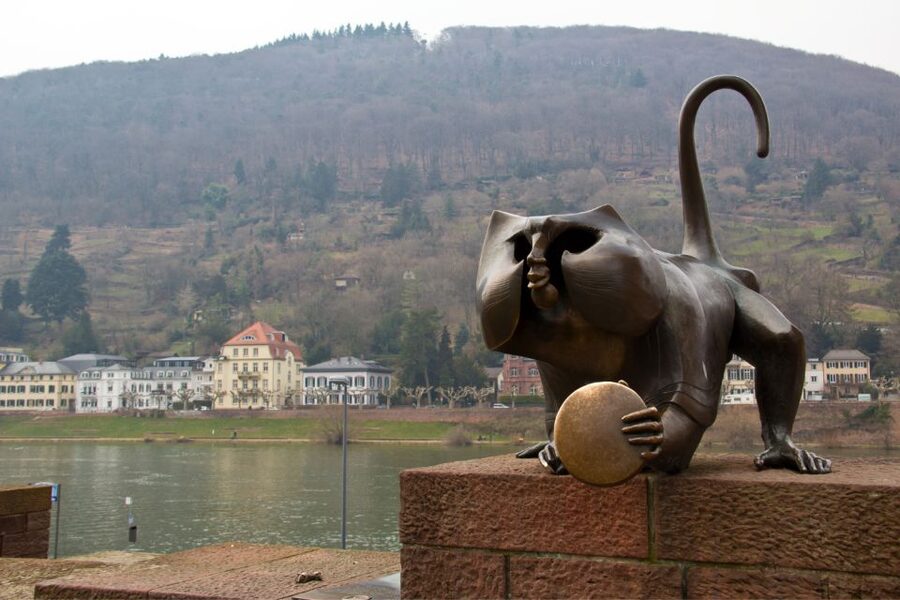
As you work through the envelopes, you’ll hit classic Heidelberg scenes, including the Neckar and the Old Bridge. This is where the hunt feels like real city exploration instead of only a viewpoint walk. You get to move between river atmosphere and historic streets, and you’re still following instructions instead of wandering aimlessly.
The Old Bridge area is especially handy for photo breaks because it naturally offers wide sightlines. It’s also a good mental reset: after you’ve spent time climbing or walking up and down, a flat river-facing segment gives you a chance to regroup.
If your group tends to get tired, this is often the sweet spot to slow down. You can read the clue facts, take a few photos, and keep going without feeling like you’re falling behind. The envelope system makes it easy to pause without losing track of where you are.
Heidelberg’s Castle Area and the Optional Cable Railway to Königstuhl
The game includes Heidelberg Castle as a target. If you want to extend the experience, there’s an option to try the cable railway to reach the castle area and Königstuhl. This is a smart add-on because it changes how you experience the hilltop feel of Heidelberg—less “just walk up,” more “use the local system.”
One thing to know: entrance fees aren’t included. So if you plan to go into castle buildings or add paid viewpoints, you’ll need to pay those separately. But even without paid entry, the castle area itself can be satisfying as a scene and as a payoff for the walking you’ve done.
This section is also a good reason to keep your schedule flexible. If you want the cable railway, factor in extra time for queues or time spent looking around once you’re up there. The game’s pacing helps, but it still stays within the overall 210-minute structure.
Timing, Distance, and Why the End Feels Easier
A nice detail is how the route can feel “planned with breathing room.” One experience noted that the early sections are more spread out and varied, while the targets end up closer together near the end. For you, that’s useful because you don’t need to sprint through the last part to make the hunt feel complete.
In practice, that means you can go steady at the start, trust the envelopes, and expect an easier finish. It also helps if you’re traveling with mixed ages or different walking speeds. Your group can move together through the parts that need coordination, then slow down or speed up when the route gets tighter.
Photo breaks fit naturally into the hunt. Since you decide when to open the next envelope, you’re not stuck following a group that never stops for pictures. Just don’t leave the envelopes unopened too long if your group tends to lose track—keep a rhythm.
Price and Value: $47 for a Group Up to 10
Let’s talk value in plain terms. At $47 per group up to 10, you’re usually paying for the whole team, not per person. If you do have a full group of 10, that’s about $4.70 per person—and you’re getting 11 envelope stations, written directions, and an emergency solutions fallback.
Even if you don’t have 10 people, the price still tends to work well for families and small friend groups because it replaces things like a guided tour price or a higher-cost paid attraction bundle. Also, shipping is included in the price, and the game box is part of the experience, not a separate add-on.
The only “hidden cost” you might face is what you choose to add on yourself: entrance tickets and transportation tickets aren’t included, and the optional cable railway may involve costs. But those are choices, not mandatory charges.
German-Only Reality Check (And How to Make It Work)
This is one of the clearest constraints: the activity is only available in German. If you and your group read German well enough to solve riddles, you’ll likely get more from the information cards inside the envelopes. If not, the hunt can turn into a frustrating scavenger expedition rather than a puzzle adventure.
So here’s the practical approach I’d suggest: make sure at least one person in your group can read German comfortably. Even if others understand parts of it, you’ll want someone who can handle the riddle wording and follow directions without too much guessing.
If your group is mixed-language, the hunt can still be fun as a sightseeing walk with a light puzzle layer. But you should adjust expectations about how challenging the riddles will feel. The goal is enjoyable problem-solving, not just checking off landmarks.
Who This Hunt Fits Best in Heidelberg
This scavenger hunt is a strong match when you want structure without a guide. It works well for couples who like walking and prefer their own pace. It also works for families, since the puzzle format can be solved by children when German reading skills are there.
It’s also a good choice if you’re the kind of traveler who likes seeing “corners” of a city that you might otherwise skip. The route is built around specific sights—Philosophenweg, Old Bridge, Castle, and the Neckar area—but the envelope format nudges you to pay attention to details along the way.
On the other hand, if your group expects a tough brain test, don’t count on it being extremely challenging. Some people may find certain questions more like guided prompts than knotty riddles. That doesn’t ruin the experience—it just changes what you should look for while playing.
Should You Book This Heidelberg Scavenger Hunt?
Book it if you want an independent walking tour that still feels like an activity, not just a stroll. The 11-envelope system gives you a steady rhythm, the route covers the big Heidelberg highlights, and the pacing works for groups that want control over breaks and photos.
Skip it or think twice if everyone in your group struggles with German. This game is only in German, so the quality of your experience depends heavily on your ability to read the riddles and directions.
If you’re traveling in Germany soon and you like Heidelberg’s classic landmarks plus the viewpoints around the Philosophenweg, this is a fun way to turn a few hours into a story you can replay in your head. And with the emergency envelope option, you’re not stuck if one clue refuses to cooperate.
FAQ
How much does the Heidelberg scavenger hunt cost?
It costs $47 per group up to 10 people. For groups larger than 10, you choose multiple scavenger boxes.
How long is the scavenger hunt?
The duration is 210 minutes.
Where does the hunt start, and is there a guide?
You start at the designated meeting/start point, and the adventure begins at Bismarckplatz when you open the first envelope. There is no guide at the meeting point.
What do I receive when I book?
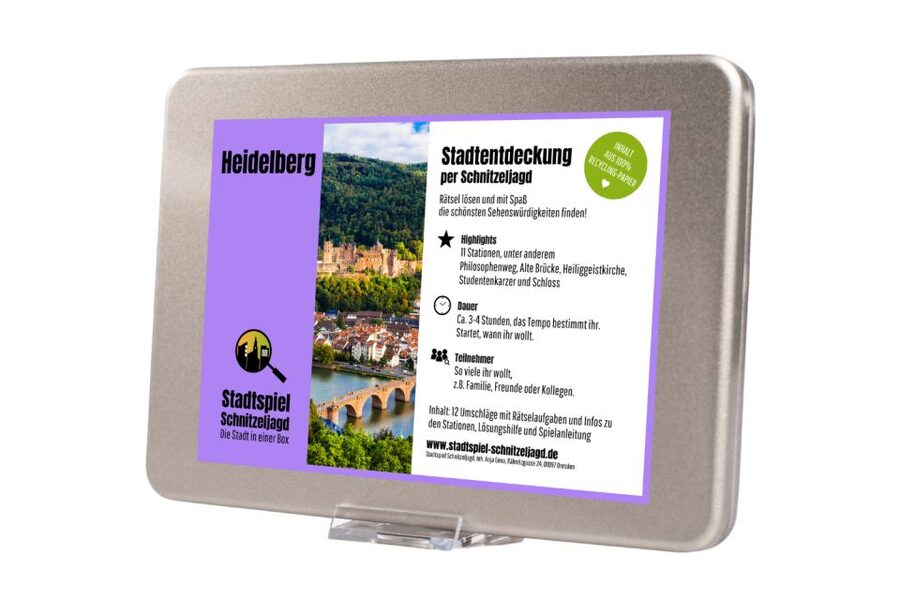
You get a scavenger hunt box shipped to your front door, including 11 sealed and numbered envelopes with riddles, directions, information, interesting facts, plus an emergency envelope with all solutions.
Do I need to pick up the box in Heidelberg?
No. Pickup is not possible. The box is sent by mail, and shipping within Germany can take up to four working days.
How do I start the tour time-wise?
You can start on any date and at any time you wish once the box has arrived. The experience is designed to run for about 210 minutes.
What language is the game available in?
The scavenger hunt is only available in German.
What should I bring with me?
Bring comfortable shoes and the game box you received by mail.