REVIEW · MALAGA
Ronda Self-Guided Audio Tour with Andalucia Travel Expert
Book on Viator →Operated by VoiceMap Audio Tours · Bookable on Viator
Ronda feels like it’s carved out of cliffs. This self-guided VoiceMap audio walk strings together the best viewpoints and stories in Puente Nuevo country, with offline audio so you can move at your pace. You start in the Alameda del Tajo garden and end at the Royal Cavalry bullring.
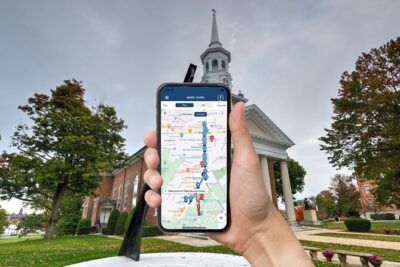
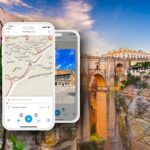
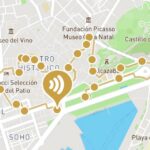
I really like how the audio is spot-triggered with an interactive map, so you’re not guessing where to stop next. I also love the freedom to pause, wander, and then rejoin the narration when you’re ready, which is perfect in a town that’s all stairs and sudden views.
One thing to plan for: this is hilly walking on uneven ground. If your feet get grumpy easily, wear proper shoes and expect to take your time.
In This Review
- Quick highlights
- Getting oriented at Alameda del Tajo and the Lady Goyesca statue
- Miradors over the gorge: views you’ll time with your steps
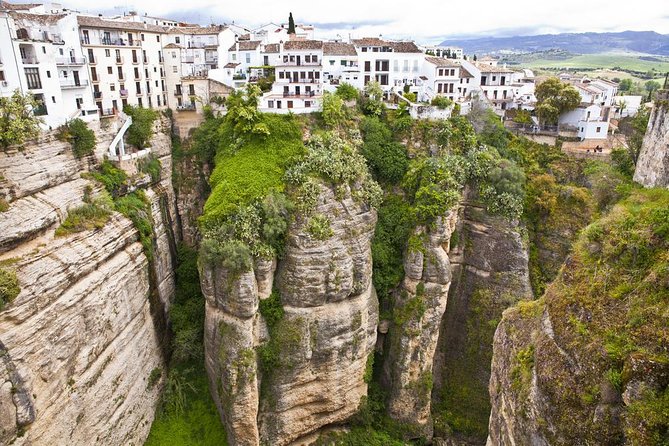
- Crossing Puente Nuevo and the Centro de Interpretación del Puente Nuevo
- Mirador de Aldehuela and changing light over Puente Nuevo
- Moorish courtyards, gardens, and Sierra de Grazalema viewpoints
- Ronda’s old border and the optional Arab baths museum
- Ronda’s oldest bridge: the debate you can actually picture
- Casa del Rey Moro: room of secrets and hidden gold
- Ending at the Bullring of the Royal Cavalry of Ronda
- Price and value for a $14.99 self-guided audio walk
- How to use VoiceMap smoothly so you don’t waste time
- Who this tour suits best (and who should consider a guided tour)
- Should you book this VoiceMap audio tour in Ronda?
- FAQ
- How long is the Ronda audio tour?
- What language is the tour available in?
- Does it work offline?
- What do I need to bring?
- Where do I start and end the tour?
- Can I get a refund if I change my mind?
Quick highlights
- Offline maps and audio via VoiceMap, so you’re not stuck hunting for signal in the gorge
- Lady Goyesca statue to Puente Nuevo in one logical loop, built around the viewpoints you came for
- Centro de Interpretación del Puente Nuevo inside the bridge area, with surprising past uses (prison, hotel, even a tapas bar)
- Mirador de Aldehuela angles that change as the light shifts over Puente Nuevo
- Moorish Ronda stops, including the Palace courtyards/gardens viewpoints, plus the Casa del Rey Moro mystery tale
- Optional Arab baths museum stop if you want extra Muslim history without derailing the whole walk
Getting oriented at Alameda del Tajo and the Lady Goyesca statue
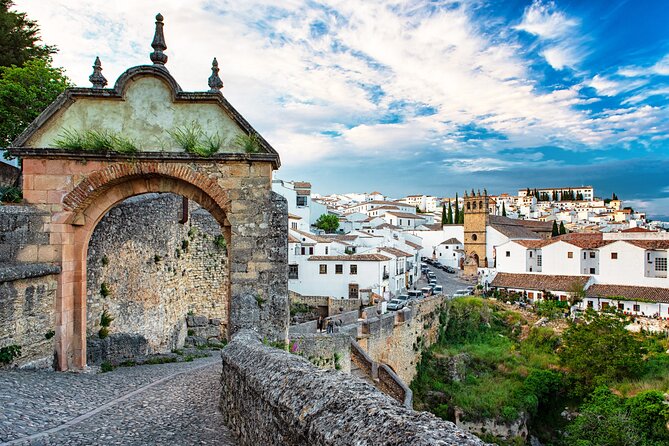
The tour kicks off at the Alameda del Tajo garden, at the Lady Goyesca statue (C. Virgen de la Paz area). This start matters because Ronda’s old streets can look similar when you’re standing at the edge of the drop. The audio approach is meant to keep you moving in order, but you still need to begin at the right spot to get the first cues cleanly.
If you like to be prepared, do yourself a favor: download the program and get comfortable with the app before you set off. One of the most common frustrations with self-guided tours is fumbling while you’re already outside. With VoiceMap, you’ll typically activate the tour in the app using a code you’re sent, then the map leads you spot to spot.
Also, consider a planning trick some people use in Ronda: when you’re near the start area, you may be suggested to pick up a Bono Municipal at the tourist office. It’s a ticket that can get you into multiple sights around town, and it can be handy if you want to listen to the audio now, then pay for museum time later.
You can also read our reviews of more tours and experiences in Malaga.
Miradors over the gorge: views you’ll time with your steps
Before you reach the big bridge moment, the route is designed to get you looking out over the valley. You’ll hit the Mirador de Ronda and other viewpoints along the way, and the audio is paced so you get context while you take in the scale of the gorge.
This part is more than a photo pause. It helps you understand what you’re seeing: Ronda’s dramatic drop isn’t just pretty scenery—it’s why the town’s bridges, borders, and fort-like angles mattered over and over. As you walk, you’ll feel the light change. The narration is set up to guide you through that “wait, the view is different now” rhythm, which is exactly what Ronda does best.
Practical tip: if it’s warm, start early or in the cooler parts of the day. Even though the walk is relatively compact in distance, the hills and terraces can slow you down fast once you’re climbing cobbles.
Crossing Puente Nuevo and the Centro de Interpretación del Puente Nuevo
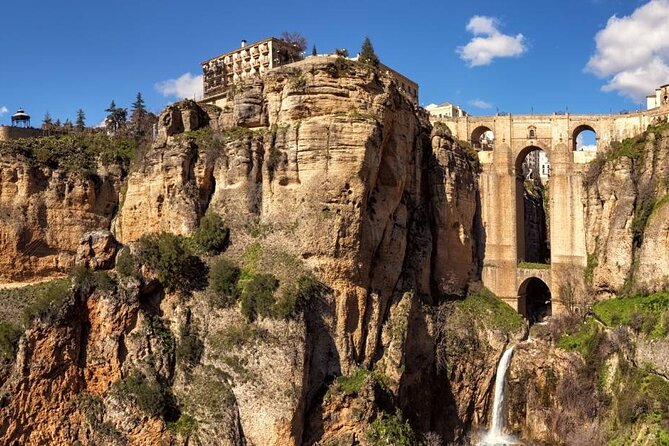
Now comes the headline: the ‘New Bridge’ (Puente Nuevo). The audio guides you across it and then adds a layer most people miss when they just sprint for photos.
As you cross, you’ll hear about the Centro de Interpretación del Puente Nuevo, the museum housed in the bridge area. The stories you get here are genuinely fun and a bit surprising: this same structure has been used as a prison, later as a hotel, and even at one point as a tapas bar. That kind of past-use detail turns a landmark from a postcard into a place with real lived history.
This stop also gives you an “in-between views” advantage. From the bridge you get that classic gorge perspective, but you also get a better sense of how the bridge sits relative to the viewpoints you’ll visit next. In other words, you’re not just walking past sights—you’re building a mental model as you go.
Note on timing: if you stop frequently for photos, or if you linger to watch the light on the stone, you’ll naturally stretch the total time. The tour is flexible by design.
Mirador de Aldehuela and changing light over Puente Nuevo
As you move toward the next angle, the audio emphasizes how the view evolves. The tour specifically calls out enjoying Puente Nuevo from Mirador de Aldehuela, where you get a different character and a new angle compared with earlier viewpoints.
This is one of the smarter parts of the route. Ronda’s cliffs can make everything look similar at first glance. By steering you to a second viewpoint after you’ve already seen the bridge up close, the narration helps you notice changes in shape, distance, and shadow.
If you’re the type who likes to plan your photos, this is your cue. You don’t need to treat the walk like a race, but if you want the “best light” payoff, don’t rush past Mirador de Aldehuela. Give yourself a few extra minutes here and let the bridge do its thing.
Moorish courtyards, gardens, and Sierra de Grazalema viewpoints
After Puente Nuevo, the story shifts toward Moorish influence and Ronda’s famed palace courtyards. You’ll hear about Ronda’s most popular museum and the palace’s Moorish courtyards and gardens, along with stunning views toward the Sierra de Grazalema and the Serranía de Ronda.
Even if you don’t stop for an extended museum visit (admissions aren’t included), the narration helps you understand why people come here: the combination of architectural details and sweeping outdoors views is the point. In a town where stone, height, and history mix tightly, courtyards give you a different texture than bridges and miradors.
One drawback to keep in mind: this is not a flat stroll. Expect going up and down, and don’t be surprised if you feel it more than you planned once you add time for photos and a longer look at the gardens.
Ronda’s old border and the optional Arab baths museum
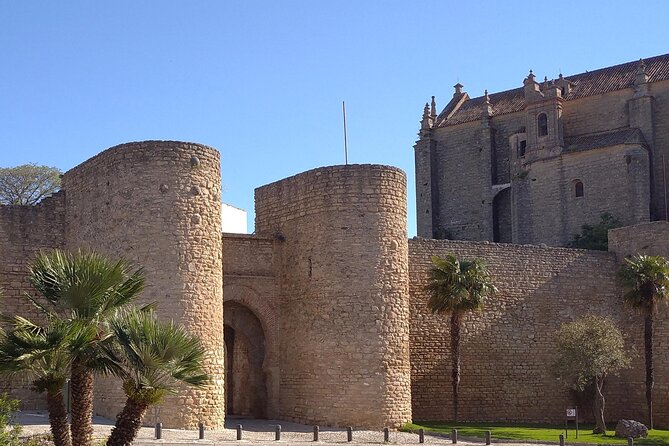
The audio then pushes you into the “edge of history” mood. You’ll walk past Ronda’s old border area, with the narration asking you to imagine what soldiers might have felt while guarding or crossing this kind of boundary.
It’s a small storytelling technique, but it works. It makes you notice the geography as something strategic, not just dramatic. You can almost feel the logic of the town’s defenses when you’re moving along the older edges.
Then there’s a real optional fork: an optional stop at the Archeological museum of Arab baths. If you add it, you get more Muslim history tied directly to the moors of Spain. The catch is simple and important—personal admission fees aren’t included—so build that cost into your day if you want to go in.
If you’re short on time, you can still keep moving and let the audio do the job of connecting the dots. But if you like bathing-culture and everyday history (not just dates and battles), this is likely the stop you’ll appreciate most.
Ronda’s oldest bridge: the debate you can actually picture
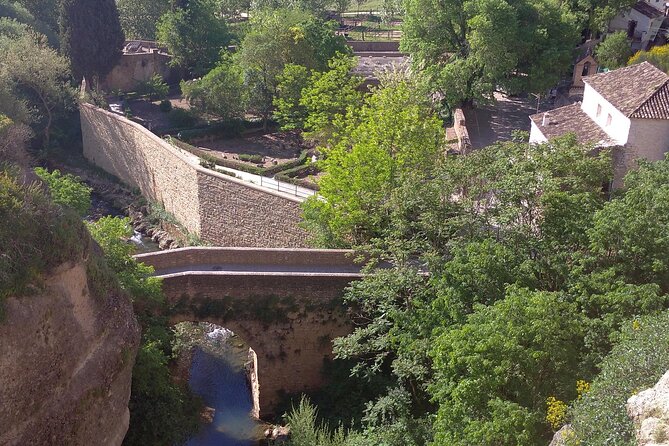
At another point, you’ll reach the middle of Ronda’s oldest bridge. This is where the tour takes on a controversy—there’s a debate around which of Ronda’s historic bridges came first—and the narration is designed to make that argument feel grounded, not abstract.
When you’re standing where old infrastructure meets the gorge, the debate stops being a trivia question. You start thinking about construction timelines, strategic needs, and why the town kept adapting its crossings. The audio approach helps because it nudges your attention to the physical setting while it explains the reasoning.
If you’re a “wait, show me where you mean” person, this stop will suit you. The audio isn’t just telling you what to think; it’s pointing you at where to look.
Casa del Rey Moro: room of secrets and hidden gold
As you pass by Casa del Rey Moro, you’ll hear a story built around secrets and power. The narration focuses on the room of secrets and the Moorish kings’ hidden gold.
This is a nice tonal shift from the grand bridge-and-border moments. It brings the scale down to something more personal: a palace detail, a legend-like element, and a hint of danger in the background. Even if you treat the story as legend, it still tells you what people wanted to believe about their rulers and their wealth.
If you’ve been enjoying the Moorish-courtyard chapter, Casa del Rey Moro is the payoff stop. It turns the visuals you’ve been hearing about into a specific place with a specific mythic hook.
Ending at the Bullring of the Royal Cavalry of Ronda
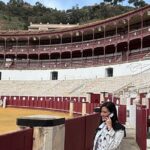
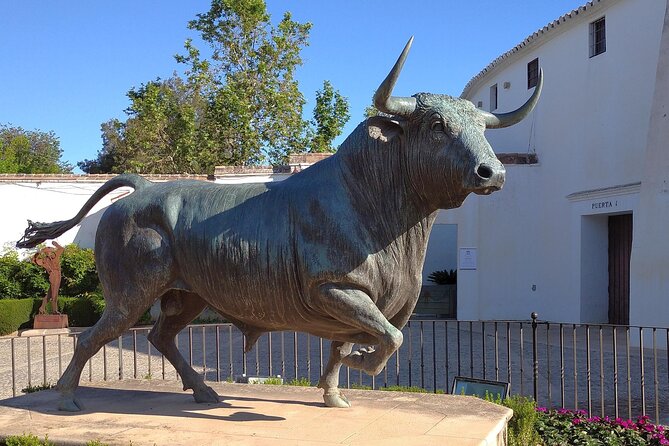
The tour finishes at Ronda’s historic bullring, often credited (with some debate) as the first bullring in Spain, and described as the home of the Royal Cavalry of Ronda. You end in front of the Plaza de Toros de la Real Maestranza de Caballería de Ronda.
This ending works because it’s a full-circle moment. You started in a garden by a statue, moved through heights and bridges, added Moorish palace stories and old boundaries—and then you land at a site tied to tradition and ceremony. The audio wraps with the bullring tradition, giving you a sense of why Ronda has so many layered identities.
One practical note: after a bridge-and-mirador walk, the bullring area is a great spot to take a breather and decide what to do next—whether that’s another short museum visit, a long lunch, or just sitting and people-watching while the city quiets down.
Price and value for a $14.99 self-guided audio walk
At $14.99 per person, this tour sits in the sweet spot where you get a lot of structure without committing to a timed guide. The big value points are the included features: lifetime access, a VoiceMap app for Android and iOS, and offline access to audio, maps, and geodata.
What that means for you in real life: you can repeat it later, or revisit the route when you return to Ronda. And because the audio is offline, you can trust it even in areas where your phone might struggle.
Just know what’s not included: your smartphone and headphones. If you don’t have headphones, bring a pair. And if you’re planning optional museum entries (like the Arab baths museum), budget for admission fees separately.
The duration is listed at about 1 hour 15 minutes to 1 hour 50 minutes. In practice, your time will mostly depend on how often you pause for views and photos—and how carefully you navigate the hills and cobbled steps.
How to use VoiceMap smoothly so you don’t waste time
This is a self-guided tour, so the payoff comes from using the app the right way.
Here are the practical lessons I’d follow:
- Download the tour and get familiar with the app before you start. It saves stress when you’re standing at the first spot.
- If you notice background guitar music between stops and it’s too loud, check the program settings—some systems let you mute it.
- If you’re walking and the narration doesn’t play exactly when you expect, use the map and/or the numbered list in the app. One provider explanation clarifies that tapping the map location cues the stop in Up Next, so you can press play right away if that’s what you want.
- Expect detours. At least once, the route has been obstructed by a locked gate, and people had to bypass and rejoin using the map.
- Read directions early. A few issues come from not seeing the tour’s start cue clearly, especially where paths can run in parallel near the beginning.
Also, keep your expectations realistic about walking pace. Even if the route distance is around 3.4 km (about 2.1 miles), the elevation and footing make it feel more demanding than that number suggests.
Who this tour suits best (and who should consider a guided tour)
This self-guided audio works best for you if you want:
- Control over timing (pause for views, stop for photos, then continue)
- A clear, structured route through the key Ronda sights without a schedule-driven group
- Offline narration that you can use even if you’re moving around freely
You might want a different option if:
- You dislike tech setup and want everything handed to you in person
- You struggle with steep, uneven walking and cobblestones
- You need step-by-step directions on foot at every turn, not just spot cues
If you do decide to go self-guided, take it as a walking tour with stories—not a museum-only experience. Ronda is about motion through viewpoints, and this format matches that.
Should you book this VoiceMap audio tour in Ronda?
If you like the idea of connecting the best Ronda viewpoints—Alameda del Tajo, Puente Nuevo, Mirador de Aldehuela—with Moorish stories like Casa del Rey Moro and optional Arab baths, I’d say yes. For $14.99, lifetime access plus offline audio is a strong deal, especially when your schedule is flexible.
I’d book it with comfortable shoes and a calm mindset about hills. If you’re ready for a structured, walk-and-listen loop, this tour is a smart way to experience Ronda without feeling rushed.
FAQ
How long is the Ronda audio tour?
It’s listed as about 1 hour 15 minutes to 1 hour 50 minutes, depending on your walking pace and how long you stop for sights.
What language is the tour available in?
The tour is offered in English.
Does it work offline?
Yes. The tour includes offline access to audio, maps, and geodata through the VoiceMap app.
What do I need to bring?
You’ll need your smartphone and headphones. Those items aren’t included.
Where do I start and end the tour?
Start: Alameda del Tajo (C. Virgen de la Paz, 29400 Ronda).
End: Bullring of the Royal Cavalry of Ronda, Plaza de Toros de la Real Maestranza de Caballería de Ronda (C. Virgen de la Paz, 15, 29400 Ronda).
Can I get a refund if I change my mind?
Yes, you can cancel for a full refund if you cancel up to 24 hours in advance of the experience start time.