REVIEW · ROME
Rome: National Etruscan Museum Ticket & App Audioguide
Book on GetYourGuide →Operated by GetYourGuide Tours & Tickets GmbH · Bookable on GetYourGuide
Etruscan art, told with your own pace. The National Etruscan Museum of Villa Giulia lets you pair standout Etruscan artifacts with a Renaissance setting you can actually enjoy at walking speed, not museum speed. The built-in app format is made for self-guided wandering through galleries organized by type and by where the finds came from.
What I like most is the way the museum connects objects to place—so you’re not just looking, you’re learning how sites like Vulci, Veio, and Cerveteri shaped Etruscan art. I also like that your visit is supported by a digital audioguide, which helps you make sense of what you’re seeing without needing a live guide.
One key drawback to plan for: the audio app may be limited to Italian and English, and you might not get earbuds in the box/app kit. If you care about audio clarity, bring your own headphones and check you can access your preferred language before you start.
In This Review
- Key things to know before you go
- Entering Villa Giulia: the Renaissance setting you don’t want to rush
- Museum highlights that actually anchor the visit
- Vulci and Veio exhibits: how location shapes style
- The Pyrgi Tablets: inscriptions that connect Etruscans to the wider world
- Castellani jewelry: the kind of luxury Etruscans carried
- The Sarcophagus of the Spouses: the emotional centerpiece
- Villa Giulia architecture and museum flow: how to navigate in 2 hours
- Underground-feeling stops: nymphaeum and the Virgin aqueduct
- Gardens and the Temple of Alatri reproduction: end with a breather
- Practical value: is $20 worth it?
- Audio guide reality check: how to make the app work for you
- Photography rules: what you can do without getting hassled
- Should you book the National Etruscan Museum ticket & app audioguide?
- FAQ
- Where is the meeting point?
- How long does the visit take?
- What’s included with the ticket?
- What language options are available for the audio guide?
- Do I need headphones or earbuds?
- Is flash photography allowed?
- Is the museum wheelchair accessible?
- Is there free cancellation?
Key things to know before you go
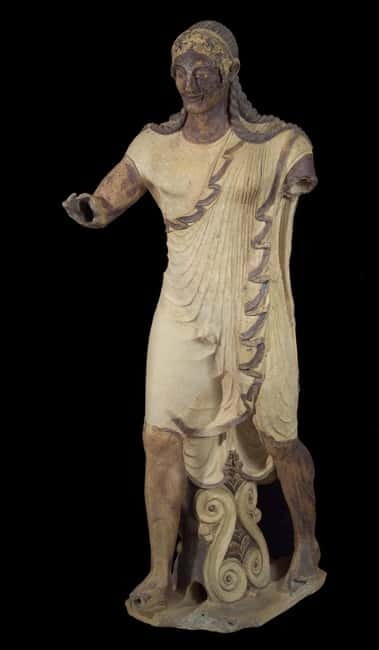
- Villa Giulia matters: the Renaissance courtyards, frescoed spaces, and architectural details are part of the experience
- Topographical exhibits: key displays organize finds from places like Vulci and Veio, not just by theme
- Big-name highlights: the Sarcophagus of the Spouses and the Pyrgi Tablets are worth aiming for
- Pace is yours: the app audioguide lets you linger on what clicks for you
- Underground add-on feeling: you can follow itineraries connected to the nymphaeum and the Virgin aqueduct
- End in the gardens: a life-size Temple of Alatri reproduction is a calm payoff after indoor galleries
Entering Villa Giulia: the Renaissance setting you don’t want to rush
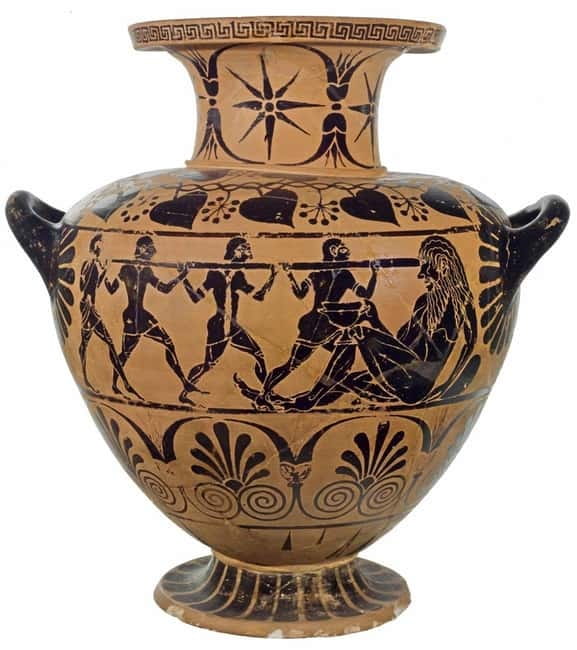
Your ticket takes you into the National Etruscan Museum of Villa Giulia, housed in a building Pope Julius III commissioned between 1550 and 1555. Yes, you’re here for Etruscan art—but the villa itself is half the charm. When you step into the courtyards and museum spaces, you’ll feel the building’s Renaissance rhythm, with open areas and planned sightlines that make a self-guided visit easier.
Villa Giulia also has frescoes connected to the Seven Hills of Rome, and it includes features like a nymphaeum. That matters because it gives the visit a sense of layers: you’re moving through Rome’s long timeline while the museum frames Etruscan objects as something to be read, not just stared at.
You can also read our reviews of more tours and experiences in Rome.



Museum highlights that actually anchor the visit
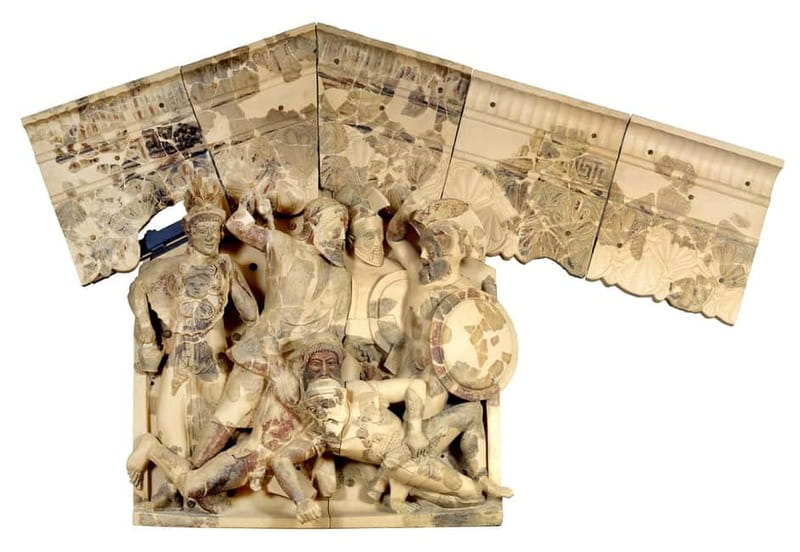
At 2 hours, you’ll want your time to land on the strongest ideas the museum offers. The good news is that Villa Giulia hands you clear “anchor objects” that the audioguide points you toward, and the collection itself is built around Etruscan material from southern Etruria.
Here are the top moments worth prioritizing, and what they mean for your trip.
Vulci and Veio exhibits: how location shapes style
One of the museum’s smartest choices is how it organizes exhibits by topography and by type. You’ll see Etruscan bronzes tied to Vulci, and terracotta decorations connected to Veio. This isn’t random. It helps you understand that different Etruscan regions expressed status, religion, and craftsmanship through local materials and traditions.
For you, that means fewer “Where am I in the story?” pauses. For example: when you shift from one region to another, you can notice differences in themes, materials, and the kind of luxury objects an elite community made.
The Pyrgi Tablets: inscriptions that connect Etruscans to the wider world
If you only grab one “text and meaning” stop, make it the Pyrgi Tablets. These tablets include inscriptions in Etruscan and Phoenician, and that bilingual connection is the kind of detail that makes the Etruscan world feel bigger than a single culture bubble.
With an app audioguide, you can spend the right amount of time here—long enough to appreciate why two languages show up on the same object, and how that hints at contact and exchange. You’ll also find that this is one of those exhibits where slowing down pays off, because the value is partly in what the inscription suggests.
Castellani jewelry: the kind of luxury Etruscans carried
The museum’s Castellani collection is another standout. You’re looking at exquisite jewelry, the kind of craftsmanship that signals social identity—how people displayed wealth, status, and style in daily life and in the afterlife.
This is a great pairing with your other highlights. Burial art tells you what matters after death; jewelry tells you what mattered while living. Together, they help the museum’s story feel coherent.






The Sarcophagus of the Spouses: the emotional centerpiece
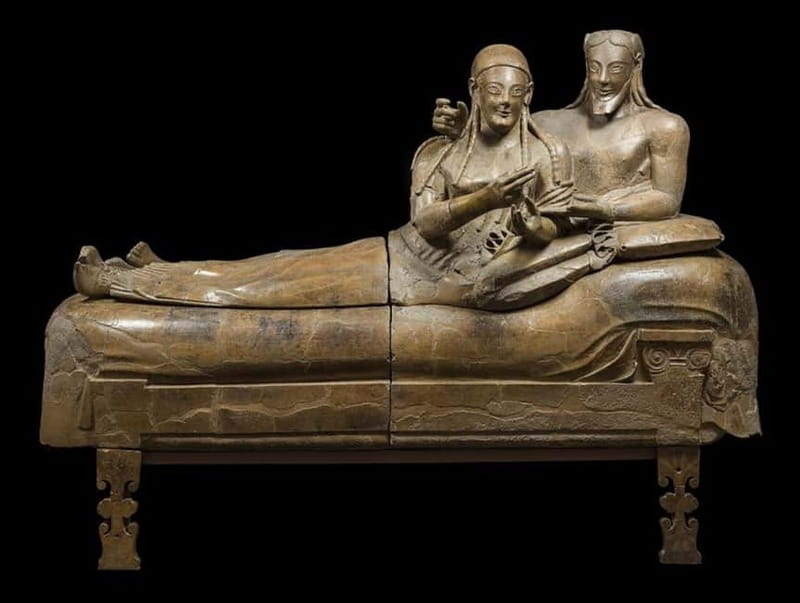
The Sarcophagus of the Spouses from Cerveteri is the kind of object that pulls you in fast because it’s instantly human. It’s also exactly the sort of piece the museum uses to show Etruscan beliefs about status and the afterlife.
Even if you’re not a “tomb art” person, this stop works because it’s about relationship and representation, not just decoration. The audioguide’s structure—organized by typology and place—helps you understand why this particular burial object is famous, and what artistic choices were made for an audience that knew the symbolism.
Tip: spend a little longer than you think you need here. Two minutes can feel like enough until you realize you’re missing the details that make the object powerful.
Villa Giulia architecture and museum flow: how to navigate in 2 hours
Because you’re self-guided with an app, the museum’s layout becomes your real “itinerary.” Villa Giulia is designed with courtyards and clear movement between spaces, and that helps you avoid feeling trapped in long hallways.
You can think of your visit as three chunks:
- Indoor galleries with the strongest Etruscan artifacts, where the audioguide can guide you through the topographical and typological exhibits.
- A focus on big names, like the Pyrgi Tablets, the Castellani jewelry, and the Sarcophagus of the Spouses.
- A garden payoff at the end, where the museum slows the pace down.
You’ll get the most out of the app if you follow it like a checklist, but not like a marching order. Let it nudge you toward the key rooms, then give yourself permission to linger.
Underground-feeling stops: nymphaeum and the Virgin aqueduct
One of the more interesting options you may find included in the visit experience is access to unique itineraries tied to underground areas—specifically the nymphaeum and the Virgin aqueduct.
Even without a detailed walkthrough spelled out here, the value of these stops is clear: you see how Villa Giulia’s water features and architecture connect to the site’s story. It turns “museum time” into something more like “site time,” which feels more memorable after you leave.
Practical note: if you want these underground-connected spaces, keep some buffer in your schedule inside the 2-hour window so you don’t feel rushed.
Gardens and the Temple of Alatri reproduction: end with a breather
After the galleries, the museum sends you outside. The gardens at Villa Giulia are part of the experience, and they’re where you get a calm, scenic reset before you head back into Rome.
Your highlight outdoors is the life-size reproduction of the Temple of Alatri. It’s a clever way to give you architectural context—something you can stand and read with your body, not just with your eyes.
For many people, this is where the day clicks. You’ve spent time learning about Etruscan objects and burial traditions; the temple reproduction shifts your understanding toward how communities expressed belief and identity through built form.
Practical value: is $20 worth it?
At $20 per person for a 2-hour visit that includes an entry ticket plus a digital audio guide app, this is a solid value—especially if you like museums that you can control. The price isn’t only paying for a room full of cases. You’re also paying for:
- the chance to see major Etruscan highlights in a single concentrated visit,
- an app designed to structure what you look at,
- and the bonus architectural and garden setting at Villa Giulia.
Where it can go wrong is simple: if the audio isn’t in your language, or if the listening setup is uncomfortable, your experience drops. Plan around that and the value stays strong.
Audio guide reality check: how to make the app work for you
The ticket includes a digital audio guide app, and instructions are provided with your booking confirmation. That’s convenient, because you can plan your timing and start right away once you enter.
But here’s the practical warning that matters: the audioguide availability can be limited to Italian or English, and some visitors have flagged that the experience may come without earbuds. Sound quality issues are common when you rely on speaker audio in a museum setting.
My advice:
- Bring your own earbuds/headphones (wired or Bluetooth).
- Confirm you can access the language you want before you begin.
- Use the app actively: don’t just let it play while you scroll your phone. Pause, look, then listen.
Photography rules: what you can do without getting hassled
You can take photos, with one clear restriction: no flash photography. That’s normal for most museum collections, but it’s worth remembering so you don’t get forced into “no photo” mode when you’re ready to capture a highlight.
If you’re photographing, keep your phone steady and use regular ambient light. With carved stone, metal objects, and frescoed settings nearby, you may find the best results come from slower, steadier shots rather than rushing.
Should you book the National Etruscan Museum ticket & app audioguide?
Book it if you want a museum visit that’s structured but still flexible. This works well for:
- first-timers who want Etruscan highlights in a single 2-hour block,
- people who like learning through object context (place and type),
- anyone who appreciates Renaissance architecture as part of the story,
- visitors who want an app pace rather than committing to a live guide.
Skip or reconsider if you depend heavily on audio support in a specific language, or if you don’t want to bring headphones. In that case, your best move is to plan for earbuds and verify the language options before you show up.
If you’re traveling smart and want value that doesn’t feel like a checklist tour, this is a good bet. The combination of Villa Giulia’s setting, major artifacts like the Pyrgi Tablets and Sarcophagus of the Spouses, and the Temple of Alatri reproduction gives you a full museum arc—from indoor learning to outdoor calm.
FAQ
Where is the meeting point?
The meeting point is Piazzale di Villa Giulia 9, 00196 Roma RM, Italy. You exchange your voucher at the ticket office for an official entry ticket.
How long does the visit take?
The experience is listed at 2 hours.
What’s included with the ticket?
Your ticket includes entrance to the National Etruscan Museum of Villa Giulia and a digital audio guide app.
What language options are available for the audio guide?
The audio guide app is available in Italian or English.
Do I need headphones or earbuds?
The audio is delivered through an app, and some visitors note that earbuds may not be provided. Bring your own earbuds/headphones if you want reliable listening quality.
Is flash photography allowed?
No flash photography is allowed. Photography is allowed otherwise.
Is the museum wheelchair accessible?
Yes, wheelchair accessibility is available.
Is there free cancellation?
Yes, you can cancel up to 24 hours in advance for a full refund.