REVIEW · MONTE CARLO
Self-Guided Walking Tour in Monaco (With Audioguide)
Book on Viator →Operated by Riviera Bar Crawl & Tours · Bookable on Viator
This self-guided walk turns Monaco into an easy route you can follow and repeat as needed, all with a mobile app and English audio. I like that it’s built for independence: you get to choose your stops and timing, starting right at Monaco-Ville train station. It’s also great value for the price because you cover major sights in one go, including the Place du Casino area and the Prince’s Palace/Le Rocher district.
The audio guide is where this really works. The app helps you keep your bearings by recognizing when you arrive or get turned around, so you’re not stuck guessing which street comes next. That makes a difference in Monaco, where famous landmarks can feel close on a map but still take real time to walk between.
One drawback to plan for: the audio can be hard to hear when more than one person is listening, and it can be tricky to use the map view at the same time. If you’re traveling with someone, think ahead about how you’ll share the phone and listen.
In This Review
- Key highlights at a glance
- Starting at Monaco-Ville: easy orientation in Monaco-Monte-Carlo
- Stop 1: Monaco-Ville train station
- Fairmont Hairpin and the F1 curve you can actually stand beside
- Stop 2: Fairmont Hairpin
- Monte-Carlo Opera exterior: quick stop, good context
- Stop 3: Opera de Monte-Carlo (Pass By)
- Inside the Casino de Monte-Carlo area (and what to expect from the stop)
- Stop 4: Casino de Monte-Carlo
- Port Hercule: the rule that hints at power and control
- Stop 5: Port Hercule
- La Condamine market time: Mediterranean food in an indoor market
- Stop 6: La Condamine
- Prince’s Palace area and Le Rocher: protocol and pageantry
- Stop 7: Palais Princier de Monaco (Pass By)
- Port de Fontvieille: a different Monaco angle with a view
- Stop 8: Port de Fontvieille
- Cathédrale de Monaco: step inside the Roman cathedral stop
- Stop 9: Cathédrale de Monaco
- Oceanographic Museum exterior: a famous stop without the commitment
- Stop 10: Oceanographic Museum of Monaco (Pass By)
- Ending at Jardins Saint-Martin: your calm finale in Le Rocher
- Stop 11: Jardins Saint-Martin
- Price and pace: why $15.53 can be a smart deal in Monaco
- Who this suits best
- Audio quality and navigation quirks: the one thing to plan for
- Should you book this self-guided Monaco walk?
- FAQ
- How much does the Self-Guided Walking Tour in Monaco cost?
- How long is the walking tour?
- Where do I start the tour?
- Where does the tour end?
- What’s included in the price?
- Is there a real guide with you?
- What sights are included on the route?
- What time does the tour start?
- Can I get a refund or make changes if plans change?
- Is the tour language in English?
Key highlights at a glance
- Mobile app navigation that helps you figure out where you are during the walk
- Fairmont Hairpin for Formula 1 history, right at the curb
- Casino de Monte-Carlo stop with listed free admission within the tour flow
- Le Rocher end-point at Jardins Saint-Martin, a relaxed way to finish
- Audio context on Monaco’s independence, casino fame, and Prince Albert II’s environmental focus
Starting at Monaco-Ville: easy orientation in Monaco-Monte-Carlo
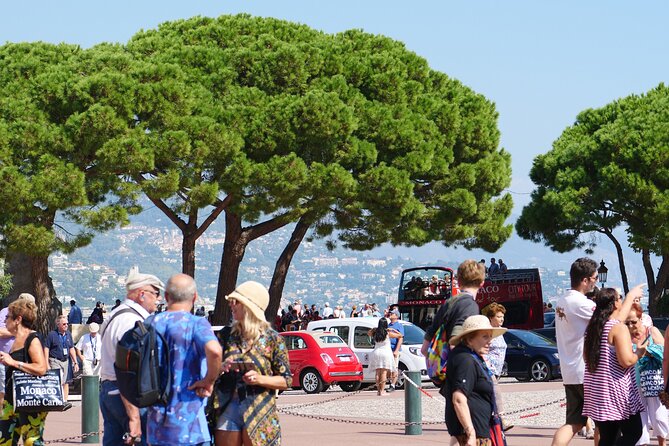
The tour kicks off in Monaco-Ville, right in front of Monaco-Ville train station. This is a strong choice because it’s an actual transit hub, not some random viewpoint you have to hunt down. Once you start, the app-and-audio rhythm keeps the day simple: you follow the route, hit the scheduled stops, and move on when you’re ready.
If this is your first time in Monaco, starting at the station helps you understand the city layout. You’re not just walking from one postcard to the next; you’re being guided through the geography of Monaco, from Monaco-Ville toward the big-name areas like Monte-Carlo and Le Rocher. The audio also sets expectations early with the promise of views over Port Lympia, Monte Carlo, and Place du Casino from this privileged vantage point—so you know what to look for as the walk begins.
Stop 1: Monaco-Ville train station
This first stop is basically your launchpad. It’s listed as 10 minutes, with admission marked free. The value here is orientation. You’ll get the “what you’re looking at” framing before the walking gets more specific.
Fairmont Hairpin and the F1 curve you can actually stand beside
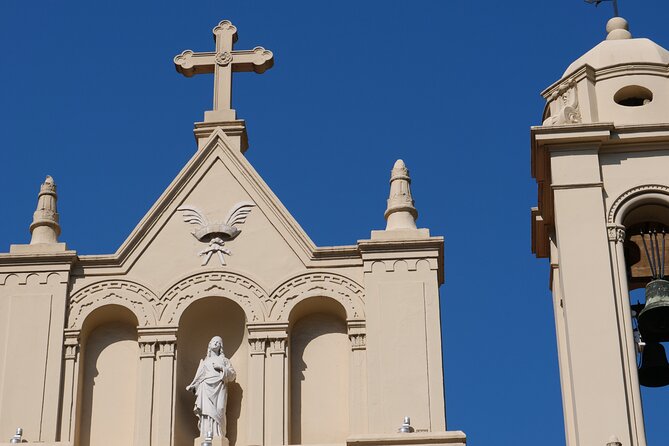
After Monaco-Ville, you hit the Fairmont Hairpin. This is a big deal for racing fans because it’s one of the most important curves in Formula 1 history. The cool part is that you’re not watching a documentary; you’re standing near the real bend where F1 drama happens.
The stop is listed for 15 minutes and again shows free admission. For me, this is a smart trade. Monaco is famous for glamour, but it also has motorsport roots that are easy to miss if you only follow casino-and-palace vibes. This stop gives you a different angle on why Monaco became Monaco.
Stop 2: Fairmont Hairpin
If you’re even mildly into racing, don’t rush this one. Take a minute to look at how the road curves and how tight the area feels, because that’s part of the F1 story. If you’re not into racing, you can still enjoy it as a moment where Monaco’s identity becomes something more than luxury.
Monte-Carlo Opera exterior: quick stop, good context
Next is Opera de Monte-Carlo, but you view it from the outside. That may sound like a throwaway, yet it can be useful. Monaco’s cultural landmarks don’t always get the same attention as the casino, and the opera house is part of the city’s image—especially the Monte Carlo side of the story.
This pass-by stop is listed with no time for entry, just exterior viewing. I’d treat it like a breather and photo moment. It also helps you understand why this area is associated with performance, status, and public spectacle—because it all ties back to the same Monte Carlo identity.
Stop 3: Opera de Monte-Carlo (Pass By)
Use it to connect the dots between the glamour you see and the heritage behind it.
Inside the Casino de Monte-Carlo area (and what to expect from the stop)
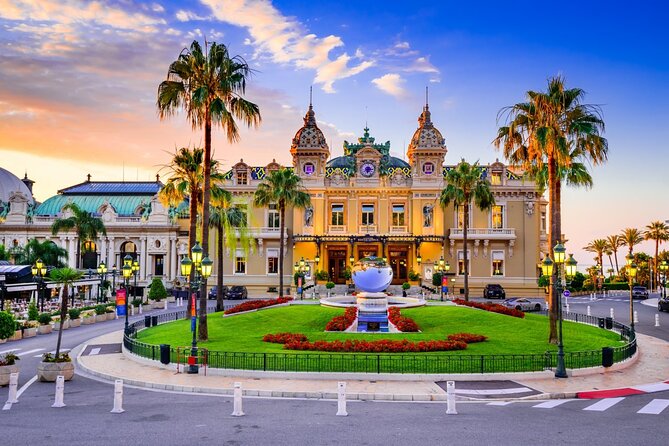
The big-name stop is Casino de Monte-Carlo. The itinerary lists 20 minutes, and admission is marked free. Even if you don’t gamble, it’s a great place to see how Monaco performs its world-famous reputation.
This is where I’d slow down just a touch. The casino isn’t only about the gaming tables; it’s about the architecture, the confidence of the place, and how the city built an entire global identity around money, luck, and spectacle. The audio guide also frames why casinos are so central to Monaco’s fame—so you’ll have context before you step into the space.
Stop 4: Casino de Monte-Carlo
A practical note: because this is a self-guided walk, you’ll want your phone ready for audio cues. If you plan to share the device with a companion, be mindful of the audio clarity issue raised by others. If you can, keep one person on audio so you don’t lose the story at the most interesting moment.
Port Hercule: the rule that hints at power and control
Port Hercule is listed next. The stop is 15 minutes, and admission is marked free. Here, the audio includes a specific, striking detail: why Russian oligarchs are forbidden from leaving their yachts in the port of Monaco.
That kind of fact is exactly why this tour works better than a simple “see the sights” checklist. Monaco isn’t only decoration. It’s also politics, regulations, and power dynamics—often played out through small practical rules that tell big stories.
Stop 5: Port Hercule
Give this stop a couple extra minutes if you like people watching. Ports change by time of day, and Monaco’s waterfront energy can shift fast.
La Condamine market time: Mediterranean food in an indoor market
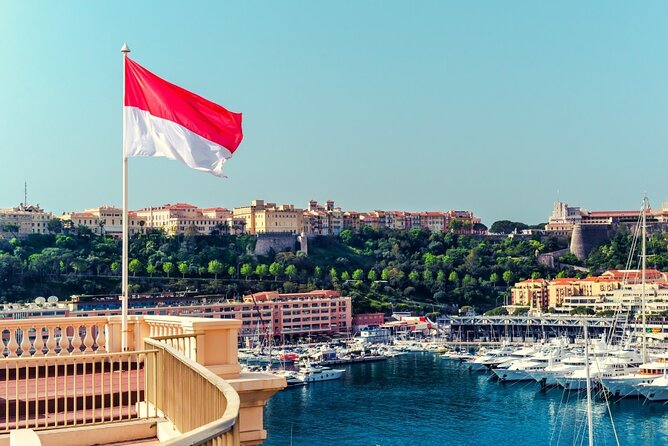
La Condamine is where the walk gains flavor. This stop lists 20 minutes and places you in an indoor market setting. If you like eating while traveling, this is one of your best chances to try something local without building a whole plan around it.
The audio frames this as a place to indulge in rich Mediterranean cuisine, and that’s the vibe you’ll feel when you arrive. Even if you don’t buy anything, the market atmosphere helps balance the luxury stops you’ve already seen.
Stop 6: La Condamine
If you plan to snack, do it here. It’s a natural pause before the walk starts trending back toward the Prince’s Palace/Le Rocher area.
Prince’s Palace area and Le Rocher: protocol and pageantry
The tour then points you toward Palais Princier de Monaco, but as a pass-by stop. It’s still a must-see area. Le Rocher is where Monaco’s identity sharpens: the old-world feeling, the authority of the palace district, and the sense of tradition.
The audio mentions intense protocols of the most famous Monegasque family, and it also includes background about Monaco’s independence. That’s useful because the palace area is easy to treat like a photo spot—but the audio nudges you to understand it as part of a deeper political story.
Stop 7: Palais Princier de Monaco (Pass By)
Expect this to feel a bit more “set-piece” than the market area. If you like architecture and power symbolism, take your time reading the mood of the streets, even without an official inside visit.
Port de Fontvieille: a different Monaco angle with a view
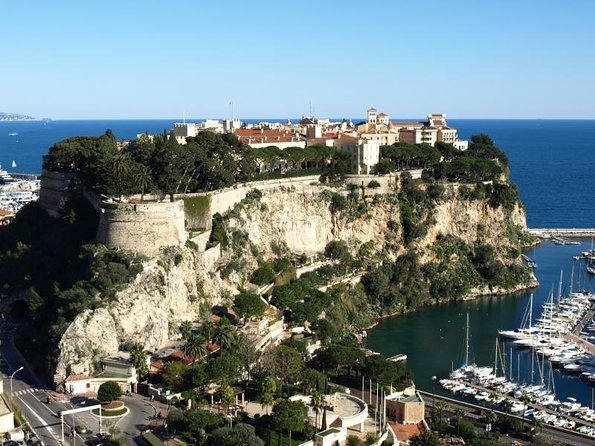
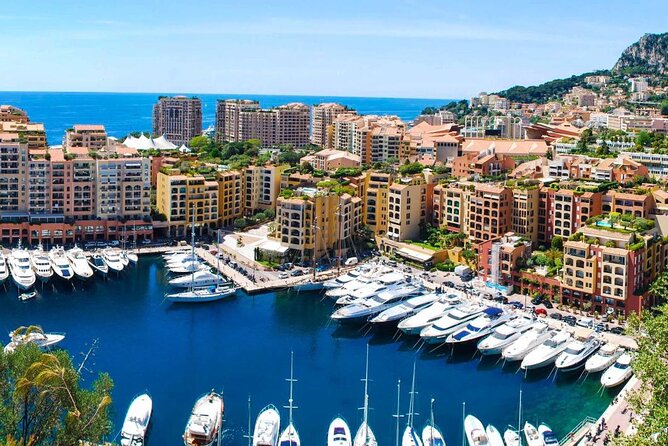
Port de Fontvieille comes next. It’s listed as 15 minutes with free admission. This is described as a hidden port in Monaco with a breathtaking view guaranteed.
Even without calling it a secret, it’s a change of pace from the casino and palace vibes. Ports tend to slow people down, and views give your brain a break. This stop is a good moment to reset before you head toward cathedral and gardens.
Stop 8: Port de Fontvieille
If your legs feel fine, linger. This is the kind of place where a few extra minutes make your ending photos better too.
Cathédrale de Monaco: step inside the Roman cathedral stop
Next is Cathédrale de Monaco. It’s listed for 15 minutes with admission marked free. This is one of the best “stop-and-absorb” breaks in the route because cathedrals change your pace instantly. Inside, you’re not watching Monaco’s outer theater; you’re seeing how the city’s cultural life includes religion and ceremony.
The audio positions it as a Roman cathedral and highlights mysteries you can experience inside. You don’t need a long explanation to enjoy that. Even a short visit can give the day depth, especially after markets and palaces.
Stop 9: Cathédrale de Monaco
Keep your visit modest. You’re working on a timed route, and the end of the walk is designed to be a calmer finish.
Oceanographic Museum exterior: a famous stop without the commitment
The Oceanographic Museum of Monaco is next, but only as a pass-by. The itinerary lists no entry time. That matters because it lets you appreciate the museum as a landmark without turning the day into a half-day museum schedule.
The museum is one of those Monaco institutions people already know by name. Seeing it from outside can still anchor your mental map of what Monaco is investing in besides casinos and palaces.
Stop 10: Oceanographic Museum of Monaco (Pass By)
If you’re already a big marine-life person, you might wish you had time for it. But as part of a 3-hour walking route, this works as a teaser.
Ending at Jardins Saint-Martin: your calm finale in Le Rocher
The tour ends at Jardins Saint-Martin in the Le Rocher district. This final stop is listed for 20 minutes, and it’s your last guided moment of the day.
This is where I’d shift into slow mode. The gardens are described as absolutely stunning, with a view of the Mediterranean Sea that never seems to end. That’s a perfect finish after busy iconic stops. You’re not marching through another major site; you’re taking in the setting Monaco is famous for.
Stop 11: Jardins Saint-Martin
Use this ending wisely. If you want to linger for photos, do it here. If you need to move on quickly, make sure you’ve already satisfied your curiosity with a quick look at the sea view first.
Price and pace: why $15.53 can be a smart deal in Monaco
At $15.53 per person, the value comes from how the tour compresses Monaco’s “top of mind” sights into a single walk with audio context. You’re not paying for a live guide, so you’re buying flexibility: you can stop, start, and walk at your own pace as the route takes you from Monaco-Ville to Monte Carlo to Le Rocher and then into gardens.
Duration is about 3 hours, which is realistic for Monaco. It also means you can pair this with another small activity later without feeling like you booked your whole day into one long program. The mobile ticket approach is also helpful: you don’t need a printed voucher, and the app helps you stay on track.
One thing to keep in mind: transportation to and from the meeting point isn’t included. Monaco is compact, but you still have to plan how you’ll arrive at Monaco-Monte-Carlo station area (near Place Sainte-Dévote). If you’re coming from elsewhere in town, just factor in that time.
Who this suits best
This self-guided format is ideal if you:
- want to see a lot in a short window
- like learning via audio while walking
- don’t want to spend extra time meeting a group and waiting
It’s less ideal if you hate using your phone for navigation or if you need group support to avoid getting stuck.
Audio quality and navigation quirks: the one thing to plan for
The biggest practical advice comes from real-world usability issues. Audio can be difficult to hear if more than one person is listening from the same device. Also, figuring out how to view the map at the same time as listening can take some fiddling.
Here’s how to make the most of it:
- Designate one person to control audio and navigation
- If you share one screen, plan quick stops to check the map rather than trying to do both at once while walking
- Bring a fully charged phone, because the app is doing the heavy lifting
There’s also a historical-detail warning worth noting. One commonly confused royal detail—Princess Grace versus Princess Caroline—was flagged in the audio. If that topic matters to you, don’t rely on one audio sentence for everything. Double-check with your own notes or a quick reference if you’re building a detailed family timeline.
Should you book this self-guided Monaco walk?
Book it if you want an efficient, low-stress way to sample Monaco’s most famous areas in about 3 hours. The mix of Casino de Monte-Carlo, Prince’s Palace/Le Rocher, Port Hercule, a market stop in La Condamine, a cathedral interior, and a garden finale gives you a strong “first taste” of the city. The app navigation and English audio are the backbone of the experience, and they’re exactly what make this workable without a live guide.
Skip or reconsider if you’re sensitive to audio clarity issues or you plan to rely on two people sharing one device for listening and mapping. In that case, you’ll want a simple plan for who listens, when you check the map, and how you’ll keep your device charged.
FAQ
How much does the Self-Guided Walking Tour in Monaco cost?
It costs $15.53 per person.
How long is the walking tour?
The tour lasts about 3 hours.
Where do I start the tour?
You start at Monaco-Monte-Carlo station, near Place Sainte-Dévote, 98000 Monaco.
Where does the tour end?
The tour ends at Jardins Saint-Martin in Le Rocher district, 98000 Monaco.
What’s included in the price?
The tour includes a mobile app, a tailor-made itinerary you follow at your own pace, and English audio commentary by a native speaker. It also uses a mobile ticket.
Is there a real guide with you?
No. This is self-guided, so you won’t have services of a real guide.
What sights are included on the route?
You’ll pass or stop at major landmarks including Fairmont Hairpin, Opera de Monte-Carlo (outside), Casino de Monte-Carlo, Port Hercule, La Condamine, Palais Princier de Monaco (outside), Port de Fontvieille, Cathédrale de Monaco (inside), Oceanographic Museum of Monaco (outside), and Jardins Saint-Martin.
What time does the tour start?
The start time is 9:30 am.
Can I get a refund or make changes if plans change?
No. The experience is non-refundable and cannot be changed for any reason.
Is the tour language in English?
Yes. The audio commentary is provided in English by a native speaker.