REVIEW · ROME
Pantheon Fast Track Tickets with Audio Guide
Book on Viator →Operated by Golden Ticket · Bookable on Viator
One hour inside Rome’s Pantheon can change your photos. You get timed fast-track entry and an English audio guide, so you can spend more time on the dome-and-light moment (and less time wrestling tickets). The visit also takes in key sights within this ancient temple-turned-church.
I especially like the freedom to explore at your own pace, without a group constantly pulling you along. That self-guided style works great here because you’ll naturally want to pause—at the oculus for the light, then again when you circle through the church areas.
One possible drawback: if you’re aiming for a first time slot on a Sunday, expect delays from church services. Even with fast-track, you may still face waiting around the entry flow if a Mass is running.
In This Review
- Key highlights at a glance
- Pantheon fast-track: why this hour feels worth it
- What you get for $17.94 (and what you don’t)
- Your timed entry at the Pantheon (how fast-track really plays out)
- Inside the Pantheon: the dome, the oculus, and photo reality
- Church mode: St Mary of the Martyrs inside an ancient temple
- Tombs that deserve your time: Victor Emmanuel II and Raphael
- Audio guide: your self-paced Rome, without a live guide
- Timing tips that help: crowds, Sundays, and realistic waits
- Dress code and sacred-site rules you should follow
- What “independent visit” means in practice
- Jubilee 2025 and restoration: why you should expect changes
- Getting there: simple, central, and not far from transit
- Who this ticket suits best (and who should skip it)
- Should you book the Pantheon fast-track ticket?
- FAQ
- How long is the Pantheon visit?
- Do I get an in-person guide?
- What languages is the audio guide offered in?
- Will I receive my tickets before I go?
- Do I need headphones for the audio guide?
- What sites are included besides the Pantheon itself?
- What dress code is required to enter?
- What is the cancellation policy?
Key highlights at a glance
- Timed fast-track entrance so you skip the normal ticket line for access
- English audio guide to keep you moving at your pace
- Pantheon’s oculus light for dramatic photos inside the dome
- St Mary of the Martyrs + tombs packed into one visit
- Max 6 travelers in the experience group, but you still explore independently
Pantheon fast-track: why this hour feels worth it

This isn’t the kind of experience where you sprint through a monument. It’s built for one focused mission: get you into the Pantheon with less friction, then let you soak up what makes the place unforgettable.
At $17.94 per person, the value is in the timing. You’re paying for a reserved slot that’s meant to cut the typical hassle—especially on days when the Pantheon is packed. And because the experience is timed and self-paced, you’re not forced to spend your visit waiting for strangers to catch up.
I also like that the experience stays tight and practical: it’s about the Pantheon itself and the church spaces inside it, not a long bus-style sampler. When you only have about an hour, that focus matters.
You can also read our reviews of more tours and experiences in Rome.



What you get for $17.94 (and what you don’t)
Here’s the deal: the ticket includes a timed reservation for fast-track entrance and the main “must-see” stops inside the Pantheon complex. You’ll also get access to the Church of St. Mary of the Martyrs areas and see two standout tombs: King Victor Emmanuel II and Raphael.
Included with your admission is an audio guide. That’s important because the Pantheon is visually powerful but text-light—you’ll get more meaning from knowing what you’re looking at, from dome engineering to the significance of the church elements.
Two things you should plan for: a) headphones are not included, and b) there’s no in-person guide. If you prefer a human explaining in real time, this isn’t that format. But if you like wandering while listening, it’s a good match.
Your timed entry at the Pantheon (how fast-track really plays out)
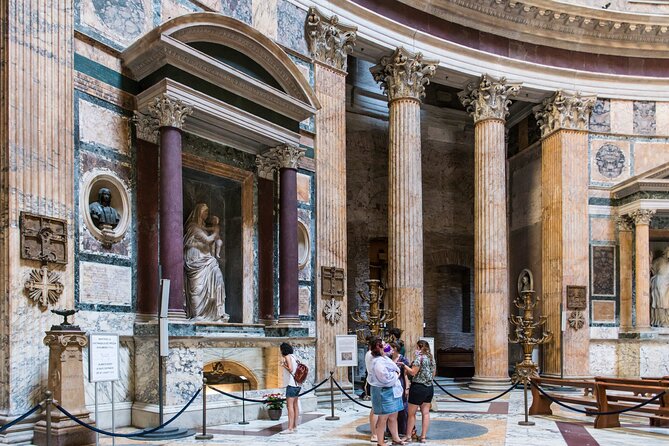
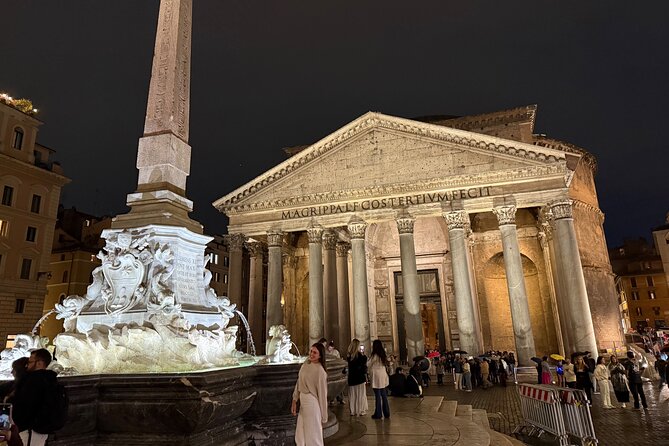
Fast-track here means you have a timed reservation meant to get you into the Pantheon without the standard ticket line. Practically, that can save you a big chunk of your hour—because once you’re inside, you’ll want that time.
That said, you still may run into crowd rhythm. The space is the space: people move in waves, and security checks or entry flow can create bottlenecks. One review specifically pointed out that going on a Sunday morning can change timing due to Mass at 10:30.
So if you’re picky about clocks, treat your entry slot as guidance, not a promise. You’ll likely be fine, but you’ll enjoy the experience more if you come with a little patience built in.
Inside the Pantheon: the dome, the oculus, and photo reality
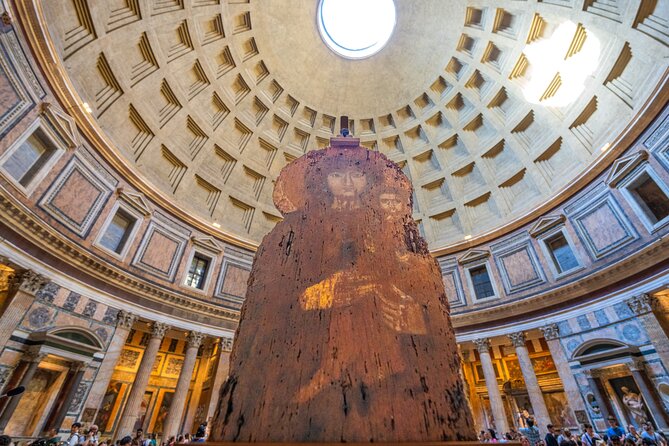
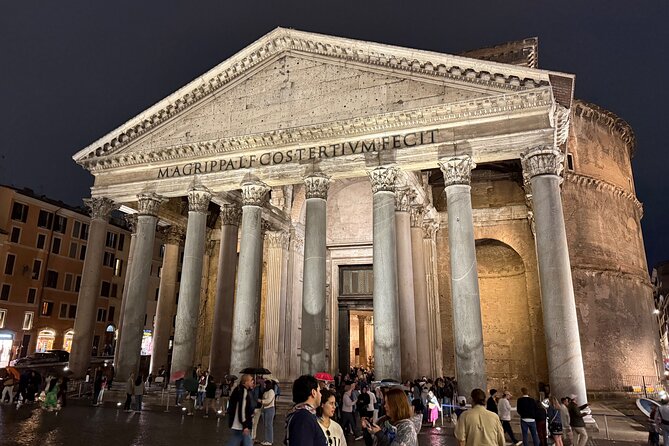
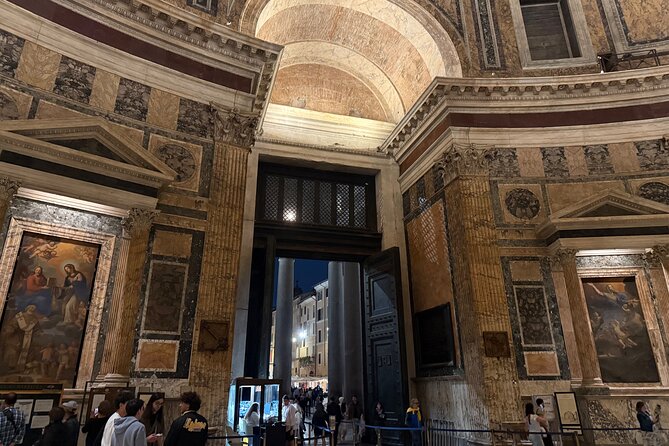
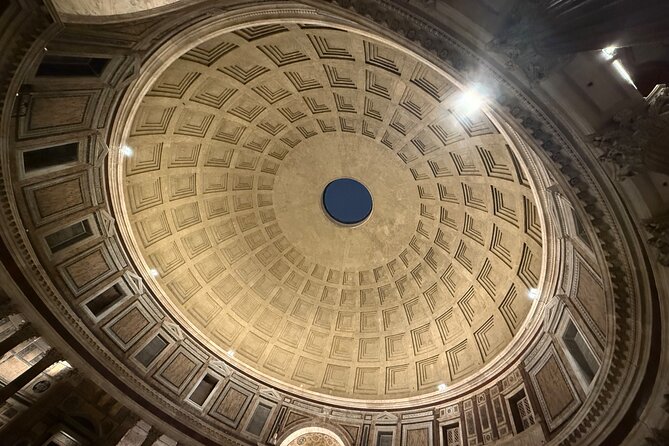
The Pantheon’s fame is not just marketing. It’s engineering you can feel. You’re walking into a building that was originally dedicated to Roman gods, later transformed into a Catholic church, and famous for its vast unreinforced concrete dome. The dome is still considered the largest of its kind in the world.
Then there’s the oculus, the open circle at the center of the dome. Light pours in depending on the time of day and the weather. If you want photos that look like the ones you’ve seen online, this is the moment: frame your shot so the light beam and the stone rhythm lead your eye.
A practical tip: don’t spend your whole time trying to photograph from one perfect spot. Walk slowly. Give yourself a few angles—especially when the crowd thins and you can step into a line-of-sight without elbows in your frame.
And yes, the awe factor is real, but you’ll get more from noticing details: the curvature of the interior, how the oculus changes the atmosphere overhead, and how the space directs your attention inward.
Church mode: St Mary of the Martyrs inside an ancient temple
One reason I like this ticket is that it doesn’t stop at the “wow, it’s big” stage. You also get into the Church of St. Mary of the Martyrs areas, so you see how the Pantheon’s religious role evolved over centuries.
That matters because the Pantheon is not just preserved archaeology. It’s a living sacred space. You’ll experience the shift from Roman temple scale to Catholic church function as you move through the interior zones, where different tombs and altars reshape what you notice.
You should also know the mood can vary. Church spaces can feel more hushed, and people may be respectful and slow-moving. If you’re the kind of person who likes atmosphere, this can be a benefit: it creates natural breathing room inside a monument that can otherwise feel chaotic.






Tombs that deserve your time: Victor Emmanuel II and Raphael
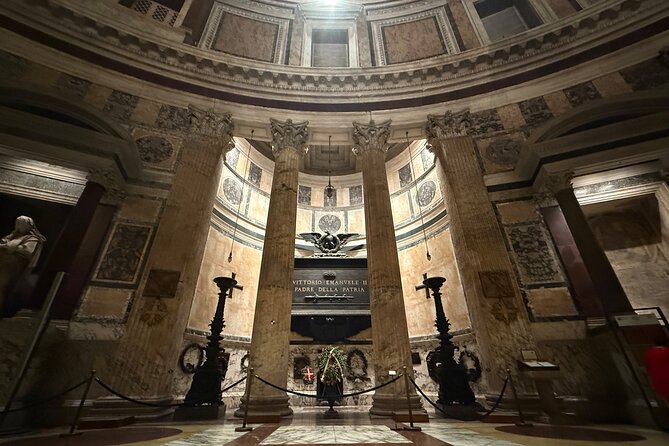
This visit includes two tomb stops that help you understand why people still come even after the first dome photo.
First up is the tomb of King Victor Emmanuel II, known as Father of the Country. It’s one of the major national memorials associated with Italy’s unification story. Seeing it here, inside the Pantheon church environment, creates a striking contrast: ancient Rome to modern nation-building, all in one interior.
Second is the tomb of the famous painter Raphael. Raphael’s presence adds an artistic layer to the visit. You’re not just touring a monument; you’re standing in a place where art history is physically part of the church space. It’s a neat reminder that Rome isn’t frozen in time—it keeps collecting meaning.
How to get the most out of these stops? Don’t rush past them as “items on the list.” Pause long enough to read the room: where you stand, how the space frames the tomb, and what the church setting adds compared with what you might expect from a museum.
Audio guide: your self-paced Rome, without a live guide
The audio guide is included, offered in English. That’s huge for value because the Pantheon can overwhelm you with visuals, but it won’t explain itself.
What you’ll like about the audio format is control. You can speed up when you’re moving, then slow down when you want context. It also reduces the pressure of keeping up with a human guide, especially if you want time for photos or you’re naturally a read-the-sign person.
One more reality check: headphones are not included. If you plan to use the audio guide, bring headphones (or earphones) that work with your phone. It’s the kind of small miss that can turn a smooth visit into a frustrating one, especially once you’re already inside.
Timing tips that help: crowds, Sundays, and realistic waits
The Pantheon can be calm or packed depending on the day and hour. Even with fast-track, crowd flow can create waiting at entry points—because people need to be checked and ushered through.
If you’re going on a Sunday morning, keep an eye on Mass timing. One clear data point from experience: Mass takes place at 10:30, and the first time slot right after that can run late. The result is that you might spend time standing in the queue even if you have the fast-track plan.
My practical advice: if you can choose, aim for a slot that gives you a buffer around church service times. And if you can’t, then come with the mindset that waiting might happen. You’ll still enjoy the Pantheon—you just won’t want to treat the arrival minute as sacred.
Dress code and sacred-site rules you should follow
This is a sacred place, and the entry rule is straightforward. You need shoulders covered and legs covered up to the knees. That means no bare shoulders and no shorts that end above the knee.
This matters because it’s not the kind of thing you want to handle at the doorway. A quick prep check can save time and embarrassment. If you’re traveling in warm weather, plan your outfit like you’re going to a church, not a beach.
If you forget and you’re borderline, you might end up slowed down while someone figures out how to handle clothing compliance. The more respectful and prepared you are, the smoother your entry will be—and the easier it is to keep your visit on track.
What “independent visit” means in practice
You’re exploring independently at your own pace, so you control your route. There’s no in-person guide herding you from station to station, which is a relief if you like to linger.
It also means your timing is more on you. If you want specific photo shots under the oculus light, you should build a little slack rather than trying to rush. If you move quickly, you can get through the church tomb areas and still have time to step back and recompose your angles.
The experience is also capped at a maximum of 6 travelers, which usually helps with comfort inside crowded spaces. Even if you’re technically in a small group, you won’t be stuck listening to someone talk over the loudest moment in the room.
Jubilee 2025 and restoration: why you should expect changes
Rome is always working on itself, and the Jubilee 2025 means some monuments may still be under restoration. That doesn’t mean the Pantheon won’t be open, but it does mean nearby or related areas could have changes in access, visible coverings, or temporary disruptions.
If you’re the type who hates surprises, plan for the possibility that not everything will look exactly like your photo reference. If you’re flexible, you’ll still get the Pantheon’s core experience: the dome, the oculus light, and the church interior where the tombs are.
A smart approach is to focus your expectations on the non-negotiables—what you can’t miss: the Pantheon’s interior and those included tomb stops.
Getting there: simple, central, and not far from transit
The meeting style here is low-stress. You don’t need to chase a meeting point. Your e-tickets are sent via WhatsApp and email 24 hours before your visit, which helps you arrive already ready to go.
It also helps that the location is noted as near public transportation. In Rome, that detail can make a real difference. Less commuting time means more time to enjoy what you came for—especially if you’re planning to stack sights in the same day.
Who this ticket suits best (and who should skip it)
This experience fits best if you want a high-impact, low-hassle visit focused on one major site. If your travel style is: get in, listen, look, take photos, move on when you want—you’ll probably like it.
It’s also a good match for:
- First-timers who want the Pantheon without getting stuck in a long ticket line
- People who prefer audio-based context over a live guide
- Travelers who only have about an hour to spare
If you want a step-by-step guide in your ear with extra storytelling, this won’t replace a live guided tour. And if you don’t plan to bring headphones, it’s worth remembering you won’t have what you need to use the included audio guide.
Should you book the Pantheon fast-track ticket?
I’d book this if your top priority is getting into the Pantheon smoothly and spending your limited time inside the dome and church areas. The price is reasonable when you factor in timed fast-track entry and the included audio guide, plus the added stops to St Mary of the Martyrs and the key tombs.
I’d think twice if you’re extremely schedule-driven for a Sunday morning slot, because church services can affect entry timing even with fast-track access. If you can build in a bit of buffer, the payoff is strong.
In short: if you want an efficient, self-paced Pantheon visit with practical extras included, this is a smart way to do it.
FAQ
How long is the Pantheon visit?
The experience runs about 1 hour (approx.).
Do I get an in-person guide?
No. You’ll have a timed reservation and an audio guide, but there is no in-person guide included.
What languages is the audio guide offered in?
The audio guide is offered in English.
Will I receive my tickets before I go?
Yes. E-tickets are sent directly to you via WhatsApp and email 24 hours before your visit.
Do I need headphones for the audio guide?
Headphones are not included.
What sites are included besides the Pantheon itself?
In addition to the Pantheon, the experience includes the Church of St. Mary of the Martyrs, the tomb of King Victor Emmanuel II, and the tomb of Raphael.
What dress code is required to enter?
Entry is permitted only if your shoulders are covered and your legs are covered up to the knees.
What is the cancellation policy?
This experience is non-refundable and cannot be changed for any reason.