REVIEW · MAUI
Self-Guided Audio Driving Tour in Maui
Book on Viator →Operated by GuideAlong (GyPSy Guide) · Bookable on Viator
Let the car do the explaining. This self-guided Maui driving tour uses GPS location-based audio so stories and directions play as you approach each stop, and it works offline once downloaded. Two things I really like: the smooth, hands-off way it tells you what’s coming next, and the fact you can pace your day instead of following a group schedule. The main tradeoff: you’ll still handle National Park entry fees and any required reservations for certain stops.
For the price, it can be a smart swap for pricey guided tours. It’s $29.99 per group (up to 8 people), and once you buy, you can use it forever with free updates. The result is a lot of Maui highlights packed into one low-stress plan, without you cramming every viewpoint into a single rushed itinerary.
Plan on driving. The suggested time is about 8 to 16 hours, and that only works if you’re comfortable steering, stopping often, and staying flexible with weather. Also, if you want power for your phone, I’d pack a USB car charger before you leave.
In This Review
- Key highlights worth building your day around
- How the GuideAlong GPS audio tour works in real driving
- Price, group size, and why this can beat a pricey guided day
- Entering Maui’s must-see stops: a practical route from Hana to Kipahulu
- Start points and the “let the audio keep you on track” style
- Ohe’o Gulch and the Oheo Pools (Seven Sacred Pools)
- Wai’anapanapa State Park (black sand beach)
- Twin Falls: the short hike stop you’ll probably want twice
- Hana Lava Tube: go in or just admire the idea
- Koki Beach and the Pele legends
- Upper Waikani Falls: fun when the water changes
- Ke’anae Arboretum: low-cost plant magic plus taro terraces
- Pipiwai Trail: the Road to Hana hike that earns its reputation
- Ho’okipa: windsurf energy and turtles (but no swimming plan)
- Hamoa Beach: sandy break with no lifeguards
- Wailua Falls: classic waterfall photos en route
- Haleakalā summit: what to expect at the crater and viewpoints
- Central Maui quick hits: Iao Valley, Makawao, and the gardens
- Iao Valley State Monument: the Iao Needle and afternoon rain
- Makawao: a last stop feel for Paniolo country
- Kepaniwai Park & Heritage Gardens: cultural mix you can walk
- Kahanu Garden and Pi’ilanihale Heiau: ancient plant stories
- South and West Maui beaches: Kihei, Wailea, Makena, Lahaina, and Ka’anapali
- Kihei: the calm-water resort strip
- Kamaole Beach Park I: family-friendly with lifeguards
- Honolua Bay: snorkel-and-diving quality, plus a surf angle
- La Perouse Bay: explore the far south (but mind exposure)
- D.T. Fleming Beach Park: shade, waves, and shore break warning
- Makena: Big Beach swimming with a Little Beach twist
- Wailea Beach: a walkable stretch with turtle snorkel potential
- Lahaina: old Hawaii port city energy
- Ka’anapali Beach: boardwalks, snorkeling, and a nightly ceremony
- Ocean wildlife and blowholes: Papawai, Nakalele, and the viewpoint loop
- Papawai Scenic Lookout (Whale Lookout Point)
- Nakalele Blowhole: close views, but don’t get too close
- Tips that make or break your self-guided Maui day
- Should you book this self-guided Maui audio driving tour?
Key highlights worth building your day around

- Audio that triggers by your location, so you don’t need to tap through maps or menus
- Offline support after you download the tour, a lifesaver on Maui drives
- Road to Hana and Haleakalā in one package, with practical stop-by-stop guidance
- No expiration date and free updates, so you can reuse it on a return trip
- Real constraints flagged in advance, like park entry and reservation needs at major sites
How the GuideAlong GPS audio tour works in real driving
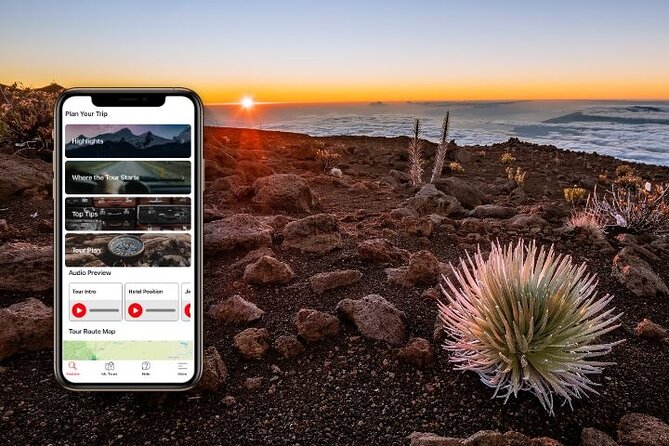
This is a driving tour, not a walking tour with a guide who herds you around. After you book, you download the GuideAlong app and then download the Maui tour under My Tours. Once it’s on your phone, the audio plays automatically based on your GPS position as you drive.
What that means for you: you can focus on the road and the scenery, and you only pull over when the audio cues a stop. I also like that you can start and stop whenever you want. If you decide to skip a viewpoint or linger at a beach, you don’t have to “catch up” to a group.
It’s also designed for offline use. One strong practical tip I’d follow: charge your phone before you go, and bring a car charger. A few minutes without power can turn an easy day into a fiddly one, especially when the narration is running in the background.
One more detail that matters: the audio is offered in English, and support is available by phone, chat, or email if something goes wrong.
You can also read our reviews of more tours and experiences in Maui.

Price, group size, and why this can beat a pricey guided day
At $29.99 per group up to 8 people, the math gets friendly fast. Even if you’re traveling as two, you’re paying for a shared experience instead of per-person tour pricing. And because it never expires, you’re not paying just for one day—you’re paying for the ability to revisit or adjust your plan later.
Duration is flexible (about 8 to 16 hours on average). That’s important because Maui driving days tend to expand. You’ll hit traffic, weather will shift, and you’ll find yourself stopping for beaches and waterfalls longer than expected. A self-paced format is ideal here.
Also, you get “465+ points” of audio content, plus trip planners in the app, web, and PDF. So if you don’t want to build your own flow, you can choose a half-day, full-day, or multi-day direction and let the tour suggestions help you structure the day.
Entering Maui’s must-see stops: a practical route from Hana to Kipahulu
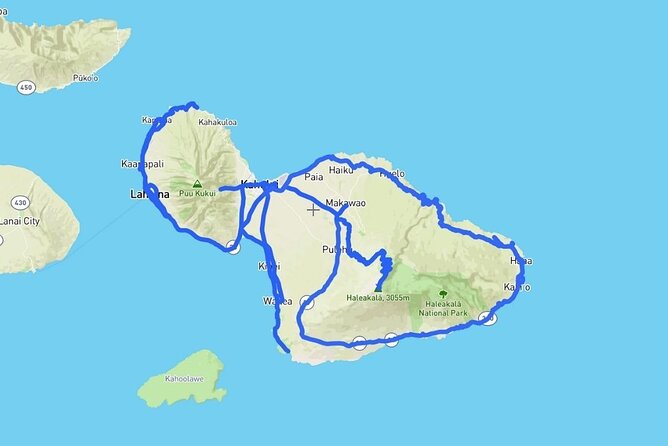
If you’re planning to do the Road to Hana side of Maui, this tour is built for that. Many of the best moments are short pull-offs: waterfalls, beach legends, ocean views, and a few spots where you’ll likely want to get out and walk.
Start points and the “let the audio keep you on track” style
You don’t have to follow a rigid order. The tour uses GPS to prompt you as you approach stops. That makes it easier to fit in only what you care about most—especially if you’re choosing between waterfalls, beaches, or hiking.
Ohe’o Gulch and the Oheo Pools (Seven Sacred Pools)
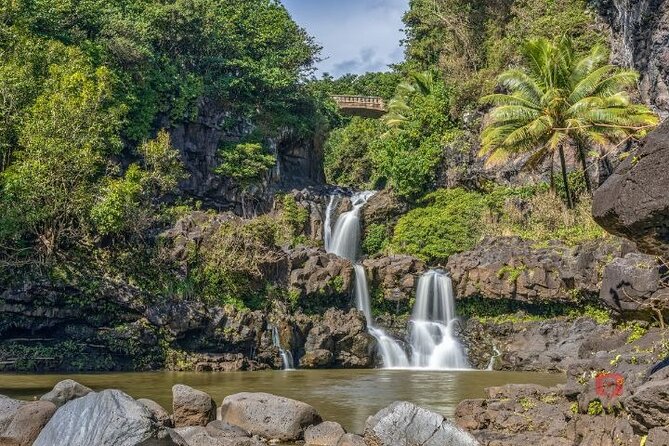
At the end of the Road to Hana drive, you reach Ohe’o Gulch in Kipahulu. This is the ocean-level extension of Haleakalā National Park, stretching from the summit down to sea level. The star is the Oheo Pools, also known as the Seven Sacred Pools. Swimming or wading can be open or closed depending on conditions, so it’s smart to check ahead before you count on getting into the water.
This area is also the trailhead area for the Pipiwai Trail. Even if you don’t hike, the short walks and ocean-shore views are worth it.
Park entry note: because it’s within the National Park, you’ll pay for entry or show an existing National Park pass.




Wai’anapanapa State Park (black sand beach)
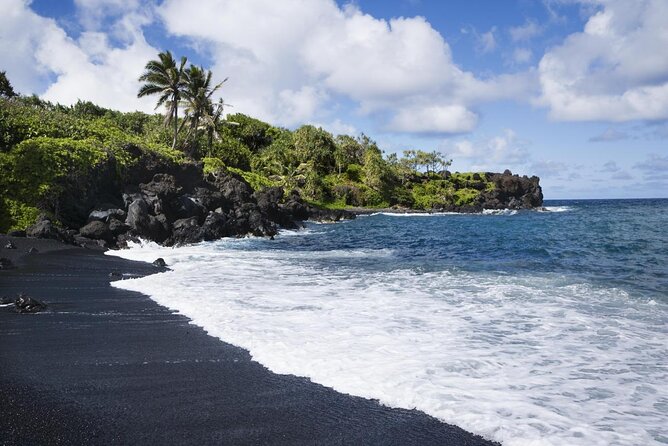
Wai’anapanapa State Park is Maui’s famous black sand beach, plus volcanic-coast scenery like a sea arch and blowhole. The audio helps you line it up with the right beach-side features as you explore. It also points out that it has legend tied to the islands.
One big planning point: reservations are required for entry. If you’re missing a reservation, you might have to adjust your day.
Twin Falls: the short hike stop you’ll probably want twice
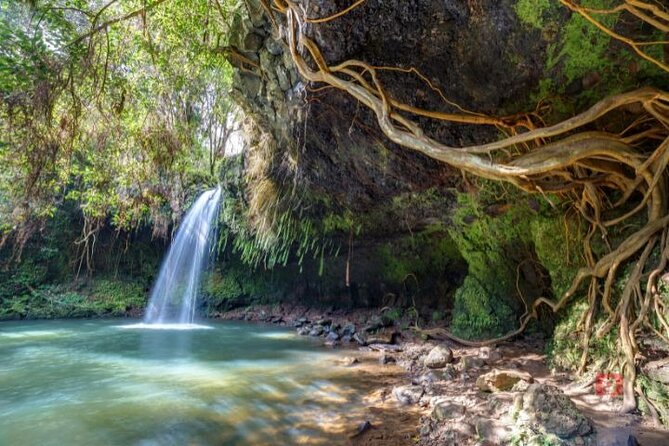
Twin Falls is often the first place you’ll feel the urge to get out of the car. The audio frames it as a picturesque, walk-friendly stop with options for how far you go. You can cross the stream in many places, and there’s bamboo forest along the 1.5 mile trail.
Practical caveat: the trail is frequently muddy. Wear shoes you won’t mind getting dirty.
There’s also a farmstand nearby that’s handy for a quick tropical fruit smoothie if you’re fueling up for the rest of the drive.
Hana Lava Tube: go in or just admire the idea
The Hana Lava Tube is one of Maui’s most accessible lava-tube experiences. You can enter and explore, but you don’t have to go far if you don’t want tight, cave-like spaces.
Time-wise, this is set up as a quick add-on—about 30 minutes in the tour logic.
Koki Beach and the Pele legends
At the Koki Beach turnoff (near the Hamoa Beach area), you’ll see the offshore Alau Island, a small ex-cindercone. The narration ties the spot to Hawaiian legends involving Pele, the goddess of volcanoes, and Maui.
This is mostly a photo-and-view stop. It’s also a reminder that Maui scenery is never just scenery—it’s tied to stories.
Upper Waikani Falls: fun when the water changes
Upper Waikani Falls is also called the 3 Bears Falls. The audio explains the interpretation: after heavy rain it can look like one thick stream (one bear), and with less water it breaks into three separate falls—one large, one medium, one small.
This is exactly the kind of stop where your visit depends on recent rainfall. Plan for it, not certainty.
Ke’anae Arboretum: low-cost plant magic plus taro terraces
Ke’anae Arboretum is an easy, no-cost stop. You can see tropical plants quickly, including golden-stemmed bamboo, ginger, papaya, and hibiscus. The standouts for photos are the close-up Rainbow Eucalyptus trees with brightly colored bark.
Keep walking if you want more: the trail leads toward Piinaau Stream and terraces created by ancient Hawaiians for taro cultivation.
Pipiwai Trail: the Road to Hana hike that earns its reputation
If you want the best hike reward on the Hana side, the Pipiwai Trail is the one. It’s a 4-mile loop climbing about 650 feet. The tour describes it as moderate, but heat can make it feel tougher.
Along the way you get views of Makihiku Falls. If you want to keep going, many visitors continue to Waimoku Falls, described as the highlight and the farthest point. Bamboo forest sections are especially peaceful.
Timing matters here. The tour logic is: get to the trail by around 2pm and you’ll have time to hike and then drive back. Expect about 2+ hours depending on how you move.
Again, park entry matters since this is inside Haleakalā National Park, so you’ll need to show your NPS pass for entry or purchase one on arrival.
Ho’okipa: windsurf energy and turtles (but no swimming plan)
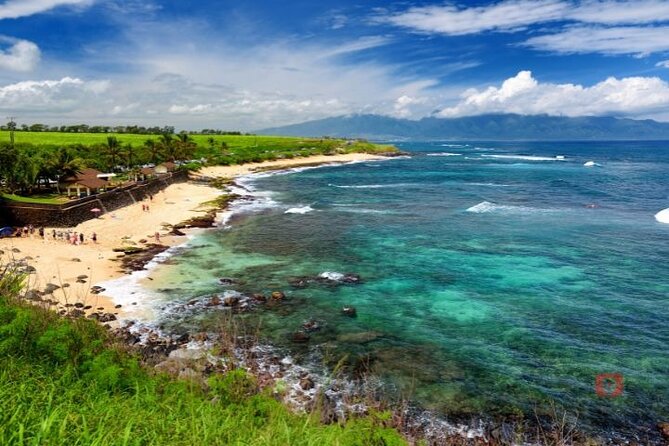
Ho’okipa is a spot to chill and watch world-class windsurfers. The audio notes it’s not recommended for swimming due to constant winds and currents, so treat it as a “watch and hang” stop.
You can also see turtles snoozing on the beach. The narration adds a helpful point: turtles can also sleep in the water—so give them space and don’t touch.
Hamoa Beach: sandy break with no lifeguards
Hamoa Beach is a crescent of sand timed perfectly for stretching legs and cooling off. There are public bathrooms and showers, but no lifeguards.
When conditions are calm, it’s a family-friendly stop. Just keep a close eye on kids.
Wailua Falls: classic waterfall photos en route
Wailua Falls sits between Hana and the Oheo Pools. There are many waterfalls along the Road to Hana, but this one is called out as a particularly picturesque classic—worth the quick pull-over.
Haleakalā summit: what to expect at the crater and viewpoints
Haleakalā is the kind of place where your brain says moon, even while your eyes say Maui. When you drive up, you arrive at the Visitor Center at about 9,700 feet, with viewpoints to see right into the enormous crater area and smaller cinder cones.
The tour also adds an extra short drive to Red Hill, up to about 10,023 feet, where you’ll get wide, sweeping views in multiple directions.
Reservations and sunrise: reservations are required for sunrise visits. You can visit at other times without a reservation, but you still need National Park entry payment if you don’t already have a pass.
There’s also a viewpoint called Kalahaku Overlook, described as two-perspective scenery: views into erosion crater formations plus outward views across Maui.
Central Maui quick hits: Iao Valley, Makawao, and the gardens
These stops are great if you want Maui beyond beaches and big hikes. They’re also useful if you’re breaking up a long driving day and want calmer moments.
Iao Valley State Monument: the Iao Needle and afternoon rain
Iao Valley is west of Wailuku and Kahului. The main photo is the Iao Needle, a granite spire remnant from when volcanoes were active.
The tour points out the valley’s weather pattern: tradewinds and steep walls turn it into a rainmaking machine, and it’s one of the wettest places on earth. Rain is usually afternoons and can be a downpour that stops quickly.
This is why I’d go with a flexible mindset. If the clouds roll in, you may still catch the views between showers.
Makawao: a last stop feel for Paniolo country
Makawao is one of the last Paniolo towns in Hawaii. The tour explains Paniolos as Hawaiian cowboys trained by Mexican cowboys who came to help manage livestock.
After you visit Haleakalā, this is a fun place to wander galleries and grab food.
Kepaniwai Park & Heritage Gardens: cultural mix you can walk
Kepaniwai Park celebrates Maui’s ethnic diversity. The audio suggests strolling through the buildings and gardens that represent cultures that shaped modern Maui.
Kahanu Garden and Pi’ilanihale Heiau: ancient plant stories
Kahanu Garden is on Hana Highway and sits within one of the larger native hala (Pandanus) forests in the islands. The tour frames it as a place to learn cultural relationships between people and plants that were transported across the Pacific on voyaging canoes.
It also highlights Pi’ilanihale Heiau, a lava-rock structure described as the largest ancient man-made structure in Polynesia. You’ll spend less than two hours if you want to catch the recommended guided tour time, or plan about 90 minutes if you self-tour.
Pi’ilanihale Heiau itself is also noted as a registered National Historic Landmark. It’s a short add-on, but it’s the kind of stop that changes how you see the rest of Maui.
South and West Maui beaches: Kihei, Wailea, Makena, Lahaina, and Ka’anapali

Once you finish the big driving highlights, Maui’s beach sections are where your day slows down. This tour includes a strong selection, with guidance on what each area is best for: calm water, snorkel chances, and legend-driven coastline stops.
Kihei: the calm-water resort strip
Kihei is South Maui’s original resort area along about six miles of sand. The tour emphasizes that this side of the island is protected, so water stays calm with gentle waves most of the time.
There are beach parks and a shopping/dining strip nearby. Also: sunsets are a highlight, with views toward Molokini and Kahoolawe.
Kamaole Beach Park I: family-friendly with lifeguards
Kamaole Beach Park I is one of three family-friendly beaches along Kihei. The tour points out restrooms, showers, grassy areas, and lifeguards on duty.
Honolua Bay: snorkel-and-diving quality, plus a surf angle
Honolua Bay is a protected turquoise bay known for snorkeling and diving with lots of fish and coral reef formations. It also notes neighboring Mokule’ia Bay as part of a broader conservation district, with good snorkeling around the point when the ocean is calm.
For surfers, it’s also described as a major spot where a surf contest is held in December. You can watch from rocky cliffs.
La Perouse Bay: explore the far south (but mind exposure)
If you want to keep driving past the built-up areas, La Perouse Bay is your “end of the road” type stop. Snorkeling bays and coves appear along the coastline, but it’s rocky. The tour suggests choosing areas where other snorkelers are getting in and out easily.
At the very end, you can see where the last active lava flow reshaped coastline. There’s also the Kings Trail through lava fields, but it’s isolated and exposed to the sun. Wear good footwear.
D.T. Fleming Beach Park: shade, waves, and shore break warning
D.T. Fleming Beach Park has ironwood trees that provide shade, plus lifeguards, restrooms, showers, and BBQ grills. It can be great for bodysurfing or boogie boarding, but the tour warns about a wicked shore break that can catch swimmers off guard.
Makena: Big Beach swimming with a Little Beach twist
Makena’s beaches are popular with locals. Big Beach gets called out as the most popular, with a generous sandy area and lifeguards. Calm swimming is often possible, but there’s shore break risk when waves line up.
A key detail: Little Beach is clothing-optional, and Sunday evenings can include drum circles and fire-dancing. The tour also suggests finding shade trees if you can.
Wailea Beach: a walkable stretch with turtle snorkel potential
Wailea Beach includes a beachside walk with great West Maui views, plus nearby rocky coves for snorkeling where turtles may be seen. There are showers, restrooms, and picnic areas, plus the Shops at Wailea as a detour.
Lahaina: old Hawaii port city energy
Lahaina was the first capital of unified Hawaii under King Kamehameha the Great, and it served as an early port for whaling and trading ships. The tour points out heritage buildings and sites alongside today’s holiday economy.
It’s best explored on foot around the waterfront, including market stalls under the banyan tree.
Ka’anapali Beach: boardwalks, snorkeling, and a nightly ceremony
Ka’anapali Beach is the hotel-row stretch with golden sand. The tour highlights it as ideal for families, with boardwalk walking and snorkel opportunities.
It also notes a nightly diving ceremony where divers use tiki torches and dive off Puu Kekaa or Black Rock. If you’re the type who enjoys rituals, this is worth staying late for.
Ocean wildlife and blowholes: Papawai, Nakalele, and the viewpoint loop
Two stops in this tour really scratch the ocean-view itch.
Papawai Scenic Lookout (Whale Lookout Point)
Whales can show up from November through April. The tour describes humpback whales wintering around Maui, with mating and birth in the waters, especially on the protected western side.
From November–April, you might spot blowholes, fin slapping, and even breaching depending on conditions. The tour points you to Papawai Scenic Lookout (Whale Lookout Point) between Ma’alaea and Lahaina, as an excellent elevated viewing spot.
Nakalele Blowhole: close views, but don’t get too close
Nakalele Blowhole is on the top side of West Maui, reached after passing Honolua Bay. Visiting requires a short walk down a trail (about 10 minutes) through rocky terrain.
You can get a close view, but the tour strongly recommends staying back from the hole and chamber. It also repeats a core Hawaii safety rule: never turn your back to the ocean and waves, especially near blowholes. If you don’t want the walk, you can still see the blowhole area from the elevated car park.
Tips that make or break your self-guided Maui day
I like this tour because it keeps working even when you’re tired or busy—if your phone is ready and your timing is realistic. Here are the practical things I’d do before you roll:
- Charge your phone fully and bring a USB car charger.
- Assume some stops need more planning than others: national park entry is separate from the audio tour, and some sites require reservations.
- Build buffer time into your day. Maui driving doesn’t obey timetables.
- If you’re doing Haleakalā sunrise, plan that part early since reservations are required for sunrise visits.
Also, a heads-up: the tour info includes mention of a tsunami warning issued due to a Pacific Ocean earthquake. For real-time safety updates, check tsunami.gov.
Should you book this self-guided Maui audio driving tour?
Book it if you want to hit Maui’s big icons—Road to Hana highlights, Haleakalā summit, and standout beach and ocean-view stops—without paying for a per-person guided tour. It’s especially good for groups (since the price is per group up to 8), for people who hate being rushed, and for anyone who likes learning as they drive.
Skip it (or plan differently) if you strongly prefer everything handled for you. This audio tour is excellent at pointing you to stops and telling you what they mean, but you still need to manage National Park entry and any reservation rules for certain places.
If your idea of a great day is: park, listen, look, and move when you’re ready, this is a solid Maui buy.