REVIEW · ROME
National Gallery of Modern Art Ticket & Rome App Audioguide
Book on GetYourGuide →Operated by GetYourGuide Tours & Tickets GmbH · Bookable on GetYourGuide
Modern art, minus the waiting line. You get skip-the-line entry plus a digital Rome audioguide, and the museum delivers nearly 20,000 works across two floors. I especially like how the collection spans big names and major movements, and how you can set your own pace without a guided group pushing you along. The one catch is that the museum can feel huge, and you may occasionally wish the labeling and wayfinding were more obvious.
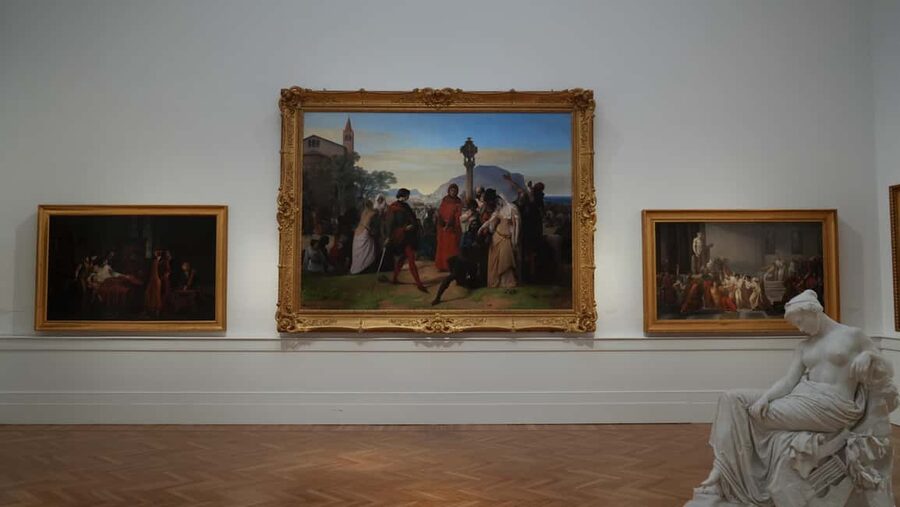
This is a self-guided experience built for people who want to look, pause, and re-look. The ground floor focuses on 19th-century art, including works tied to Claude Monet and Vincent van Gogh, while the top floor shifts to 20th-century themes and artists such as Antonio Canova and Joseph Kosuth. Plan your route ahead of time, because with nearly 20,000 pieces, wandering without a plan can turn into a long day with tired feet.
If you’re visiting Rome for major art and you like having context while you explore, this ticket is a smart use of time. You’ll also want to remember the museum is closed on Mondays, and flash photography is not allowed. Think of this as a flexible pass into one of Italy’s best-known modern art collections—less hassle, more looking.
In This Review
- Key Things I’d Focus On Before You Go
- Skip-the-Line Entry: What You Gain Right Away
- Ground Floor to Top Floor: A Route That Makes Sense for Modern Art
- Using the Rome App Audioguide Without Feeling Lost
- How to Plan a 1-Day Visit So You Don’t Burn Out
- Art Highlights: Monet, Van Gogh, Canova, Kosuth (and the Styles Between)
- Practical Rules That Shape Your Visit (Bags, Food, Photos)
- Price and Value: Is It Worth $20?
- Who Should Book This and Who Might Want Another Option
- Should You Book This National Gallery of Modern Art Ticket?
- FAQ
- How long is the ticket valid?
- Does the experience include a guided tour?
- What’s included in the ticket?
- Is the museum open every day?
- Can I take photos inside the museum?
- Are food and drinks allowed in the galleries?
- What about bags or luggage?
- Is the museum wheelchair accessible?
Key Things I’d Focus On Before You Go
- Skip-the-line entry means less time queued and more time seeing art
- Nearly 20,000 works across 19th- and 20th-century collections
- Two-floor structure helps you build a simple route: ground floor first, top floor second
- Digital app audioguide gives you context without joining a guided tour
- No food or large bags inside keeps the galleries calmer and makes your logistics simpler
Skip-the-Line Entry: What You Gain Right Away
The biggest practical win is that you can skip the ticket line and walk in using your official ticket. In a place this popular, that matters more than you’d think. One good hour saved can be the difference between enjoying the art and feeling like you’re rushing just to “fit it all in.”
You’re not joining a guided tour. That’s not a downside—it’s freedom. You control the order you see things, when you stop to read, and when you move on. The audioguide is there to help you connect the dots while still letting you look at whatever grabs you.
One more thing to keep in mind: your time is limited to one day. So don’t show up late and assume you’ll “catch up.” If you want the best experience, arrive ready to start immediately after entry.
You can also read our reviews of more tours and experiences in Rome.



Ground Floor to Top Floor: A Route That Makes Sense for Modern Art
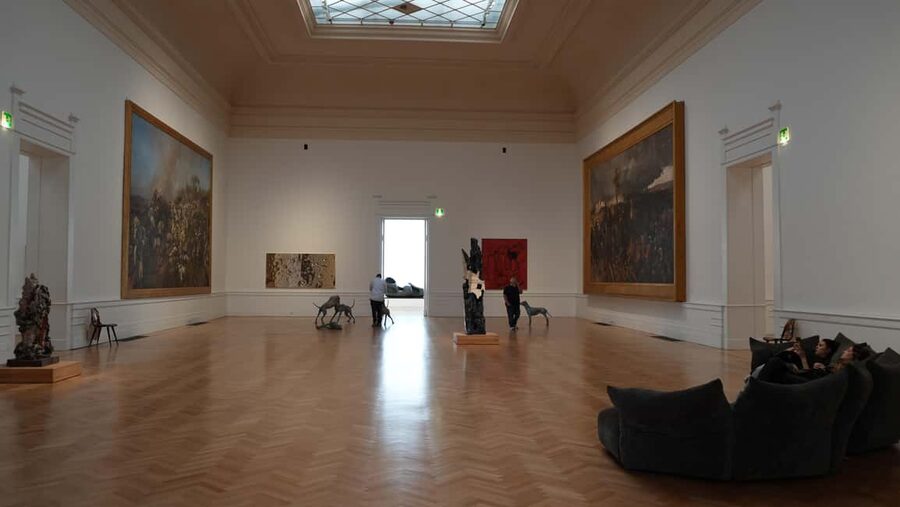
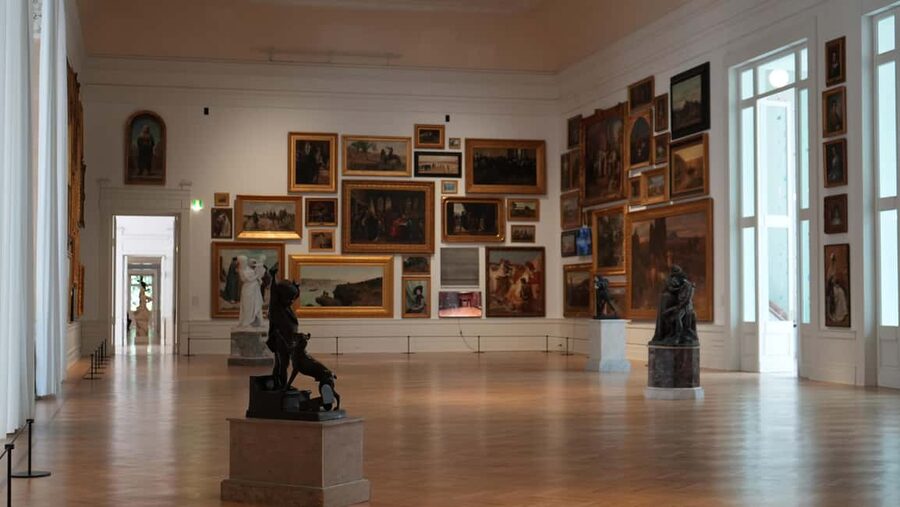
The museum’s layout is friendly for planning, because it separates the collection by era. You’ll find 19th-century art on the ground floor, and 20th-century art on the top floor. That structure helps you avoid that common modern-art problem: staring at unrelated styles back-to-back until everything blends together.
A good approach is to start with the ground floor first. This is where you’ll see examples tied to major names such as Claude Monet and Vincent van Gogh. Even if you already know these artists, it’s still worth letting the audioguide do the work of reminding you what to look for—brushwork, changes in style over time, and how the art reflects its moment.
Then head up to the top floor. This is where the museum leans into later developments, including categories like Neoclassicism, Impressionism, Futurism, and Surrealism. You’ll also encounter artists such as Antonio Canova and Joseph Kosuth, which is a nice reminder that “modern” isn’t one look—it’s many ideas about what art can be.
If you’re prone to fatigue, consider giving yourself a break halfway through. With nearly 20,000 works, your brain will thank you for strategic pauses, even if the museum is primarily made for walking.
Using the Rome App Audioguide Without Feeling Lost
This experience includes access to the museum and a digital app audioguide. That’s the ideal combo for self-guided visiting: you don’t need a human guide, but you still get explanations that make the art more readable.
Since the museum is large, I’d treat the audioguide like your “map plus context” tool. Instead of trying to listen to everything, pick sections that match your interests. If you’re more drawn to Impressionism, focus there on the ground floor. If you want to understand how art shifted in the 20th century, focus your listening on the top floor.
One thing to watch: in a big museum, labeling can feel hit-or-miss. You might find yourself doing a little detective work—reading what you can, then using the app to confirm you’re looking at the right piece. That doesn’t ruin the visit, but it’s good to know up front. The audioguide helps you avoid feeling like you’re guessing.
Also, photography is allowed, but flash is not permitted. If you plan to take reference photos for later, your audioguide can help you remember which works were the ones that actually mattered to you.
How to Plan a 1-Day Visit So You Don’t Burn Out
You have a one-day window, and the collection size is no joke: nearly 20,000 works. That number is impressive, but it can also make planning feel impossible. Here’s the practical solution: don’t try to “see everything.” Try to see the right things.
I like splitting the visit into three mental phases:
- Orientation phase: ground floor highlights plus one or two audioguide listening stops
- Focus phase: move deliberately through the eras and styles that interest you most
- Recovery phase: slow down and linger wherever you keep returning
If you’re an art fan, you’ll naturally want more time than one day. That’s normal. Still, you can make one day work by choosing a theme or two. For example, you could focus on the transition from 19th-century styles into 20th-century movements, and ignore everything outside that storyline.
If you’re not as confident with modern art, the audioguide is especially useful. It can turn a random room of labels into a guided experience without locking you into someone else’s pace.
And because the museum is wheelchair accessible, you can plan a route that works at your speed, including avoiding long backtracking.
Art Highlights: Monet, Van Gogh, Canova, Kosuth (and the Styles Between)
This collection is big enough that “modern art” doesn’t mean a single genre. You’ll see variety across eras and approaches, which is exactly what makes it worth your time.
On the ground floor, names like Claude Monet and Vincent van Gogh set a strong anchor. You’re not just looking at famous works—you’re also seeing how 19th-century art evolved in style and subject. If you like paintings that reward close looking, this is the side of the museum where you’ll likely slow down.
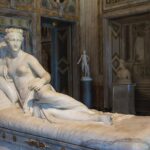
Upstairs, the museum shifts into 20th-century experimentation and ideas. Joseph Kosuth represents the kind of art that makes you think about concept as much as form. Antonio Canova appears as well, which is interesting because it connects you to the classical side of modern museum life—how earlier aesthetics influence later art conversations.
The era range also includes movements like Futurism and Surrealism. That means you might go from art that feels fast and kinetic to work that feels dreamlike or psychologically intense. When you experience that spread in one building, it’s easier to understand that modern art is really about changing definitions of what art is for.
If you want a simple way to enjoy this: stand in front of one piece longer than you think you need, then let the audioguide explain what you’re missing. Repeat once per room. You’ll feel smarter, not overwhelmed.




Practical Rules That Shape Your Visit (Bags, Food, Photos)
A smooth visit isn’t just about art—it’s about friction. Here’s what can affect your day:
- No food or drinks inside the museum galleries. Plan on eating outside before or after.
- Large bags and luggage can’t go into the galleries, so you’ll need to use the cloakroom.
- Pets are not allowed, though assistance dogs are allowed.
- Photography is allowed, but flash photography is not permitted.
These rules aren’t there to be annoying. They help keep the galleries comfortable and protect the artworks. Still, they influence your logistics. If you’re carrying a backpack, assume you’ll spend a few minutes at cloakroom time. If you’re traveling light, you’ll feel less slowed down.
Also, wheelchair accessibility is available. If you’re visiting with mobility needs, it’s a good sign you can plan a route that doesn’t require constant stairs or awkward detours.
Price and Value: Is It Worth $20?
The listed price is around $20 per person, and the details matter: the ticket cost is 15 EUR, while the remainder covers the digital app audioguide and GetYourGuide services. So you’re not just paying for entry—you’re paying for a way to make the museum more understandable once you’re inside.
For a museum with nearly 20,000 works, context is part of the value. Without an audioguide, you can still enjoy the art, but it’s easier to leave feeling like you saw a lot instead of remembering specific connections. With the app, you can target what you care about and get explanations right when you need them.
The skip-the-line access is also real value. Rome has plenty of lines that steal your energy. This ticket trades some planning effort up front for better time inside—exactly what you want for a one-day visit.
If you’re comparing options, think about whether you prefer independence over a guided tour. Since this doesn’t include a guide, it’s best for people who can self-direct with the help of an app.
Who Should Book This and Who Might Want Another Option
This ticket is a great fit if you:
- want to see modern art without joining a group tour
- enjoy having context but still want to move at your own speed
- like art enough to handle a large museum and a self-planned route
It may be less ideal if you:
- hate museums that require you to navigate your own path
- need constant, turn-by-turn guidance to feel comfortable
- want a structured guided experience with a human interpreter
That last point is important. This isn’t designed as a guided tour. If you want someone explaining everything live, you’d likely prefer a different format. But if you like the idea of choosing your own stops and using an audioguide to fill in the background, this works well.
Should You Book This National Gallery of Modern Art Ticket?
I think you should book it if you want maximum art time with minimal hassle. Skip-the-line entry plus a digital audioguide is a strong combo for a large museum, especially when you only have one day. The price structure is fair because the entry and app support are clearly tied together.
Book it if your style of travel matches self-guided exploring. Arrive early, commit to a route (ground floor then top floor), and use the audioguide selectively rather than trying to listen to everything. You’ll come away with a more connected understanding of modern art and a day that feels planned, not chaotic.
Skip it—or look for an alternative—if you know you’ll need a guided explanation throughout your visit.
FAQ
How long is the ticket valid?
The ticket is valid for one day, based on available starting times.
Does the experience include a guided tour?
No. You get museum access and a digital app audioguide, but no guided tour is included.
What’s included in the ticket?
You get access to the National Gallery of Modern Art and a digital app audioguide.
Is the museum open every day?
No. The museum is closed on Mondays.
Can I take photos inside the museum?
Yes, photography is allowed, but flash photography is not permitted.
Are food and drinks allowed in the galleries?
No. Food and drinks are not allowed inside the museum galleries.
What about bags or luggage?
Large bags and backpacks aren’t allowed in the galleries and must be left at the cloakroom.
Is the museum wheelchair accessible?
Yes, the experience is wheelchair accessible.