REVIEW · ISTANBUL
Istanbul: Bosphorus and Golden Horn Cruise with Audio Guide
Book on Viator →Operated by Bosporus Cruise · Bookable on Viator
The Bosphorus runs right past Istanbul’s icons. This 2-hour Bosphorus and Golden Horn cruise packages big-name sights in one ride, with an audio guide in English as your on-water map. I especially like the way the route shows Istanbul as a true Europe-meets-Asia city, and I love getting those sweeping shoreline views without dealing with traffic. The main thing to watch for is that the audio can be uneven on board, so your seat choice matters.
You’ll start at Cankurtaran (Ayasofya Meydanı No:2) and come back to the same meeting point. The boat carries up to 100 people, so it’s a good option for seeing a lot fast, but you’ll want to dress for wind and expect some crowding during popular sailings.
In This Review
- Key things to know before you board
- Meeting Point at Cankurtaran: Give Yourself Time for the Walk
- The Bosphorus Loop: What You’ll Actually See in Two Hours
- Galata Tower and the Golden Horn: Harbor-Scale Views, Not Museum Time
- Dolmabahçe Palace from the Water and Ortaköy’s Street-Life Atmosphere
- Bridges, Rumeli Fortress, and Anatolian Fortress: The Istanbul Split You Can See
- Beylerbeyi Palace and the Maiden’s Tower Look: Best Photo Moments
- Audio Guide Reality Check: English Is Offered, But Sound Quality Can Vary
- Comfort, Crowds, and On-Board Selling: How to Avoid the Stress
- Price and Value at $21.72: Why It Can Be a Great Deal
- Timing, Weather, and What to Wear for a Windy Strait
- Should You Book This Bosphorus and Golden Horn Cruise?
- FAQ
- How long is the Bosphorus and Golden Horn cruise?
- Where does the tour start and where do you end up?
- What language is the audio guide available in?
- Do I need a printout or can I use a mobile ticket?
- How many people are typically on the boat?
- Is the experience weather-dependent?
- When will I get confirmation after booking?
- What is the price?
- What is the cancellation window?
- Is it easy to reach the meeting point with public transport?
Key things to know before you board
- Audio comes through the boat speakers. Clarity and timing can vary, especially if you’re farther from the main loudspeaker.
- You’ll see both sides of Istanbul. The route threads together Europe shoreline highlights and Asian-side viewpoints.
- Plan for a walk to the pier. Even though the meeting point is near public transportation, the move from pickup to docking can feel long.
- Expect sales on board. There can be persistent pitches for photos and drinks, including paid refreshments.
- Weather matters. The experience requires good weather, so go with the forecast in mind.
- Bring layers. Even when it’s not freezing on land, Bosphorus wind can turn chilly fast.
Meeting Point at Cankurtaran: Give Yourself Time for the Walk
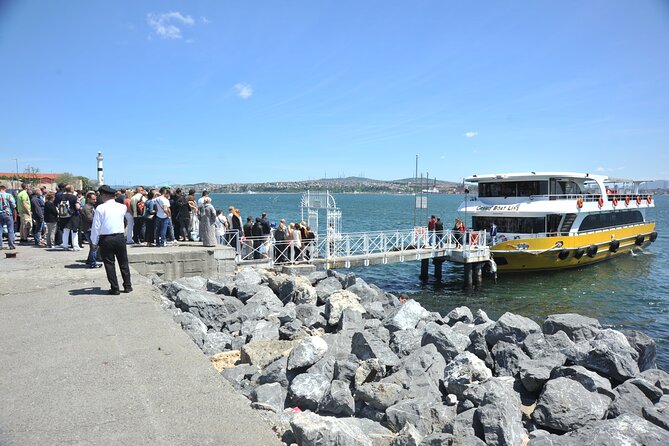
Your stated start point is Cankurtaran, Ayasofya Meydanı No:2 in Fatih. It’s near public transportation, which helps, but the practical reality is the boat doesn’t always dock right next to where you first gather. On some sailings, that walk can feel like more than a quick hop—think downhill stretches and a bit of a sprint if everyone lines up at once.
My advice: arrive early enough that you’re not rushing. If you’re traveling with knee issues or you just don’t do well with hurried group movement, treat this as a “buffer day” and plan for walking on uneven ground near the water. A small daypack and comfortable shoes make the whole start smoother.
You can also read our reviews of more tours and experiences in Istanbul.


The Bosphorus Loop: What You’ll Actually See in Two Hours
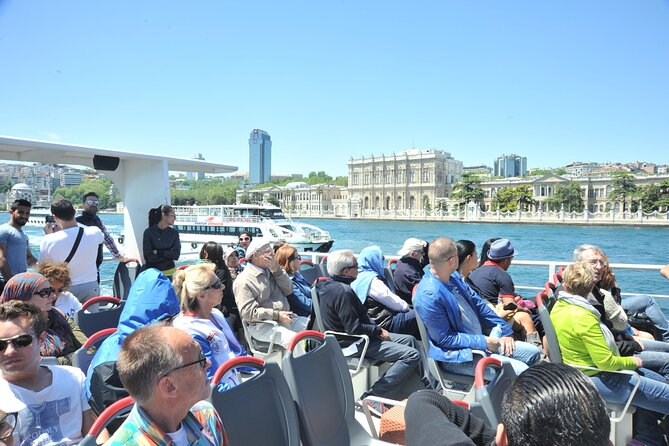
This cruise is designed to fit a lot into about two hours, focusing on the strait that divides Istanbul. The Bosphorus Strait connects Europe and Asia through the Sea of Marmara—so on the water you get constant perspective shifts. The itinerary includes the Bosphorus and the Golden Horn (Halic), plus major bridges and shoreline landmarks.
A key value of this format is how it works for first-timers. In one sitting, you pass:
- the European waterfront with landmarks like Dolmabahçe,
- neighborhoods along the Bosphorus such as Ortaköy,
- and then you roll into Asian-side scenery like Beylerbeyi and the Maiden’s Tower.
The other practical point: the cruise can go farther up the Bosphorus than you might expect from a “simple loop.” That’s great for views, but it also means the narration has to cover a lot quickly. When the audio is delayed or cut out, you’ll still have plenty to look at—but don’t count on the guide being perfect at every single moment.
Galata Tower and the Golden Horn: Harbor-Scale Views, Not Museum Time
Galata Tower is one of Istanbul’s most recognizable silhouettes. From the water, it’s the kind of sight you immediately understand—close enough to register, but still framed by bridges, hills, and dense city layers. The tower’s nighttime reputation (colorful lights visible across the city) is part of its mystique, and the overall area around it gives that classic “Istanbul from everywhere” feeling.
Then you’re in the Golden Horn (Halic), often described as a major natural harbor. Conceptually, it’s important: the Golden Horn is an arm of the Bosphorus where two rivers flow at the far end, and it separates the European coast of Istanbul. On a boat, that’s easier to grasp than it is to explain on land—because you see the waterway’s shape doing the dividing.
One consideration: the Golden Horn section may not feel like a full deep dive. If you’re hoping for a super-length narration-focused tour inside the harbor, set expectations for a “best views in a short time” approach. Even when the boat route is solid, audio can run late or stop being specific on parts of the return leg.
Dolmabahçe Palace from the Water and Ortaköy’s Street-Life Atmosphere
Dolmabahçe Palace is the kind of landmark you remember after the cruise ends. It’s an Ottoman Empire 19th-century showpiece on the Bosphorus—an architectural step-up you’ll notice right away when it slides into view along the shore.
The water perspective matters here. From streets, palaces can feel distant or blocked by walls. From the Bosphorus, you get a more direct line of sight, and the palace feels like part of the shoreline conversation instead of a separate stop you must reach on foot later.
Next up is Ortaköy, one of the more popular, lively neighborhoods along the Bosphorus near the bridge. This is where you’ll start to see the waterfront as daily life, not just sightseeing. Ortaköy is known for cafes, bars, pubs, restaurants, shops, boutiques, and even the smaller bakery-and-souvenir rhythm. If you like neighborhoods that feel lived-in, Ortaköy is a highlight on this kind of cruise.
Tip: if you plan to do street-level exploration afterward, Ortaköy is a smart neighborhood to remember. The cruise gives you the first impression—then you can decide how long you want to linger on land later.
Bridges, Rumeli Fortress, and Anatolian Fortress: The Istanbul Split You Can See
A huge reason Istanbul is famous is the “two continents” reality you can actually watch from the water. This route includes major bridge moments and forts that explain why these places mattered strategically.
You’ll pass or reference:
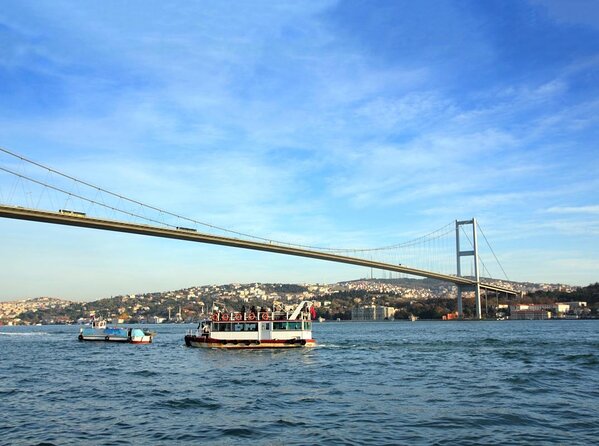
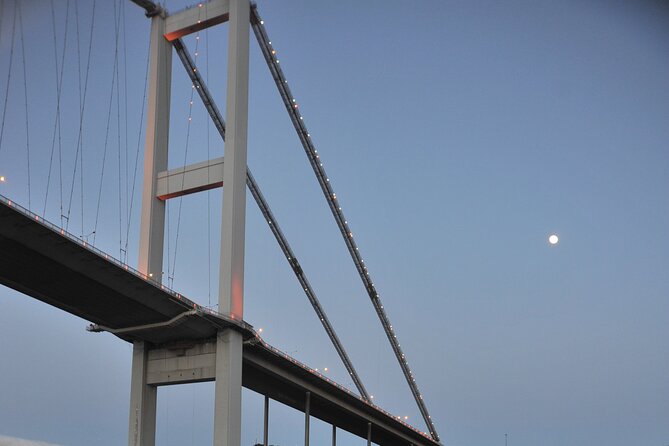
- the Bosphorus and Fatih Sultan Mehmet bridges as the main connectors between Europe and Asia,
- Rumeli Fortress, built under the orders of Fatih Sultan Mehmet,
- and the Anatolian Fortress on the opposite side, associated with Sultan Bayezid’s orders.
What makes these stops feel real is how they sit inside the geography. Fortresses aren’t just architecture here—they’re answers to terrain. On the boat, you can see how the coastline curves, where the water narrows, and why a fortress would be placed where it could control movement along the strait.
Rumeli Fortress today functions with cafes and restaurants, which is a practical detail worth keeping in mind. It’s no longer only a defensive relic; it’s part of how people spend time in this area.
A possible drawback: because this is a short ride with lots of landmarks, you can’t expect to absorb everything at full depth. If you want strict, chronological history, you may get more value pairing the cruise with one or two focused land visits afterward.
Beylerbeyi Palace and the Maiden’s Tower Look: Best Photo Moments
Beylerbeyi Palace brings the “chic Bosphorus” vibe to the Asian side. The palace is associated with Sultan Abdulaziz and was originally built as a summer vacation palace for the imperial family. From the water, it reads as elegant, symmetrical, and clearly designed to be seen.
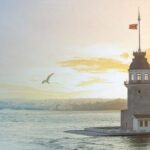
And then there’s the Maiden’s Tower—Leander’s Tower from the Byzantine period—standing on a small islet just off the Uskudar coast. Even if you’ve seen photos before, seeing it in motion on the water changes the feel. It’s isolated, graceful, and framed by the wider strait, which makes it easy to spot and easy to remember.
This is one of those moments where the itinerary shines. The cruise format means you get a wide sweep of landmarks in a short time, and the Maiden’s Tower is the kind of sight that makes your brain go quiet for a second. It’s also tied to romantic legends and lots of proposals and celebrations in the cultural imagination, which is part of why it’s such a frequent symbol of Istanbul.
If you’re taking photos, stand or position yourself where you don’t block other people. Boat decks can get busy, and the best shots often come from a calm moment rather than a sprint.
Audio Guide Reality Check: English Is Offered, But Sound Quality Can Vary
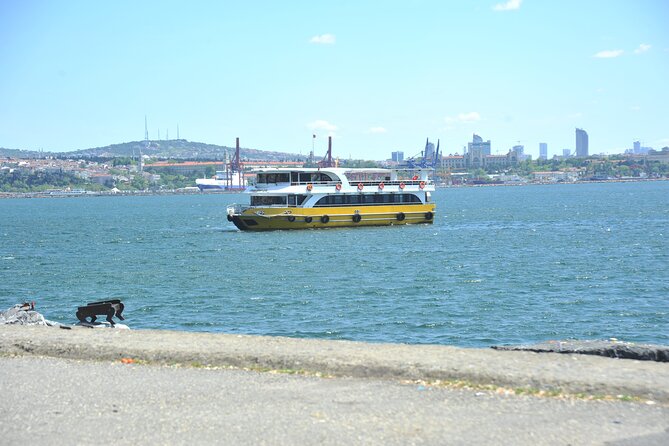
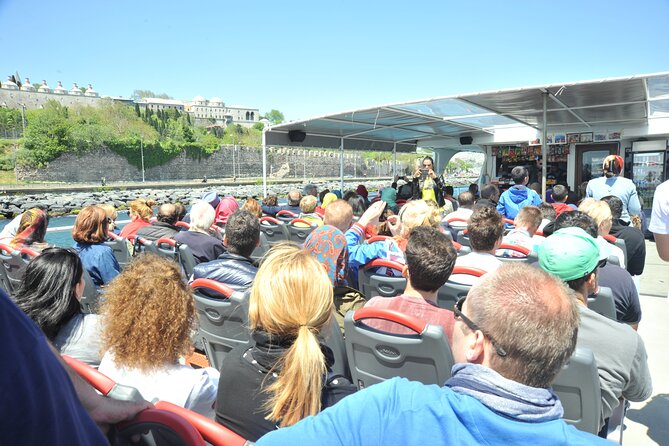
This tour is listed with an audio guide offered in English, and the format matters. The narration is delivered through the boat’s audio system rather than personal headphones. That means:
- volume and clarity can depend on where you sit,
- sound can be distorted or low on one side of the ship,
- and timing can lag behind what you’re seeing.
Some sailings have narration that gets out of sync after a while. Others have reported missing commentary on parts of the return leg, particularly along the Asian side. In plain terms: don’t build your whole experience around perfect audio.
My practical strategy: treat the audio as a bonus, not the main event. If the commentary works where you are, you’ll pick up great orientation for landmarks like Galata Tower, Dolmabahçe, and the fortresses. If it doesn’t, you can still enjoy the cruise by focusing on the visuals and using your phone for quick landmark lookups when something interesting comes into view.
Comfort, Crowds, and On-Board Selling: How to Avoid the Stress
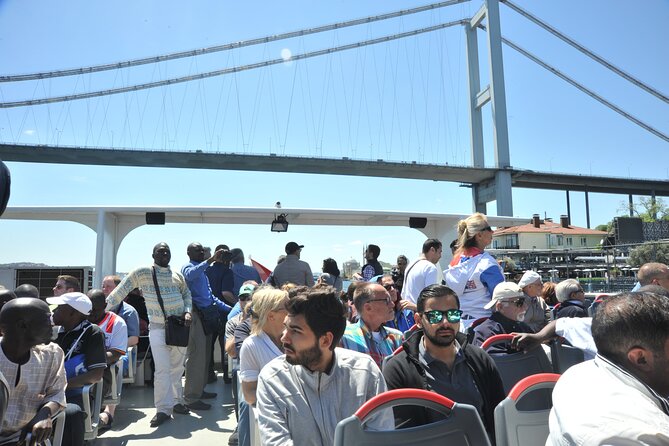
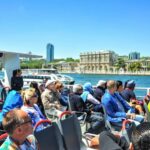
With a maximum of 100 travelers, this isn’t a private boat. It can feel crowded, especially on popular departure times. A tight deck affects everything: viewing angles, where you can stand for photos, and whether you find a comfortable spot to listen.
Seating can be limited during busy departures. The move from meeting to boat can also feel chaotic if everyone funnels in at once, so give yourself time and avoid arriving at the last second.
Then there’s the on-board sales culture. You may notice constant selling of photos, drinks, and snacks—plus the occasional attention-grabber promotion. If you’re sensitive to that kind of pressure, it helps to have a mindset going in: accept it, don’t engage, and focus on the scenery.
Practical tip: bring your own water if that’s your preference. If you do buy refreshments, keep expectations realistic about pricing. The experience is priced as an affordable sightseeing ride, but onboard items can be expensive compared with what you’d pay on land.
Price and Value at $21.72: Why It Can Be a Great Deal
At about $21.72 per person for roughly two hours, the value comes from concentration. Instead of spending half your day commuting between viewpoints, you get a continuous shoreline experience that stitches together multiple major Istanbul symbols.
Here’s how the math works for many visitors:
- The Bosphorus itself is the attraction, and it’s free to admire—so you’re mainly paying for guided orientation and access to viewpoints from the water.
- The route hits big names quickly: Galata Tower, Golden Horn, Dolmabahçe Palace, Ortaköy, bridges, Rumeli and Anatolian fortresses, Beylerbeyi Palace, and the Maiden’s Tower.
- The audio guide can add context without forcing you into museum schedules.
But value is also about friction. If you end up with poor audio where you’re sitting, or you’re stuck in a crowded spot with limited viewing angles, the experience can feel less “guided” and more “ride.” If your top priority is storytelling, you may get more satisfaction from a smaller boat tour with clearer narration. If your top priority is views and getting oriented fast, this price level is hard to beat.
Timing, Weather, and What to Wear for a Windy Strait
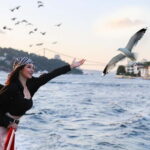
This experience requires good weather. When conditions are right, the Bosphorus can feel magical—light on the water, moving silhouettes, and city landmarks framed in a way you can’t replicate on foot.
When conditions are less comfortable, the boat can still be worth it, but you need to dress for wind. Even in shoulder seasons, the deck can feel cold because you’re exposed. Layers help. A jacket you’re willing to wear for the full ride is a smart call.
Also, check what time of day you’re booking. The cruise goes through daylight-friendly landmark zones, and evening light can change the look of the city and tower lights. Whatever time you pick, plan around wind and bring what you need to stay comfortable.
Should You Book This Bosphorus and Golden Horn Cruise?
I’d book this if you want an affordable, efficient Istanbul-from-the-water experience that covers both continents in about two hours. It’s a good fit for first-timers, families who want something calm and scenic, and anyone who likes building a visual map of the city before choosing later land visits.
I’d skip or adjust expectations if:
- you need crystal-clear narration all the way through,
- you hate crowds and pressure from onboard selling,
- or you’re expecting a fully detailed, museum-style history lecture.
If you’re the type who cares more about the view than perfect audio timing, this cruise can be a strong choice. And if the audio is weak where you’re seated, you’ll still come away with a stack of unforgettable Bosphorus visuals.
FAQ
How long is the Bosphorus and Golden Horn cruise?
It runs for about 2 hours.
Where does the tour start and where do you end up?
You meet at Cankurtaran, Ayasofya Meydanı No:2, 34122 Fatih/İstanbul, Türkiye, and the activity ends back at the same meeting point.
What language is the audio guide available in?
The tour is offered with an audio guide in English.
Do I need a printout or can I use a mobile ticket?
You get a mobile ticket.
How many people are typically on the boat?
The experience has a maximum of 100 travelers.
Is the experience weather-dependent?
Yes. It requires good weather, and if it’s canceled due to poor weather you’ll be offered a different date or a full refund.
When will I get confirmation after booking?
You receive confirmation at the time of booking.
What is the price?
The price is $21.72 per person.
What is the cancellation window?
You can cancel for a full refund up to 24 hours in advance.
Is it easy to reach the meeting point with public transport?
Yes, the meeting point is near public transportation.
If you tell me when you’re going (month is enough) and whether you’re doing any Dolmabahçe Palace or Hagia Sophia-area stops that day, I can suggest the smoothest way to pair this cruise with the rest of your Istanbul plan.